Why Portable Power Station OEM Manufacturers Are in High Demand in 2026
As global energy consumption patterns shift toward flexibility, sustainability, and resilience, the demand for portable power station OEM manufacturers is growing at an unprecedented pace. For B2B buyers—including distributors, solar companies, e-commerce brands, and energy solution providers—portable power stations are no longer niche products. They are becoming essential components of modern energy ecosystems.
In 2026, the market is being reshaped by three major forces: the rise of outdoor and mobile lifestyles, increasing power outage risks, and the rapid adoption of distributed energy solutions such as balcony solar systems. As a result, more companies are turning to OEM battery suppliers to quickly launch customized portable power station products under their own brands.
However, selecting the right OEM partner is far from straightforward. With hundreds of manufacturers offering similar-looking products, distributors, brands, and energy solution providers must evaluate suppliers based on technical capability, compliance, scalability, and long-term reliability—not just price.
This comprehensive guide will help you understand how to identify the best portable power station manufacturers, evaluate OEM capabilities, and build a profitable product line that aligns with your market strategy.
Why Portable Power Station OEM Demand Is Surging in 2026
The global portable power station market is experiencing rapid expansion, driven by both consumer demand and structural changes in the energy industry. According to BloombergNEF (2024), distributed energy storage is expected to grow at a compound annual growth rate (CAGR) exceeding 20% through 2030, with portable energy storage devices playing a key role in off-grid and backup scenarios.
1. Growth of Outdoor and Mobile Energy Demand
The increasing popularity of outdoor activities such as camping, RV travel, and remote work has significantly boosted demand for portable energy solutions. Unlike traditional generators, portable power stations offer:
- Quiet operation
- Zero emissions
- Compatibility with solar charging
- Lightweight and compact design
For brands and distributors, this creates a strong opportunity to develop differentiated products through custom portable power station manufacturing.
2. Rising Demand for Emergency Backup Power
Power outages caused by extreme weather events, aging grid infrastructure, and geopolitical instability are becoming more frequent. According to the International Energy Agency (IEA, 2023), resilience and decentralized energy systems are now a priority for both households and businesses.
Portable power stations are increasingly used as:
- Home backup systems
- Emergency kits
- Small business continuity tools
This shift has accelerated demand for reliable OEM battery manufacturers capable of delivering certified, high-performance products.
3. Integration with Solar Energy Systems
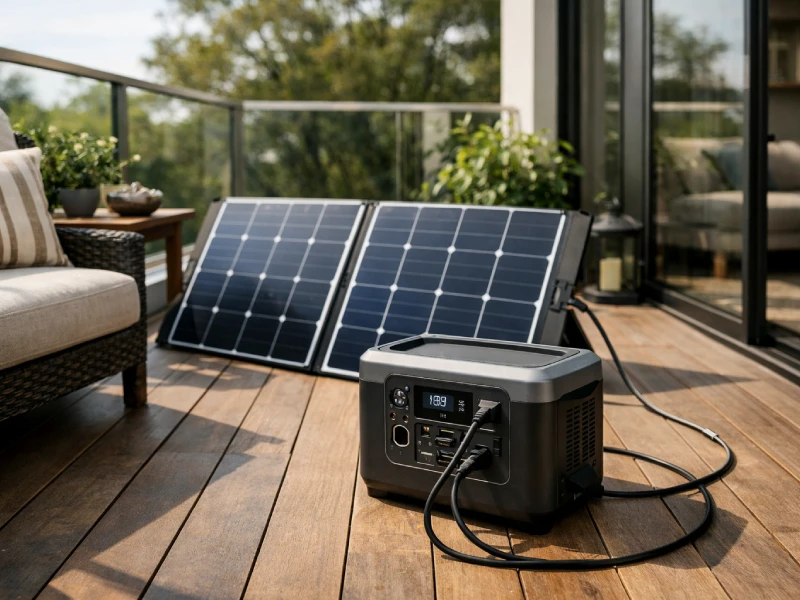
One of the most important trends in 2026 is the integration of portable power stations with solar energy systems. In Europe, for example, balcony solar systems (plug-and-play PV) are rapidly gaining adoption.
When combined with portable power stations, these systems allow users to:
- Store excess solar energy
- Increase self-consumption rates
- Reduce electricity bills
This creates a significant opportunity for suppliers offering solar + storage integrated OEM solutions, especially those with engineering expertise in both photovoltaic and battery systems.
4. Why OEM Is the Preferred Model for Brands
For most companies entering the market, building a product from scratch is not cost-effective. Instead, they rely on portable power station OEM manufacturers to:
- Reduce R&D costs
- Accelerate time-to-market
- Leverage existing certifications
- Focus on branding and distribution
As competition intensifies, the ability to quickly launch customized products has become a key competitive advantage.
What Is a Portable Power Station OEM Manufacturer?
A portable power station OEM manufacturer is a company that designs and produces energy storage devices that can be rebranded and sold by other businesses. These manufacturers provide hardware, and in many cases, also offer customization services that allow clients to tailor products to specific market needs.
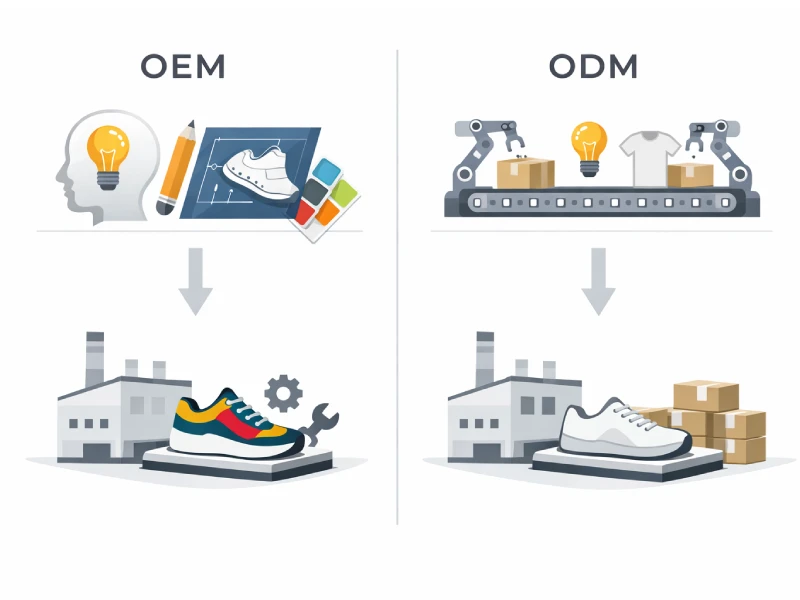
OEM vs ODM vs Private Label: Key Differences
| Model | Description | Customization Level | Best For |
|---|---|---|---|
| OEM | Manufactures products based on buyer specifications | High | Brands with clear product requirements |
| ODM | Provides ready-made designs that can be rebranded | Medium | Fast market entry |
| Private Label | Minimal customization, mainly branding | Low | Low-cost product lines |
Understanding these models is essential when selecting an OEM battery supplier, as each approach impacts cost, development time, and product differentiation.
Customization Scope in Portable Power Station Manufacturing
Modern custom portable power station manufacturers offer extensive customization options, including:
- Battery capacity: From 300Wh to 5000Wh+
- Battery chemistry: LiFePO4 vs NMC
- Output ports: AC, DC, USB-A, USB-C, wireless charging
- Inverter type: Pure sine wave vs modified sine wave
- Solar input: MPPT vs PWM controllers
- Design: Housing, color, branding, packaging
- Software: Smart app integration, IoT features
For distributors, brands, and energy solution providers, the key is not just customization—but the manufacturer’s ability to execute it reliably at scale.
Key Criteria for Choosing the Right OEM Manufacturer
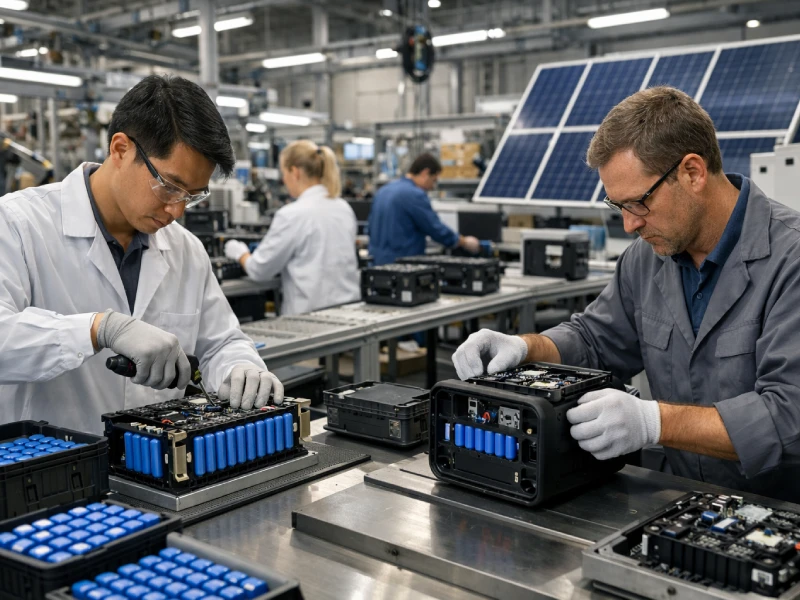
Selecting the right portable power station supplier is one of the most critical decisions for your business. The wrong choice can lead to quality issues, certification delays, and reputational damage.
Below is a comprehensive checklist to help you evaluate potential partners.
1. Battery Technology & Safety Standards
Battery technology is the core of any portable power station. In 2026, LiFePO4 (Lithium Iron Phosphate) has become the preferred choice due to its superior safety, longer cycle life, and thermal stability.
Key aspects to evaluate:
- Battery cycle life (2000–4000+ cycles)
- Thermal management system
- Advanced Battery Management System (BMS)
- Protection against overcharge, over-discharge, and short circuits
A reliable OEM battery manufacturer should provide detailed technical documentation and testing reports.
2. Certifications & Compliance
Certifications are non-negotiable for entering global markets. Depending on your target region, you may require:
- CE (Europe)
- UL (USA)
- FCC (electronics compliance)
- RoHS (environmental standards)
- UN38.3 (battery transportation)
Working with a certified portable power station OEM manufacturer ensures faster market entry and reduces regulatory risks.
3. OEM/ODM Customization Capabilities
Not all manufacturers offer the same level of customization. Evaluate whether the supplier can support:
- Industrial design (ID)
- Mechanical engineering (ME)
- Electrical engineering (EE)
- Firmware/software development
Manufacturers with in-house engineering teams are better equipped to deliver high-quality custom portable power station solutions.
4. Production Capacity & Lead Time
Scalability is critical for growing brands. Ask potential suppliers:
- What is your monthly production capacity?
- What is the standard lead time for bulk orders?
- Can you handle seasonal demand spikes?
Reliable OEM battery suppliers should demonstrate stable production capabilities and supply chain resilience.
5. Supply Chain & Core Components
The quality of key components directly impacts product performance. Leading manufacturers typically source battery cells from top-tier suppliers such as CATL, EVE Energy, or BYD.
Other critical components include:
- Inverters
- MPPT controllers
- Cooling systems
Transparency in the supply chain is a strong indicator of a trustworthy portable power station manufacturer.
6. After-Sales Support & Technical Services
After-sales support is often overlooked but essential for long-term success. Look for suppliers that provide:
- Technical documentation and training
- Warranty policies
- Spare parts availability
- Remote diagnostics or software updates
Strong support capabilities differentiate premium OEM portable power station manufacturers from low-cost suppliers.
Top Portable Power Station OEM Manufacturers in 2026
Choosing the right portable power station OEM manufacturer is not about finding the cheapest supplier—it is about identifying a long-term partner capable of delivering quality, scalability, and innovation. In 2026, the global supply chain is highly concentrated in Asia, particularly in China, while emerging regions are gradually gaining traction.
Below is a structured breakdown of the best portable power station manufacturers, categorized by capability, region, and strategic fit for B2B buyers.
1. Leading Portable Power Station OEM Manufacturers in China
China remains the global hub for OEM battery suppliers, offering unmatched advantages in cost efficiency, component availability, and production scalability. However, not all manufacturers are equal—B2B buyers should distinguish between low-cost assemblers and engineering-driven OEM partners.
Large-Scale ODM Manufacturers
These companies focus on standardized designs with limited customization. They are ideal for fast market entry but may lack flexibility.
- High-volume production capacity
- Short lead times
- Lower customization capability
Best suited for:
- E-commerce sellers
- Entry-level product lines
Engineering-Driven OEM Manufacturers for Reliable Custom Power Solutions
For brands seeking long-term differentiation, working with an engineering-focused portable power station OEM manufacturer is critical. These suppliers offer deeper customization, better product performance, and integration capabilities.
One example is Solardyna, which positions itself as a full-solution energy storage OEM partner rather than just a product supplier.
Key advantages include:
- Integrated solar + storage solutions (ideal for balcony PV and off-grid systems)
- Advanced engineering capabilities across battery systems and inverter technologies
- Custom OEM/ODM development tailored to regional market needs
- Extensive Experience in Supplying International Brands and Distributors
This type of supplier is particularly valuable for:
- Solar companies expanding into energy storage
- Distributors targeting premium markets (EU/US)
- Brands building differentiated product portfolios
- High-End Design & Innovation Manufacturers
These manufacturers focus on premium design, smart features, and user experience. They often serve well-known global brands.
- Strong industrial design capabilities
- Advanced app and IoT integration
- Higher pricing
Best suited for:
- Premium consumer brands
- Technology-driven product lines
2. Emerging Portable Power Station OEM Suppliers in Southeast Asia
Due to geopolitical factors and trade policies, some buyers are exploring portable power station OEM manufacturers in Southeast Asia, including Vietnam and India.
Advantages:
- Diversified supply chain
- Potential tariff benefits
Challenges:
- Less mature battery supply chain
- Limited engineering capabilities
- Lower production scalability
For most brands, distributors, and importers, Southeast Asia suppliers are better suited as secondary sourcing options rather than primary partners.
3. Premium OEM Manufacturers in Europe and the United States
Some companies prefer working with local OEM battery manufacturers in Europe or North America due to regulatory alignment and brand perception.
Advantages:
- Strong compliance with local standards
- High brand trust
Limitations:
- Significantly higher production costs
- Limited customization flexibility
- Longer development timelines
In most cases, these manufacturers are more suitable for niche or high-end markets rather than large-scale OEM production.
OEM vs ODM vs Private Label: Which Model Fits Your Business?
Understanding the differences between OEM vs ODM portable power station manufacturing is essential for making the right strategic decision. Each model has implications for cost, customization, and speed to market.
| Model | Customization | Development Cost | Time to Market | Control | Best For |
|---|---|---|---|---|---|
| OEM | High | Medium–High | Medium | High | Established brands |
| ODM | Medium | Low–Medium | Fast | Medium | Fast-growing businesses |
| Private Label | Low | Low | Very Fast | Low | Entry-level sellers |
When to Choose OEM Manufacturing
OEM is the best choice if you want to:
- Build a unique product line
- Differentiate through features and performance
- Establish long-term brand value
This approach requires working with a capable custom portable power station manufacturer that can handle complex development requirements.
When ODM Is the Better Option
ODM is ideal if your priority is speed. You can launch products quickly by modifying existing designs provided by the manufacturer.
However, differentiation is limited, and competition may be higher.
Private Label: Fast but Risky
Private label solutions offer the fastest entry into the market, but they come with significant drawbacks:
- Minimal product differentiation
- High price competition
- Limited control over quality
For serious B2B buyers, OEM or ODM models are generally more sustainable.
Cost Breakdown of Portable Power Station OEM Manufacturing
Understanding the portable power station OEM cost structure is essential for pricing strategy, profit margin optimization, and supplier negotiation. Many buyers underestimate the complexity of cost components, leading to unexpected expenses.
1. Battery Cost (40%–60% of Total Cost)
The battery pack is the most expensive component. Factors affecting cost include:
- Battery chemistry (LiFePO4 is more expensive but longer-lasting)
- Capacity (Wh rating)
- Cell supplier (Tier 1 vs Tier 2)
Choosing high-quality cells from reputable suppliers significantly improves product reliability and lifespan.
2. Inverter and Power Electronics (15%–25%)
The inverter determines output quality and compatibility with devices. Pure sine wave inverters are preferred for most applications.
Other components include:
- MPPT solar charge controllers
- DC-DC converters
3. Structural Design and Materials (10%–15%)
The enclosure affects durability, portability, and thermal performance. High-end designs may include:
- Aluminum alloy housing
- Advanced cooling systems
- Water-resistant structures
4. Certification and Compliance Costs
Certifications such as CE, UL, and UN38.3 can add significant upfront costs, especially for new product designs.
However, working with an experienced portable power station OEM manufacturer can reduce these costs by leveraging existing certifications.
5. Research & Development (R&D)
For OEM projects, R&D costs may include:
- Product design
- Prototype development
- Testing and validation
These costs are often amortized over large production volumes.
6. MOQ (Minimum Order Quantity) Impact
MOQ has a direct impact on unit price. Higher order volumes typically result in:
- Lower per-unit cost
- Better negotiation leverage
For most OEM battery suppliers, MOQ ranges from 100 to 1000 units depending on customization level.
Typical Price Ranges (Reference)
| Capacity | Estimated OEM Price (USD) | Target Market |
|---|---|---|
| 300–500Wh | $150–$300 | Entry-level |
| 500–1000Wh | $300–$700 | Mainstream |
| 1000–2000Wh | $700–$1500 | Premium |
| 2000Wh+ | $1500+ | Professional / Industrial |
These estimates vary based on customization, certification, and supplier capabilities. Working with a reliable portable power station OEM manufacturer ensures better cost-performance balance.
Ultimately, cost should not be the only deciding factor. The cheapest supplier may lead to higher long-term costs due to quality issues, returns, and brand damage. Instead, B2B buyers should focus on total value—including performance, reliability, and support.
How to Work with a Portable Power Station OEM Manufacturer: Step-by-Step Guide
For B2B buyers, understanding the OEM process for portable power station manufacturing is essential to minimize risks, control costs, and ensure product quality. A structured collaboration workflow helps you move efficiently from concept to mass production.
Step 1: Define Product Requirements and Target Market
Before contacting any portable power station OEM manufacturer, you need a clear product definition. This includes:
- Target market (EU, US, Southeast Asia)
- Battery capacity (e.g., 500Wh, 1000Wh, 2000Wh)
- Application scenarios (outdoor, home backup, solar integration)
- Certification requirements (CE, UL, etc.)
A well-defined requirement document significantly improves communication efficiency and reduces development time.
Step 2: Supplier Shortlisting and Evaluation
Use a structured checklist to evaluate potential OEM battery suppliers. Key actions include:
- Review company certifications and factory audits
- Request product catalogs and technical specifications
- Evaluate engineering and customization capabilities
- Check past B2B project experience
At this stage, it is highly recommended to prioritize engineering-driven portable power station manufacturers over pure trading companies.
Step 3: Prototype Development and Sampling
Once a supplier is selected, the next step is prototype development. This stage typically involves:
- Industrial design confirmation
- Hardware configuration
- Functional testing
A reliable custom portable power station manufacturer will provide iterative improvements based on your feedback.
Step 4: Testing and Certification
Before mass production, products must pass necessary testing and certification processes. These may include:
- Electrical safety testing
- Battery transport certification (UN38.3)
- Regional compliance (CE, UL, FCC)
Working with an experienced portable power station OEM manufacturer can significantly accelerate this stage by leveraging existing certification frameworks.
Step 5: Mass Production and Quality Control
During production, strict quality control measures must be implemented:
- Incoming material inspection
- In-line production testing
- Final product inspection
Top-tier OEM battery manufacturers often follow ISO-certified quality management systems to ensure consistency.
Step 6: Logistics, Shipping, and After-Sales Support
The final stage involves global logistics and post-sales services:
- Shipping method (sea, air, rail)
- Customs clearance
- Warranty and technical support
Choosing a portable power station supplier with international logistics experience reduces delivery risks and improves customer satisfaction.
Common Mistakes When Choosing Portable Power Station OEM Suppliers
Even experienced buyers can make costly mistakes when selecting OEM battery suppliers. Avoiding these pitfalls can save time, money, and brand reputation.
1. Focusing Only on Price
Low-cost suppliers often compromise on battery quality, safety standards, or component reliability. This can lead to:
- High return rates
- Warranty claims
- Brand damage
Instead, evaluate the total value offered by the portable power station OEM manufacturer.
2. Ignoring Certifications
Failing to verify certifications can result in:
- Customs delays
- Legal issues
- Market entry barriers
Always confirm compliance before placing bulk orders.
3. Choosing Suppliers Without Engineering Capabilities
Many suppliers are simply assemblers without in-house R&D teams. This limits their ability to:
- Customize products
- Solve technical issues
- Support product upgrades
Partnering with a true custom portable power station manufacturer ensures long-term scalability.
4. Overlooking Supply Chain Stability
Disruptions in battery cell supply or key components can delay production. Reliable OEM battery manufacturers maintain strong relationships with tier-1 suppliers.
5. Lack of Clear Communication and Documentation
Miscommunication during product development can lead to costly errors. Always ensure:
- Clear specifications
- Written agreements
- Defined timelines
Why Work with a Full-Solution Portable Power Station OEM Partner
In today’s competitive market, working with a full-solution energy storage OEM partner offers significant advantages over traditional product suppliers.
1. Integrated Solar + Storage Expertise
As portable power stations increasingly integrate with solar systems, suppliers with photovoltaic expertise provide a clear advantage. This is especially relevant for:
- Balcony solar systems in Europe
- Off-grid energy solutions
- Hybrid residential energy systems
2. End-to-End Engineering Support
A full-solution portable power station OEM manufacturer can support:
- Product design
- System integration
- Performance optimization
This reduces development complexity and ensures better product performance.
3. Faster Time-to-Market
With integrated capabilities, these suppliers can streamline development and certification processes, enabling faster product launches.
4. Long-Term Strategic Partnership
Rather than transactional relationships, full-solution suppliers act as strategic partners, supporting your business growth over time.
Companies like Solardyna exemplify this approach by combining solar engineering, battery technology, and OEM/ODM manufacturing into a unified offering tailored for global B2B clients.
Launch Your Custom Portable Power Station with a Trusted OEM Partner
Looking for reliable portable power station OEM manufacturers? Our team helps you design and produce custom energy storage solutions under your brand — optimized for cost efficiency, product quality, and faster market launch.
✔ Flexible specifications and scalable manufacturing
✔ Expert support from engineers and product specialists
Or contact us for a personalized consultation on portable power station production
Get Started: Partner with a Reliable Portable Power Station OEM Manufacturer
If you are planning to launch or expand your portable energy product line, choosing the right portable power station OEM manufacturer is the most critical decision you will make.
A qualified partner will not only provide manufacturing services but also help you:
- Optimize product design
- Reduce costs
- Accelerate market entry
- Build a competitive brand
Frequently Asked Questions (FAQ)
1. What is the typical MOQ for portable power station OEM manufacturing?
Most portable power station OEM manufacturers require a minimum order quantity ranging from 100 to 1000 units, depending on customization level and product complexity.
2. How long does OEM production take?
The timeline typically includes 2–4 weeks for prototyping and 4–8 weeks for mass production, depending on order size and specifications.
3. Can I fully customize a portable power station?
Yes. A professional custom portable power station manufacturer can customize battery capacity, output ports, design, branding, and even software features.
4. What certifications are required for EU and US markets?
Common certifications include CE (EU), UL (US), FCC, RoHS, and UN38.3 for battery transport.
5. Is LiFePO4 better than traditional lithium-ion batteries?
LiFePO4 batteries offer longer lifespan, improved safety, and better thermal stability, making them the preferred choice for modern portable power stations.
6. Can OEM manufacturers integrate solar charging?
Yes. Many portable power station OEM manufacturers support solar integration using MPPT controllers for higher efficiency.
7. How can I ensure product quality before placing bulk orders?
Request samples, conduct third-party inspections, and verify certifications before committing to large orders.
8. What is the lifespan of a portable power station?
High-quality models using LiFePO4 batteries typically last 5–10 years or 2000–4000 charge cycles.
References
- BloombergNEF. (2024). Energy Storage Market Outlook 2024. Bloomberg Finance L.P.
- International Energy Agency. (2023). Electricity Market Report 2023. IEA Publications.
- U.S. Department of Energy. (2022). Energy Storage Grand Challenge Roadmap. Office of Electricity.
- Grand View Research. (2024). Portable Power Station Market Size, Share & Trends Analysis Report.
- Wood Mackenzie. (2023). Global Energy Storage Outlook.
- By leveraging the insights in this guide, B2B buyers can confidently navigate the portable power station OEM manufacturing landscape and build successful, scalable energy product lines.