As the global energy storage market rapidly expands, lithium battery certification has become one of the most important considerations for EPC contractors, battery distributors, and commercial ESS developers. In today’s competitive energy storage industry, battery certifications are no longer limited to export documentation. They directly affect project approval, fire safety compliance, system reliability, insurance qualification, and long-term operational security.
For procurement managers and technical decision-makers, understanding international battery safety standards such as UL, CE, and IEC is essential when evaluating LiFePO4 battery suppliers. A properly certified energy storage system can reduce engineering risks, simplify grid approval procedures, and improve project bankability. On the other hand, insufficient certification coverage may lead to installation delays, failed inspections, or even thermal safety incidents during operation.
This guide explains how commercial ESS certification works, the differences between UL and IEC standards, how EPC companies verify certification authenticity, and why system-level safety engineering matters far more than simply using certified battery cells.
Why Lithium Battery Certification Matters in Commercial ESS Projects
In the early stage of lithium battery commercialization, certification mainly focused on transportation safety and basic electrical compliance. However, as commercial and utility-scale energy storage systems became larger and more complex, regulators around the world began implementing stricter safety requirements for ESS projects.
Today, ESS battery certification affects almost every stage of a project lifecycle:
- Project bidding qualification
- Grid interconnection approval
- Fire safety compliance reviews
- Commercial insurance underwriting
- Investor financing assessments
- Long-term operational reliability
For EPC contractors and industrial project developers, battery safety standards are no longer optional. In many overseas markets, compliance with standards such as UL9540, UL1973, IEC62619, and CE regulations has become a minimum requirement for market entry.
Certification Directly Impacts Project Bankability
Financial institutions and insurance companies are becoming increasingly cautious about energy storage safety risks. Several high-profile ESS fire incidents over recent years have accelerated the tightening of commercial battery regulations worldwide.
Before approving project financing or issuing insurance coverage, stakeholders now commonly evaluate:
- System-level safety certification status
- Thermal runaway mitigation capability
- Battery management system reliability
- Fire suppression integration
- Electrical isolation protection
- Long-term operational safety data
Without proper certification documentation, commercial ESS projects may face:
- Delayed commissioning schedules
- Higher insurance premiums
- Additional engineering redesign costs
- Extended fire authority review periods
- Utility approval complications
This is especially critical for large-scale industrial energy storage systems where downtime or safety incidents can create substantial financial losses.
Battery Safety Standards Reduce Long-Term Operational Risks
Many buyers incorrectly assume that certification simply proves export eligibility. In reality, modern lithium battery certification standards are designed to evaluate whether an ESS system can safely operate under abnormal electrical, thermal, and environmental conditions.
Certification testing may include:
- Overcharge protection testing
- Short-circuit resistance testing
- Thermal propagation analysis
- Mechanical impact testing
- Environmental exposure verification
- BMS functional safety validation
- Electrical insulation assessment
For EPC companies and energy storage integrators, these tests help minimize long-term operational liabilities. A properly engineered and certified LiFePO4 battery system generally demonstrates stronger manufacturing consistency, thermal management capability, and electrical protection architecture.
This is one of the main reasons why global buyers increasingly prioritize suppliers with proven certification experience and system-level engineering expertise.
Global ESS Regulations Are Becoming More Strict
Governments and regulatory agencies worldwide are strengthening energy storage safety requirements. This trend is particularly visible in:
- North American commercial ESS projects
- European renewable energy installations
- Utility-scale battery storage facilities
- Commercial building energy systems
- Industrial microgrid infrastructure
In the United States, many local jurisdictions now require compliance with:
- UL9540
- UL9540A
- NFPA 855
- AHJ fire safety regulations
Meanwhile, European markets increasingly focus on:
- CE certification lithium battery compliance
- IEC62619 industrial battery standards
- EMC compatibility testing
- Battery traceability documentation
- Environmental sustainability regulations
As global regulations continue evolving, procurement teams must work with suppliers that understand both manufacturing and long-term compliance engineering.
Expert Tip:
For commercial ESS projects, buyers should prioritize suppliers with proven system-level compliance experience rather than suppliers that only advertise certified battery cells. Most large-scale ESS failures occur at the integration level, not at the individual cell level.
Common ESS Project Risks Caused by Inadequate Battery Certification
In many international energy storage projects, certification-related problems do not appear during initial procurement discussions. Instead, they emerge later during installation, fire inspection, utility approval, or commissioning stages.
These hidden compliance risks can create serious financial and engineering challenges for EPC contractors and project developers.
Failed Grid Approval Due to Missing UL9540 Certification
One of the most common issues in North American ESS projects involves incomplete system certification coverage.
Some suppliers promote:
- UL-certified battery cells
- Recognized battery components
- Compliant battery modules
However, local authorities frequently require full UL9540 certification for the complete ESS system architecture rather than individual components alone.
Without proper documentation, projects may experience:
- Delayed utility approval
- Additional engineering verification costs
- Unexpected redesign requirements
- Longer project commissioning timelines
- Reduced investor confidence
For EPC contractors operating under strict project deadlines, these delays can significantly affect profitability and customer relationships.
Fire Compliance Issues in Commercial Installations
Fire safety has become one of the most closely monitored aspects of the global energy storage industry.
Commercial buildings, industrial facilities, and utility-scale storage stations now face much stricter fire code enforcement than in previous years.
Regulators may evaluate:
- Thermal runaway containment capability
- Gas ventilation systems
- Smoke detection integration
- Emergency shutdown functionality
- HVAC redundancy
- Fire suppression system design
If certification documents cannot demonstrate full system-level compliance, project approval may be delayed even when the battery cells themselves are technically compliant.
This is why modern commercial ESS safety standards increasingly focus on complete system engineering rather than isolated component testing.
Hidden Risks of Cell-Level-Only Certification
Another common industry issue involves confusion between cell certification and complete ESS certification.
Some battery suppliers advertise:
- IEC-certified battery cells
- UL-recognized materials
- Certified electrical components
However, these certifications may not apply to:
- Battery modules
- Battery packs
- Containerized ESS systems
- Integrated power conversion systems
- Complete fire protection architecture
In real-world energy storage applications, system integration quality often determines actual operational safety performance.
Thermal propagation events, communication failures, electrical isolation problems, and cooling system malfunctions typically occur at the integration layer rather than inside individual battery cells.
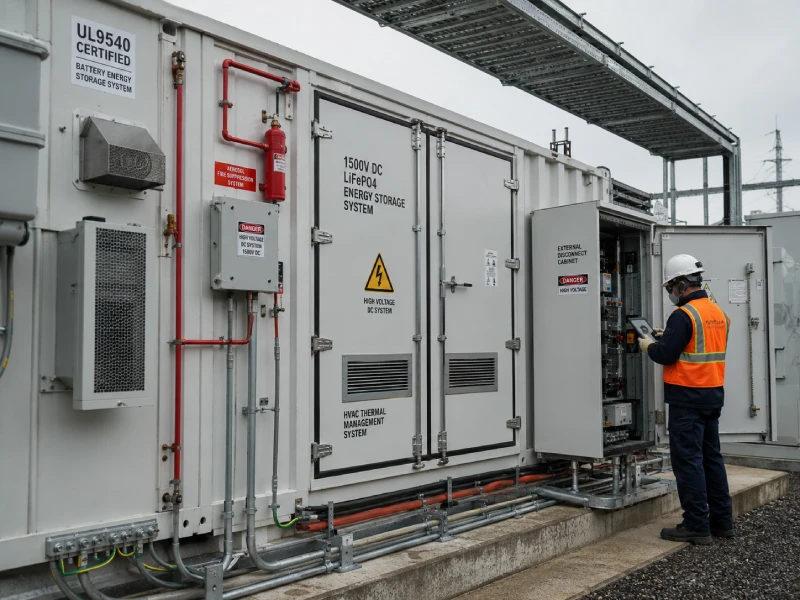
Understanding UL Certification for Lithium Battery Systems
Among global battery safety frameworks, UL standards remain some of the most influential requirements for commercial energy storage projects, especially in North America.
For EPC contractors targeting the United States and Canada, understanding UL certification requirements is essential for successful ESS deployment and regulatory approval.
Unlike simplified marketing claims, UL certification is not a single universal label. Different UL standards evaluate different parts of the energy storage ecosystem.
Understanding these distinctions is extremely important when selecting a commercial ESS supplier.
What Is UL1973 for Stationary Battery Systems?
UL1973 is one of the most widely recognized battery safety standards for stationary energy storage applications.
The standard primarily evaluates:
- Battery pack safety
- Electrical protection systems
- Mechanical integrity
- Environmental durability
- Resistance to abnormal operating conditions
UL1973 applies to batteries used in:
- Commercial ESS systems
- Industrial backup power
- Telecommunication energy storage
- Renewable energy integration
- Microgrid infrastructure
Typical testing procedures may include:
- Overcharge testing
- External short-circuit testing
- Temperature exposure analysis
- Drop and vibration testing
- Enclosure strength evaluation
However, buyers should understand that UL1973 mainly focuses on the battery subsystem itself rather than the complete ESS installation.
For large-scale commercial projects, system-level standards such as UL9540 usually carry even greater importance.
What Is UL9540 and Why Does It Matter for Commercial ESS Projects?
While UL1973 focuses primarily on the battery subsystem, UL9540 evaluates the complete energy storage system architecture. This distinction is extremely important for EPC contractors, utility developers, and commercial ESS integrators because real-world safety risks usually emerge at the system integration level rather than within individual battery cells.
UL9540 certification generally evaluates the interaction between:
- Battery packs and modules
- Battery management systems (BMS)
- Power conversion systems (PCS)
- Thermal management systems
- Fire suppression infrastructure
- Communication and control systems
- Electrical protection mechanisms
For large commercial and industrial ESS installations, UL9540 has increasingly become one of the most important compliance requirements in North America.
Many project developers now specify UL9540 compliance directly within bidding documents because it helps simplify:
- AHJ approval procedures
- Insurance evaluations
- Utility interconnection reviews
- Project financing assessments
- Fire department inspections
Why UL9540A Testing Has Become So Important
In recent years, thermal runaway propagation has become one of the most heavily studied risks in the energy storage industry.
As ESS capacities continue increasing, regulators no longer focus solely on whether a single battery cell can fail safely. Instead, they evaluate whether a failure can spread throughout the entire battery system.
This is where UL9540A becomes critically important.
UL9540A is designed to evaluate how thermal runaway events propagate through:
- Individual battery cells
- Battery modules
- Battery racks
- Complete ESS enclosures
Testing may analyze:
- Heat release behavior
- Gas generation volume
- Fire spread dynamics
- Explosion risk potential
- Smoke propagation characteristics
- Thermal isolation effectiveness
For EPC contractors and commercial project developers, UL9540A data has become extremely valuable because it helps determine:
- Required installation spacing
- Ventilation system design
- Fire suppression strategies
- Container layout configuration
- Emergency response planning
In many jurisdictions, AHJs now require UL9540A test data before approving large-scale battery storage installations.
Expert Tip:
Many battery suppliers advertise “UL compliant” systems without clearly explaining whether the certification applies to the full ESS architecture or only to selected components. EPC contractors should always verify whether complete system-level UL9540 certification and thermal propagation testing have been performed for the actual delivered configuration.
Understanding CE Certification for Lithium Battery Systems
For companies targeting the European energy storage market, CE certification lithium battery compliance is one of the most fundamental regulatory requirements.
However, many international buyers misunderstand what CE marking actually represents.
Unlike UL certification, CE marking is not a single testing standard issued by one organization. Instead, it indicates that a product complies with applicable European Union regulations and directives.
For commercial ESS systems, CE compliance may involve multiple regulatory areas simultaneously.
Key Directives Behind CE Compliance
Depending on the ESS application, CE certification may involve compliance with:
- Low Voltage Directive (LVD)
- Electromagnetic Compatibility Directive (EMC)
- RoHS environmental restrictions
- Battery Regulation requirements
- Machinery and safety directives
Each directive focuses on different operational risks and technical requirements.
For example:
- LVD evaluates electrical safety protection
- EMC focuses on electromagnetic interference
- RoHS restricts hazardous material usage
- Battery regulations emphasize traceability and sustainability
As European energy storage regulations continue evolving, battery suppliers must maintain stronger documentation and technical compliance capabilities than in previous years.
Common Misunderstandings About CE Marking
One of the most common misconceptions in the global battery industry is assuming that CE marking automatically guarantees product quality or third-party certification.
In reality, CE marking often involves manufacturer self-declaration supported by technical documentation and conformity assessments.
This means buyers should carefully verify:
- Technical construction files
- EMC testing reports
- Safety evaluation documents
- Declaration of Conformity (DoC)
- Applicable directive coverage
For EPC contractors and battery importers, document quality and traceability are becoming increasingly important procurement criteria.
A supplier that cannot provide complete technical compliance documentation may create long-term legal and operational risks for overseas projects.
Why EMC Compliance Matters in Commercial ESS
As commercial energy systems become increasingly digitalized, electromagnetic compatibility has become a major engineering concern.
Modern ESS installations typically integrate:
- PCS systems
- EMS platforms
- Remote monitoring networks
- Industrial control systems
- Grid communication interfaces
Poor EMC performance may cause:
- Communication instability
- Signal interference
- BMS malfunction
- Inverter coordination problems
- Operational safety risks
For this reason, professional EPC contractors increasingly evaluate EMC testing quality when selecting lithium battery suppliers for large-scale projects.
IEC Battery Standards Explained for Commercial Energy Storage
While UL standards dominate many North American projects, IEC battery standards are widely used across international energy storage markets.
IEC standards play an especially important role in:
- Europe
- Middle East
- Southeast Asia
- Australia
- International telecom infrastructure
- Industrial microgrid applications
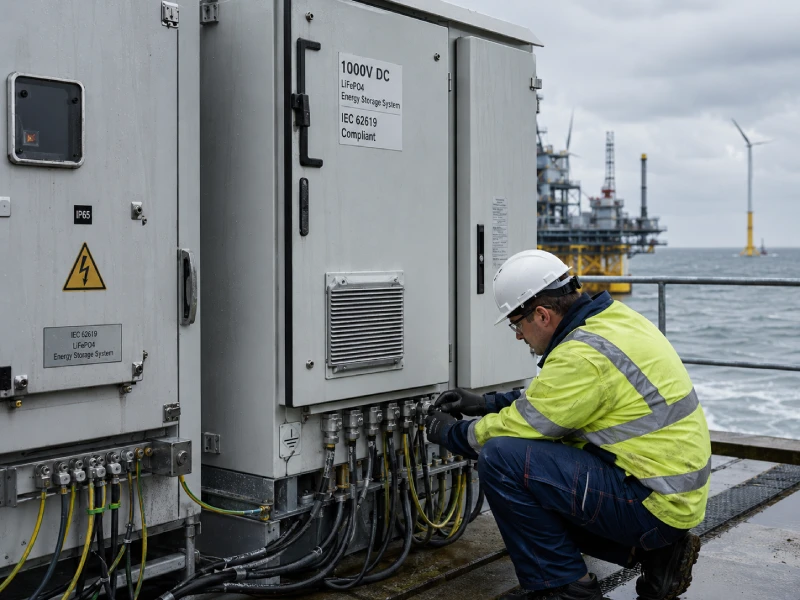
For global EPC companies, understanding IEC62619 and related standards is essential when evaluating industrial lithium battery suppliers.
What Is IEC62619?
IEC62619 is one of the most important international safety standards for industrial lithium battery systems.
The standard mainly applies to:
- Commercial ESS systems
- Industrial backup power
- Telecommunication infrastructure
- Renewable energy integration
- Stationary lithium battery applications
IEC62619 evaluates battery safety performance under abnormal operational conditions.
Testing procedures may include:
- External short-circuit testing
- Overcharge testing
- Forced discharge analysis
- Thermal abuse testing
- Mechanical shock evaluation
- Drop and vibration testing
Compared with smaller consumer battery standards, IEC62619 focuses more heavily on industrial operational safety and long-term reliability.
IEC62133 vs IEC62619: Understanding the Difference
Many procurement teams confuse IEC62133 and IEC62619 because both standards involve lithium battery safety.
However, they are designed for different application categories.
IEC62133 primarily applies to:
- Portable electronics
- Consumer devices
- Small rechargeable batteries
In contrast, IEC62619 is intended for:
- Industrial battery systems
- Commercial ESS installations
- Stationary energy storage applications
For large-scale LiFePO4 ESS projects, IEC62619 is generally far more relevant.
Why IEC Standards Are Widely Used in International Projects
One major advantage of IEC standards is their broad international acceptance.
Many countries reference IEC frameworks directly when developing local energy storage regulations.
For multinational EPC contractors, IEC-certified battery systems may simplify:
- Cross-border project deployment
- International procurement standardization
- Technical specification alignment
- Supplier qualification procedures
Because of this flexibility, many global project developers consider IEC62619 compliance a baseline requirement for industrial lithium battery suppliers.
Expert Tip:
For international commercial ESS projects, certification alone should never be the only evaluation factor. Buyers should also assess manufacturing consistency, BMS engineering capability, thermal management design, and long-term operational validation data before selecting a lithium battery supplier.
UL vs CE vs IEC: What Are the Key Differences?
One of the most common questions from commercial ESS buyers is whether UL, CE, or IEC certification is “better.”
In reality, these standards serve different purposes and apply to different regulatory environments.
Understanding their differences helps EPC contractors build more effective procurement strategies for international projects.
| Standard | Primary Region | Main Focus | Typical Application |
|---|---|---|---|
| UL1973 | North America | Battery subsystem safety | Commercial ESS batteries |
| UL9540 | North America | Complete ESS system safety | Commercial and utility ESS |
| CE | European Union | Regulatory compliance | EU market access |
| IEC62619 | International markets | Industrial battery safety | Global ESS deployment |
Rather than choosing one certification over another, professional EPC contractors usually evaluate which standards are required for their specific target market and project type.
For example:
- North American projects often prioritize UL9540
- European projects typically require CE compliance and IEC standards
- Middle East projects frequently reference IEC62619
- Utility-scale systems may require additional fire testing documentation
As the global ESS industry matures, battery suppliers capable of supporting multiple certification frameworks generally provide greater long-term value for international project developers.
Why System-Level Safety Matters More Than Cell Certification
One of the biggest misconceptions in the global energy storage industry is the assumption that certified battery cells automatically guarantee a safe ESS installation.
In reality, most large-scale ESS failures are not caused by the battery cell chemistry itself. Instead, they are usually related to system integration problems involving:
- Thermal management failure
- BMS communication malfunction
- Electrical isolation defects
- Improper HVAC design
- Fault propagation between modules
- Insufficient fire suppression coordination
For this reason, experienced EPC contractors increasingly prioritize system-level engineering capability over isolated component certification when selecting commercial lithium battery suppliers.
The Difference Between Cell, Module, Pack, and ESS-Level Testing
Commercial energy storage systems contain multiple engineering layers, each carrying different operational risks.
These layers generally include:
- Battery cells
- Battery modules
- Battery packs
- Rack systems
- Containerized ESS architecture
A certified battery cell only proves that an individual cell passed specific laboratory tests under controlled conditions.
However, real-world ESS installations introduce far more complex operational variables, including:
- Large-scale parallel connections
- High-voltage electrical environments
- Continuous cycling conditions
- Environmental temperature fluctuations
- HVAC coordination challenges
- Integrated PCS interactions
As a result, system-level testing becomes far more important for evaluating long-term operational safety.
Professional EPC companies increasingly evaluate how all ESS subsystems interact under abnormal operating conditions rather than simply reviewing battery cell certificates.
Thermal Runaway Propagation Is the Real ESS Safety Challenge
Modern LiFePO4 chemistry is generally considered safer than many other lithium battery chemistries. However, this does not eliminate thermal safety risks entirely.
The primary engineering challenge in commercial ESS systems is no longer preventing an individual cell from failing. Instead, it involves preventing a localized failure from propagating throughout the entire battery system.
Thermal propagation can spread through:
- Battery modules
- Rack structures
- Electrical busbars
- Ventilation systems
- Enclosed container environments
This is why modern ESS engineering increasingly focuses on:
- Thermal isolation design
- Gas exhaust management
- Compartmentalized layouts
- Fire-resistant structural materials
- Multi-level BMS protection logic
Suppliers that understand thermal propagation engineering generally provide significantly higher long-term safety reliability than suppliers focused only on low-cost battery assembly.
How EPC Contractors Can Verify Lithium Battery Certification Authenticity
As the global ESS market expands rapidly, certification fraud and misleading compliance claims have become increasingly common within the lithium battery industry.
Some suppliers advertise:
- “UL compliant” systems
- “IEC certified” battery solutions
- “Global certification” capabilities
However, the actual certification scope may be incomplete, outdated, or unrelated to the delivered ESS configuration.
For EPC contractors and project developers, verifying certification authenticity is now an essential procurement responsibility.
Check Certification Scope Carefully
One of the most common industry problems involves confusion between component-level certification and complete system-level certification.
Procurement teams should verify whether certification applies to:
- Battery cells only
- Battery modules
- Battery packs
- Rack systems
- Full containerized ESS architecture
Many suppliers display certification logos on marketing materials even though the certified configuration differs significantly from the actual commercial product.
Buyers should always confirm:
- Certification model numbers
- Configuration matching
- BMS compatibility
- PCS integration scope
- HVAC system inclusion
- Fire suppression coverage
Verify Certification Numbers Through Official Databases
Professional EPC contractors should never rely solely on PDF certificates provided by suppliers.
Instead, buyers should cross-check certification information using official databases whenever possible.
Common verification platforms include:
- UL Product iQ database
- TÜV Rheinland certification platform
- Intertek certification directory
- SGS verification systems
This helps ensure:
- Certification validity
- Active compliance status
- Correct product scope
- Authentic testing records
As project values continue increasing in the commercial ESS market, compliance verification has become a key part of risk management.
Confirm That the Certified Configuration Matches Mass Production
Another overlooked industry issue involves differences between laboratory-certified samples and actual production systems.
In some cases:
- BMS suppliers are changed after testing
- Battery cells are substituted
- Cooling systems are modified
- Electrical protection components are downgraded
- Software logic is altered during production scaling
Even small configuration changes may affect compliance validity and long-term operational safety.
This is why experienced EPC companies increasingly evaluate manufacturing consistency and engineering quality control processes alongside certification documentation.
Expert Tip:
Reliable ESS manufacturers usually maintain dedicated compliance engineering teams responsible for certification updates, regulatory monitoring, and production consistency validation. This long-term compliance capability is often more valuable than a single certification document.
Engineering Factors Behind Commercial ESS Safety Compliance
Achieving international battery certification is not simply about passing laboratory tests. Behind every compliant ESS system lies a complex engineering architecture designed to maintain safe operation under demanding real-world conditions.
Professional energy storage buyers increasingly evaluate engineering capability as carefully as certification status itself.
Battery Thermal Management Design
Temperature control remains one of the most important factors affecting ESS safety and battery lifespan.
Commercial ESS systems generate substantial heat during:
- Charging cycles
- Discharging cycles
- High-power operation
- Fast-response applications
- Grid stabilization events
Poor thermal management may accelerate:
- Battery degradation
- Cell imbalance
- Electrical stress
- Thermal propagation risks
- Unexpected shutdown events
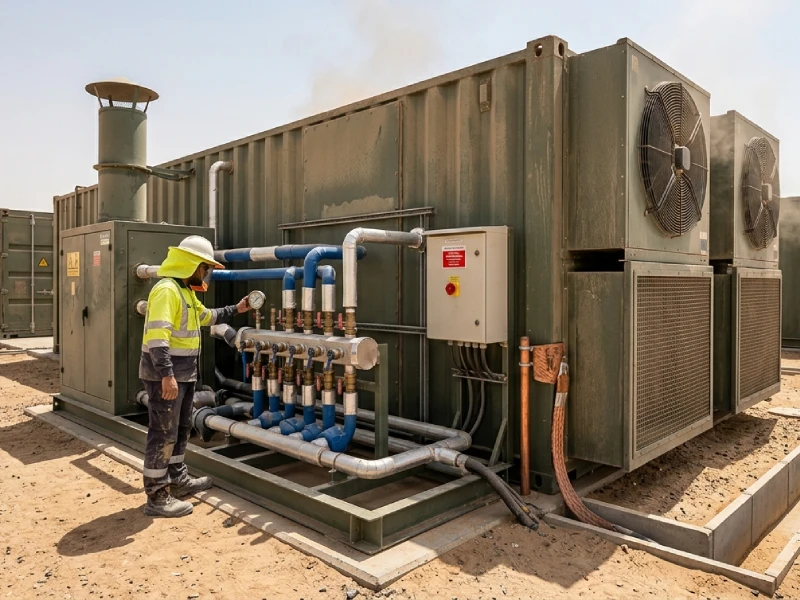
Modern ESS systems increasingly use advanced thermal strategies such as:
- Liquid cooling systems
- Intelligent HVAC coordination
- Compartmentalized airflow channels
- Real-time thermal monitoring
- AI-assisted thermal analytics
BMS Functional Safety Strategy
The battery management system acts as the operational intelligence center of an ESS installation.
Modern BMS platforms monitor:
- Cell voltage consistency
- Temperature distribution
- Current flow behavior
- State of charge balance
- Fault detection logic
- Emergency shutdown coordination
For commercial ESS projects, advanced BMS functionality significantly improves:
- Operational stability
- Preventive maintenance capability
- Thermal event prevention
- Remote monitoring efficiency
- Lifecycle performance optimization
This is why sophisticated BMS engineering has become one of the strongest indicators of a manufacturer’s technical maturity.
Fire Suppression and Gas Detection Systems
Modern commercial ESS installations increasingly integrate multi-layer fire protection systems designed to detect and contain abnormal thermal events before escalation occurs.
Depending on project requirements, ESS fire protection architecture may include:
- Aerosol suppression systems
- Novec suppression solutions
- Gas detection sensors
- Smoke monitoring devices
- Emergency ventilation controls
- Automatic shutdown logic
As global fire regulations continue evolving, sophisticated suppression integration has become an increasingly important competitive advantage for ESS manufacturers.
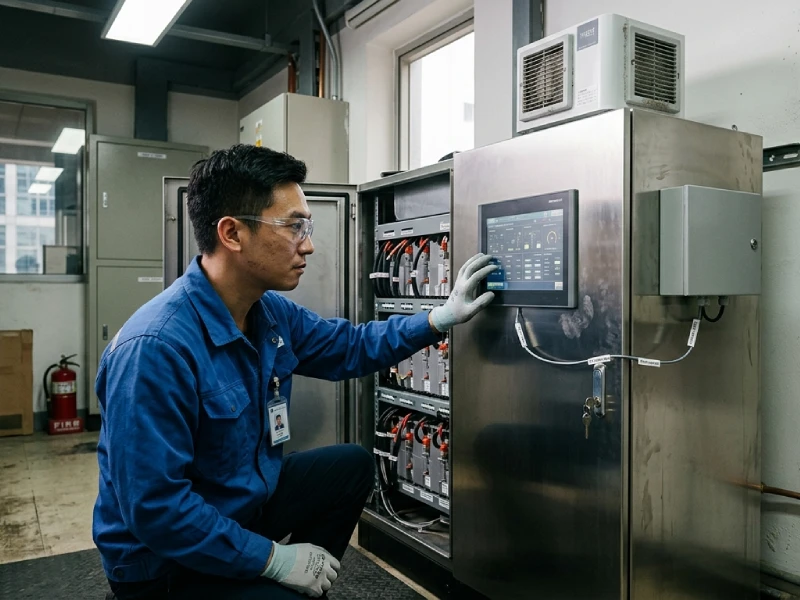
Emerging Global ESS Safety Regulations and Compliance Trends
The global regulatory landscape for commercial energy storage systems is evolving rapidly.
As ESS deployment scales increase worldwide, regulators are introducing stricter requirements covering:
- Battery traceability
- Thermal safety
- Environmental sustainability
- Fire protection
- Operational monitoring
- Recycling responsibility
For international EPC contractors and battery suppliers, staying ahead of these regulatory trends is becoming increasingly important.
Europe’s Battery Passport Requirements
The European Union is gradually implementing battery passport systems designed to improve supply chain transparency and sustainability accountability.
Future battery documentation may include:
- Material sourcing data
- Carbon footprint records
- Manufacturing traceability
- Recycling information
- Lifecycle sustainability metrics
These changes will likely increase documentation expectations for battery suppliers entering European markets.
UL9540A Is Becoming a Global Reference Standard
Although UL9540A originated primarily within North America, its thermal propagation methodology is increasingly influencing ESS safety evaluations worldwide.
Many international developers now request thermal propagation test data even when local regulations do not explicitly mandate UL9540A certification.
This reflects a broader industry shift toward:
- System-level risk analysis
- Fire containment engineering
- Advanced safety modeling
- Integrated emergency response planning
ESG Requirements Are Influencing Battery Procurement
Environmental, social, and governance considerations are becoming increasingly important within large-scale ESS procurement decisions.
Investors and infrastructure developers now evaluate:
- Supply chain transparency
- Carbon reduction strategies
- Responsible sourcing practices
- Battery recycling capability
- Long-term sustainability performance
As a result, commercial ESS buyers increasingly prefer manufacturers capable of supporting both regulatory compliance and sustainability objectives simultaneously.
Suggested Visual Assets:
- Battery passport infographic
- Global ESS compliance map
- Thermal management system diagram
- Commercial ESS fire suppression architecture image
Why Choosing a Certified ESS Manufacturer Matters
For commercial and industrial energy storage projects, selecting the right battery supplier involves far more than comparing pricing alone.
Long-term project success depends heavily on:
- Engineering reliability
- Certification capability
- Manufacturing consistency
- Compliance support
- After-sales technical service
- Global project experience
A supplier with strong system-level engineering expertise can help EPC contractors:
- Reduce project approval risks
- Improve installation efficiency
- Accelerate utility acceptance
- Enhance operational safety
- Lower long-term maintenance costs
For international commercial ESS deployment, certification capability should always be evaluated together with:
- Manufacturing quality control
- Thermal safety engineering
- BMS development expertise
- Compliance documentation support
- Lifecycle service capability
As the global energy storage market continues evolving, battery manufacturers capable of combining advanced engineering with international compliance support will become increasingly valuable partners for EPC contractors and energy infrastructure developers.
Conclusion
As commercial energy storage systems become larger and more technically complex, international battery safety standards are playing a far more important role in global ESS deployment.
Standards such as UL9540, UL1973, CE compliance, and IEC62619 are no longer simple regulatory checkboxes. They directly influence:
- Project approval success
- Operational safety performance
- Fire compliance readiness
- Long-term investment security
- Commercial project reliability
For EPC contractors, procurement managers, and energy infrastructure developers, evaluating lithium battery suppliers now requires a broader engineering perspective.
Beyond certification documents themselves, buyers should carefully assess:
- System-level safety architecture
- Thermal management capability
- BMS engineering quality
- Manufacturing consistency
- Long-term compliance support
As the global ESS market continues expanding, suppliers capable of combining advanced engineering, international certification expertise, and reliable manufacturing execution will become the most trusted long-term partners for commercial energy storage projects.
Need UL / IEC Certified Lithium Battery Solutions for Your ESS Project?
Selecting the right lithium battery certification is critical for project approval, fire compliance, and long-term system reliability. We support EPC contractors, energy developers, and industrial integrators with fully certified LiFePO4 ESS solutions compliant with UL1973, UL9540, IEC62619, and CE standards.
✔ IEC62619 & CE compliant industrial lithium battery systems
✔ Full certification documentation for EPC & AHJ approval
✔ Engineering support for fire safety, thermal design & system integration
Speak with our ESS engineering team for project-specific compliance guidance and system design support
Frequently Asked Questions
Q1. Is UL9540 mandatory for commercial ESS projects in the United States?
Many North American jurisdictions increasingly require UL9540 certification for commercial and industrial ESS installations, especially when local AHJs and fire authorities are involved in project approval.
Q2. What is the difference between UL9540 and UL9540A?
UL9540 evaluates complete ESS system safety, while UL9540A focuses specifically on thermal runaway propagation testing and fire behavior analysis.
Q3. Is CE certification enough for commercial ESS projects?
CE compliance is essential for entering European markets, but many projects also require IEC standards, EMC testing, and additional local compliance documentation.
Q4. Why is system-level certification more important than cell certification?
Most real-world ESS failures occur at the integration level involving BMS coordination, thermal management, electrical protection, and system architecture rather than within individual battery cells.
Q5. How can EPC contractors verify lithium battery certification authenticity?
Professional buyers should verify certification numbers through official databases such as UL Product iQ, TÜV Rheinland, Intertek, or SGS platforms and confirm that the certified configuration matches the delivered system.