Selecting the right solar inverter supplier has become one of the most important procurement decisions in today’s renewable energy industry. Whether you are an EPC contractor managing utility-scale projects, a solar distributor expanding into new markets, or a commercial installer seeking long-term partners, the performance of your chosen solar inverter supplier can directly influence project profitability, customer satisfaction, warranty exposure, and future business growth.
As solar adoption accelerates worldwide, inverter technology has evolved far beyond simple DC-to-AC power conversion. Modern inverters now serve as intelligent energy management hubs responsible for system monitoring, grid compliance, battery integration, remote diagnostics, and energy optimization. Consequently, selecting an inverter vendor is no longer a simple purchasing exercise—it is a strategic supply chain decision.
Unfortunately, many procurement teams continue to focus heavily on unit pricing while overlooking critical factors such as manufacturing capability, engineering expertise, certification compliance, technical support responsiveness, and long-term product availability. These overlooked variables often become the root cause of project delays, increased operating costs, and customer complaints.
This comprehensive guide is designed specifically for EPC contractors, solar distributors, project developers, and procurement managers who want to reduce sourcing risks and establish reliable inverter supply chains. Throughout this article, we will examine the criteria used by experienced industry professionals to evaluate suppliers, identify common procurement mistakes, and explore practical frameworks for making more informed purchasing decisions.
Who Should Read This Guide?
- EPC contractors managing commercial and utility-scale projects
- Solar distributors seeking reliable product portfolios
- Energy storage system integrators
- Procurement managers responsible for supplier qualification
- Technical directors evaluating inverter technology platforms
- Companies planning OEM or ODM inverter programs
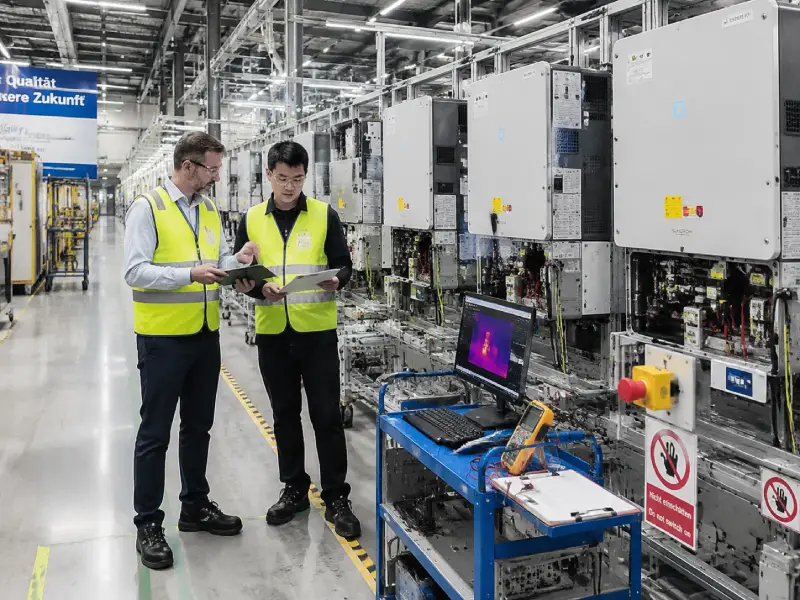
Why Choosing the Wrong Solar Inverter Supplier Can Cost More Than You Think
In many procurement discussions, inverter pricing becomes the primary focus. While competitive pricing is undoubtedly important, experienced EPC firms understand that the lowest purchase price rarely represents the lowest total project cost. In reality, selecting an unsuitable supplier can create operational, financial, and reputational consequences that far exceed the initial savings achieved during procurement.
A solar inverter remains one of the most technically sophisticated and mission-critical components within any photovoltaic system. If the inverter fails to perform as expected, overall system performance, energy yield, maintenance costs, and customer satisfaction may all suffer.
Understanding the hidden costs associated with supplier selection is therefore essential for any organization seeking sustainable growth in the renewable energy market.
Delayed Project Commissioning and Contractual Risks
Project schedules are often tightly linked to financing milestones, utility approvals, customer expectations, and contractual obligations. When inverter deliveries are delayed, the consequences can cascade throughout the entire project timeline.
For EPC contractors, delayed commissioning may result in:
- Missed project handover deadlines
- Additional labor costs
- Equipment idle time
- Rescheduling of installation crews
- Liquidated damages exposure
- Reduced client confidence
Many procurement managers underestimate how significantly supplier lead-time reliability affects project execution. During periods of market volatility, semiconductor shortages, logistics disruptions, or rapid demand growth, suppliers with weak manufacturing planning often struggle to maintain delivery commitments.
This is why experienced buyers investigate production capacity, inventory management strategies, component sourcing practices, and historical lead-time consistency before approving a supplier.
Expert Tip:
When evaluating suppliers, ask not only for current lead times but also how they managed supply chain disruptions during previous periods of market instability. A supplier’s response often reveals more about long-term reliability than any marketing brochure.
Certification and Compliance Risks
Solar projects increasingly operate within complex regulatory environments. Different countries, utilities, and grid operators impose specific certification requirements that products must satisfy before installation approval.
Failure to verify compliance requirements during the procurement stage can result in:
- Project approval delays
- Additional testing expenses
- Replacement procurement costs
- Contract disputes
- Lost project opportunities
A professional solar inverter manufacturer should provide transparent documentation supporting relevant certifications and grid-compliance standards. Depending on the target market, buyers may need to verify compliance with requirements such as:
- IEC 62109
- IEC 61727
- IEC 62116
- CE certification
- UL certification
- TÜV testing requirements
- Country-specific grid codes
For multinational distributors and EPC contractors, supplier certification capabilities can directly influence market expansion strategies. Choosing suppliers with broad international compliance experience often simplifies market entry and reduces future administrative burdens.
Warranty Exposure and Long-Term Service Costs
The true cost of an inverter extends far beyond its purchase price. Maintenance requirements, replacement procedures, technical support responsiveness, and spare parts availability all contribute to total lifecycle costs.
When a supplier lacks effective after-sales infrastructure, even minor technical issues can become expensive operational problems.
Potential consequences include:
- Extended system downtime
- Additional field service visits
- Customer dissatisfaction
- Revenue losses from reduced generation
- Increased maintenance budgets
For commercial and industrial solar projects, downtime can significantly impact projected energy savings and financial returns. Consequently, experienced buyers evaluate not only warranty duration but also warranty execution capabilities.
Key questions include:
- How quickly are replacement units shipped?
- Are spare parts stocked locally?
- Is remote troubleshooting available?
- How are warranty claims processed?
- What level of engineering support is included?
Technology Limitations That Restrict Future Growth
Many businesses today are planning for future battery storage integration, EV charging infrastructure, smart energy management systems, and advanced monitoring capabilities.
Selecting an inverter platform that lacks scalability can create future upgrade challenges and additional replacement costs.
For example, companies considering future energy storage deployment should carefully evaluate whether a prospective hybrid inverter supplier offers:
- Battery-ready architectures
- Advanced EMS compatibility
- Remote firmware upgrades
- Multiple communication protocols
- Flexible system expansion options
Forward-thinking procurement decisions help protect investments and reduce future system redesign expenses.
Reputation and Customer Retention Risks
In competitive solar markets, customer referrals and repeat business remain valuable growth drivers. Poor-performing equipment can damage relationships that took years to establish.
A single high-profile project failure may influence future bidding opportunities, customer trust, and brand perception.
For distributors, installer networks often evaluate product portfolios based on reliability and support experience. For EPC firms, project owners increasingly expect performance guarantees and rapid technical support.
Choosing a trusted inverter supplier therefore contributes not only to project performance but also to long-term business reputation.
Solar Inverter Supplier Evaluation Matrix: A Practical Framework for Procurement Teams
One of the most effective ways to improve inverter procurement decisions is to replace subjective evaluations with a structured assessment framework. Professional procurement organizations often use supplier scorecards to compare vendors across multiple categories rather than focusing solely on pricing.
The following evaluation matrix provides a practical approach that EPC contractors, distributors, and project developers can adapt to their own procurement processes.
| Evaluation Area | Suggested Weight | Importance |
|---|---|---|
| Product Reliability | 25% | Critical |
| Certification & Compliance | 15% | High |
| Manufacturing Capacity | 15% | High |
| Technical Support | 15% | High |
| Supply Chain Stability | 10% | Medium-High |
| Warranty Support | 10% | Medium-High |
| Commercial Terms | 10% | Medium |
Using a structured evaluation matrix helps procurement teams make more objective decisions while reducing the influence of short-term pricing considerations. It also creates a documented supplier qualification process that can support future audits, project reviews, and internal procurement governance.
Key Technical Criteria Buyers Must Evaluate Before Selecting a Solar Inverter Supplier
Once procurement teams have established a structured supplier evaluation framework, the next step is conducting a deeper technical assessment. This is often where experienced EPC contractors, project developers, and professional distributors separate themselves from less sophisticated buyers.
Many inverter suppliers can provide attractive brochures, competitive pricing, and impressive efficiency figures. However, real-world project performance depends on a much broader set of engineering factors. Evaluating these factors before procurement helps reduce operational risk, improve system performance, and ensure long-term project success.
For organizations engaged in large-scale solar inverter sourcing, technical due diligence should never be viewed as optional. The cost of a poor technical decision often exceeds any savings achieved through lower procurement prices.
Conversion Efficiency Is Important—But It Is Not Everything
One of the first specifications buyers typically examine is inverter efficiency. While conversion efficiency remains an important performance indicator, relying solely on this metric can be misleading.
Many commercial and utility-scale inverters now achieve peak efficiencies above 98%. As a result, the performance gap between competing products is often relatively small.
Instead of focusing exclusively on peak efficiency figures, procurement teams should evaluate:
- European efficiency ratings
- Weighted efficiency performance
- Partial-load operating efficiency
- Temperature-related derating behavior
- Real-world field performance
- Long-term efficiency stability
A solar inverter that maintains stable performance under high ambient temperatures may ultimately deliver greater annual energy yields than a unit with slightly higher laboratory efficiency but poor thermal management.
For projects located in the Middle East, Africa, Southeast Asia, Latin America, and other high-temperature regions, thermal performance should receive special attention during supplier evaluation.
Expert Tip:
Ask suppliers to provide temperature derating curves rather than only efficiency datasheets. This information offers a much clearer understanding of expected field performance in demanding operating environments.
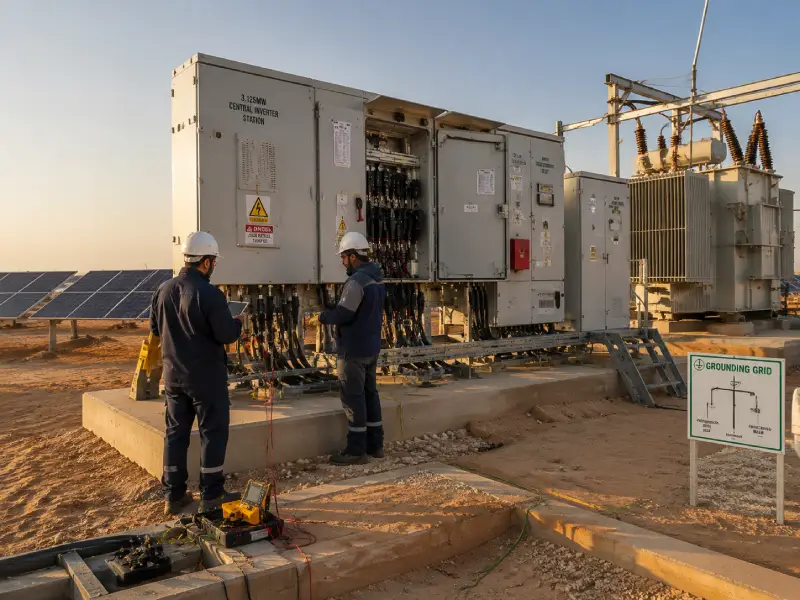
MPPT Design and String Flexibility
Maximum Power Point Tracking (MPPT) technology plays a crucial role in maximizing solar energy harvest. The number of MPPT channels and their design flexibility can significantly affect project economics.
Modern solar projects often face challenges such as:
- Complex roof geometries
- Partial shading conditions
- Mixed module orientations
- Uneven terrain
- Different string lengths
In these scenarios, additional MPPT channels provide greater design flexibility and help minimize mismatch losses.
When evaluating a solar inverter manufacturer, consider:
- Number of MPPT trackers
- Maximum string inputs
- Input voltage range
- Current handling capability
- Compatibility with high-power PV modules
As module wattages continue increasing, inverter current ratings become increasingly important. Suppliers unable to support next-generation module technologies may create future compatibility limitations.
Battery Compatibility and Energy Storage Readiness
Energy storage deployment continues to accelerate across residential, commercial, and utility-scale markets. Even projects that do not currently include batteries may require storage integration in the future.
Consequently, many procurement teams now prioritize battery-ready architectures when selecting a commercial solar inverter supplier.
Important evaluation factors include:
- Hybrid inverter availability
- Battery communication protocols
- Supported battery brands
- Energy management system integration
- Future firmware upgrade capability
- Microgrid compatibility
Forward-thinking buyers increasingly view storage readiness as a strategic investment rather than an optional feature.
Projects designed with future flexibility often enjoy lower upgrade costs and stronger long-term asset value.
Grid Compliance and Utility Requirements
Grid regulations continue evolving worldwide. Utilities increasingly require advanced inverter functionality to maintain grid stability as renewable penetration grows.
Procurement teams should verify whether inverter suppliers support:
- Anti-islanding protection
- Reactive power control
- Volt-var functionality
- Frequency response support
- Low-voltage ride-through capability
- Remote curtailment functions
Failure to meet utility requirements can delay approvals, increase project costs, and create commissioning challenges.
Experienced EPC firms often request compliance reports and testing documentation early in the procurement process to avoid unexpected obstacles during project execution.
Monitoring Platforms and Digital Infrastructure
The solar industry is rapidly becoming data-driven. Modern asset owners increasingly expect real-time visibility into system performance, fault detection, and energy production metrics.
Therefore, inverter monitoring capabilities have become a critical supplier selection criterion.
Evaluate whether suppliers offer:
- Cloud monitoring platforms
- Mobile applications
- Fleet management tools
- Remote firmware updates
- Performance analytics
- Alarm management systems
- API integration options
For distributors and EPC contractors managing multiple installations, advanced monitoring capabilities can significantly reduce operation and maintenance costs.
Manufacturing and Supply Chain Assessment: Looking Beyond Product Specifications
Technical specifications tell only part of the story. Even a highly capable inverter can become a procurement risk if the supplier lacks manufacturing discipline, quality control processes, or supply chain resilience.
Professional buyers therefore conduct supplier assessments that extend well beyond product datasheets.
Factory Ownership and Production Control
One of the first questions buyers should ask is whether the supplier owns and operates its manufacturing facilities.
Factory ownership typically provides greater control over:
- Quality management
- Production scheduling
- Process optimization
- Engineering changes
- Confidentiality protection
- Supply chain coordination
While outsourced manufacturing models can be effective in certain situations, buyers should clearly understand who controls production and how quality standards are enforced throughout the manufacturing process.
Quality Control Systems
Consistent quality requires systematic processes rather than occasional inspections.
Procurement teams should evaluate whether suppliers maintain structured quality control systems covering:
- Incoming material inspection
- Production process control
- Functional testing
- Burn-in testing
- Environmental stress testing
- Final inspection procedures
A mature quality management system demonstrates organizational commitment to reliability and continuous improvement.
When possible, buyers should request information regarding:
- Quality certifications
- Testing protocols
- Failure analysis procedures
- Corrective action processes
- Continuous improvement initiatives
Production Capacity and Scalability
As solar deployment expands globally, supplier scalability becomes increasingly important.
Questions procurement teams should ask include:
- What is the annual production capacity?
- Can capacity increase during demand surges?
- How are peak seasons managed?
- What inventory strategies are employed?
- What are typical lead times?
For EPC contractors managing multi-megawatt portfolios, production scalability can be as important as product performance.
A supplier that supports current demand but struggles to grow alongside its customers may create future bottlenecks.
Supply Chain Resilience
Recent global supply chain disruptions have highlighted the importance of procurement resilience.
Buyers should evaluate:
- Supplier diversification strategies
- Critical component sourcing
- Inventory management policies
- Logistics partnerships
- Business continuity planning
- Risk mitigation procedures
A resilient supply chain reduces vulnerability to external disruptions and improves delivery reliability during periods of market uncertainty.
Procurement Insight:
Many successful EPC organizations now evaluate supply chain resilience with the same level of importance traditionally assigned to pricing and technical performance.
Real Procurement Scenarios: What Different Buyers Actually Prioritize
Although technical specifications remain important, procurement priorities vary significantly depending on project type and business model. Understanding these differences helps organizations identify suppliers that align with their specific objectives.
Scenario 1: Utility-Scale Solar Project Developers
Utility-scale developers typically prioritize:
- Grid compliance capabilities
- Large-scale delivery capacity
- Long-term reliability
- Bankability considerations
- Strong warranty support
- Advanced monitoring infrastructure
Because utility-scale projects involve significant capital investment, supplier stability often becomes a key evaluation criterion.
Scenario 2: Commercial and Industrial EPC Contractors
Commercial EPC companies often focus on:
- Installation flexibility
- Hybrid system support
- Battery compatibility
- Rapid technical support
- Project delivery timelines
- Simplified commissioning processes
For these buyers, responsive engineering assistance frequently becomes a competitive advantage.
Scenario 3: Solar Distributors
Distributors generally evaluate suppliers through a different lens.
Key considerations often include:
- Product portfolio breadth
- Inventory availability
- Market competitiveness
- OEM opportunities
- Marketing support
- Training resources
- After-sales responsiveness
Since distributors represent products to installer networks, supplier reputation and service quality directly affect customer retention and sales growth.
Scenario 4: Energy Storage System Integrators
As battery deployments expand, ESS integrators increasingly prioritize:
- Hybrid inverter technologies
- Battery interoperability
- EMS compatibility
- Microgrid functionality
- Demand response integration
- Advanced communication capabilities
For these organizations, inverter selection directly influences overall system architecture and future upgrade pathways.
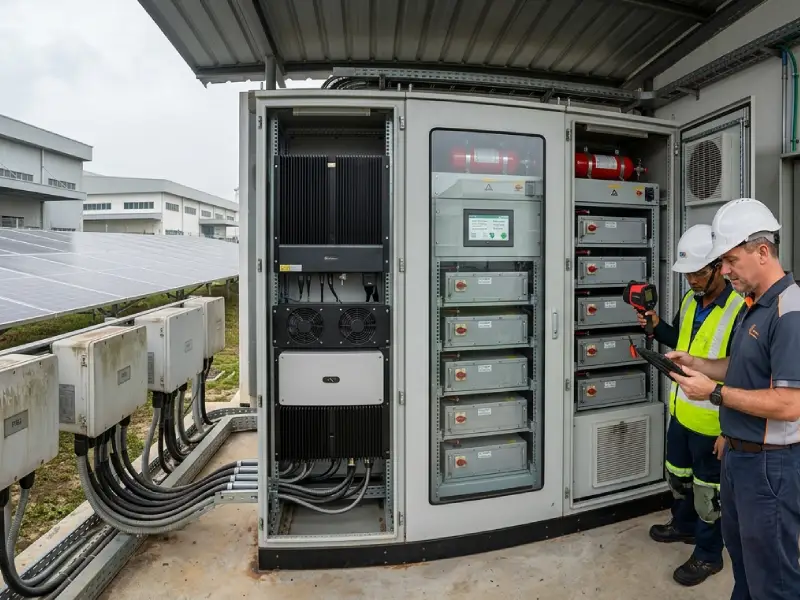
Key Trends Reshaping Solar Inverter Procurement in 2026
The inverter market continues evolving rapidly. Buyers who understand emerging industry trends are better positioned to make strategic procurement decisions that remain relevant for years to come.
The Shift Toward Hybrid Energy Architectures
Across global markets, solar and storage are becoming increasingly interconnected. Many commercial customers now evaluate solar projects alongside battery storage opportunities.
This trend is driving stronger demand for hybrid inverter platforms capable of supporting future storage expansion.
As a result, buyers increasingly favor suppliers offering flexible energy ecosystems rather than standalone inverter products.
Stricter Grid Compliance Requirements
As renewable penetration rises, utilities are implementing more sophisticated grid management requirements.
Future-ready inverter suppliers must continuously update products to support evolving compliance standards across multiple markets.
Organizations that ignore regulatory trends risk selecting technologies that may require costly upgrades in the future.
Digitalization and Predictive Maintenance
Data analytics, artificial intelligence, and predictive maintenance technologies are becoming increasingly important within the solar sector.
Advanced monitoring platforms now enable operators to:
- Detect faults earlier
- Reduce downtime
- Improve maintenance efficiency
- Optimize energy production
- Enhance asset management
Consequently, software capabilities are becoming nearly as important as hardware performance during supplier evaluations.
Growing Demand for Long-Term Strategic Partnerships
Perhaps the most significant procurement trend is the shift away from purely transactional purchasing relationships.
Leading EPC contractors, distributors, and energy developers increasingly seek long-term supplier partnerships that provide:
- Technical collaboration
- Supply chain stability
- Product roadmap visibility
- Priority support access
- Strategic growth opportunities
Rather than evaluating suppliers solely on price, successful organizations now prioritize overall partnership value.
This approach helps reduce procurement risks while creating stronger foundations for sustainable business growth.
Questions Our Engineering Team Recommends Asking Every Solar Inverter Supplier
By the time procurement teams reach the final supplier qualification stage, technical specifications, pricing proposals, certifications, and delivery schedules have usually been reviewed. However, experienced EPC contractors know that the most valuable insights often come from the questions suppliers struggle to answer rather than the information they willingly provide.
The following engineering-focused questions can help buyers uncover hidden risks, assess supplier maturity, and evaluate long-term partnership potential.
These questions are particularly useful during supplier audits, technical meetings, factory visits, and final procurement negotiations.
What Is Your Historical Field Failure Rate?
Every electronic product experiences failures. The real question is whether the supplier actively measures, analyzes, and continuously improves reliability performance.
Rather than asking whether failures occur, buyers should ask:
- How is field failure rate measured?
- How frequently is reliability data reviewed?
- What are the primary causes of failures?
- What corrective actions have been implemented?
- How are reliability improvements validated?
Suppliers with mature engineering organizations typically provide structured responses supported by documented quality systems.
How Do You Handle Firmware Updates?
Modern inverters are increasingly software-driven products.
Firmware updates may address:
- Grid code changes
- Cybersecurity enhancements
- Battery compatibility improvements
- Monitoring platform upgrades
- Performance optimization
Buyers should understand whether updates can be deployed remotely, how compatibility is verified, and what support mechanisms exist during implementation.
A supplier with a clear firmware management strategy demonstrates long-term product stewardship rather than a purely transactional sales approach.
What Testing Is Performed Before Shipment?
Comprehensive testing procedures are essential indicators of manufacturing discipline.
Questions may include:
- Is every inverter functionally tested?
- Are burn-in tests conducted?
- What environmental testing is performed?
- How are failed units analyzed?
- How is traceability maintained?
Robust testing programs help identify potential defects before products reach project sites, reducing warranty claims and commissioning delays.
Can You Provide Grid Compliance Documentation?
Compliance requirements continue evolving across international markets.
Procurement teams should verify:
- Available certification reports
- Grid code compliance records
- Third-party testing documentation
- Country-specific approvals
- Upcoming certification roadmaps
This documentation often becomes critical during project approvals and utility inspections.
How Quickly Can Replacement Units Be Delivered?
Warranty duration alone does not determine service quality.
Project owners care about restoring system operation as quickly as possible.
Therefore, buyers should understand:
- Spare parts inventory policies
- Regional warehouse availability
- Replacement lead times
- Escalation procedures
- Emergency support capabilities
Fast replacement capabilities often differentiate premium suppliers from low-cost competitors.
Expert Tip:
During supplier qualification, ask for examples of actual warranty response workflows rather than relying solely on warranty policy documents. Operational execution often reveals more than contractual language.
Solar Inverter Supplier Self-Assessment Checklist
Many procurement teams rely on subjective impressions when evaluating suppliers. A structured assessment checklist introduces consistency, transparency, and accountability into the decision-making process.
The following checklist can be adapted to internal procurement procedures and supplier qualification programs.
Technical Assessment
☐ Product specifications verified
☐ MPPT design reviewed
☐ Battery compatibility confirmed
☐ Monitoring platform evaluated
☐ Grid compliance documentation verified
☐ Firmware update strategy reviewed
Manufacturing Assessment
☐ Factory ownership confirmed
☐ Production capacity evaluated
☐ Quality management system reviewed
☐ Testing procedures documented
☐ Traceability processes verified
Supply Chain Assessment
☐ Lead times validated
☐ Inventory strategy reviewed
☐ Component sourcing assessed
☐ Business continuity plans examined
Commercial Assessment
☐ Warranty terms reviewed
☐ Service agreements verified
☐ Payment terms evaluated
☐ Logistics support assessed
☐ Long-term partnership potential discussed
Organizations that consistently apply structured qualification processes often experience fewer procurement surprises, stronger supplier relationships, and more predictable project outcomes.
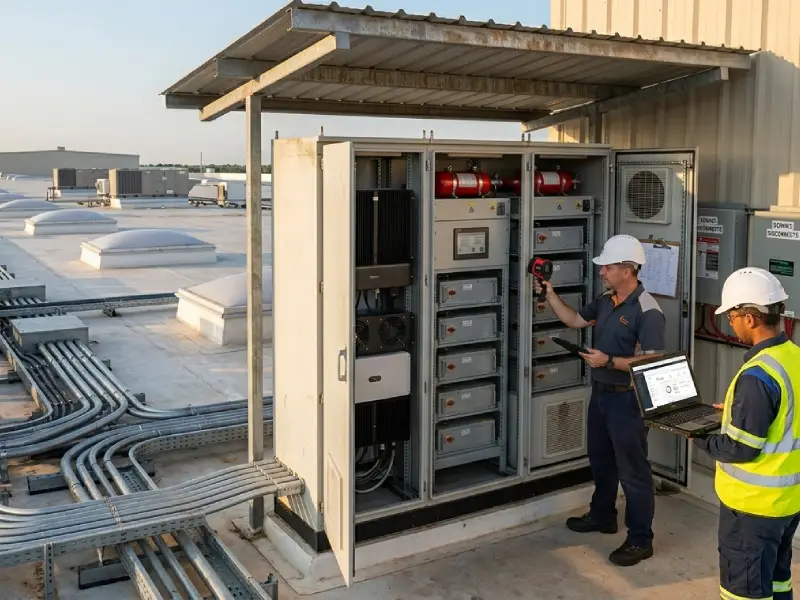
What to Look for in a Long-Term Solar Inverter Partner
The renewable energy industry is evolving rapidly. New technologies, changing regulations, expanding energy storage adoption, and increasing customer expectations require suppliers capable of supporting long-term growth.
Consequently, procurement leaders are increasingly shifting their focus from individual transactions to strategic partnerships.
A true long-term inverter partner contributes value beyond product delivery.
Engineering-Driven Product Development
Technology roadmaps matter.
As projects become more sophisticated, EPC contractors and distributors benefit from suppliers that continually invest in:
- Product innovation
- Storage integration
- Grid support functionality
- Digital monitoring platforms
- Cybersecurity enhancements
- Future compliance requirements
Engineering-focused suppliers are generally better positioned to support evolving customer requirements.
International Market Understanding
Global solar markets vary significantly in regulatory requirements, environmental conditions, customer expectations, and project structures.
Suppliers with international experience often provide valuable support regarding:
- Certification requirements
- Documentation standards
- Installation best practices
- Logistics planning
- Market-specific compliance issues
This expertise can help reduce project risks and accelerate market expansion.
Flexible OEM and ODM Support
For distributors seeking brand differentiation, OEM and ODM capabilities may become important strategic considerations.
Potential value includes:
- Private-label opportunities
- Customized product configurations
- Localized branding
- Market-specific features
- Improved customer loyalty
OEM partnerships can help distributors build stronger market positioning while reducing direct product competition.
Responsive Technical Assistance
In many cases, technical support quality becomes more important than initial product pricing.
Reliable partners typically provide:
- Pre-sales engineering support
- System design guidance
- Commissioning assistance
- Remote diagnostics
- Training programs
- Warranty support
These capabilities help reduce project risks while improving customer satisfaction.
How SolarDyna Supports EPC Contractors, Distributors, and Energy Developers
As procurement standards continue rising across the renewable energy industry, buyers increasingly seek suppliers capable of delivering both technical excellence and long-term partnership value.
SolarDyna’s approach is built around the practical requirements of EPC contractors, distributors, commercial project developers, and energy storage integrators.
Comprehensive Product Portfolio
Different projects require different technical solutions.
SolarDyna supports a broad range of application scenarios through inverter solutions designed for:
- Residential solar installations
- Commercial and industrial systems
- Hybrid energy systems
- Off-grid applications
- Energy storage integration projects
This flexibility helps customers simplify procurement processes while maintaining technology consistency across multiple project types.
Quality-Focused Manufacturing Philosophy
Long-term reliability begins with manufacturing discipline.
Professional buyers increasingly evaluate production systems, quality controls, and testing procedures when selecting suppliers.
A quality-focused approach supports:
- Consistent product performance
- Lower warranty risks
- Improved project reliability
- Higher customer satisfaction
Technical Collaboration Throughout the Project Lifecycle
Successful projects often depend on effective collaboration between equipment suppliers and project teams.
From solution design through commissioning and ongoing operation, technical communication can significantly influence project outcomes.
For EPC contractors and distributors, access to knowledgeable engineering support can reduce uncertainty and improve execution efficiency.
Support for Long-Term Business Growth
Many procurement decisions extend beyond a single project.
Organizations seeking sustainable growth often prioritize supplier relationships capable of supporting:
- Market expansion
- Portfolio diversification
- Storage integration strategies
- OEM development programs
- Long-term procurement planning
By focusing on partnership value rather than short-term transactions, businesses can build stronger and more resilient supply chains.
Ready to Evaluate Your Next Solar Inverter Supplier?
Whether you are sourcing inverters for a commercial rooftop project, utility-scale solar development, energy storage deployment, or distribution business, selecting the right supplier is one of the most important decisions you will make.
Talk with the SolarDyna team to discuss project requirements, technical specifications, OEM opportunities, and long-term partnership options.
Final Thoughts: Building a Reliable Solar Supply Chain Starts with the Right Supplier
Choosing a solar inverter supplier is no longer a simple purchasing decision.
For EPC contractors, project developers, distributors, and energy storage integrators, supplier selection directly influences project performance, operational efficiency, customer satisfaction, and long-term business growth.
While pricing remains an important consideration, the most successful organizations evaluate suppliers through a broader strategic lens that includes engineering expertise, manufacturing capability, supply chain resilience, technical support quality, compliance readiness, and future technology alignment.
Organizations that invest time in structured supplier evaluation processes often reduce project risks, strengthen customer relationships, and achieve more sustainable growth outcomes.
Ultimately, the strongest procurement decisions are rarely based on finding the cheapest inverter. They are based on identifying the supplier most capable of supporting long-term business success.
Frequently Asked Questions About Solar Inverter Suppliers
Q1. How do EPC contractors evaluate solar inverter suppliers for utility-scale projects?
Most EPC contractors assess suppliers across multiple criteria including technical performance, certification compliance, manufacturing capacity, warranty support, delivery reliability, and long-term financial stability. Structured evaluation matrices are commonly used to support objective decision-making.
Q2. What certifications should a solar inverter supplier provide?
Certification requirements vary by market. Common requirements may include IEC standards, CE certification, UL certification, TÜV testing, and local grid-compliance approvals. Buyers should verify requirements based on project location.
Q3. Why is supply chain stability important when selecting an inverter supplier?
Supply chain disruptions can delay project delivery, increase costs, and affect customer satisfaction. Suppliers with strong inventory management, diversified sourcing strategies, and scalable production capabilities generally offer lower procurement risks.
Q4. What should distributors look for in an OEM inverter supplier?
Distributors should evaluate branding flexibility, product quality, engineering support, certification coverage, inventory availability, and long-term product roadmap alignment.
Q5. How important is battery compatibility when choosing an inverter?
As energy storage adoption grows, battery compatibility is becoming increasingly important. Selecting battery-ready inverter platforms may reduce future upgrade costs and improve long-term system flexibility.
Q6. What questions should buyers ask during a supplier audit?
Buyers should review manufacturing processes, testing procedures, quality control systems, supply chain strategies, warranty workflows, engineering resources, and certification documentation.
Q7. How can businesses reduce procurement risks when sourcing solar inverters?
Risk reduction strategies include conducting supplier audits, using structured evaluation matrices, reviewing certifications, assessing technical support capabilities, and verifying manufacturing capacity before placing orders.
Q8. What differentiates a long-term inverter partner from a transactional supplier?
Long-term partners provide ongoing technical support, product innovation, supply chain stability, engineering collaboration, and strategic alignment that extends beyond individual equipment purchases.
Looking for a Reliable Solar Inverter Supplier for Your Next Project?
Choosing the right solar inverter supplier involves more than comparing prices. Successful EPC contractors and distributors evaluate technical capabilities, certification compliance, manufacturing reliability, and long-term support before making procurement decisions.
✔ Hybrid, on-grid, and energy storage-ready inverter solutions
✔ OEM/ODM support for distributors and private-label programs
✔ Engineering assistance for grid compliance and system design
✔ Stable manufacturing capacity and long-term supply chain support
Discuss your project requirements with our engineering team and receive tailored inverter recommendations