As global electricity demand continues to grow and nations accelerate their transition toward low-carbon energy systems, renewable energy sources such as solar and wind have become the fastest-growing forms of power generation. However, renewable generation alone cannot guarantee a reliable electricity supply. This is where a renewable energy storage system becomes essential.
A modern renewable energy storage system enables excess renewable electricity to be captured, stored, and dispatched when needed, helping utilities, commercial facilities, and grid operators balance supply and demand more effectively. For EPC contractors, project developers, distributors, and energy investors, energy storage is no longer an optional add-on—it is becoming a critical component of successful renewable energy projects.
As renewable penetration increases worldwide, challenges such as intermittency, grid congestion, voltage instability, and renewable energy curtailment are becoming more common. Battery Energy Storage Systems (BESS) have emerged as one of the most effective solutions for overcoming these challenges while maximizing the value of renewable energy assets.
This article explores how energy storage supports renewable integration, the engineering principles behind modern storage systems, and why properly designed ESS solutions are becoming indispensable for utility-scale, commercial, and industrial renewable energy projects.
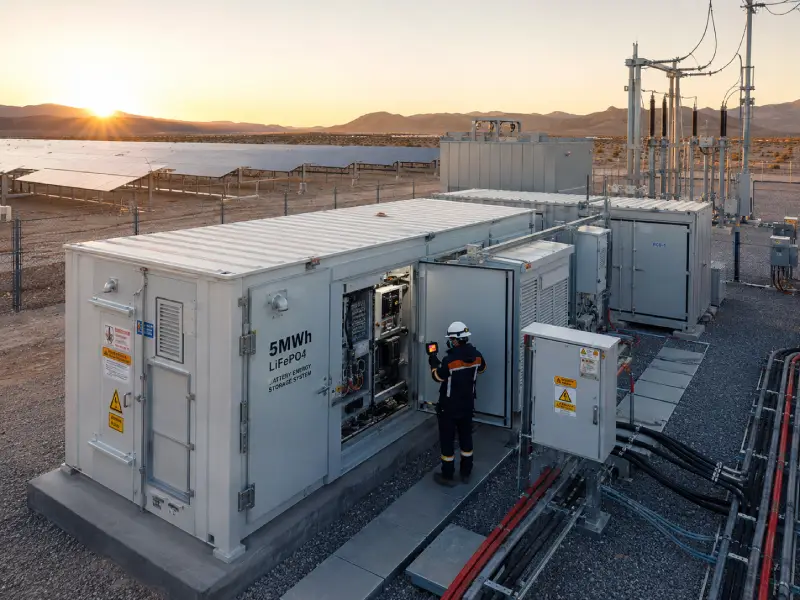
The Growing Renewable Integration Challenge Worldwide
Renewable energy deployment has expanded dramatically over the last decade. Governments, utilities, and corporations are investing heavily in solar photovoltaic (PV) systems and wind farms to reduce carbon emissions and improve energy security.
While this transition offers significant environmental and economic benefits, it also introduces new technical challenges for power systems that were originally designed around predictable fossil-fuel generation.
Renewable Penetration Is Reaching Critical Levels
Historically, power grids relied on centralized generation assets such as coal, gas, nuclear, and hydroelectric plants. These facilities could be dispatched according to electricity demand, providing operators with a high degree of control over generation output.
Renewable energy behaves differently.
Solar generation depends on sunlight availability, while wind power depends on weather conditions. Neither source can be dispatched on demand without energy storage support.
As renewable generation grows, utilities increasingly encounter periods where electricity production exceeds demand during certain hours and falls short during others.
This imbalance creates operational challenges including:
- Overgeneration during peak solar production hours
- Insufficient power during evening demand peaks
- Increased frequency fluctuations
- Voltage instability
- Transmission congestion
- Renewable energy curtailment
Without effective storage infrastructure, a significant portion of renewable energy may be wasted even when generation capacity is available.
Understanding the Duck Curve Problem
One of the most widely recognized examples of renewable integration challenges is the “Duck Curve.”
The Duck Curve describes the mismatch between daytime solar generation and evening electricity demand. During sunny afternoons, solar power production can exceed grid requirements, causing electricity prices to decline and forcing utilities to curtail renewable generation.
As the sun sets, electricity demand often rises rapidly while solar generation disappears almost entirely. Grid operators must then ramp conventional generation sources at an extremely fast rate to maintain reliability.
This situation creates:
- Higher operational costs
- Increased stress on generation assets
- Greater reliance on fossil-fuel peaker plants
- Reduced renewable energy utilization
Battery storage systems provide a practical solution by storing excess solar production during the day and discharging electricity during evening demand peaks.
Why Grid Operators Are Investing in Battery Energy Storage Systems
Utilities worldwide increasingly view battery storage as a strategic infrastructure investment rather than simply a backup power solution.
Modern battery energy storage systems can respond within milliseconds, providing capabilities that traditional generation assets cannot match.
Key applications include:
- Frequency regulation
- Voltage support
- Renewable energy firming
- Peak demand management
- Energy arbitrage
- Black start capability
- Grid resilience enhancement
As renewable penetration continues to increase, energy storage is becoming one of the most important technologies enabling the next phase of grid modernization.
What Is a Renewable Energy Storage System?
A renewable energy storage system is a technology platform designed to capture electricity generated from renewable sources and store it for future use.
Instead of forcing renewable electricity to be consumed immediately after generation, storage systems create flexibility by allowing energy to be dispatched whenever demand exists.
For project developers and EPC contractors, storage systems serve as the bridge between intermittent renewable generation and stable electricity delivery.
Core Components of a Modern Renewable Energy Storage System
Although system designs vary by project size and application, most commercial and utility-scale storage systems contain several essential components.
Battery Packs
Battery packs serve as the primary energy storage medium.
Today, lithium iron phosphate (LiFePO4) chemistry has become the dominant technology for many commercial and utility-scale applications due to its combination of safety, longevity, and thermal stability.
Battery packs are organized into modules, racks, and containerized systems depending on project requirements.
Battery Management System (BMS)
The Battery Management System continuously monitors battery health and performance.
Its responsibilities include:
- Cell voltage monitoring
- Temperature management
- State-of-charge calculation
- Cell balancing
- Fault detection
- Safety protection
A robust BMS is essential for maintaining battery safety and maximizing service life.
Power Conversion System (PCS)
Renewable generation and battery storage operate using direct current (DC), while most power grids use alternating current (AC).
The PCS manages bidirectional energy conversion between AC and DC, enabling charging and discharging operations while maintaining power quality requirements.
Energy Management System (EMS)
The EMS acts as the intelligence layer of the entire storage solution.
It determines:
- When batteries should charge
- When batteries should discharge
- How much power should be delivered
- How the storage system interacts with renewable assets and grid infrastructure
For large-scale projects, EMS software can significantly influence overall project economics.
Thermal Management System
Battery performance is highly sensitive to operating temperature.
Thermal management systems maintain safe operating conditions while minimizing performance degradation.
Depending on project scale and climate conditions, thermal management may include:
- Forced air cooling
- Liquid cooling
- HVAC systems
- Intelligent temperature control algorithms
Why LiFePO4 Batteries Dominate Modern Energy Storage Projects
Battery chemistry selection is one of the most important decisions in energy storage system design.
While multiple battery technologies exist, LiFePO4 batteries have become the preferred choice for many renewable energy integration projects.
Enhanced Safety Performance
Safety remains a top priority for EPC contractors, project developers, and asset owners.
Compared with some alternative lithium-ion chemistries, LiFePO4 batteries offer superior thermal stability and a lower risk of thermal runaway events.
This characteristic makes them particularly attractive for commercial and utility-scale deployments where safety compliance is critical.
Long Cycle Life
Energy storage projects are long-term infrastructure investments.
LiFePO4 batteries typically provide significantly more charge-discharge cycles than many conventional battery technologies, helping reduce lifecycle costs over the lifespan of the project.
For investors and facility owners, longer battery life translates directly into improved return on investment.
High Operational Efficiency
Round-trip efficiency is another important performance metric.
Modern lithium battery systems can achieve high energy conversion efficiencies, allowing project owners to maximize the usable energy delivered from renewable generation assets.
Low Maintenance Requirements
Commercial and utility-scale energy projects require technologies that minimize maintenance costs and operational complexity.
LiFePO4 batteries generally require less routine maintenance than many traditional energy storage technologies, helping reduce operating expenses over time.
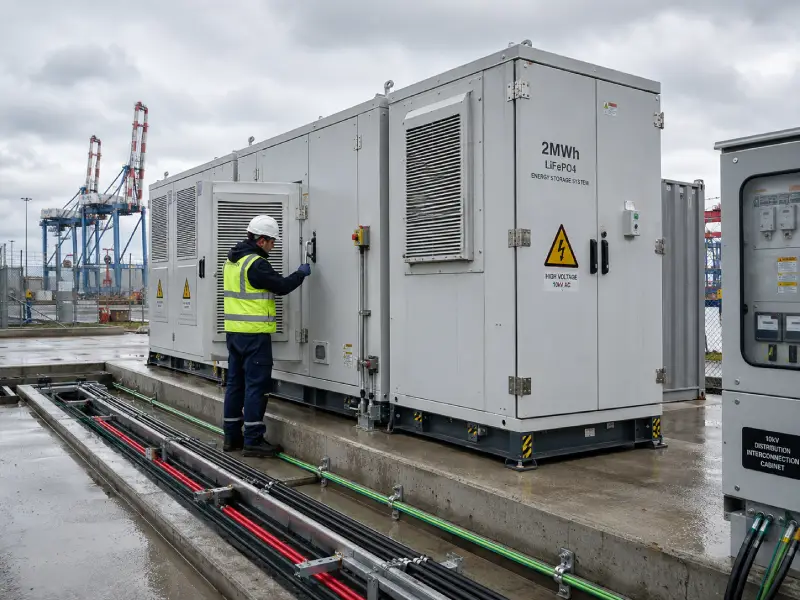
The Four Critical Functions of Energy Storage in Renewable Integration
To understand the true value of storage systems, it is important to examine the specific engineering functions they perform within renewable energy projects.
Modern storage systems do far more than simply store electricity. They actively optimize renewable generation, improve grid reliability, and increase project profitability.
1. Energy Time-Shifting
Time-shifting is one of the most fundamental functions of a renewable energy storage system.
Renewable energy generation and electricity consumption rarely occur at the same time.
Solar facilities typically produce maximum output during midday hours. However, electricity demand often peaks in the late afternoon and evening.
Energy storage bridges this gap by storing surplus renewable generation and releasing it when demand increases.
Benefits include:
- Reduced renewable curtailment
- Improved renewable utilization rates
- Enhanced project economics
- Reduced dependence on fossil-fuel generation
2. Capacity Firming: Turning Variable Renewable Power into Predictable Energy
One of the biggest challenges facing renewable project developers is the inherent variability of solar and wind generation. While renewable assets can produce large amounts of clean electricity, their output is often influenced by weather conditions that are difficult to predict with complete accuracy.
Cloud cover can rapidly reduce solar production. Wind speed fluctuations can significantly impact wind farm output. These variations create uncertainty for utilities, grid operators, and commercial energy users.
This is where battery energy storage systems provide a critical function known as capacity firming.
Capacity firming refers to the process of smoothing renewable energy output to create a more stable and predictable power profile. Instead of delivering highly variable generation to the grid, renewable facilities supported by storage can provide energy according to predetermined schedules or contractual commitments.
For example, a solar farm may experience intermittent cloud cover that causes output fluctuations throughout the day. A properly configured storage system can instantly compensate for these variations by discharging stored energy whenever solar production drops.
The result is a much more stable energy delivery profile that resembles traditional dispatchable generation.
Benefits of capacity firming include:
- Improved renewable energy reliability
- Reduced grid disturbances
- Better forecasting accuracy
- Enhanced power purchase agreement (PPA) compliance
- Higher renewable asset value
- Greater investor confidence
For utility-scale projects, capacity firming is increasingly becoming a requirement rather than an option, particularly in regions with high renewable penetration.
3. Grid Services and Ancillary Market Participation
Modern battery systems are capable of providing far more than energy storage. They also deliver valuable grid support services that improve overall power system performance.
These services, commonly referred to as ancillary services, help maintain grid stability and reliability.
Unlike conventional power plants, battery systems can respond within milliseconds, making them highly effective for managing dynamic grid conditions.
Frequency Regulation
Grid frequency must remain within a narrow operating range to ensure system stability.
Even small imbalances between generation and consumption can cause frequency deviations.
Battery storage systems can rapidly inject or absorb power to help stabilize frequency, often outperforming traditional thermal generation resources.
Voltage Support
Voltage fluctuations can negatively impact equipment performance and power quality.
Through advanced inverter technology and power conversion systems, storage installations can provide reactive power support and voltage regulation.
Spinning Reserve Replacement
Historically, utilities maintained spinning reserve capacity from fossil-fuel generators to respond to unexpected demand changes or generation outages.
Battery systems increasingly serve this role with faster response times and lower operating costs.
Black Start Capability
In the event of a major grid outage, certain battery storage systems can help restore power system operations without requiring external electricity sources.
This capability is becoming increasingly important as utilities strengthen grid resilience strategies.
For project owners, ancillary service participation may also create additional revenue opportunities depending on local electricity market structures.
4. Backup Power and Energy Resilience
While renewable integration is often the primary driver for storage deployment, resilience remains a major consideration for many commercial and industrial users.
Unexpected outages can result in substantial financial losses, production interruptions, equipment damage, and safety concerns.
Battery energy storage systems provide an effective solution by supplying backup power during grid disturbances.
Applications include:
- Manufacturing facilities
- Data centers
- Hospitals
- Telecommunications infrastructure
- Logistics centers
- Water treatment facilities
Unlike traditional diesel generators, battery storage systems provide instantaneous backup power with no startup delay, reduced maintenance requirements, and zero onsite fuel consumption.
As climate-related disruptions become more frequent, resilience has become an increasingly important factor in renewable energy project planning.
Real-World Renewable Energy Storage Applications
Understanding the engineering functions of storage is important, but decision-makers often gain greater insight by examining how these systems are deployed in real-world applications.
The following examples represent common renewable integration scenarios encountered by EPC contractors, utilities, and commercial energy users.
Utility-Scale Solar Farms with Battery Energy Storage
Utility-scale solar projects represent one of the fastest-growing applications for battery storage worldwide.
Large solar installations often experience periods where generation exceeds grid demand or transmission capacity.
Without storage, this excess energy may be curtailed, reducing overall project revenue and lowering renewable energy utilization rates.
By integrating battery storage, project operators can:
- Store excess midday generation
- Shift energy to evening peak periods
- Reduce curtailment losses
- Improve grid compliance
- Increase project profitability
For example, many modern utility-scale projects now combine solar generation with four-hour battery storage systems to provide dispatchable renewable energy during periods of peak electricity demand.
This approach enables renewable assets to compete more effectively with conventional generation resources.
Commercial and Industrial Solar + Storage Projects
Commercial and industrial (C&I) facilities face a different set of challenges.
In many markets, electricity bills are influenced not only by energy consumption but also by peak demand charges.
Battery storage systems help reduce these costs by supplying stored energy during high-demand periods.
Common applications include:
- Manufacturing plants
- Industrial parks
- Warehouses
- Cold storage facilities
- Commercial campuses
- Large retail complexes
A solar-plus-storage system allows businesses to increase renewable self-consumption while reducing exposure to utility peak demand charges.
Additional benefits may include:
- Backup power capability
- Improved energy independence
- Enhanced sustainability performance
- Lower long-term operating costs
Wind Farm Integration Projects
Wind energy projects can also benefit significantly from battery storage deployment.
Wind generation often experiences rapid output changes caused by variations in wind speed.
These fluctuations can create challenges for grid operators and reduce the predictability of renewable energy delivery.
Battery storage systems help mitigate these issues through:
- Ramp-rate control
- Output smoothing
- Forecasting support
- Reserve capacity provision
- Frequency response services
As wind penetration increases globally, storage-supported wind projects are expected to play a larger role in maintaining grid stability.
Renewable-Powered Microgrids
Microgrids represent another important application for energy storage technologies.
A microgrid combines local generation, storage, and load management systems to create a self-sustaining energy network capable of operating independently from the main grid when necessary.
Battery storage serves as the operational backbone of most renewable-powered microgrids.
Applications include:
- Remote communities
- Mining operations
- Island power systems
- Military facilities
- Industrial campuses
- Critical infrastructure sites
By integrating solar generation, battery storage, and intelligent energy management systems, microgrids can significantly improve reliability while reducing dependence on fossil-fuel generation.
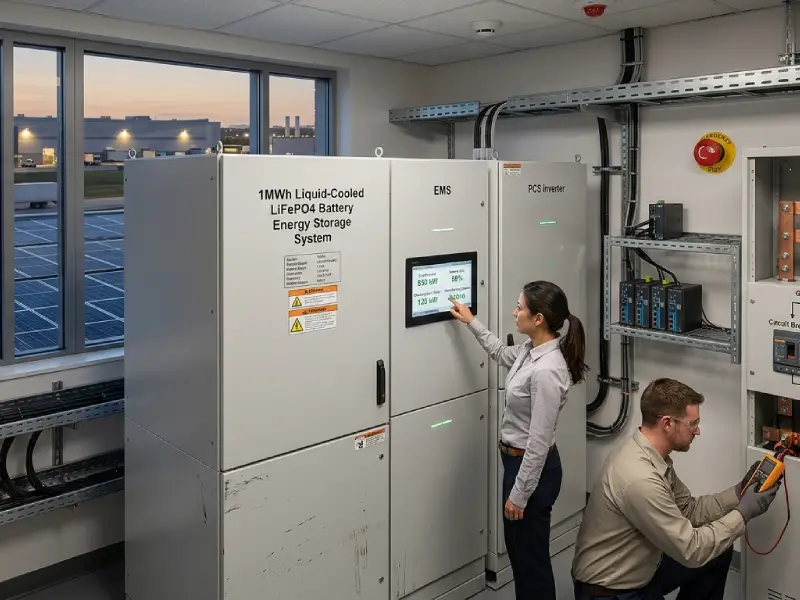
How to Size an Energy Storage System for Renewable Integration
One of the most common questions EPC contractors and project developers face is determining the appropriate storage capacity for a renewable energy project.
Oversizing a system can increase capital expenditures unnecessarily, while undersizing may limit operational benefits and reduce project returns.
Proper ESS sizing requires a comprehensive understanding of technical, operational, and financial objectives.
Key Design Factors That Influence ESS Sizing
Several variables must be evaluated before selecting a battery storage solution.
Renewable Generation Capacity
The size and production profile of the solar or wind asset significantly influence storage requirements.
Larger renewable installations generally require larger storage capacities to maximize energy utilization.
Load Profile Analysis
Understanding how and when electricity is consumed is critical.
Detailed load analysis helps engineers determine the duration and discharge requirements needed to achieve project objectives.
Utility Tariff Structure
Time-of-use pricing and demand charges can dramatically affect project economics.
Storage systems are often designed to optimize energy costs based on local tariff structures.
Backup Power Requirements
Facilities requiring resilience capabilities may need larger storage capacities than projects focused solely on renewable integration.
Grid Connection Constraints
Interconnection limitations frequently influence storage system design.
Battery systems may be used to manage export restrictions and reduce transmission bottlenecks.
Common Storage Duration Configurations
| Storage Duration | Typical Application |
|---|---|
| 1–2 Hours | Frequency regulation and grid services |
| 2–4 Hours | Commercial peak shaving and demand management |
| 4–6 Hours | Solar energy shifting and renewable integration |
| 6–8 Hours+ | Utility-scale renewable dispatch and resilience applications |
Why Oversizing and Undersizing Can Reduce ROI
A common misconception is that larger battery systems automatically produce better project outcomes.
In reality, storage economics depend on proper alignment between battery capacity, renewable generation, load characteristics, and market conditions.
Oversized systems may suffer from:
- Higher capital costs
- Lower utilization rates
- Longer payback periods
Undersized systems may experience:
- Missed revenue opportunities
- Limited peak shaving capability
- Reduced renewable utilization
- Lower resilience performance
This is why engineering-led system design is essential for maximizing long-term project value.
Need Help Sizing Your ESS Project?
Selecting the right battery capacity involves more than matching kWh values. Renewable generation profiles, load demand patterns, tariff structures, and future expansion plans must all be considered.
Consult SolarDyna’s engineering team for a customized renewable energy storage system design tailored to your project objectives.
Economic Benefits of Renewable Energy Storage Solutions
While technical performance is important, investment decisions are ultimately driven by project economics.
Fortunately, energy storage systems can generate value through multiple mechanisms simultaneously.
Increasing Renewable Energy Utilization
Without storage, excess renewable generation may be curtailed when production exceeds demand or transmission capacity.
Storage captures this otherwise wasted electricity and makes it available for future use.
Higher renewable utilization directly improves asset productivity and revenue generation potential.
Reducing Peak Demand Charges
For commercial and industrial facilities, peak demand charges often represent a significant portion of electricity expenses.
Battery storage can discharge during high-demand periods, reducing utility demand charges and lowering overall energy costs.
The economic impact can be particularly significant for energy-intensive industries.“`html
Creating Additional Revenue Streams
Beyond direct energy cost savings, many energy storage projects can generate additional revenue through participation in electricity markets and grid support programs.
As power systems become more dynamic and renewable penetration increases, grid operators increasingly rely on flexible resources capable of responding quickly to changing conditions.
Battery storage systems are particularly well suited for these applications because of their fast response times, high operational flexibility, and ability to both consume and deliver electricity.
Depending on local regulations and market structures, storage assets may be eligible to participate in:
- Frequency regulation programs
- Capacity markets
- Demand response programs
- Energy arbitrage opportunities
- Reserve power services
- Voltage support programs
For large commercial facilities, independent power producers, and renewable project developers, these revenue streams can significantly improve overall project economics and shorten investment payback periods.
As more electricity markets evolve to support flexible grid resources, the financial value of battery energy storage systems is expected to continue increasing.
Key Questions EPC Contractors Should Ask Before Selecting an ESS Supplier
Choosing an energy storage supplier is one of the most important decisions in any renewable energy project.
While battery capacity and pricing often receive the most attention during procurement, experienced EPC contractors understand that long-term project success depends on a much broader set of factors.
A renewable energy storage system is a complex engineering asset that must perform reliably for many years under varying environmental and operational conditions.
The following questions can help procurement teams evaluate suppliers more effectively.
Has the System Been Designed Specifically for Renewable Integration?
Not all storage systems are optimized for renewable energy applications.
Some solutions are primarily designed for backup power, while others are engineered for peak shaving, grid services, or utility-scale renewable integration.
Project stakeholders should verify:
- Supported operating strategies
- Renewable energy compatibility
- EMS functionality
- Grid interaction capabilities
- Dispatch flexibility
A storage system designed specifically for renewable integration will generally deliver better long-term performance than a generic battery solution.
What Safety Architecture Is Implemented?
Safety remains one of the most important considerations in battery storage deployment.
Procurement teams should evaluate safety measures at multiple levels.
Cell-Level Protection
- Cell chemistry selection
- Voltage monitoring
- Temperature monitoring
- Cell balancing
Pack-Level Protection
- Isolation mechanisms
- Overcurrent protection
- Thermal management systems
System-Level Protection
- Fire suppression systems
- Gas detection systems
- Emergency shutdown protocols
- Remote monitoring capabilities
Comprehensive safety architecture reduces operational risks and supports regulatory compliance.
What Is the Expected Lifecycle Cost?
Many procurement decisions focus heavily on initial capital expenditures.
However, the lowest purchase price does not necessarily deliver the lowest total cost of ownership.
Lifecycle cost analysis should consider:
- Battery degradation rates
- Round-trip efficiency
- Maintenance requirements
- Replacement schedules
- System availability
- Warranty coverage
A slightly higher upfront investment may produce significantly lower costs over the life of the project.
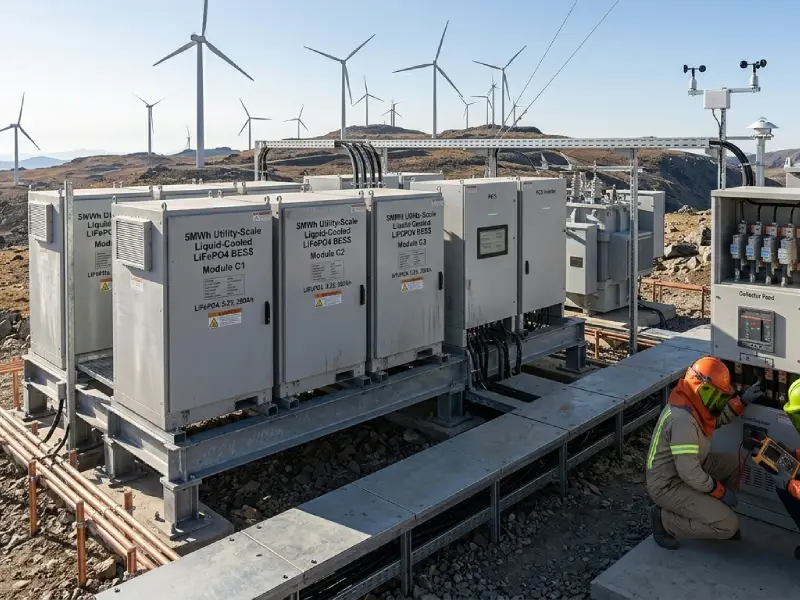
Can the Supplier Support Certification and Grid Compliance Requirements?
Commercial and utility-scale projects frequently require compliance with various international standards and local grid regulations.
Depending on the project location, certification requirements may include:
- IEC standards
- UL standards
- UN transportation certifications
- Grid interconnection requirements
- Utility-specific compliance standards
Working with suppliers that understand certification requirements can reduce project delays and simplify commissioning processes.
Does the Supplier Have Strong Engineering Support Capabilities?
The quality of engineering support often has a greater impact on project outcomes than hardware specifications alone.
Experienced suppliers can assist with:
- System sizing
- Site analysis
- Load profile evaluation
- Renewable generation modeling
- Commissioning support
- Operational optimization
For EPC contractors managing complex renewable projects, engineering expertise can significantly reduce implementation risks.
Engineering Considerations That Determine ESS Project Success
Many renewable energy projects focus heavily on battery capacity when evaluating storage systems.
While capacity is important, it is rarely the primary factor that determines long-term project success.
In practice, high-performing storage projects are typically the result of integrated engineering design rather than simply larger battery installations.
Expert Tip from SolarDyna Engineers
Many renewable energy projects fail to achieve their expected return on investment because storage systems are selected primarily based on battery capacity and purchase price.
In reality, long-term project performance is often determined by:
• EMS intelligence and control algorithms
• PCS efficiency under varying operating conditions
• Thermal management effectiveness
• Cell consistency and battery quality
• Integration engineering expertise
• System availability and uptime
• Operational flexibility for future market opportunities
A properly engineered 2 MWh system can often outperform a poorly integrated 3 MWh system over its operational lifetime.
The Importance of EMS Intelligence
The Energy Management System serves as the operational brain of the storage installation.
Advanced EMS platforms continuously analyze:
- Renewable generation forecasts
- Load demand patterns
- Electricity pricing signals
- Battery state-of-charge conditions
- Grid operating requirements
Intelligent dispatch decisions can significantly improve project economics without requiring additional battery capacity.
Thermal Management and Battery Longevity
Temperature control plays a critical role in battery performance and lifespan.
Excessive heat accelerates degradation, while extreme cold may reduce operational efficiency.
Well-designed thermal management systems help maintain optimal operating conditions, improving both safety and long-term reliability.
Scalability and Future Expansion
Energy storage projects are increasingly viewed as long-term infrastructure assets.
As electricity demand grows and market conditions evolve, project owners may wish to expand storage capacity or add new functionality.
Modular architectures can simplify future upgrades while reducing lifecycle investment risks.
Future Trends in Renewable Energy Storage
The renewable energy sector continues to evolve rapidly, and energy storage technologies are advancing alongside it.
Understanding emerging trends can help project developers and investors make more informed long-term decisions.
Hybrid Solar Plus Storage Is Becoming the New Standard
Historically, solar generation and battery storage were often deployed as separate assets.
Today, hybrid solar-plus-storage projects are becoming increasingly common.
This integrated approach enables:
- Improved renewable utilization
- Reduced curtailment
- Enhanced dispatchability
- Greater grid support capabilities
- Improved project economics
Many analysts expect solar-plus-storage configurations to become the preferred architecture for future utility-scale renewable projects.
AI-Driven Energy Management Systems
Artificial intelligence and machine learning technologies are beginning to transform energy management strategies.
Advanced EMS platforms can analyze large datasets to improve:
- Load forecasting
- Renewable production forecasting
- Battery dispatch optimization
- Maintenance planning
- Revenue optimization
As digitalization increases across the energy sector, intelligent control systems are expected to become a major source of competitive advantage.
Long-Duration Energy Storage Technologies
While lithium iron phosphate batteries currently dominate many commercial applications, alternative technologies are also being developed.
Examples include:
- Flow batteries
- Sodium-ion batteries
- Compressed air energy storage
- Hydrogen energy storage
- Thermal energy storage systems
Although these technologies may play important roles in the future, LiFePO4 battery systems currently remain the most mature, commercially proven, and widely deployed solution for many renewable integration applications.
Why SolarDyna Is a Reliable Partner for Renewable Energy Storage Projects
For EPC contractors, project developers, distributors, and commercial energy users, selecting the right technology partner is just as important as selecting the right equipment.
A successful renewable energy storage project requires a combination of reliable hardware, intelligent software, engineering expertise, and responsive technical support.
SolarDyna focuses on delivering integrated energy storage solutions designed to support real-world renewable energy applications.
Advanced LiFePO4 Battery Technology
SolarDyna utilizes high-performance lithium iron phosphate battery technology to provide:
- Enhanced safety
- Long service life
- Stable operating performance
- High energy efficiency
- Low maintenance requirements
Flexible ESS Solutions for Diverse Applications
Renewable energy projects vary significantly in scale and operating requirements.
SolarDyna supports a wide range of applications including:
- Commercial and industrial ESS projects
- Solar-plus-storage systems
- Microgrid deployments
- Utility-scale battery energy storage projects
- Backup power applications
- Peak shaving solutions
Engineering-Driven Project Support
Rather than focusing solely on hardware supply, SolarDyna emphasizes engineering collaboration throughout the project lifecycle.
Support services may include:
- Project consultation
- ESS sizing assistance
- System architecture recommendations
- Technical documentation support
- Commissioning guidance
- Operational optimization recommendations
This engineering-first approach helps reduce project risks while improving long-term performance outcomes.
Discuss Your Renewable Energy Storage Project with SolarDyna
Whether you are developing a utility-scale renewable energy facility, designing a commercial solar-plus-storage project, or evaluating energy storage opportunities for industrial operations, SolarDyna’s engineering team can help identify the most effective solution for your objectives.
Contact us to discuss system sizing, project requirements, technical specifications, and customized ESS solutions.
Conclusion
The global transition toward renewable energy is accelerating, but achieving a reliable and resilient clean energy future requires more than solar panels and wind turbines alone.
A modern renewable energy storage system plays a critical role in overcoming renewable intermittency, improving grid stability, enhancing energy resilience, and maximizing the value of renewable energy assets.
From utility-scale solar farms and wind projects to commercial facilities and microgrids, battery energy storage systems are becoming a foundational technology for renewable integration.
For EPC contractors, project developers, investors, and procurement managers, understanding how storage supports renewable energy is essential for making informed project decisions.
As energy markets continue to evolve, organizations that invest in well-designed storage solutions will be better positioned to improve reliability, reduce costs, increase renewable utilization, and create long-term competitive advantages.
The future of renewable energy is not simply about generating clean electricity—it is about delivering that energy when and where it is needed most. Energy storage makes that future possible.
Planning a Renewable Energy Storage Project?
Choosing the right renewable energy storage system is essential for maximizing renewable utilization, improving grid stability, and achieving long-term project profitability. SolarDyna provides customized commercial, industrial, and utility-scale battery energy storage solutions tailored to real-world renewable integration requirements.
✔ Commercial & Industrial ESS for peak shaving and backup power
✔ Engineering support for ESS sizing, EMS strategy, and grid compliance
✔ OEM / ODM manufacturing for EPC contractors and distributors
✔ Scalable LiFePO4 battery storage solutions with global certifications
Discuss your renewable integration goals with our engineers and receive a customized battery energy storage solution.
Frequently Asked Questions (FAQ)
Q1. What is a renewable energy storage system?
A renewable energy storage system stores electricity generated by renewable sources such as solar and wind power and releases it when demand requires. These systems improve grid stability, increase renewable utilization, and enhance energy reliability.
Q2. Why is energy storage important for renewable energy integration?
Renewable energy generation is inherently variable. Storage systems help balance supply and demand by storing excess electricity and delivering power during periods of low generation or high demand.
Q3. What battery technology is most commonly used in renewable energy storage projects?
Lithium iron phosphate (LiFePO4) batteries are currently among the most widely deployed technologies due to their safety, long cycle life, high efficiency, and strong commercial track record.
Q4. How do battery energy storage systems improve project economics?
Storage systems can reduce energy costs, minimize renewable curtailment, support peak shaving, provide backup power, and potentially generate revenue through participation in grid service programs.
Q5. How do I determine the right ESS size for my project?
ESS sizing depends on renewable generation profiles, load characteristics, utility tariffs, backup power requirements, and project objectives. Professional engineering analysis is recommended to optimize system performance and return on investment.