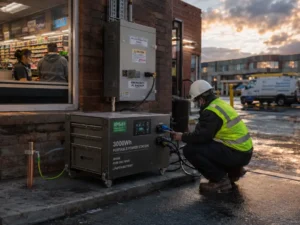
As the global demand for renewable energy storage continues to accelerate, solar battery certification has become one of the most important factors for EPC contractors, solar distributors, and energy storage procurement teams when selecting battery suppliers.
For commercial and industrial energy storage projects, choosing a battery system is no longer only about capacity, cycle life, or price. Certified battery solutions help ensure product safety, regulatory compliance, transportation reliability, and long-term project performance.
A reliable solar battery supplier should provide not only advanced LiFePO4 battery technology, but also complete documentation proving that the battery system meets required safety and market standards. For businesses building long-term supply chains, certification verification has become a key step in supplier evaluation.
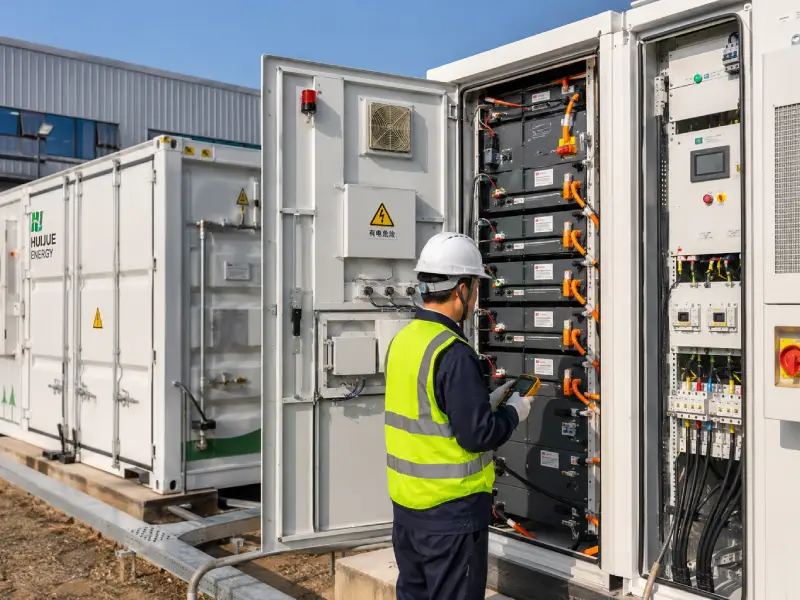
Why Solar Battery Certification Matters for ESS Procurement
Energy storage systems operate in complex environments where batteries must handle daily charging and discharging, temperature fluctuations, electrical loads, and long-term outdoor operation. Because batteries are the core energy storage component, their safety and reliability directly affect the success of a solar project.
For EPC companies and system integrators, battery certification is not simply a compliance document. It represents a structured evaluation of electrical safety, thermal performance, mechanical reliability, and manufacturing quality.
When selecting an energy storage battery supplier, professional buyers usually evaluate three key areas:
- Whether the battery meets regional market access requirements
- Whether testing standards match the actual application scenario
- Whether the manufacturer can provide complete technical documentation
Without proper certification, even a technically advanced battery product may face challenges during transportation, installation approval, project inspection, or customer acceptance.
For this reason, understanding lithium battery standards and energy storage compliance requirements has become essential for companies involved in solar deployment.
What Is Solar Battery Certification?
Solar battery certification refers to the process of verifying that a battery product or energy storage system has passed specific safety and performance tests defined by recognized industry standards.
These evaluations are designed to confirm that batteries can operate safely under expected conditions, including normal operation, abnormal situations, transportation, and environmental stress.
In practical B2B procurement, certification usually covers several levels:
- Battery cell certification: Validation of individual lithium battery cells used inside the battery pack.
- Battery module certification: Testing of assembled battery modules and internal protection systems.
- Battery system certification: Evaluation of complete energy storage systems including battery management systems (BMS), protection mechanisms, and enclosure design.
Understanding these differences is important because a certificate for a battery cell does not automatically mean the complete ESS battery system has passed the same level of evaluation.
For EPC contractors and technical buyers, certification documents should always match the exact battery model, configuration, and intended application.
Why EPC Contractors Should Verify Battery Certification Before Installation
In solar and energy storage projects, certification verification helps reduce technical and commercial risks. A battery system may need to satisfy different requirements depending on project location, installation environment, and customer expectations.
Before approving a battery supplier, EPC teams should check:
- Certification number and validity
- Battery model covered by the certificate
- Testing organization and report details
- Applicable market or region
- Consistency between certificate information and product specifications
This process prevents common procurement problems such as receiving documents that apply to different products or discovering compliance issues after shipment.
For international solar projects, certification readiness can directly influence delivery schedules, customs clearance, and project commissioning timelines.
Expert Tip: How Professional Buyers Evaluate Certification Documents
SolarDyna Insight: A certification certificate should always be evaluated together with product specifications, battery architecture, and application requirements. Professional buyers do not only ask whether a battery has certification; they confirm whether the certification matches the actual project conditions.
For example, an industrial ESS project may require different verification standards compared with a residential battery application. Selecting the correct certification path helps reduce unnecessary compliance risks and improves project reliability.
Key Benefits of Certified Solar Battery Solutions
Certified battery systems provide measurable advantages for companies operating in the renewable energy industry. They help suppliers, installers, and end users build confidence throughout the project lifecycle.
1. Improved Project Safety
Battery safety is one of the primary concerns in energy storage deployment. Testing standards evaluate risks related to overheating, electrical faults, mechanical stress, and abnormal operating conditions.
A certified LiFePO4 battery system typically includes safety-focused design considerations such as:
- Battery management system protection
- Temperature monitoring
- Overcharge and over-discharge protection
- Short-circuit protection
2. Easier Market Entry and Project Approval
Different countries and regions may have specific requirements for energy storage products. Meeting recognized battery safety standards helps manufacturers and distributors enter target markets more efficiently.
For distributors, certified products are easier to introduce to commercial customers because documentation can support technical reviews and purchasing decisions.
3. Lower Long-Term Operational Risk
In large-scale solar storage projects, battery replacement and maintenance can create significant operational costs. Reliable certification processes help ensure products have been evaluated for safety and durability before deployment.
For EPC contractors, this means fewer unexpected issues during installation and operation, which supports stronger customer relationships.
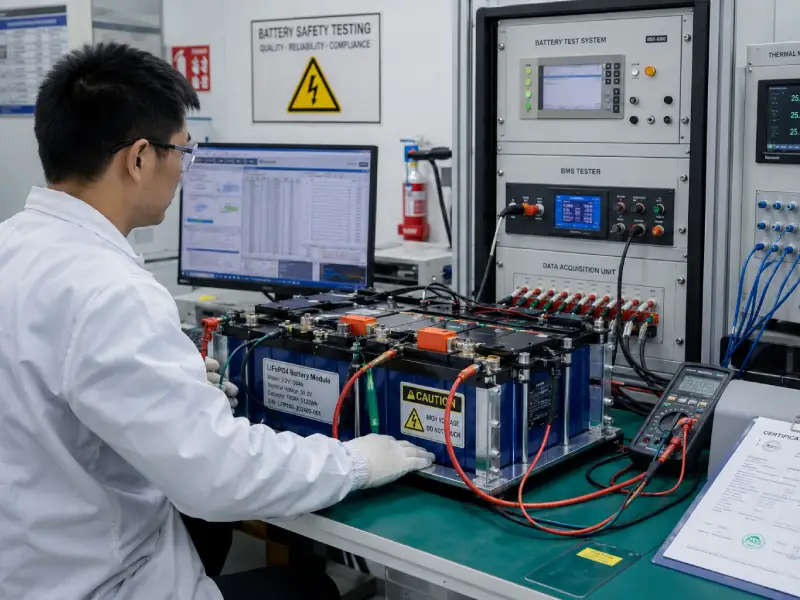
Solar Battery Certification as a Supplier Evaluation Standard
When choosing an energy storage partner, procurement teams should consider certification as part of a broader supplier assessment process.
A professional battery manufacturer should be able to provide:
- Complete certification documentation
- Technical datasheets
- Battery test reports
- Quality control information
- Engineering support
Certification alone does not define supplier capability. The strongest suppliers combine compliance knowledge, manufacturing experience, and technical support to help customers successfully complete projects.
For companies seeking stable long-term supply chains, the ideal partner is one that understands both battery technology and the practical requirements of solar installation projects.
Essential Lithium Battery Certifications for Solar Energy Storage Systems
For solar energy storage projects, understanding different lithium battery certification standards is essential for selecting a reliable battery solution. Different certifications evaluate different aspects of battery safety, performance, transportation requirements, and system reliability.
For EPC contractors and procurement managers, the goal is not to collect as many certificates as possible, but to confirm whether the certifications match the intended application, target market, and project requirements.
A professional energy storage supplier should clearly explain which standards apply to the battery system and provide supporting documentation for technical evaluation.
UN38.3 Certification: A Critical Requirement for Lithium Battery Transportation
UN38.3 is one of the most recognized safety testing requirements for lithium battery transportation. It evaluates whether lithium batteries can safely withstand different transportation conditions before they are shipped internationally.
For global solar projects, transportation safety is an important part of supply chain management. Battery products may experience vibration, temperature changes, pressure differences, and mechanical impacts during logistics operations.
UN38.3 testing helps verify that batteries can handle these potential challenges while reducing transportation risks.
What Does UN38.3 Testing Cover?
The testing process evaluates multiple environmental and mechanical conditions, including:
- Altitude simulation: Testing battery behavior under reduced pressure conditions.
- Thermal testing: Evaluating battery stability during temperature changes.
- Vibration testing: Simulating transportation vibration environments.
- Shock testing: Assessing battery resistance to mechanical impact.
- External short circuit testing: Evaluating electrical safety under abnormal conditions.
- Impact and overcharge testing: Checking protection capability during extreme situations.
For distributors and EPC contractors purchasing batteries internationally, UN38.3 documentation is often a basic requirement before shipment approval.
A supplier that cannot provide complete transportation safety documentation may create unnecessary logistics risks.
Why UN38.3 Matters for Solar Battery Buyers
Many energy storage projects involve cross-border supply chains. Battery modules may travel long distances before reaching the installation site.
Therefore, verifying UN38.3 compliance helps buyers confirm that the battery system has completed essential transportation safety evaluations.
IEC 62619 Certification: Industrial Battery Safety Standard for ESS Applications
IEC 62619 is one of the important international safety standards related to industrial lithium battery applications. It focuses on battery systems used in industrial environments, including stationary energy storage applications.
For commercial and industrial ESS projects, IEC 62619 certification provides additional confidence that battery systems have been evaluated for operational safety.
Why IEC 62619 Is Important for Energy Storage Projects
Industrial energy storage systems often operate under demanding conditions:
- Continuous charge and discharge cycles
- High energy density requirements
- Complex electrical integration
- Long-term outdoor or industrial operation
IEC 62619 focuses on safety considerations related to battery operation, including protection against abnormal conditions and potential hazards.
Key Areas Evaluated Under IEC 62619
- Battery system safety design
- Protection mechanisms
- Operational safety performance
- Response under abnormal conditions
For EPC companies, selecting IEC 62619-compliant batteries can support smoother technical reviews and improve confidence when integrating storage systems into solar projects.
Expert Tip: Match Certification Level With Application Scenario
SolarDyna Engineering Recommendation: Certification selection should always follow the actual use case. A battery designed for residential backup power may have different compliance requirements from a commercial ESS project supporting industrial loads.
Before purchasing, technical teams should confirm:
- Battery capacity range
- System voltage configuration
- Installation environment
- Required certification scope
IEC 62133 Certification: Battery Cell-Level Safety Verification
IEC 62133 is another widely recognized battery safety standard, especially related to rechargeable lithium battery cells and battery packs.
Unlike system-level evaluations, IEC 62133 focuses more on cell and battery pack safety characteristics.
Understanding Cell Certification vs System Certification
One common mistake during procurement is assuming that a certified battery cell automatically means the complete energy storage system has the same certification coverage.
In reality, an ESS battery system includes multiple components:
- Battery cells
- Battery modules
- Battery management system (BMS)
- Enclosure structure
- Protection components
Each part contributes to overall system safety. Therefore, buyers should verify whether certification information applies to the complete battery solution.
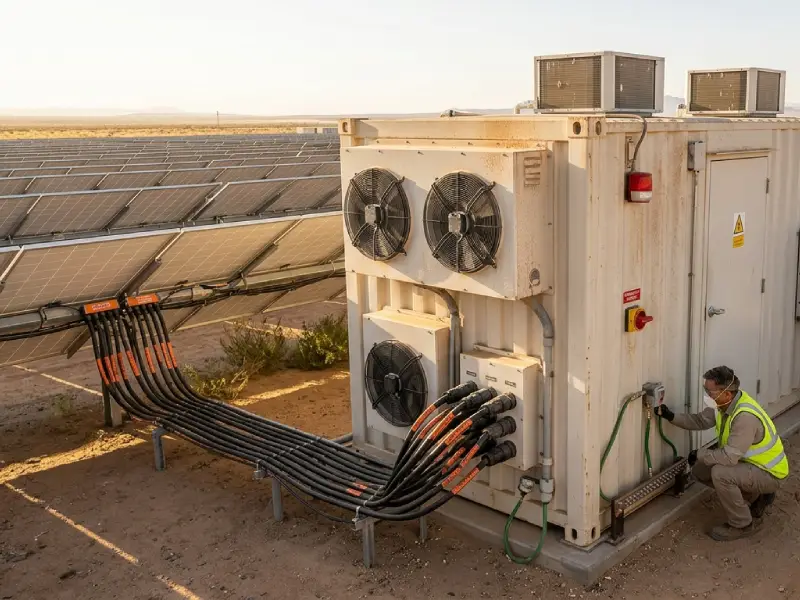
Why Technical Buyers Should Review Certification Scope
A complete supplier review should include:
- Exact product model
- Cell manufacturer information
- Testing scope
- Applicable standards
- Application limitations
This approach helps EPC contractors avoid compliance gaps during project execution.
UL Standards for Solar Battery Certification in North American Markets
For companies entering North American solar and energy storage markets, UL standards are often an important consideration during product selection.
These standards provide structured evaluation methods for battery safety, system performance, and energy storage applications.
UL 1973 Certification for Stationary Energy Storage Batteries
UL 1973 is commonly associated with batteries used in stationary applications, including certain energy storage systems.
It evaluates battery safety performance and helps verify whether battery systems are suitable for stationary energy applications.
Key Considerations When Reviewing UL 1973 Documentation
Professional buyers should confirm:
- The certified product model
- The battery configuration covered by the certification
- The intended application category
- The testing organization information
A certification mark should always be connected to a specific product configuration. This prevents misunderstandings during technical approval.
UL 9540 and UL 9540A: ESS Fire Safety Evaluation
UL 9540 focuses on energy storage system safety evaluation, while UL 9540A provides a testing method for evaluating thermal runaway behavior and fire propagation characteristics.
These standards are particularly relevant for larger energy storage installations, where system safety management is a major engineering consideration.
For commercial ESS developers and EPC contractors, understanding UL requirements helps ensure that selected battery systems meet project expectations before installation begins.
How Certification Supports Long-Term ESS Supply Chain Reliability
For B2B buyers, certification is not only a technical requirement. It is also an important indicator of supplier maturity.
A manufacturer with strong certification management usually demonstrates:
- Structured quality control processes
- Engineering documentation capability
- Experience with international markets
- Commitment to product reliability
When evaluating an energy storage partner, procurement teams should consider certification as part of a complete supplier qualification process.
The right partner should help customers understand compliance requirements, prepare technical documents, and support project delivery.
Solar Battery Certification Requirements in Different Global Markets
For international solar energy storage projects, certification requirements may vary depending on the target market, installation environment, and local regulations. Understanding these differences helps EPC contractors, distributors, and procurement teams select the right battery solutions before project deployment.
A professional supplier should have experience supporting different market compliance requirements and should be able to provide the necessary technical documentation during project evaluation.
European Market: CE Compliance and IEC-Based Standards
The European market places strong emphasis on product safety, environmental requirements, and technical compliance.
For solar battery systems entering European markets, buyers often review:
- CE marking requirements
- Applicable IEC safety standards
- Product technical documentation
- Battery performance information
CE marking indicates that a product complies with applicable European requirements. However, professional buyers should understand that CE marking and battery safety testing serve different purposes.
For ESS procurement, certification documents should be reviewed together with product specifications to confirm that the battery system meets the actual project requirements.
North American Market: UL Compliance Expectations
In North America, energy storage projects often involve strict technical review processes. Battery systems may need to demonstrate compliance with recognized UL standards before being accepted for certain applications.
EPC contractors working in North American markets should verify:
- Applicable UL certification standards
- Certified battery models
- Installation requirements
- System-level compliance documents
The purpose of these standards is to support safer deployment of energy storage systems and reduce potential risks during operation.
Global Distribution: Certification Documentation Checklist
For distributors managing international battery supply chains, having complete certification documentation improves customer confidence and reduces communication delays.
Before approving a supplier, procurement teams should request:
| Document | Purpose |
|---|---|
| Certification Certificate | Verify compliance status and applicable standard |
| Test Report | Understand testing scope and results |
| Product Datasheet | Confirm technical specifications |
| Safety Documentation | Review operational safety information |
| Battery Configuration Details | Ensure certification matches actual product |
A complete documentation package allows engineering teams to make faster and more accurate purchasing decisions.
How to Choose a Certified Solar Battery Supplier
Selecting a battery supplier requires more than checking whether a product has certification. For long-term ESS projects, buyers need to evaluate the supplier’s overall engineering capability, manufacturing quality, and technical support.
A reliable partner should help customers reduce uncertainty throughout the entire project lifecycle, from product selection to installation and operation.
Evaluate Certification Transparency
A professional battery manufacturer should provide clear certification information, including:
- Certification number
- Certified product model
- Testing organization
- Applicable standard
- Certification scope
Transparent documentation demonstrates supplier confidence and helps buyers complete technical verification efficiently.
Review Manufacturing Capability
Certification confirms that a product has passed specific tests, but manufacturing consistency determines long-term reliability.
Procurement teams should also evaluate:
- Production quality control procedures
- Battery assembly capability
- Testing processes
- Quality inspection systems
For energy storage systems, stable manufacturing processes are essential because batteries are expected to operate continuously for many years.
Assess Technical Support Capability
Large-scale ESS projects require cooperation between suppliers, installers, and engineering teams. Technical support can influence project efficiency and final system performance.
A capable supplier should support customers with:
- Battery selection guidance
- Technical documentation
- Installation information
- Compliance assistance
Expert Tip: Certification Is a Starting Point, Not the Final Decision
SolarDyna Engineering Insight: For professional ESS procurement, certification should be viewed as the foundation of supplier evaluation. The strongest suppliers combine certified products with engineering experience, quality management, and long-term technical support.
This approach helps EPC contractors build safer projects and enables distributors to provide reliable energy storage solutions to their customers.
Common Mistakes When Selecting Solar Batteries Without Proper Certification Review
Many project risks are not caused by battery technology itself, but by insufficient certification verification during the purchasing process.
Understanding common mistakes helps procurement teams avoid unnecessary delays and additional costs.
Mistake 1: Choosing Batteries Only Based on Price
Price is an important purchasing factor, but it should not be the only consideration.
Lower-cost products without suitable compliance documentation may create challenges such as:
- Project approval delays
- Additional testing requirements
- Installation uncertainty
- Higher lifecycle costs
For commercial energy storage projects, reliability and compliance are usually more important than short-term purchasing savings.
Mistake 2: Ignoring Certification Scope
One of the most common misunderstandings is assuming that any certification means the product is suitable for every application.
In reality, certification applies to specific:
- Products
- Configurations
- Applications
- Testing conditions
Professional buyers should always confirm whether the certificate matches the actual battery system being purchased.
Mistake 3: Focusing Only on Battery Capacity
Energy capacity is important, but a complete ESS evaluation should also include:
- Safety compliance
- Battery management system design
- Environmental adaptability
- Supplier reliability
A balanced evaluation helps companies choose solutions that perform reliably throughout the project lifecycle.
Building Reliable ESS Projects with SolarDyna Certified Battery Solutions
As the renewable energy industry continues to expand, businesses need battery partners that understand both technology and compliance requirements.
SolarDyna focuses on providing energy storage solutions designed for professional applications, supporting customers with reliable products, technical documentation, and engineering assistance.
For EPC contractors, distributors, and system integrators, a strong supplier relationship can improve project efficiency and reduce procurement risks.
SolarDyna’s Approach to Battery Compliance and Quality
A reliable energy storage solution requires cooperation between battery technology, quality control, and application engineering.
SolarDyna supports customers by focusing on:
- Certified energy storage solutions
- Professional technical communication
- Product documentation support
- Application-oriented battery design
By combining engineering knowledge with compliance awareness, SolarDyna helps customers develop safer and more dependable solar storage projects.
Conclusion: Choosing Certified Solar Batteries for Future Energy Storage Projects
Solar battery certification plays an essential role in modern energy storage procurement. For EPC contractors, distributors, and technical buyers, certification helps verify safety, compliance, and supplier reliability.
The right battery solution is not only about energy capacity or pricing. It requires a combination of certified performance, engineering support, and a supplier capable of supporting long-term project success.
Before selecting an ESS battery supplier, companies should carefully review certification documents, understand applicable standards, and confirm that products match their project requirements.
Working with a professional supplier helps reduce uncertainty and creates a stronger foundation for future solar and energy storage deployment.
Frequently Asked Questions About Solar Battery Certification
Q1. What certification does a solar battery need?
The required certification depends on the battery application, target market, and project requirements. Common standards include UN38.3, IEC 62619, IEC 62133, UL 1973, and UL 9540-related evaluations.
Q2. Why is lithium battery certification important?
Lithium battery certification helps verify that battery products meet defined safety requirements and are suitable for transportation, installation, and operation.
Q3. Do all energy storage batteries require the same certification?
No. Different applications such as residential storage, commercial ESS, and industrial energy storage may require different certification approaches.
Q4. How should EPC contractors verify battery certification?
EPC teams should check certification validity, product model, testing scope, and whether the documents match the actual battery system.
Need Certified Solar Battery Solutions for Your ESS Project?
Choosing the right solar battery certification is essential for project approval, safety compliance, and long-term energy storage reliability. We support EPC contractors, distributors, and system integrators with certified LiFePO4 battery solutions and technical documentation.
✔ Support for IEC, UN38.3, and global compliance requirements
✔ Engineering assistance for battery selection and system integration
✔ Reliable ESS manufacturing support for EPC and distribution partners
Talk with our ESS engineering team for a certification review and customized battery solution based on your project requirements.