The solar SEA market is entering one of the most dynamic growth phases in its history. Driven by accelerating industrialization, increasing electricity demand, ambitious renewable energy targets, and the rapid expansion of commercial and industrial (C&I) solar projects, Southeast Asia has become one of the world’s most attractive regions for photovoltaic (PV) and energy storage investments. Countries such as Vietnam, Thailand, Malaysia, Indonesia, the Philippines, and Singapore are actively reshaping their energy landscapes, creating significant opportunities for international EPC contractors, distributors, and technology suppliers.
However, rapid market growth also brings new challenges. Project developers are no longer focused solely on purchasing photovoltaic modules at competitive prices. Instead, procurement teams increasingly evaluate complete system reliability, engineering support, certification compliance, battery safety, delivery capability, and long-term supplier stability. For large commercial and utility-scale projects, selecting the right manufacturing partner has become a strategic decision that directly affects project schedules, operating costs, and long-term investment returns.
As the solar SEA market continues to mature, battery energy storage systems (BESS), hybrid inverters, and intelligent energy management solutions are becoming integral components of modern solar installations. Grid congestion, peak demand charges, and growing corporate sustainability commitments are driving businesses to invest in integrated solar-plus-storage solutions rather than standalone PV systems. This transition is creating new opportunities for manufacturers capable of delivering complete engineering solutions instead of individual products.
This comprehensive guide explores the latest Southeast Asia solar market trends, examines the major growth drivers across key ASEAN countries, analyzes procurement challenges faced by EPC contractors, and provides practical insights into selecting reliable solar and ESS partners. Rather than simply summarizing industry news, this article focuses on the engineering, commercial, and supply chain considerations that matter most to business decision-makers planning long-term investments in the region.
Key Takeaways
- The solar SEA market remains one of the fastest-growing renewable energy markets globally, supported by rising electricity demand, manufacturing expansion, and national decarbonization policies.
- Commercial and industrial (C&I) solar projects are expected to become one of the region’s primary growth engines, particularly in manufacturing hubs across Vietnam, Thailand, and Malaysia.
- Battery Energy Storage Systems (BESS) are increasingly deployed alongside PV systems to improve grid stability, maximize self-consumption, reduce peak electricity costs, and enhance project economics.
- Successful EPC contractors evaluate suppliers based on engineering capabilities, international certifications, product quality, technical documentation, and after-sales support—not simply on equipment pricing.
- Long-term partnerships with experienced manufacturers can significantly reduce procurement risks, shorten project delivery timelines, and improve overall system reliability.
Why Understanding Southeast Asia Solar Market Trends Matters for B2B Buyers
For procurement managers and EPC contractors, understanding regional market trends is no longer optional—it is essential for making informed investment decisions. Southeast Asia represents a diverse collection of rapidly developing economies, each with distinct regulatory frameworks, grid infrastructures, financing models, and renewable energy priorities. A successful procurement strategy in Vietnam may not be directly applicable in Indonesia or the Philippines.
Unlike mature solar markets in Europe or North America, many Southeast Asian countries are still expanding their transmission networks while simultaneously encouraging renewable energy deployment. This creates both opportunities and operational complexities. Engineering teams must account for varying grid conditions, climate challenges, permitting requirements, logistics, and local technical standards when designing PV and energy storage systems.
Another important consideration is the increasing sophistication of project owners. Industrial manufacturers, logistics companies, commercial real estate developers, mining operators, and utility companies are demanding solutions that deliver measurable long-term value rather than the lowest upfront cost. Procurement decisions now consider factors such as lifecycle performance, warranty coverage, maintenance requirements, digital monitoring capabilities, and supplier responsiveness throughout the project lifecycle.
As a result, companies capable of providing integrated engineering support—including system design optimization, battery sizing recommendations, certification documentation, installation guidance, and commissioning assistance—are gaining a competitive advantage in the regional market.
Expert Insight
Many first-time buyers entering Southeast Asia focus primarily on equipment pricing. Experienced EPC contractors often take a different approach. They evaluate whether a supplier can consistently deliver certified products, complete engineering documentation, responsive technical support, and reliable production capacity across multiple projects. In large commercial and utility-scale developments, these capabilities frequently have a greater impact on project success than modest differences in equipment cost.
Who Should Read This Guide?
This article is written specifically for professionals involved in planning, purchasing, designing, or delivering solar and energy storage projects throughout Southeast Asia. Rather than targeting residential consumers, it focuses on the commercial and industrial decision-making process, where engineering quality, procurement efficiency, and long-term operational performance are critical.
- EPC contractors evaluating qualified solar and ESS suppliers for upcoming projects.
- Solar distributors seeking stable manufacturing partners with scalable production capacity.
- Project developers assessing emerging market opportunities across ASEAN countries.
- Procurement managers responsible for supplier selection, contract negotiations, and risk management.
- Technical directors comparing battery technologies, inverter solutions, and integrated energy storage systems.
- Investors and business owners exploring long-term opportunities within Southeast Asia’s rapidly expanding renewable energy sector.
Whether your organization is entering the region for the first time or expanding an existing project portfolio, understanding current market trends and supplier evaluation criteria can help reduce procurement risks while improving project profitability.
Why the Solar SEA Market Is Entering a New Growth Cycle
Over the past decade, Southeast Asia has gradually transformed from an emerging photovoltaic market into one of the world’s most closely watched renewable energy regions. While early solar deployment was largely driven by government incentive programs and pilot projects, today’s solar SEA market is supported by broader structural factors, including industrial expansion, electricity demand growth, foreign direct investment (FDI), corporate sustainability commitments, and improving solar economics.
Unlike markets that rely heavily on a single policy mechanism, Southeast Asia benefits from multiple long-term growth drivers operating simultaneously. Manufacturing facilities require stable electricity supplies, commercial building owners seek to reduce operating expenses, governments are strengthening renewable energy policies, and multinational corporations are increasing investments in low-carbon supply chains. Together, these trends are creating sustained demand for photovoltaic systems, hybrid inverters, Battery Energy Storage Systems (BESS), and integrated energy management solutions.
For EPC contractors, distributors, and procurement managers, understanding these underlying market forces is essential. Companies that recognize where demand is coming from—and why it is expected to continue growing—are better positioned to identify profitable projects, optimize procurement strategies, and establish long-term partnerships with reliable technology suppliers.
Rising Electricity Demand Is Reshaping Energy Investment
Electricity consumption across Southeast Asia has grown steadily over the past several years, driven by population growth, rapid urbanization, expanding industrial production, and digital transformation. Manufacturing remains one of the region’s most important economic sectors, particularly in Vietnam, Thailand, Malaysia, and Indonesia, where export-oriented industries continue to attract international investment.
Factories producing electronics, automotive components, semiconductors, textiles, food products, and consumer goods require reliable and cost-effective electricity to maintain production efficiency. At the same time, electricity tariffs in many markets have become increasingly volatile due to fluctuations in global fuel prices and ongoing investments in transmission infrastructure.
As energy costs account for a growing share of operating expenses, many businesses are turning to commercial rooftop solar systems and solar-plus-storage solutions to improve energy security while reducing long-term electricity costs. Instead of viewing solar power solely as an environmental initiative, companies increasingly regard it as a strategic financial investment capable of delivering predictable returns over the lifetime of a project.
This shift is particularly significant for EPC contractors because project owners are now evaluating complete energy solutions rather than individual products. Successful projects increasingly combine high-efficiency PV modules, LiFePO4 battery storage, hybrid inverters, intelligent monitoring systems, and professional engineering services into a unified energy infrastructure.
Government Renewable Energy Policies Continue to Support Market Expansion
Government policy remains an important catalyst for renewable energy deployment throughout Southeast Asia, although policy frameworks differ considerably between countries. Instead of relying on identical incentive mechanisms, each market has adopted its own approach based on national energy priorities, grid development plans, and economic conditions.
Vietnam has experienced rapid photovoltaic growth through successive renewable energy policies, while Malaysia continues to encourage distributed solar adoption through mechanisms such as Net Energy Metering (NEM) and corporate renewable energy programs. Thailand has expanded support for commercial solar installations and floating solar developments, whereas Indonesia is investing in renewable energy to improve energy access across its vast archipelago. The Philippines continues to strengthen renewable energy deployment to improve grid resilience and reduce dependence on imported fossil fuels, while Singapore focuses on maximizing solar generation despite limited land availability through rooftop installations, floating PV systems, and regional clean energy cooperation.
Although regulations continue to evolve, one common objective unites these national strategies: increasing renewable electricity generation while improving long-term energy security. This policy direction provides greater confidence for private investors, international developers, and financial institutions considering long-term solar investments across the region.
Foreign Direct Investment Is Accelerating Commercial Solar Adoption
Another major force behind the continued expansion of the Southeast Asia solar industry is the steady inflow of foreign direct investment. Over the past several years, numerous multinational manufacturers have diversified their production networks by establishing or expanding operations throughout ASEAN. Electronics manufacturers, automotive suppliers, consumer goods producers, logistics companies, and data center operators are all increasing their regional presence.
These facilities often operate around the clock and consume significant amounts of electricity. As global corporations strengthen their Environmental, Social, and Governance (ESG) commitments and pursue carbon reduction targets, renewable energy has become an increasingly important component of facility planning.
For many industrial companies, installing commercial rooftop PV systems or integrated solar-plus-storage solutions offers multiple benefits:
- Reducing long-term electricity expenditure.
- Improving energy resilience during grid fluctuations.
- Supporting corporate carbon reduction objectives.
- Meeting customer sustainability requirements.
- Enhancing environmental reporting for international stakeholders.
This growing demand is expanding opportunities not only for solar module suppliers but also for manufacturers specializing in battery storage, hybrid inverters, smart energy management systems, and complete commercial energy solutions.
Declining Technology Costs Continue to Improve Project Economics
Technological advancements have significantly improved the financial attractiveness of solar projects throughout Southeast Asia. Over the last decade, higher-efficiency photovoltaic modules, more durable LiFePO4 batteries, advanced hybrid inverter technologies, and intelligent monitoring platforms have reduced the total cost of ownership for commercial and industrial energy systems.
At the same time, engineering improvements have enhanced overall system reliability. Better battery management systems (BMS), improved thermal management, optimized inverter efficiency, and more sophisticated energy management software enable project owners to maximize energy utilization while extending equipment lifespan.
For procurement teams, this means supplier selection is increasingly based on lifecycle value rather than initial purchase price. Equipment with higher engineering quality, stronger certification portfolios, and comprehensive technical support often delivers lower operating costs throughout a project’s 20–25-year service life.
Expert Tip
Experienced EPC contractors rarely compare suppliers using equipment price alone. Instead, they evaluate total project value by considering engineering documentation, certification compliance, warranty terms, technical responsiveness, spare parts availability, commissioning support, and long-term product reliability. These factors can substantially reduce installation delays, minimize operational risks, and improve overall project profitability throughout the system lifecycle.
Key Factors Making Southeast Asia One of the World’s Most Attractive Solar Regions
The continued growth of the solar SEA market is not the result of a single trend but rather the convergence of several long-term economic, technological, and policy developments. Together, these factors create a favorable environment for sustained investment in photovoltaic generation and energy storage infrastructure.
- Abundant Solar Resources: Most Southeast Asian countries receive high levels of annual solar irradiation, providing favorable conditions for both rooftop and utility-scale photovoltaic systems.
- Rapid Industrialization: Manufacturing expansion continues to increase electricity demand across export-oriented economies.
- Growing Corporate ESG Commitments: Multinational companies increasingly require renewable electricity to support decarbonization goals and sustainable supply chains.
- Improving Solar and ESS Technologies: Higher conversion efficiencies, longer battery lifecycles, and advanced digital monitoring systems improve long-term investment returns.
- Supportive Government Policies: Renewable energy targets, grid modernization initiatives, and regulatory reforms continue to encourage clean energy deployment.
- Increasing Demand for Energy Security: Businesses are investing in integrated solar-plus-storage systems to improve operational resilience against power interruptions and electricity price volatility.
Collectively, these structural advantages indicate that Southeast Asia is likely to remain a strategic growth region for solar and energy storage investments over the coming decade. For suppliers capable of providing engineering-driven solutions, comprehensive technical support, and reliable manufacturing capacity, the market offers substantial opportunities to establish long-term partnerships with EPC contractors, distributors, and project developers.
What’s Really Driving Southeast Asia’s Solar Growth Beyond Government Policies?
Government incentives often receive the most attention when discussing renewable energy development, but they are no longer the only force shaping the solar SEA market. In fact, many of the strongest long-term growth drivers originate from broader economic and industrial trends rather than short-term subsidy programs.
Across Southeast Asia, manufacturers are expanding production capacity, multinational corporations are strengthening low-carbon supply chains, electricity demand continues to rise, and businesses are seeking greater energy independence amid increasing power costs. These structural changes create sustained demand for commercial photovoltaic systems and Battery Energy Storage Systems (BESS), regardless of whether individual incentive policies evolve over time.
For EPC contractors and procurement managers, understanding these deeper market drivers is critical. Projects supported by long-term economic fundamentals generally present lower investment risks than those dependent solely on temporary policy incentives. As a result, many experienced developers evaluate macroeconomic indicators alongside renewable energy regulations when selecting target markets.
Manufacturing Relocation Is Creating New Demand for Commercial Solar
One of the most influential trends reshaping Southeast Asia’s renewable energy landscape is the continued relocation and expansion of manufacturing facilities. Rising production costs in some regions, supply chain diversification strategies, and global trade adjustments have encouraged multinational companies to establish new factories throughout ASEAN.
Vietnam, Thailand, Malaysia, and Indonesia have attracted significant investment in sectors including electronics, automotive components, semiconductors, consumer goods, textiles, and precision manufacturing. These industries typically operate energy-intensive production lines that require stable and predictable electricity supplies.
As manufacturing capacity grows, factory owners increasingly view onsite solar generation as a practical method for controlling operating expenses. Commercial rooftop photovoltaic systems can reduce dependence on grid electricity during daytime production hours, while integrated battery storage helps optimize energy consumption and improve resilience during power fluctuations.
For EPC contractors, this trend translates into larger project pipelines involving industrial parks, export processing zones, logistics centers, and manufacturing campuses. Unlike residential installations, these projects frequently require customized engineering, detailed structural assessments, advanced monitoring platforms, and scalable energy storage solutions.
Engineering Insight
Industrial customers typically evaluate solar investments based on operational performance rather than equipment specifications alone. Factors such as system availability, expected annual energy yield, maintenance accessibility, future expansion capability, and compatibility with existing electrical infrastructure often play a more significant role in procurement decisions than module efficiency differences of a few percentage points.
Data Centers and Digital Infrastructure Are Emerging as Major Energy Consumers
Southeast Asia’s digital economy is expanding rapidly. Cloud computing, artificial intelligence (AI), financial technology, e-commerce, and online services continue to drive investments in hyperscale data centers throughout the region. Countries including Singapore, Malaysia, Indonesia, and Thailand have become strategic locations for regional digital infrastructure due to their growing internet economies and improving connectivity.
Unlike many traditional commercial buildings, data centers operate continuously and require highly reliable power supplies with stringent availability requirements. Even brief interruptions can result in substantial operational and financial losses. Consequently, operators increasingly explore integrated renewable energy strategies that combine photovoltaic generation, battery storage, backup power systems, and intelligent energy management.
Although solar energy alone cannot satisfy the uninterrupted electricity demand of modern data centers, it plays an important role in reducing daytime grid consumption and supporting broader corporate sustainability objectives. When combined with appropriately sized Battery Energy Storage Systems, renewable energy can contribute to improved operational flexibility while reducing exposure to electricity price volatility.
This growing segment creates opportunities for manufacturers capable of delivering high-quality batteries, hybrid inverters, and scalable commercial ESS solutions supported by comprehensive engineering documentation and technical services.
Corporate ESG Commitments Are Reshaping Procurement Decisions
Environmental, Social, and Governance (ESG) strategies have become increasingly influential in corporate investment decisions across Southeast Asia. Many multinational companies now require their manufacturing partners and suppliers to reduce greenhouse gas emissions, improve energy efficiency, and increase the proportion of renewable electricity used throughout production processes.
Rather than treating sustainability as a standalone initiative, many organizations now integrate renewable energy procurement into broader business strategies involving operational efficiency, supply chain resilience, investor expectations, and long-term competitiveness.
For manufacturers exporting products to international markets, demonstrating progress toward renewable energy adoption can also strengthen relationships with global customers that have established science-based climate targets or internal carbon reduction programs.
As a result, commercial solar installations increasingly serve multiple business objectives simultaneously:
- Reducing electricity costs through onsite generation.
- Supporting corporate sustainability reporting.
- Improving energy resilience and operational continuity.
- Enhancing environmental performance throughout the supply chain.
- Strengthening long-term business competitiveness in international markets.
This evolution has changed the conversation between EPC contractors and project owners. Discussions increasingly focus on lifecycle value, operational reliability, and measurable business outcomes rather than simply comparing equipment quotations.
Energy Security Has Become a Strategic Priority
Beyond sustainability and cost reduction, energy security has become another major factor driving investment throughout the Southeast Asia solar industry. As electricity demand continues to grow, utilities across several markets are investing in transmission upgrades, grid modernization, and renewable energy integration. During this transition, businesses remain focused on maintaining reliable operations while managing energy-related risks.
Industrial facilities, commercial buildings, healthcare institutions, logistics hubs, telecommunications infrastructure, and manufacturing plants often cannot afford prolonged power interruptions. Even short-duration outages may interrupt production schedules, affect sensitive equipment, or increase operational costs.
Consequently, many organizations are investing in integrated energy systems that combine photovoltaic generation with lithium battery storage, hybrid inverters, and intelligent energy management software. These systems help optimize self-consumption, support backup power strategies, reduce peak demand charges where applicable, and improve overall operational resilience.
From an engineering perspective, the conversation has shifted from simply installing solar panels to designing complete energy ecosystems capable of adapting to changing electricity demand, grid conditions, and future business expansion.
Southeast Asia Solar Market by the Numbers
While industry headlines often highlight individual project announcements or policy updates, procurement managers and EPC contractors need a broader perspective when evaluating long-term investment opportunities. Market fundamentals—including electricity demand, renewable energy targets, industrial expansion, and grid modernization—provide a more reliable indication of future project potential than short-term policy changes alone.
According to publicly available reports published by organizations such as the International Energy Agency (IEA), the International Renewable Energy Agency (IRENA), the ASEAN Centre for Energy (ACE), the World Bank, and BloombergNEF (BNEF), Southeast Asia is expected to remain one of the fastest-growing renewable energy regions during the coming decade. Continued economic development, increasing urbanization, electrification, and manufacturing investment are expected to support sustained demand for both photovoltaic generation and Battery Energy Storage Systems (BESS).
Although growth rates differ between countries, several long-term trends are consistent across the region:
- Electricity demand continues to increase faster than the global average in many ASEAN economies.
- Governments are gradually increasing the share of renewable energy within national power development plans.
- Commercial and industrial (C&I) solar installations are becoming a major driver of distributed generation.
- Energy storage is transitioning from an optional technology to an increasingly important component of modern commercial power systems.
- International investors continue to view Southeast Asia as a strategic destination for renewable energy infrastructure.
Rather than focusing on isolated statistics, B2B buyers should evaluate how these structural indicators interact. A country with expanding industrial production, rising electricity demand, supportive renewable policies, and growing foreign investment generally offers stronger long-term opportunities than a market driven by incentives alone.
Regional Market Snapshot
The following overview summarizes several characteristics that make Southeast Asia one of the most attractive renewable energy regions for EPC contractors and equipment suppliers. The information is intended to provide strategic context rather than replace country-specific feasibility studies.
| Market Indicator | Regional Trend | Implication for EPC Contractors |
|---|---|---|
| Electricity Demand | Steady long-term growth driven by industrialization and urbanization. | Increasing demand for utility-scale and commercial solar projects. |
| Manufacturing Investment | Continued expansion across electronics, automotive, logistics, and semiconductor industries. | Growing opportunities for rooftop PV and C&I energy storage projects. |
| Renewable Energy Policies | National renewable energy targets continue to evolve across ASEAN countries. | Long-term project pipeline supported by government planning. |
| Battery Energy Storage | Rapid adoption alongside commercial solar installations. | Higher demand for integrated ESS solutions. |
| Corporate ESG Investment | Increasing renewable electricity procurement by multinational companies. | Greater emphasis on engineering quality and lifecycle performance. |
For suppliers, these indicators suggest that future market competitiveness will depend less on offering the lowest equipment price and more on delivering complete engineering solutions capable of meeting increasingly sophisticated customer requirements.
Country Comparison: Where Are the Biggest Opportunities?
Although Southeast Asia is often discussed as a single market, each country presents a unique combination of policy priorities, industrial structure, electricity demand, and procurement requirements. Understanding these differences allows EPC contractors and distributors to allocate resources more effectively and develop country-specific market strategies.
| Country | Primary Solar Opportunity | ESS Potential | Procurement Focus |
|---|---|---|---|
| Vietnam | Industrial rooftop PV, export manufacturing, utility-scale projects | High | Engineering support, fast delivery, certification compliance |
| Thailand | C&I solar, floating PV, industrial facilities | High | System integration and long-term service |
| Malaysia | Corporate renewable energy, commercial rooftops, logistics facilities | Medium to High | Product quality and lifecycle value |
| Indonesia | Island microgrids, mining operations, remote power systems | Very High | Reliable ESS and hybrid solutions |
| Philippines | Commercial solar, hybrid systems, diesel replacement | Very High | Grid resilience and battery performance |
| Singapore | High-efficiency rooftop PV, smart energy management | Medium | Advanced technology and premium engineering |
It is important to note that no single country represents the entire solar SEA market. Successful regional suppliers typically tailor their product portfolios, technical services, and delivery strategies according to local market conditions rather than applying a uniform approach across ASEAN.
Expert Tip: Look Beyond Installed Capacity
Many industry reports rank countries according to cumulative installed photovoltaic capacity. While useful as a market indicator, installed capacity alone does not determine future business opportunities. Experienced EPC contractors also evaluate manufacturing investment, electricity demand growth, commercial building construction, grid reliability, financing availability, and local procurement practices.
For example, a country with moderate installed PV capacity but rapidly expanding industrial parks may offer greater long-term opportunities for commercial rooftop solar and Battery Energy Storage Systems than a more mature market where utility-scale development has already slowed. From a procurement perspective, understanding where new electricity demand is emerging is often more valuable than simply knowing where the largest historical installations have occurred.
Why Engineering Quality Is Becoming a Competitive Advantage
As Southeast Asia’s renewable energy sector matures, project owners are placing greater emphasis on engineering excellence rather than equipment procurement alone. Competitive bidding increasingly extends beyond module efficiency or battery capacity to include system reliability, technical documentation, installation quality, digital monitoring capabilities, and long-term operational support.
This shift reflects the growing complexity of modern commercial energy systems. A typical C&I project may integrate photovoltaic modules, hybrid inverters, lithium battery storage, energy management software, protection equipment, communication gateways, and remote monitoring platforms. Each component must operate reliably within the overall system architecture while complying with local electrical standards and project specifications.
Consequently, procurement managers are asking more detailed questions during supplier evaluation:
- Can the supplier provide complete engineering documentation before project approval?
- Are products supported by internationally recognized certifications?
- Is technical assistance available during system design and commissioning?
- Can production capacity support multiple projects without affecting delivery schedules?
- Does the manufacturer have experience supporting commercial and utility-scale installations?
These questions illustrate an important evolution within the Southeast Asia renewable energy industry. Purchasing decisions are increasingly based on lifecycle performance, project execution capability, and long-term partnership potential. Manufacturers that combine reliable products with engineering expertise, responsive technical support, and consistent supply chain management are better positioned to establish lasting relationships with EPC contractors, distributors, and project developers throughout the region.
Why Commercial & Industrial (C&I) Solar Is Becoming the Fastest-Growing Segment
Although utility-scale photovoltaic projects continue to attract significant investment, many industry analysts believe that the next phase of growth across the solar SEA market will increasingly come from Commercial & Industrial (C&I) applications. Rising electricity prices, growing sustainability commitments, and the need for greater operational resilience are encouraging businesses to generate more of their own electricity rather than relying exclusively on the public grid.
Unlike residential installations, C&I projects are typically evaluated using financial indicators such as return on investment (ROI), total cost of ownership (TCO), payback period, and long-term operating expenditure. Decision-makers expect renewable energy systems to improve business performance while maintaining reliable daily operations. Consequently, engineering quality, equipment reliability, and supplier support have become critical purchasing criteria.
For EPC contractors and distributors, this market transition creates opportunities that extend well beyond supplying PV modules. Customers increasingly seek complete solutions that integrate photovoltaic generation, LiFePO4 battery storage, hybrid inverters, intelligent energy management systems (EMS), monitoring platforms, and ongoing technical support.
Industrial Parks Are Becoming Major Solar Growth Hubs
Industrial parks throughout Vietnam, Thailand, Malaysia, and Indonesia continue to expand as multinational manufacturers increase production capacity in Southeast Asia. These facilities often consist of multiple factories operating simultaneously, creating substantial and predictable daytime electricity demand that aligns well with solar power generation.
For industrial park operators, onsite renewable energy offers several strategic advantages:
- Reducing long-term electricity procurement costs.
- Improving competitiveness by lowering manufacturing overhead.
- Supporting tenant sustainability initiatives.
- Increasing the attractiveness of industrial properties to international investors.
- Contributing to national carbon reduction objectives.
Many new industrial developments now evaluate rooftop PV and energy storage during the planning stage rather than retrofitting systems after construction. This integrated approach allows engineers to optimize structural loading, electrical distribution, cable routing, equipment placement, and future system expansion.
For suppliers, participation in these projects increasingly depends on the ability to provide complete engineering documentation, certified equipment, and coordinated technical support throughout the project lifecycle.
Energy Storage Is Transitioning from Optional to Essential
Battery Energy Storage Systems (BESS) are rapidly becoming an integral part of commercial solar projects across Southeast Asia. While photovoltaic systems generate electricity during daylight hours, battery storage allows businesses to better manage energy consumption, improve operational flexibility, and increase the value of their renewable energy investments.
Several factors are contributing to the growing adoption of energy storage:
- Increasing demand for uninterrupted business operations.
- Growing interest in reducing peak electricity demand.
- Improved economics of lithium iron phosphate (LiFePO4) battery technology.
- Greater integration of renewable energy into national power grids.
- Expansion of hybrid energy systems for commercial facilities and remote operations.
For many businesses, the decision to deploy battery storage is no longer based solely on backup power requirements. Instead, batteries are viewed as strategic assets capable of improving energy efficiency, enhancing system flexibility, and supporting long-term business continuity.
Expert Tip
When evaluating commercial ESS projects, experienced engineering teams rarely size battery capacity based only on backup duration. Instead, they analyze hourly load profiles, solar generation curves, demand peaks, future facility expansion plans, and expected battery cycling patterns. A properly engineered ESS often delivers greater lifecycle value than an oversized battery system selected without detailed energy analysis.
What Procurement Managers Should Evaluate Before Selecting a Solar & ESS Supplier
As project values increase and energy systems become more sophisticated, supplier evaluation has evolved into a multidisciplinary process involving procurement departments, engineering teams, project managers, and financial decision-makers. Price remains important, but it is no longer the only—or even the primary—selection criterion for many commercial projects.
Instead, procurement professionals increasingly assess suppliers based on their ability to support the complete project lifecycle, from preliminary design through commissioning and long-term operation.
1. Engineering Documentation
Comprehensive technical documentation reduces project risks and simplifies engineering review. Before selecting a supplier, procurement teams should verify whether the manufacturer can provide:
- Detailed product datasheets.
- Installation manuals.
- Electrical wiring diagrams.
- Single-line diagrams (SLD).
- Battery configuration recommendations.
- System layout guidance.
- Maintenance documentation.
Well-prepared documentation improves communication between designers, installers, consultants, and project owners while reducing installation errors.
2. International Certifications
Certification compliance remains one of the most important indicators of manufacturing quality and product reliability. Although certification requirements vary by project and country, internationally recognized standards provide confidence that equipment has undergone independent testing.
Depending on the project scope, procurement teams commonly review certifications and documentation such as:
- IEC standards for photovoltaic and battery-related equipment.
- CE conformity for applicable products.
- UN38.3 transportation testing for lithium batteries.
- MSDS documentation for logistics and safety.
- ISO quality management certifications.
Early verification of certification status can prevent procurement delays, customs issues, and project approval complications later in the implementation process.
3. Manufacturing Capacity and Supply Chain Stability
Reliable production capability is increasingly important as commercial projects grow in size and complexity. Even technically excellent products may create project risks if manufacturing schedules cannot support delivery requirements.
Procurement managers should evaluate questions including:
- Can production capacity support multiple simultaneous projects?
- How consistent are typical lead times?
- Is quality control standardized across production batches?
- Can the supplier accommodate customized OEM or ODM requirements?
- How effectively does the company manage raw material sourcing?
A stable supply chain helps reduce schedule uncertainty, particularly for projects involving multiple shipment phases or regional distribution networks.
4. Technical Support Throughout the Project Lifecycle
One of the most significant differences between equipment vendors and long-term technology partners is the level of engineering support provided before, during, and after project delivery.
Professional EPC contractors increasingly expect manufacturers to assist with technical discussions throughout the project lifecycle, including:
- Pre-sales technical consultation.
- System sizing recommendations.
- Equipment selection guidance.
- Installation support.
- Commissioning assistance.
- Troubleshooting documentation.
- After-sales technical response.
Responsive engineering support can reduce commissioning delays, improve installation quality, and strengthen long-term customer satisfaction—particularly for projects deploying integrated photovoltaic and energy storage systems.
Country-by-Country Outlook: Where Are the Best Solar Opportunities in Southeast Asia?
Although Southeast Asia is often grouped into a single renewable energy market, each country is progressing at its own pace. Differences in electricity demand, industrial development, renewable energy policies, grid infrastructure, financing mechanisms, and land availability create distinct opportunities for EPC contractors, distributors, and equipment manufacturers.
For B2B decision-makers, evaluating individual markets is more valuable than relying solely on regional growth projections. Procurement strategies that succeed in Vietnam may require significant adjustments when applied to Indonesia or the Philippines. Likewise, product configurations, battery sizing, certification requirements, and project delivery models often vary depending on local regulations and customer expectations.
The following country analysis focuses on commercial opportunities, engineering considerations, procurement priorities, and future demand drivers rather than short-term policy changes. This perspective helps EPC contractors identify markets where long-term partnerships and sustainable project pipelines are most likely to develop.
Vietnam: From Rapid Solar Expansion to Higher-Quality Commercial Projects
Vietnam has emerged as one of Southeast Asia’s most significant solar markets over the past decade. Rapid industrialization, export-oriented manufacturing, and supportive renewable energy policies enabled the country to deploy solar capacity at an unprecedented pace. While early market growth was largely driven by favorable incentive mechanisms, the industry is now entering a more mature phase characterized by greater emphasis on project quality, grid integration, and long-term operational performance.
Today, Vietnam remains one of the region’s most attractive destinations for commercial and industrial (C&I) solar projects. The country’s extensive manufacturing base—including electronics, textiles, furniture, consumer goods, and automotive components—creates substantial daytime electricity demand that aligns well with photovoltaic generation.
Market Characteristics
- Strong manufacturing sector supported by continued foreign direct investment (FDI).
- Large concentration of industrial parks and export processing zones.
- Growing interest in rooftop solar for factory self-consumption.
- Increasing demand for battery storage to improve energy flexibility.
- Expanding corporate ESG and renewable electricity commitments.
Engineering Considerations
Vietnam’s tropical climate requires PV and ESS equipment capable of operating reliably under high temperatures, seasonal rainfall, and elevated humidity. Corrosion resistance, effective thermal management, IP-rated enclosures, and long-life battery chemistry are important engineering considerations for long-term system reliability.
For rooftop installations, structural assessments remain essential because factory roofs vary considerably in age, construction materials, and load-bearing capacity. Professional mounting system design and wind-load calculations help ensure safe long-term operation.
Procurement Priorities
Vietnamese EPC contractors and industrial project owners increasingly prioritize suppliers that can provide:
- Complete engineering documentation.
- International certifications.
- Reliable delivery schedules.
- Responsive technical support.
- Stable long-term manufacturing capacity.
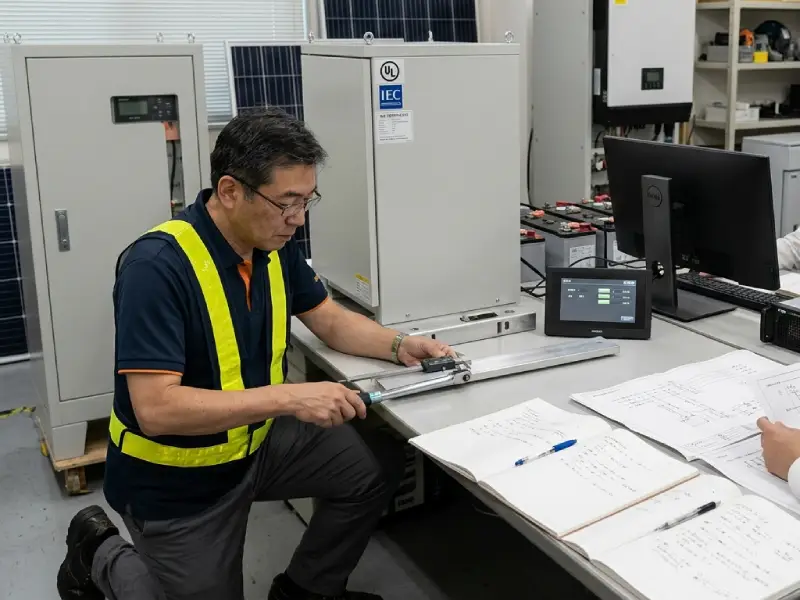
Thailand: A Mature Commercial Solar Market Moving Toward Integrated Energy Solutions
Thailand possesses one of the most established renewable energy industries in Southeast Asia. Continuous investment in photovoltaic generation, combined with industrial development and ongoing energy diversification efforts, has created a stable market for both utility-scale and commercial solar projects.
Unlike rapidly emerging markets that focus primarily on capacity expansion, Thailand increasingly emphasizes system optimization, energy efficiency, and intelligent power management. Commercial customers are actively exploring integrated photovoltaic and Battery Energy Storage Systems (BESS) to improve energy resilience and reduce operating costs.
Market Characteristics
- Strong industrial manufacturing base.
- Growing commercial rooftop solar adoption.
- Increasing deployment of floating photovoltaic systems.
- Rising interest in energy storage integration.
- Stable engineering and EPC ecosystem.
Engineering Considerations
Projects in Thailand often involve larger commercial facilities requiring sophisticated electrical integration. EPC contractors frequently evaluate hybrid inverters, smart energy management systems, and battery storage to optimize self-consumption while improving operational flexibility.
Because many commercial facilities expect future capacity expansion, modular system architecture and scalable battery design are becoming increasingly important procurement criteria.
Procurement Priorities
- Lifecycle system performance.
- High-efficiency hybrid inverter solutions.
- Reliable battery management systems.
- Professional commissioning support.
- Long-term warranty programs.
Engineering Insight
Many commercial facilities in Thailand no longer evaluate solar and storage independently. Instead, project owners increasingly request integrated energy solutions capable of coordinating PV generation, battery charging, load management, and digital monitoring through a unified energy management platform. Suppliers that provide system-level engineering support often gain a competitive advantage during the procurement process.
Malaysia: Corporate Renewable Energy Is Driving High-Quality Solar Investments
Malaysia continues to strengthen its position as one of Southeast Asia’s most promising commercial solar markets. The country’s advanced manufacturing sector, relatively mature electrical infrastructure, and active participation by multinational corporations have encouraged growing investment in rooftop photovoltaic systems and distributed renewable energy solutions.
Corporate sustainability initiatives are playing an increasingly important role in procurement decisions. Manufacturers serving global supply chains are under growing pressure to reduce carbon emissions while maintaining competitive operating costs. Commercial solar installations provide an effective means of achieving both objectives.
Market Characteristics
- Strong electronics and semiconductor manufacturing industries.
- Growing corporate demand for renewable electricity.
- Expansion of logistics centers and distribution facilities.
- Increasing interest in energy storage for commercial applications.
- Well-developed engineering and construction capabilities.
Engineering Considerations
Malaysia’s warm and humid climate places particular emphasis on equipment durability. EPC contractors frequently evaluate corrosion-resistant enclosures, high-quality battery thermal management, IP-rated outdoor cabinets, and advanced remote monitoring capabilities to minimize maintenance requirements over the system lifecycle.
Commercial customers also expect detailed engineering documentation that supports internal technical review, investment approval, and long-term facility management.
Procurement Priorities
- Certified LiFePO4 battery systems.
- Advanced monitoring and EMS integration.
- International quality certifications.
- Strong after-sales engineering support.
- Reliable OEM and long-term supply capability.
Expert Tip
Corporate procurement teams in Malaysia increasingly evaluate suppliers using lifecycle value rather than equipment price alone. Manufacturers capable of providing complete technical documentation, responsive engineering support, internationally recognized certifications, and scalable production capacity are generally better positioned to secure repeat business with multinational industrial customers.
Indonesia: One of Southeast Asia’s Largest Long-Term Growth Markets
As the largest economy and the most populous country in ASEAN, Indonesia represents one of the most significant long-term opportunities in the Southeast Asia renewable energy sector. Its unique geography—comprising thousands of islands—creates energy challenges that differ substantially from those of neighboring countries. While large metropolitan areas continue to expand their electricity infrastructure, many remote regions, mining operations, tourism facilities, and island communities require reliable decentralized power solutions.
This geographical diversity makes Indonesia an ideal market for hybrid solar systems combining photovoltaic generation, LiFePO4 battery storage, diesel generator optimization, and intelligent energy management. Instead of relying exclusively on grid-connected installations, many projects are designed to improve energy independence while reducing fuel consumption and operating costs.
Market Characteristics
- Large and continuously growing electricity demand.
- Strong potential for commercial rooftop PV in manufacturing and logistics sectors.
- Extensive opportunities for island microgrids and off-grid applications.
- Increasing renewable energy investment supported by long-term national energy transition objectives.
- Growing demand for Battery Energy Storage Systems (BESS) to improve power reliability.
Engineering Considerations
Projects in Indonesia often face demanding environmental conditions, including high humidity, coastal salt exposure, tropical rainfall, and challenging transportation logistics. Equipment durability therefore becomes a critical selection criterion. Corrosion-resistant enclosures, marine-grade hardware, robust thermal management, and remote monitoring capabilities can significantly reduce maintenance requirements in geographically dispersed installations.
For island microgrids, engineering teams typically optimize system architecture by balancing photovoltaic generation, battery storage capacity, backup generators, and future load growth. This integrated design approach improves operational efficiency while extending battery service life.
Procurement Priorities
- Scalable hybrid energy solutions.
- Long-life LiFePO4 battery technology.
- Reliable remote monitoring platforms.
- Comprehensive engineering documentation.
- Manufacturers capable of supporting large multi-site deployments.
Philippines: Strong Demand for Hybrid Solar and Energy Storage
The Philippines presents a distinctive renewable energy market characterized by an archipelagic geography, rapidly growing electricity demand, and increasing emphasis on improving grid resilience. Many commercial and industrial customers seek greater energy security as businesses continue to expand across multiple islands with varying grid conditions.
Hybrid photovoltaic systems equipped with Battery Energy Storage Systems are becoming increasingly attractive because they help improve operational continuity while reducing dependence on conventional generation during periods of electricity price volatility or local power interruptions.
Market Characteristics
- Growing commercial rooftop solar adoption.
- High demand for backup power and resilient energy systems.
- Expanding logistics, tourism, healthcare, and commercial infrastructure.
- Increasing opportunities for distributed renewable energy projects.
- Strong potential for integrated solar-plus-storage solutions.
Engineering Considerations
Equipment designed for the Philippine market should consider exposure to high temperatures, heavy rainfall, elevated humidity, and seasonal extreme weather events. Robust enclosure protection, reliable battery management systems, high-quality surge protection, and comprehensive monitoring capabilities contribute to improved long-term operational reliability.
For commercial facilities, battery storage is increasingly evaluated not only as emergency backup but also as an operational asset capable of improving energy utilization and supporting future smart energy management strategies.
Procurement Priorities
- High-reliability ESS solutions.
- International safety certifications.
- Fast engineering response.
- Comprehensive commissioning support.
- Long-term technical partnership.
Engineering Insight
Many commercial projects in the Philippines prioritize operational continuity over maximum energy production. Consequently, EPC contractors frequently evaluate battery reliability, inverter redundancy, communication architecture, and remote diagnostic capabilities alongside conventional photovoltaic performance indicators.
Singapore: A Technology-Driven Market Focused on Efficiency and Innovation
Although Singapore has limited land resources compared with other Southeast Asian countries, it remains one of the region’s most influential renewable energy markets. Rather than competing through large utility-scale photovoltaic projects, Singapore focuses on maximizing energy efficiency, advanced engineering, digital energy management, and innovative clean energy solutions.
Commercial buildings, industrial facilities, logistics centers, and public infrastructure increasingly incorporate rooftop solar systems supported by intelligent monitoring technologies. In addition, Singapore continues to serve as an important regional hub for renewable energy investment, engineering services, project development, and technology partnerships throughout ASEAN.
Market Characteristics
- High-value commercial rooftop projects.
- Strong demand for premium engineering solutions.
- Advanced digital energy management.
- Growing interest in smart buildings and intelligent ESS integration.
- Regional headquarters for many multinational energy companies.
Engineering Considerations
Projects in Singapore emphasize system efficiency, space optimization, digital monitoring, and long-term operational performance. Equipment quality, engineering precision, cybersecurity, communication protocols, and lifecycle maintenance planning receive considerable attention during supplier evaluation.
Procurement Priorities
- Premium engineering quality.
- Advanced Energy Management Systems (EMS).
- Comprehensive technical documentation.
- Reliable long-term manufacturer support.
- International certifications and quality assurance.
Comparing Solar Opportunities Across Southeast Asia
Although every Southeast Asian market is progressing toward greater renewable energy adoption, their commercial priorities differ according to economic structure, electricity demand, and infrastructure development. Understanding these differences enables EPC contractors and distributors to allocate resources more effectively while tailoring product portfolios to local customer needs.
| Country | Commercial Solar Potential | Utility-Scale Opportunity | ESS Growth Potential | Primary Customer Segment | Engineering Focus |
|---|---|---|---|---|---|
| Vietnam | ★★★★★ | ★★★★☆ | ★★★★☆ | Industrial manufacturing | Factory rooftop optimization & grid integration |
| Thailand | ★★★★★ | ★★★★☆ | ★★★★☆ | Commercial facilities | Hybrid system integration |
| Malaysia | ★★★★★ | ★★★☆☆ | ★★★★☆ | Corporate manufacturing | Lifecycle performance & monitoring |
| Indonesia | ★★★★☆ | ★★★★☆ | ★★★★★ | Mining, islands, industry | Hybrid microgrids & remote operation |
| Philippines | ★★★★☆ | ★★★☆☆ | ★★★★★ | Commercial & infrastructure | Grid resilience & backup power |
| Singapore | ★★★☆☆ | ★☆☆☆☆ | ★★★★☆ | Commercial buildings | High-efficiency integrated systems |
This comparison demonstrates that there is no single strategy suitable for every country within the solar SEA market. Manufacturers and EPC contractors that combine standardized product quality with localized engineering support are generally better positioned to build sustainable regional partnerships. Instead of promoting identical solutions across ASEAN, successful suppliers adapt system architecture, documentation, logistics planning, and technical services according to each country’s market characteristics and customer expectations.
Supply Chain Challenges Facing EPC Contractors and Distributors
Strong market demand alone does not guarantee successful project delivery. As the solar SEA market continues to expand, procurement managers, EPC contractors, and distributors face increasingly complex supply chain challenges that directly influence project costs, construction schedules, and long-term system performance.
Unlike residential installations, commercial and utility-scale solar projects involve multiple stakeholders, including project developers, engineering consultants, logistics providers, financial institutions, certification bodies, and local authorities. A delay or quality issue affecting any component can have a cascading impact on the entire project lifecycle.
Consequently, supplier selection has evolved from a transactional purchasing activity into a strategic risk management process. Companies are no longer evaluating manufacturers solely by product specifications or quotation prices. Instead, they assess a supplier’s engineering capability, production consistency, documentation quality, logistics coordination, technical responsiveness, and long-term partnership potential.
The following sections examine the most common procurement and supply chain risks affecting solar and Battery Energy Storage System (BESS) projects across Southeast Asia.
Challenge 1: Balancing Competitive Pricing with Long-Term Value
Price remains an important factor in every commercial procurement process, particularly for projects awarded through competitive bidding. However, experienced EPC contractors recognize that selecting equipment based solely on the lowest purchase price often increases overall project costs over the system’s operational lifetime.
Lower-cost products may require additional maintenance, experience higher failure rates, offer shorter warranty periods, or provide limited technical support. These issues can increase commissioning delays, maintenance expenses, and customer dissatisfaction long after project completion.
Instead of comparing quotations alone, procurement teams increasingly evaluate the total lifecycle value of a supplier by considering:
- Expected product service life.
- Warranty coverage and response procedures.
- Availability of replacement components.
- Engineering documentation quality.
- Manufacturer’s quality management processes.
- Long-term operational reliability.
This lifecycle perspective is particularly important for commercial Battery Energy Storage Systems, where long-term cycling performance, thermal management, and battery management system (BMS) quality significantly influence project economics.
Expert Tip
Procurement teams often compare battery systems using cost per kilowatt-hour. While useful during preliminary evaluation, experienced engineering teams also analyze usable energy capacity, cycle life, operating temperature range, round-trip efficiency, warranty conditions, and expected maintenance requirements. These factors provide a more accurate picture of total ownership cost over the lifetime of the project.
Challenge 2: Production Capacity and Delivery Reliability
As renewable energy investment accelerates across Southeast Asia, production scheduling has become an increasingly important procurement consideration. Large commercial projects frequently require phased deliveries involving multiple equipment categories, including photovoltaic modules, battery cabinets, hybrid inverters, mounting structures, protection devices, and monitoring systems.
Even when equipment quality meets technical requirements, inconsistent production schedules or delayed deliveries can postpone construction activities, increase project management costs, and affect contractual milestones.
To reduce these risks, procurement managers typically investigate several operational factors before finalizing supplier selection:
- Manufacturing capacity and scalability.
- Historical delivery performance.
- Production planning capability.
- Quality consistency across manufacturing batches.
- Supply chain resilience for critical raw materials.
- Inventory management and export experience.
Manufacturers with stable production planning and established international logistics experience generally provide greater confidence for multi-phase commercial developments than suppliers with limited manufacturing flexibility.
Challenge 3: Certification and Regulatory Compliance
Certification requirements continue to evolve alongside Southeast Asia’s expanding renewable energy sector. Depending on project location, customer specifications, and equipment type, EPC contractors may need to demonstrate compliance with a combination of international standards, transportation regulations, and local approval requirements.
Failure to verify certification status during procurement can result in customs delays, redesign requirements, additional testing, or postponed commissioning.
Although exact requirements vary by market and project scope, procurement teams commonly review documentation including:
- IEC certifications for photovoltaic and energy storage equipment.
- CE conformity where applicable.
- UN38.3 transportation compliance for lithium batteries.
- Material Safety Data Sheets (MSDS).
- ISO-certified quality management systems.
- Factory inspection and product test reports.
Early collaboration between engineering teams and procurement departments helps ensure that technical documentation aligns with customer requirements before equipment enters production.
Challenge 4: Logistics Across Diverse Geographic Markets
Southeast Asia presents unique logistical challenges due to its diverse geography. Projects may be located within dense urban environments, remote industrial parks, mountainous regions, coastal facilities, or island communities requiring multimodal transportation.
These conditions require careful planning throughout the procurement and delivery process. Shipping schedules, customs clearance, inland transportation, packaging protection, and on-site equipment handling all influence project timelines.
For Battery Energy Storage Systems in particular, logistics planning should consider:
- Safe transportation of lithium batteries.
- Packaging suitable for long-distance sea freight.
- Environmental protection against humidity and corrosion.
- Site access limitations for heavy equipment.
- Installation sequencing and storage conditions before commissioning.
Manufacturers with international export experience can often assist customers by providing shipping documentation, packaging guidance, and coordination with freight forwarders, helping to reduce logistical uncertainty throughout the project.
Challenge 5: Maintaining Engineering Consistency Across Multiple Projects
Regional EPC contractors frequently manage multiple commercial projects simultaneously across different countries. Maintaining consistent engineering standards becomes increasingly challenging when equipment is sourced from several manufacturers using different documentation formats, communication protocols, and technical specifications.
Standardized engineering documentation can significantly improve project efficiency by reducing design revisions, simplifying installer training, and accelerating technical reviews.
Leading procurement organizations therefore prioritize suppliers capable of delivering consistent technical support across their complete product portfolio, including:
- Standardized datasheets.
- Installation manuals.
- Electrical drawings.
- Communication protocol documentation.
- Commissioning procedures.
- Maintenance guidelines.
Consistency not only improves engineering efficiency but also supports long-term asset management after project completion.
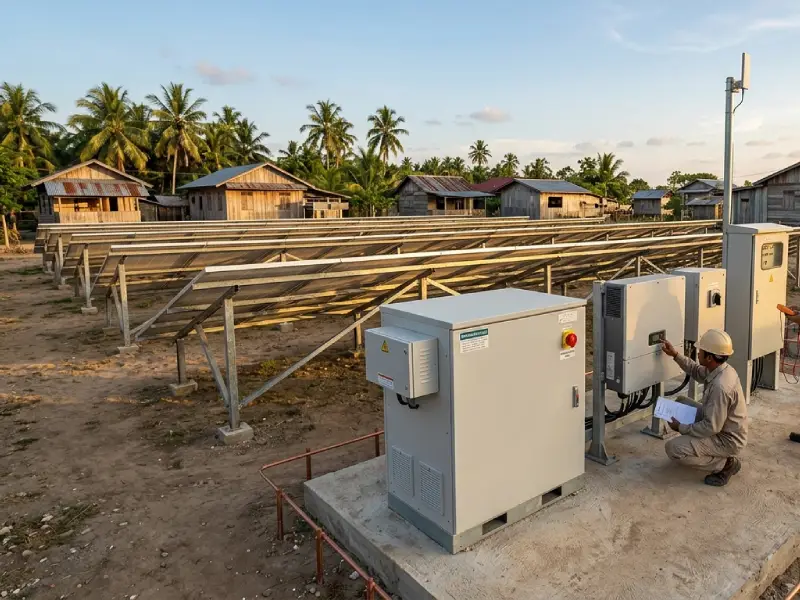
Procurement Checklist for EPC Contractors
Before selecting a solar or ESS supplier for projects in Southeast Asia, engineering and procurement teams should confirm the following:
- ✓ Stable manufacturing capacity with predictable lead times.
- ✓ International certifications appropriate for project requirements.
- ✓ Complete engineering documentation available before procurement.
- ✓ Proven export and international logistics experience.
- ✓ Responsive pre-sales and after-sales engineering support.
- ✓ Reliable warranty policies and spare parts availability.
- ✓ Consistent product quality supported by robust quality management systems.
- ✓ Capability to support future project expansion and long-term partnerships.
Using a structured evaluation framework enables procurement teams to compare suppliers more objectively while reducing risks associated with commercial solar and energy storage projects.
Lessons from Recent Southeast Asia Solar Projects
One of the most valuable ways to understand the evolution of the solar SEA market is to examine how real projects are being developed across the region. While every project has unique technical and commercial requirements, several common themes have emerged from publicly reported commercial, industrial, and utility-scale solar installations throughout Southeast Asia.
Rather than focusing on individual manufacturers, the following examples summarize industry-wide engineering practices and procurement lessons drawn from publicly available projects. These insights can help EPC contractors, distributors, and procurement managers identify best practices that improve project execution while reducing long-term operational risks.
Case Study 1: Industrial Rooftop Solar Expansion in Vietnam
Vietnam’s manufacturing sector continues to attract significant foreign direct investment, particularly from electronics, consumer goods, furniture, and textile manufacturers. As industrial electricity demand increases, many factory owners have adopted rooftop photovoltaic systems to reduce operating costs and support corporate sustainability objectives.
Several publicly reported industrial projects demonstrate that successful rooftop deployments share common engineering characteristics regardless of project size.
Common Engineering Practices
- Comprehensive structural assessments before installation.
- Optimized module layouts to maximize available roof space.
- High-efficiency string or hybrid inverter configurations.
- Digital monitoring platforms for continuous performance analysis.
- Preventive maintenance planning integrated into facility operations.
Procurement Lessons
Industrial customers increasingly prioritize long-term system reliability over the lowest initial investment. Suppliers capable of providing engineering documentation, commissioning support, and responsive technical assistance are often favored during competitive procurement processes.
Case Study 2: Hybrid Microgrids for Remote Communities in Indonesia
Indonesia’s geography creates unique opportunities for hybrid renewable energy systems serving islands and remote industrial operations. In locations where extending the electrical grid is technically difficult or economically impractical, photovoltaic generation combined with Battery Energy Storage Systems (BESS) has become an increasingly attractive alternative to diesel-only power generation.
Publicly documented island and microgrid projects throughout Indonesia illustrate several consistent design principles.
Engineering Practices
- Integration of PV, battery storage, and backup generators.
- Energy Management Systems (EMS) coordinating multiple power sources.
- Remote monitoring to reduce on-site maintenance requirements.
- Modular battery architecture supporting future expansion.
- Weather-resistant outdoor equipment designed for tropical conditions.
Procurement Lessons
Because logistics and maintenance are more challenging in remote locations, equipment durability, engineering quality, and technical documentation often carry greater importance than minor differences in procurement cost.
Case Study 3: Commercial Solar Adoption in Malaysia
Malaysia continues to experience growing demand for rooftop solar installations across industrial parks, logistics centers, and commercial facilities. Publicly reported projects indicate that renewable energy investments are increasingly linked to broader corporate Environmental, Social, and Governance (ESG) strategies rather than electricity savings alone.
Commercial project owners frequently evaluate photovoltaic systems together with energy monitoring platforms and battery storage options capable of improving operational efficiency.
Engineering Practices
- Integrated monitoring for facility energy management.
- Scalable inverter architecture allowing future capacity expansion.
- Lifecycle-oriented maintenance planning.
- Digital performance reporting supporting ESG objectives.
- High-quality documentation simplifying facility management.
Procurement Lessons
Corporate procurement departments increasingly seek suppliers capable of supporting long-term technical collaboration rather than one-time equipment transactions.
Expert Tip: What Successful EPC Projects Have in Common
Although project size, application, and location differ throughout Southeast Asia, successful commercial solar and ESS projects consistently demonstrate several shared characteristics:
- Engineering decisions are made early in the project development process.
- Equipment selection considers lifecycle performance instead of purchase price alone.
- Battery sizing is based on load analysis rather than simple backup duration.
- Engineering documentation is completed before procurement begins.
- Manufacturers remain actively involved during commissioning and post-installation support.
These practices help reduce design revisions, improve installation quality, minimize commissioning delays, and support long-term operational reliability.
Why Engineering Support Is Becoming a Key Purchasing Criterion
As commercial photovoltaic systems become increasingly integrated with battery storage, digital monitoring, and intelligent energy management, the technical complexity of renewable energy projects continues to increase. Consequently, many EPC contractors now evaluate engineering support as carefully as they evaluate equipment specifications.
Engineering collaboration extends far beyond answering technical questions after equipment delivery. Throughout the project lifecycle, engineering teams contribute to system optimization, risk reduction, and installation efficiency.
Engineering Support Before Procurement
- Preliminary system architecture recommendations.
- Battery sizing guidance based on project objectives.
- Equipment compatibility verification.
- Technical clarification during tender preparation.
- Certification documentation for customer review.
Engineering Support During Project Execution
- Installation guidance.
- Electrical integration recommendations.
- Commissioning procedures.
- Troubleshooting assistance.
- Performance verification support.
Engineering Support After Commissioning
- Remote technical assistance.
- Firmware update recommendations.
- Preventive maintenance guidance.
- Warranty support coordination.
- Expansion planning for future capacity increases.
For large commercial and industrial projects, this level of engineering collaboration helps reduce operational uncertainty while improving customer confidence throughout the entire asset lifecycle.
Why Engineering Teams Partner with SolarDyna
As procurement standards continue to evolve across the Southeast Asia renewable energy industry, engineering-focused manufacturers are increasingly differentiated by the quality of their technical support rather than by product pricing alone.
SolarDyna positions itself as an engineering-driven partner for EPC contractors, distributors, and project developers by supporting customers throughout every stage of project development—from product selection and system design to commissioning and long-term technical assistance.
Engineering-Oriented Advantages
- Commercial and industrial LiFePO4 battery energy storage solutions.
- Hybrid inverter solutions for grid-connected and hybrid applications.
- Integrated commercial ESS designed for scalable deployment.
- Technical documentation supporting engineering review and procurement.
- International certifications for global project requirements.
- OEM and customized product support for regional partners.
- Responsive engineering communication throughout project implementation.
Rather than functioning solely as an equipment supplier, SolarDyna aims to support customers through collaborative engineering, dependable manufacturing, and long-term technical partnership. This approach aligns with the evolving priorities of commercial project owners seeking reliable lifecycle performance rather than short-term procurement savings.
How to Choose the Right Solar & ESS Supplier for the Southeast Asia Market
As the solar SEA market continues to mature, selecting the right manufacturing partner has become one of the most important strategic decisions for EPC contractors, distributors, project developers, and commercial investors. Modern renewable energy projects are no longer defined solely by equipment performance. They also depend on engineering expertise, supply chain stability, technical responsiveness, and long-term lifecycle support.
For commercial and industrial (C&I) projects, procurement decisions can influence project profitability for more than 20 years. A supplier that consistently delivers certified products, comprehensive engineering documentation, reliable technical support, and dependable production capacity can significantly reduce project risks while improving customer satisfaction.
Rather than evaluating manufacturers based on price alone, experienced procurement teams adopt a structured assessment framework that considers the supplier’s ability to support the complete project lifecycle—from initial system design through commissioning and long-term operation.
1. Evaluate Engineering Capability, Not Just Product Specifications
High-quality components are only one part of a successful renewable energy project. Equally important is the manufacturer’s ability to support engineering activities before, during, and after equipment delivery.
Professional engineering support helps reduce design revisions, improve installation efficiency, and minimize commissioning delays. This is particularly valuable for commercial projects integrating photovoltaic modules, hybrid inverters, LiFePO4 battery storage, Energy Management Systems (EMS), and remote monitoring platforms.
Before selecting a supplier, consider whether the engineering team can provide:
- Single-line diagrams (SLDs).
- System architecture recommendations.
- Battery sizing guidance.
- Equipment compatibility verification.
- Installation manuals and commissioning procedures.
- Remote troubleshooting support.
- Long-term technical consultation.
Manufacturers that actively participate in engineering discussions often become long-term project partners rather than simply equipment vendors.
Expert Tip
Ask prospective suppliers to provide sample engineering documentation before placing an order. The completeness and clarity of drawings, manuals, and technical specifications often reflect the manufacturer’s engineering maturity and can reveal how effectively they will support your project throughout implementation.
2. Verify Manufacturing Capacity and Supply Chain Stability
As commercial ESS projects increase in size, consistent manufacturing capability has become as important as product quality. Delayed deliveries can affect construction schedules, financing milestones, and contractual obligations, especially when projects involve multiple shipment phases.
Procurement managers should evaluate whether the manufacturer has the operational capacity to support long-term cooperation rather than only individual purchase orders.
Key questions include:
- Can production capacity support multiple simultaneous projects?
- What are the typical lead times for standard and customized products?
- Are quality control procedures standardized across production batches?
- How resilient is the supplier’s raw material sourcing strategy?
- Can manufacturing scale with future project expansion?
A stable manufacturing partner reduces uncertainty and helps EPC contractors maintain predictable project schedules, particularly in rapidly growing renewable energy markets.
3. Confirm International Certifications and Compliance
Commercial solar and energy storage projects frequently require equipment that complies with internationally recognized standards. Certification not only demonstrates product quality but also facilitates project approval, customs clearance, insurance requirements, and customer acceptance.
Depending on project specifications and destination markets, procurement teams commonly verify:
- IEC certification for relevant products.
- CE conformity where applicable.
- UN38.3 transportation compliance for lithium batteries.
- MSDS documentation.
- ISO-certified quality management systems.
- Factory inspection and product testing reports.
Requesting documentation during the quotation stage helps avoid unnecessary procurement delays later in the project.
4. Assess Technical Service Throughout the Project Lifecycle
The best suppliers continue supporting customers long after products leave the factory. Responsive technical communication can significantly reduce installation risks and improve long-term operational reliability.
An engineering-oriented manufacturer should be capable of supporting customers through every project phase:
| Project Stage | Expected Technical Support |
|---|---|
| Pre-Sales | System sizing, product selection, engineering consultation. |
| Project Design | Technical drawings, documentation, compatibility review. |
| Installation | Commissioning guidance, electrical integration support. |
| Operation | Remote diagnostics, troubleshooting, firmware recommendations. |
| Expansion | Future capacity planning and system optimization. |
This level of engineering collaboration helps establish long-term trust between manufacturers and EPC contractors while improving overall project performance.
Supplier Evaluation Checklist for EPC Contractors
The following checklist can serve as a practical framework during supplier qualification and procurement discussions.
| Evaluation Area | Questions to Ask | Why It Matters |
|---|---|---|
| Engineering | Can complete technical documentation be provided? | Reduces design and installation risks. |
| Manufacturing | Is production capacity sufficient for future projects? | Supports reliable delivery schedules. |
| Quality | What certifications and testing reports are available? | Ensures compliance and customer confidence. |
| Technical Support | How quickly can engineers respond to technical inquiries? | Improves commissioning efficiency. |
| Warranty | How are warranty claims and spare parts handled? | Reduces long-term operational risk. |
| Partnership | Can the supplier support OEM, customization, or future expansion? | Enables sustainable long-term cooperation. |
Why Global EPC Contractors Choose Engineering-Focused Partners
Across Southeast Asia, procurement priorities are gradually shifting from transactional purchasing toward strategic collaboration. As projects become more sophisticated, customers increasingly value manufacturers that contribute engineering knowledge, documentation, and lifecycle support in addition to supplying equipment.
An engineering-focused partner can help EPC contractors:
- Reduce technical uncertainty during project planning.
- Accelerate engineering review and approval.
- Improve installation efficiency through standardized documentation.
- Enhance commissioning quality with technical guidance.
- Support future expansion through scalable system design.
- Reduce operational risks over the system lifecycle.
These advantages become increasingly important as commercial solar and energy storage systems evolve into integrated energy infrastructure supporting manufacturing facilities, logistics centers, industrial parks, commercial buildings, and distributed energy projects.
Frequently Asked Questions About the Southeast Asia Solar Market
The following questions are based on common topics discussed by EPC contractors, project developers, procurement managers, and commercial investors evaluating opportunities in the solar SEA market. These answers are designed to address practical business concerns while aligning with frequently searched questions that appear in Google’s People Also Ask (PAA) results.
FAQ 1: Is Southeast Asia a Good Market for Commercial Solar Projects?
Yes. Southeast Asia is widely regarded as one of the world’s most promising regions for commercial and industrial (C&I) solar development due to several long-term structural factors rather than short-term policy incentives alone.
Key growth drivers include:
- Rapid industrialization across ASEAN economies.
- Increasing electricity demand from manufacturing and commercial facilities.
- Growing corporate commitments to Environmental, Social, and Governance (ESG) objectives.
- Government renewable energy targets that support long-term market development.
- Improving economics of photovoltaic modules and Battery Energy Storage Systems (BESS).
- Expansion of multinational manufacturing throughout the region.
Although market conditions differ between countries, the long-term outlook remains positive because renewable energy is becoming an important component of economic development, industrial competitiveness, and energy security.
FAQ 2: Which Southeast Asian Countries Offer the Best Opportunities for EPC Contractors?
There is no single “best” market for every EPC company. The most suitable country depends on project experience, technical expertise, product portfolio, and long-term business strategy.
| Country | Typical Opportunity |
|---|---|
| Vietnam | Industrial rooftop solar, export manufacturing facilities. |
| Thailand | Commercial PV, floating solar, integrated ESS. |
| Malaysia | Corporate renewable energy and logistics facilities. |
| Indonesia | Island microgrids, mining operations, hybrid systems. |
| Philippines | Commercial solar with battery storage and backup power. |
| Singapore | Premium rooftop PV and smart energy management. |
Rather than expanding into every market simultaneously, many successful EPC contractors establish a strong local presence in one or two countries before expanding regionally.
FAQ 3: Why Is LiFePO4 Battery Technology Preferred for Commercial ESS?
Lithium Iron Phosphate (LiFePO4) batteries have become the preferred chemistry for many commercial and industrial Battery Energy Storage Systems because they provide an effective balance of safety, service life, operational stability, and lifecycle cost.
Compared with some other lithium battery chemistries, LiFePO4 technology typically offers:
- Excellent thermal stability.
- Long cycle life suitable for daily charging and discharging.
- Lower maintenance requirements.
- High operational reliability.
- Compatibility with commercial hybrid inverter systems.
- Strong suitability for renewable energy applications.
Battery selection should always be based on project-specific engineering analysis, including load profile, operating environment, expected cycling frequency, and long-term energy management objectives.
Expert Tip
When comparing commercial battery systems, avoid focusing exclusively on nominal battery capacity. Evaluate usable energy, cycle life, operating temperature range, battery management system (BMS) functionality, warranty terms, and expected lifecycle performance. These factors have a greater impact on long-term return on investment than initial purchase price alone.
FAQ 4: What Should Procurement Managers Look for When Selecting a Solar or ESS Supplier?
Experienced procurement professionals typically evaluate suppliers using multiple technical and commercial criteria rather than relying solely on equipment quotations.
Important evaluation factors include:
- Engineering capability and technical support.
- International certifications.
- Manufacturing quality management.
- Production capacity and delivery reliability.
- Complete engineering documentation.
- Warranty coverage and after-sales service.
- Experience supporting commercial and utility-scale projects.
- Ability to establish long-term strategic partnerships.
Manufacturers that combine reliable products with strong engineering collaboration generally provide greater long-term value than suppliers competing primarily on price.
FAQ 5: How Can EPC Contractors Reduce Procurement Risks?
Supply chain risk management has become increasingly important as renewable energy projects grow in complexity. Successful EPC contractors typically reduce procurement risks through careful planning and supplier qualification before purchase orders are issued.
Recommended best practices include:
- Conduct technical reviews before equipment procurement.
- Verify product certifications early in the bidding process.
- Review engineering documentation before production begins.
- Confirm manufacturing lead times and logistics planning.
- Evaluate warranty procedures and technical response capabilities.
- Maintain regular communication between procurement and engineering teams.
These practices help minimize commissioning delays, reduce installation errors, and improve long-term project reliability.
FAQ 6: What Certifications Are Commonly Required for Commercial Solar and ESS Projects?
Certification requirements vary depending on the destination country, project owner, utility requirements, and applicable local regulations. However, internationally recognized certifications are widely regarded as an important indicator of product quality, safety, and compliance.
For commercial photovoltaic and Battery Energy Storage System (BESS) projects, procurement teams commonly review documentation such as:
- IEC standards applicable to PV modules, inverters, batteries, and related equipment.
- CE conformity for products entering applicable markets.
- UN38.3 transportation testing for lithium batteries.
- MSDS documentation for logistics and handling.
- ISO 9001 quality management certification.
- Factory inspection reports and product test documentation where required.
Because certification requirements differ by project, EPC contractors should verify technical documentation during the supplier qualification stage rather than after production begins.
FAQ 7: What Factors Have the Greatest Impact on Commercial Solar Project ROI?
Although equipment pricing influences project economics, long-term return on investment (ROI) depends on multiple technical and operational factors working together.
Some of the most important considerations include:
- Annual solar energy production.
- System design quality and engineering optimization.
- Electricity tariff structure.
- Self-consumption ratio.
- Battery utilization strategy.
- Equipment efficiency and reliability.
- Preventive maintenance planning.
- Long-term operational availability.
Projects designed with optimized system architecture often deliver stronger financial performance than projects focused solely on minimizing initial procurement costs.
FAQ 8: Why Is Engineering Support Becoming More Important Than Ever?
Commercial renewable energy systems are becoming increasingly sophisticated. Modern projects frequently integrate photovoltaic generation, hybrid inverters, LiFePO4 battery storage, Energy Management Systems (EMS), communication gateways, and cloud-based monitoring platforms.
As technical complexity increases, engineering support becomes essential throughout the project lifecycle. Manufacturers capable of providing system design assistance, commissioning guidance, troubleshooting support, and long-term technical consultation can help reduce project risks while improving installation quality and operational reliability.
This is one of the primary reasons why many EPC contractors now evaluate engineering capability alongside product specifications during supplier selection.
FAQ 9: How Can Distributors Build Long-Term Partnerships with Reliable Manufacturers?
Successful distributor relationships extend beyond product transactions. Long-term cooperation is typically built on consistent product quality, transparent communication, dependable delivery performance, and responsive technical support.
When evaluating a manufacturing partner, distributors should consider:
- Manufacturing scalability.
- Engineering responsiveness.
- OEM and customization capability.
- Product roadmap and innovation.
- Marketing and technical support resources.
- After-sales service processes.
A collaborative partnership enables distributors to better support local customers while expanding their business in competitive renewable energy markets.
FAQ 10: What Is the Long-Term Outlook for the Southeast Asia Solar Market?
The long-term outlook for the solar SEA market remains positive. Continued industrialization, increasing electricity demand, corporate decarbonization initiatives, renewable energy policies, and ongoing technological improvements are expected to support sustained investment across the region.
At the same time, Battery Energy Storage Systems are expected to play a progressively larger role as businesses seek greater energy flexibility, resilience, and operational efficiency.
Although individual country policies will continue to evolve, the broader market trend suggests that Southeast Asia will remain one of the world’s most important regions for commercial solar and energy storage development throughout the coming decade.
Conclusion
The Southeast Asia renewable energy industry has entered a new stage of development. Instead of relying primarily on policy incentives, today’s market is increasingly driven by industrial expansion, growing electricity demand, corporate sustainability commitments, and the need for greater energy security.
For EPC contractors, distributors, and procurement managers, these changes create significant opportunities—but also require more informed supplier selection and stronger engineering collaboration. Successful projects increasingly depend on lifecycle thinking rather than short-term purchasing decisions.
Throughout this guide, we have explored the major forces shaping the solar SEA market, including regional growth drivers, country-specific opportunities, supply chain challenges, engineering best practices, procurement strategies, and supplier evaluation criteria.
One clear conclusion emerges: the most competitive renewable energy projects are built on reliable engineering, consistent manufacturing quality, and long-term technical partnership.
As commercial photovoltaic systems continue to integrate advanced LiFePO4 battery storage, hybrid inverters, intelligent monitoring, and Energy Management Systems, manufacturers capable of supporting the complete project lifecycle will become increasingly valuable partners for EPC contractors throughout Southeast Asia.
Planning a Solar or Energy Storage Project in Southeast Asia?
From commercial rooftop PV to Battery Energy Storage Systems (BESS), SolarDyna helps EPC contractors, distributors, and project developers deliver reliable renewable energy projects across Southeast Asia with engineering-driven solutions and dependable manufacturing support.
✔ Hybrid Inverters & Integrated Solar + ESS Solutions
✔ Engineering Support for EPC Projects and System Design
✔ OEM/ODM Manufacturing with International Certifications
✔ Reliable Supply Chain for Large-Scale Renewable Energy Projects
Discuss your project requirements with our engineering team and receive a tailored solar & ESS solution for your market.
References
- ASEAN Centre for Energy. (2024). ASEAN Energy Outlook.
- BloombergNEF. (2024). Energy Transition Investment Trends.
- International Energy Agency. (2024). Southeast Asia Energy Outlook.
- International Energy Agency. (2024). Renewables 2024.
- International Renewable Energy Agency. (2024). Renewable Capacity Statistics 2024.
- International Renewable Energy Agency. (2024). Renewable Power Generation Costs.
- World Bank. (2023). Tracking SDG7: The Energy Progress Report.
- World Bank. (2024). World Development Indicators: Energy & Infrastructure.
- Asian Development Bank. (2024). Energy Transition in Developing Asia and the Pacific.
- International Finance Corporation. (2023). Utility-Scale Solar Photovoltaic Power Plants: Technical and Commercial Best Practices.