The solar industry is entering a new phase where long-term business success depends on more than product availability. For companies exploring how to become a solar distributor, building a reliable supply chain, selecting the right manufacturing partners, and developing technical capabilities have become essential competitive advantages.
This solar distributor guide explains how businesses can establish a sustainable solar distribution model by evaluating products, suppliers, engineering support, and market opportunities. Unlike traditional trading models, modern solar distribution requires deeper cooperation between manufacturers, distributors, installers, and EPC companies.
As photovoltaic (PV) systems and energy storage solutions continue expanding globally, distributors are increasingly becoming strategic partners within the renewable energy ecosystem. Companies that can provide reliable solar solutions, technical guidance, and consistent project support are better positioned to achieve long-term growth.
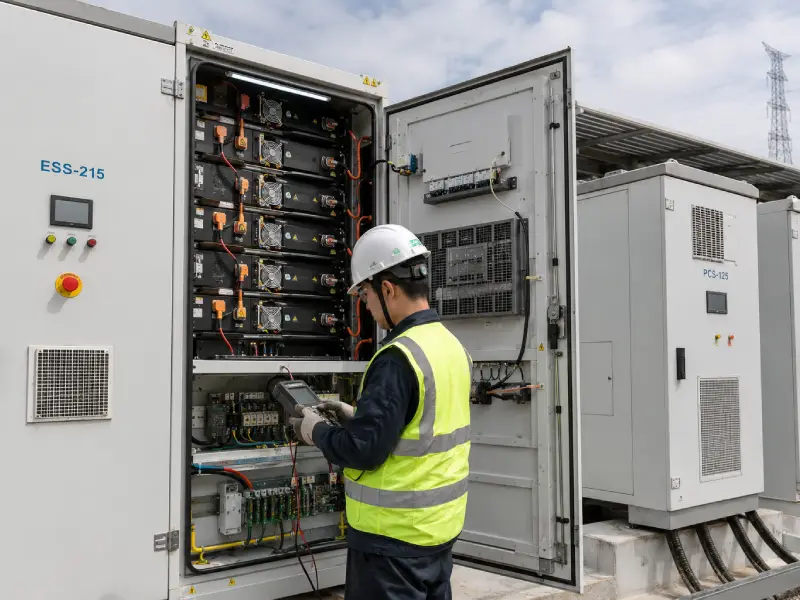
Why Becoming a Solar Distributor Is About Building a Long-Term Energy Business
Many companies entering the solar market initially focus on product sourcing and pricing. However, successful solar distribution is not only about purchasing products at competitive rates. It requires a complete business framework that connects manufacturing capability, engineering expertise, customer service, and market development.
A professional solar distributor works as a bridge between solar manufacturers and local markets. Their responsibilities often include product selection, inventory planning, technical communication, project coordination, and after-sales support.
For EPC contractors and renewable energy companies, choosing the right distribution partner can directly influence project timelines, installation efficiency, and customer satisfaction. A distributor with strong technical capabilities can reduce project risks by ensuring product compatibility and providing practical application support.
The modern solar distribution business is moving from a simple supply relationship toward a long-term partnership model. Manufacturers, distributors, and EPC companies increasingly need to collaborate to deliver complete photovoltaic and energy storage solutions.
What Does a Successful Solar Distributor Need in Today’s PV Market?
The requirements for becoming a competitive solar energy distributor have changed significantly. In the past, distribution success was mainly determined by purchasing power and local sales channels. Today, customers expect distributors to provide reliable products, technical knowledge, and professional project assistance.
1. Strong Product Knowledge and Application Understanding
A successful photovoltaic distributor must understand the technologies behind the products they represent. Solar projects involve multiple components, including photovoltaic modules, mounting systems, inverters, battery storage systems, and energy management solutions.
Understanding product specifications allows distributors to recommend suitable solutions for different applications, such as residential systems, commercial rooftop projects, industrial installations, and off-grid energy applications.
For example, energy storage projects require more than selecting a battery with a certain capacity. Technical teams need to evaluate battery chemistry, system compatibility, safety features, battery management systems (BMS), and expected operating conditions.
This is especially important for companies developing a solar battery distributor business, where product reliability directly affects customer trust and long-term service requirements.
2. Reliable Supply Chain Management Capability
Solar distribution depends heavily on supply chain stability. EPC contractors and installers often work with strict project schedules, meaning delayed shipments or inconsistent product quality can create significant operational challenges.
A reliable distributor needs to evaluate suppliers based on production capability, quality control processes, delivery consistency, and technical responsiveness.
When selecting a manufacturing partner, procurement teams should consider several factors:
- Production capacity and delivery reliability
- Quality inspection procedures
- Product consistency between different batches
- Technical documentation availability
- Warranty and after-sales support process
A strong supply chain helps distributors reduce operational uncertainty and provide better service to EPC partners and end customers.
3. Technical Support Capability for EPC Projects
In the renewable energy sector, technical support is becoming one of the most important factors influencing supplier selection. EPC contractors require more than product delivery; they need partners who can assist with engineering decisions and project execution.
A capable solar supplier partnership should include technical communication before, during, and after installation.
Important support areas include:
- Product selection guidance
- System configuration recommendations
- Installation documentation
- Troubleshooting assistance
- Project-specific technical communication
For distributors working with commercial and industrial customers, technical capability can become a major differentiation factor in competitive markets.
How to Become a Solar Distributor: Step-by-Step Business Development Process
Companies entering the solar industry need a structured approach to establish a successful distribution business. The following steps help businesses evaluate opportunities and build a scalable renewable energy distribution model.
Step 1: Define Your Solar Distribution Business Model
Before selecting suppliers or investing in inventory, companies should clearly define their business positioning.
Different distribution models require different strategies:
Model A: Solar Equipment Distribution
This model focuses on supplying solar components to installers, contractors, and local retailers. Success depends on product availability, pricing strategy, and customer network development.
Model B: Solar and Energy Storage Solution Provider
This approach combines PV products with energy storage systems. It requires deeper technical knowledge because customers often need complete solutions rather than individual components.
Model C: Regional EPC Supply Partner
Some distributors work closely with EPC companies to support larger projects. This requires strong engineering communication, project coordination, and reliable delivery capability.
Choosing the right business model helps companies avoid unnecessary inventory risks and build a clearer market strategy.
Step 2: Identify Your Target Solar Market
Market selection is a critical stage in developing a renewable energy distribution business. Different regions have different customer requirements, regulations, and project structures.
Distributors should evaluate:
- Residential solar demand
- Commercial and industrial PV opportunities
- Energy storage adoption
- Local installer networks
- Existing market competition
A clear understanding of target customers allows distributors to select appropriate product portfolios and develop effective sales strategies.
Expert Tip: Choosing Solar Partners Based on Long-Term Value
Expert Tip: Experienced distributors do not select suppliers only based on initial pricing. They evaluate the complete partnership value, including product reliability, engineering support, documentation quality, delivery performance, and long-term cooperation capability.
For solar companies building a sustainable market presence, the right manufacturing partner can help reduce project risks and improve customer confidence.
SolarDyna focuses on supporting distributors and EPC partners with reliable solar and energy storage solutions designed for different application scenarios.
Step 3: Select the Right Solar Products for Your Distribution Business
After defining the target market and business model, the next critical step is selecting the right product portfolio. A successful solar distributor needs to balance market demand, product reliability, technical requirements, and long-term customer value.
Many companies entering the solar industry focus only on fast-moving products. However, professional distributors understand that product selection directly influences customer satisfaction, warranty risk, and future business growth.
A strong portfolio usually includes photovoltaic modules, mounting structures, energy storage systems, and related electrical components. The goal is not simply to offer more products, but to provide solutions that meet different project requirements.
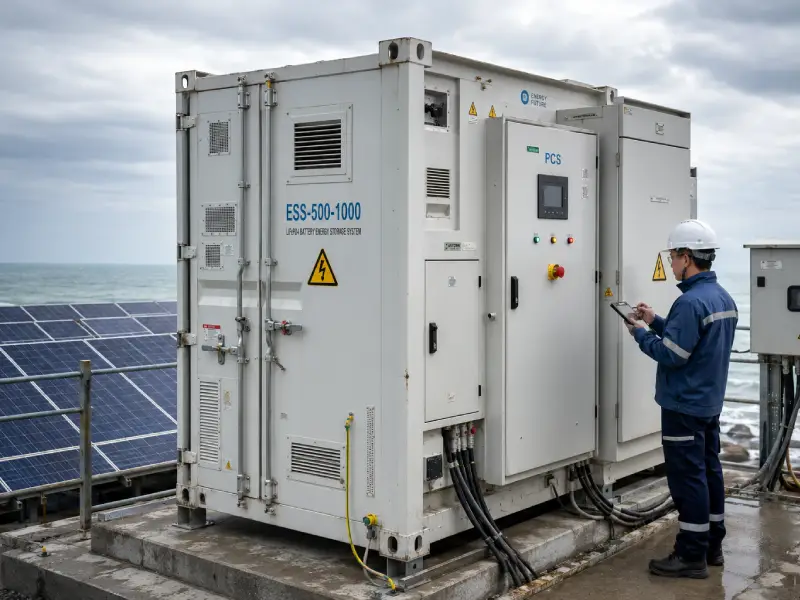
Solar Modules: Evaluating Performance Beyond Price
Solar modules are one of the most visible components in a PV system, but choosing suitable products requires more than comparing purchase costs. Distributors should evaluate module performance, reliability, and application suitability.
Important evaluation factors include:
- Module efficiency and power output
- Product warranty conditions
- Quality consistency between production batches
- Performance under different environmental conditions
- Availability of technical documentation
For EPC customers, module reliability affects project profitability because poor product consistency can increase installation issues and after-sales workload.
Solar Mounting Systems: The Foundation of Installation Reliability
Mounting systems are often overlooked during product selection, but they play an essential role in long-term PV project performance. A solar installation depends on structural stability, material durability, and proper engineering design.
A professional distributor should evaluate mounting solutions based on:
- Structural strength and load requirements
- Material corrosion resistance
- Installation efficiency
- Compatibility with different solar modules
- Adaptability to local climate conditions
For commercial and industrial projects, efficient mounting solutions can help EPC contractors reduce installation time and improve project execution.
Energy Storage Systems: The Growing Opportunity for Solar Battery Distribution
As solar markets continue evolving, energy storage has become an important growth area for many distributors. A modern solar energy distributor increasingly needs to understand battery systems, especially lithium iron phosphate (LiFePO4) technology.
When selecting energy storage products, distributors should focus on:
- Battery safety design
- Battery Management System (BMS) performance
- Cycle life expectations
- Thermal management capability
- System integration compatibility
For businesses developing an ESS distributor strategy, technical understanding is essential because storage systems are often integrated with inverters, solar generation systems, and energy management platforms.
How to Evaluate a Solar Manufacturer Before Partnership
Choosing a manufacturing partner is one of the most important decisions for companies following a solar distributor guide. A supplier relationship can influence product quality, customer satisfaction, and long-term market reputation.
The strongest distribution partnerships are built on transparency, technical cooperation, and consistent product performance rather than short-term purchasing advantages.
Manufacturing Capability and Production Reliability
A manufacturer’s production capability determines whether distributors can confidently support customer demand. Stable manufacturing processes help ensure consistent quality and predictable delivery.
Procurement managers and technical directors should review:
- Manufacturing process control
- Quality inspection procedures
- Production scalability
- Product traceability systems
- Quality assurance documentation
For EPC-oriented distribution businesses, manufacturing reliability is especially important because project schedules often depend on accurate delivery planning.
Quality Control and Product Consistency
In renewable energy projects, quality problems can create long-term operational costs. A distributor should work with suppliers that treat quality control as a complete system rather than a final inspection step.
A professional quality management approach usually includes:
- Incoming material inspection
- Production process monitoring
- Performance testing
- Finished product verification
- Continuous improvement processes
This quality-focused approach helps distributors provide reliable solutions and strengthen customer confidence.
Certifications and Compliance Requirements
Different regions and project types may have specific compliance requirements. Before establishing a solar supplier partnership, distributors should confirm whether products meet the necessary technical standards for their target markets.
Relevant considerations may include:
- Electrical safety requirements
- Product testing reports
- Regional compliance documents
- Installation guidelines
Proper documentation support also helps EPC contractors complete project approvals and technical reviews more efficiently.
Supplier Evaluation Checklist for Professional Solar Distributors
A structured supplier evaluation process allows distributors to make better purchasing decisions. Instead of comparing only product prices, professional buyers consider total project value.
| Evaluation Area | Why It Matters |
|---|---|
| Manufacturing Capability | Ensures stable supply and supports business expansion |
| Product Quality System | Reduces warranty risks and improves customer trust |
| Technical Support | Helps EPC partners solve project challenges |
| Product Portfolio | Allows distributors to serve different applications |
| Delivery Performance | Supports project schedules and inventory planning |
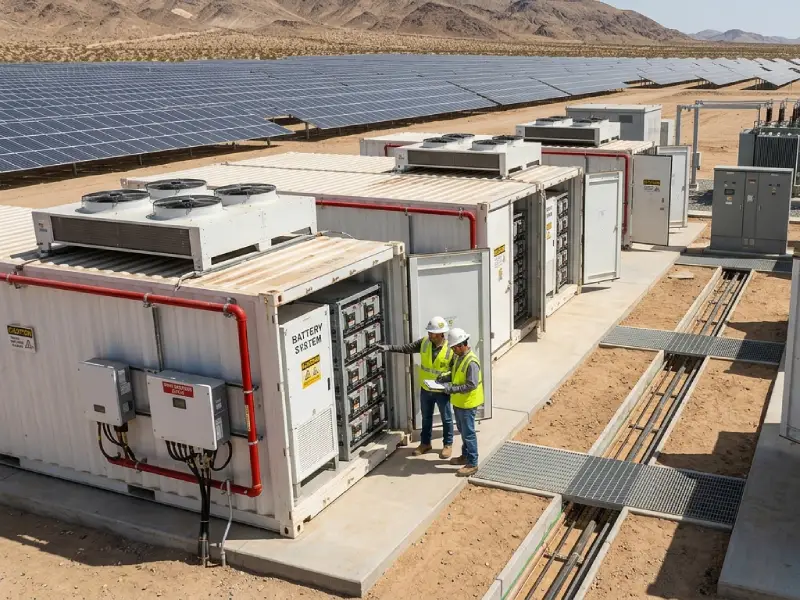
Why Engineering Support Matters for EPC-Focused Solar Distribution
The role of a modern distributor is becoming increasingly technical. EPC companies are no longer only looking for suppliers; they are looking for partners who can contribute to project success.
A distributor with strong engineering support can help customers select appropriate solutions, reduce installation problems, and improve system performance.
This is especially important for:
- Commercial rooftop solar projects
- Industrial energy storage applications
- Off-grid power systems
- Large-scale renewable energy projects
When distributors understand application requirements, they can provide higher-value services and build stronger customer relationships.
Building a Strong Solar Supplier Partnership with SolarDyna
For companies looking to establish a long-term renewable energy distribution business, supplier selection is a strategic decision. The right partner should provide not only products but also technical cooperation and business support.
SolarDyna works with distributors and EPC partners who require dependable solar and energy storage solutions. The focus is on supporting practical project needs through reliable products, professional communication, and long-term cooperation.
Integrated Solar and ESS Product Solutions
A complete product portfolio enables distributors to support different customer scenarios without relying on multiple fragmented suppliers.
SolarDyna solutions can support applications involving:
- Photovoltaic systems
- Energy storage solutions
- Residential and commercial solar projects
- Renewable energy integration
By offering integrated solutions, distributors can improve project efficiency and provide customers with more complete renewable energy services.
Supporting Distributors Through Technical Cooperation
Successful distribution depends on continuous cooperation between manufacturers and local market partners. Beyond product supply, distributors benefit from technical communication, product information, and project support.
A reliable manufacturer relationship helps distributors respond faster to customer needs and develop stronger market competitiveness.
Common Challenges When Starting a Solar Distribution Business
Although the renewable energy market continues to expand, becoming a successful solar distributor requires careful planning. Many companies entering the market underestimate the complexity of supply chain management, technical support, and customer expectations.
A professional solar distributor guide should not only explain opportunities but also highlight potential risks. Understanding common challenges allows businesses to create better strategies and build stronger partnerships.
Challenge 1: Competing Only Based on Product Price
One of the most common mistakes for new distributors is focusing only on the lowest purchasing cost. While competitive pricing is important, it should not become the only decision factor.
In solar projects, the lowest-priced product does not always create the highest business value. Product reliability, technical support, delivery performance, and warranty service all influence the total project cost.
For EPC contractors, unexpected issues such as installation delays, replacement requirements, or customer complaints may create additional expenses that exceed the original purchasing savings.
A more sustainable approach is to evaluate suppliers based on total value, including:
- Product consistency
- Technical assistance
- Project support capability
- Long-term cooperation potential
Successful distributors position themselves as solution providers rather than simply low-cost product sellers.
Challenge 2: Selecting Suppliers Without Evaluating Technical Capability
Solar technology continues to evolve, especially with the rapid development of energy storage systems. A distributor working with advanced products needs access to reliable technical resources.
For companies entering the solar energy distributor market, technical capability should be considered a core business asset.
A strong supplier should be able to support distributors with:
- Product application guidance
- Technical documentation
- System compatibility information
- Engineering communication
- After-sales problem solving
This becomes especially important when supporting EPC projects where customers require accurate engineering solutions rather than basic product information.
Challenge 3: Poor Inventory Planning and Market Forecasting
Inventory management is another critical factor affecting distributor profitability. Holding too much inventory can increase financial pressure, while insufficient stock may cause missed project opportunities.
Professional distributors analyze:
- Regional demand patterns
- Customer purchasing cycles
- Project pipeline
- Product application trends
A balanced inventory strategy allows distributors to respond quickly while maintaining healthy business operations.
How SolarDyna Supports Long-Term Solar Distribution Partnerships
For businesses seeking a reliable solar supplier partnership, the manufacturer relationship is a long-term strategic decision. The right partner helps distributors improve competitiveness, reduce operational risks, and develop sustainable market growth.
SolarDyna focuses on supporting distributors, installers, and EPC companies with practical renewable energy solutions designed for real project requirements.
Engineering-Oriented Product Support
Solar projects involve many technical considerations, from system configuration to installation requirements. Distributors benefit from working with suppliers who understand these engineering challenges.
SolarDyna supports partners by providing solution-oriented cooperation, helping customers select products that match specific application scenarios.
This approach allows distributors to move beyond product transactions and build stronger relationships with local customers.
Supporting Different Market Applications
Different regions and customer groups have different energy requirements. A flexible product strategy helps distributors serve a wider range of projects.
Typical application scenarios include:
- Residential solar systems
- Commercial rooftop photovoltaic projects
- Industrial energy solutions
- Hybrid solar and storage systems
- Off-grid energy applications
By understanding application requirements, distributors can recommend suitable solutions and improve customer satisfaction.
Helping Distributors Build Market Competitiveness
Long-term distribution success depends on more than product supply. Distributors also need reliable communication, technical resources, and cooperation support.
A strong manufacturer partnership enables distributors to:
- Improve customer response speed
- Reduce project uncertainty
- Strengthen technical confidence
- Expand renewable energy business opportunities
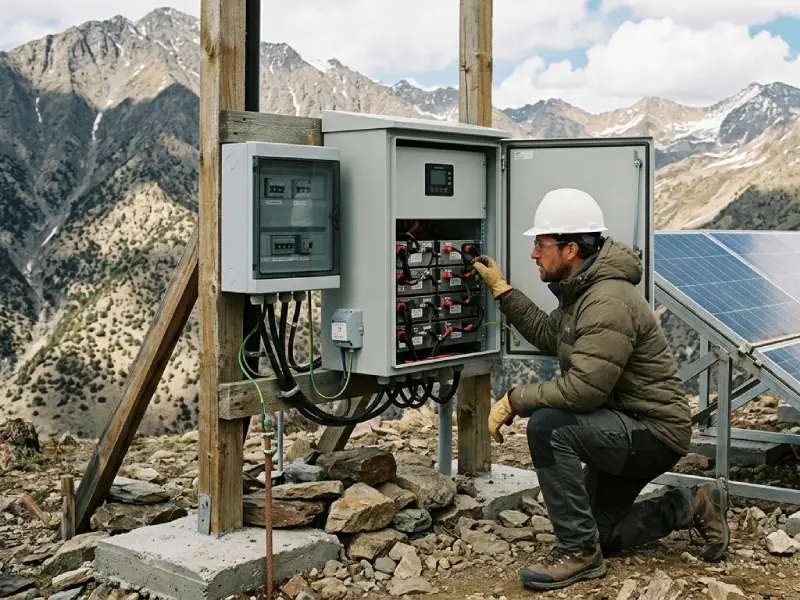
Future Opportunities for Solar Distribution Business Growth
The future of solar distribution is closely connected with the development of integrated energy solutions. As customers increasingly demand energy independence and smarter power management, distributors have opportunities to expand beyond traditional PV equipment sales.
Solar Plus Energy Storage Integration
Energy storage is becoming a major growth area in renewable energy markets. Combining solar generation with battery storage allows customers to improve energy flexibility and manage electricity usage more effectively.
For a modern solar battery distributor, understanding storage technology and application scenarios can create new business opportunities.
Distributors that can provide complete solar and storage solutions are better positioned to support future customer needs.
Increasing Demand for Complete Renewable Energy Solutions
Customers are increasingly looking for complete systems rather than individual components. This creates opportunities for distributors who can provide integrated solutions supported by strong technical knowledge.
The role of the distributor is evolving from product supplier to renewable energy solution partner.
Frequently Asked Questions About Becoming a Solar Distributor
Q1. What qualifications do you need to become a solar distributor?
There is no single qualification required to become a solar distributor. However, successful distributors typically have market knowledge, customer relationships, supply chain management ability, and access to reliable manufacturing partners.
Companies serving EPC customers also benefit from technical knowledge because solar projects require professional product selection and application support.
Q2. How do I choose the right solar supplier?
The right solar supplier should be evaluated based on multiple factors, including product quality, manufacturing capability, technical support, delivery reliability, and long-term cooperation potential.
A strong supplier relationship helps distributors reduce project risks and provide better customer service.
Q3. Is solar distribution a good business opportunity?
Solar distribution can provide strong business opportunities when supported by the right strategy. Success depends on selecting suitable products, understanding customer requirements, and building reliable supplier partnerships.
Companies that combine product knowledge with technical support are better positioned to compete in the renewable energy market.
Q4. What is the difference between a solar distributor and an EPC company?
A solar distributor mainly focuses on supplying products, managing inventory, and supporting local markets. An EPC company typically handles engineering design, procurement, construction, and project execution.
However, many successful businesses combine both capabilities by developing strong technical and supply chain resources.
Build Your Solar Distribution Partnership with SolarDyna
Becoming a successful solar distributor requires a combination of reliable products, strong supplier relationships, technical understanding, and long-term market planning.
Companies that choose the right partners can create sustainable renewable energy businesses while supporting customers with dependable solar and energy storage solutions.
SolarDyna works with distributors and EPC partners seeking stable cooperation, engineering-focused support, and reliable renewable energy solutions.
Start Your Solar Distribution Partnership
Looking for a reliable partner for photovoltaic and energy storage projects?
Explore SolarDyna solutions and discuss your distribution opportunities.Become a SolarDyna Partner
Conclusion: Building a Sustainable Future Through Solar Distribution
The solar industry is moving toward a more integrated and professional supply chain model. Companies that succeed as distributors are those that understand technology, value quality, and build long-term partnerships.
A successful distribution strategy is not based only on selling products. It is built on reliable supply, technical expertise, customer support, and continuous improvement.
For businesses exploring how to become a solar distributor, the opportunity lies in developing a complete renewable energy ecosystem that creates value for manufacturers, EPC companies, installers, and end customers.
With the right strategy and the right partner, solar distribution can become a scalable and sustainable renewable energy business.
Ready to Build a Reliable Solar Distribution Partnership?
Building a successful solar distribution business requires more than product supply. SolarDyna supports solar distributors, EPC contractors, and renewable energy partners with reliable PV and ESS solutions, technical support, and long-term supply cooperation.
✔ Stable manufacturing supply chain for long-term business growth
✔ Engineering support for EPC project design and implementation
✔ Flexible cooperation models for distributors and regional partners
Contact our engineering team to discuss PV & ESS supply solutions tailored to your market and project requirements.