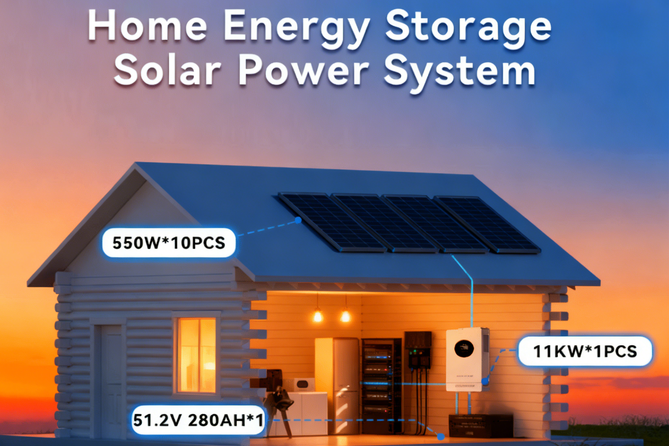
Solar-plus-storage is changing how the world uses energy. Technology is moving fast, and system costs keep dropping. Because of this, the combination of solar and batteries is now one of the most practical clean-energy solutions.
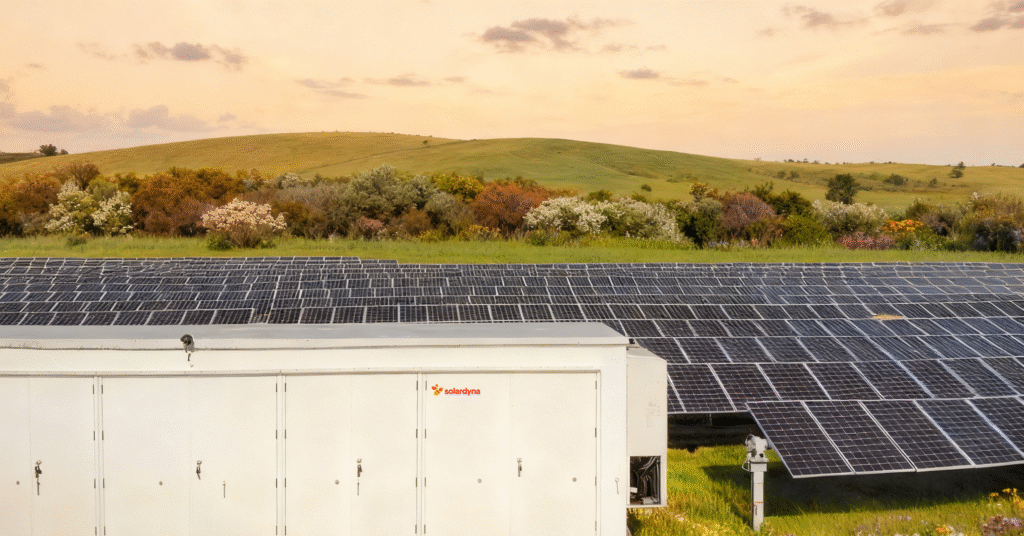
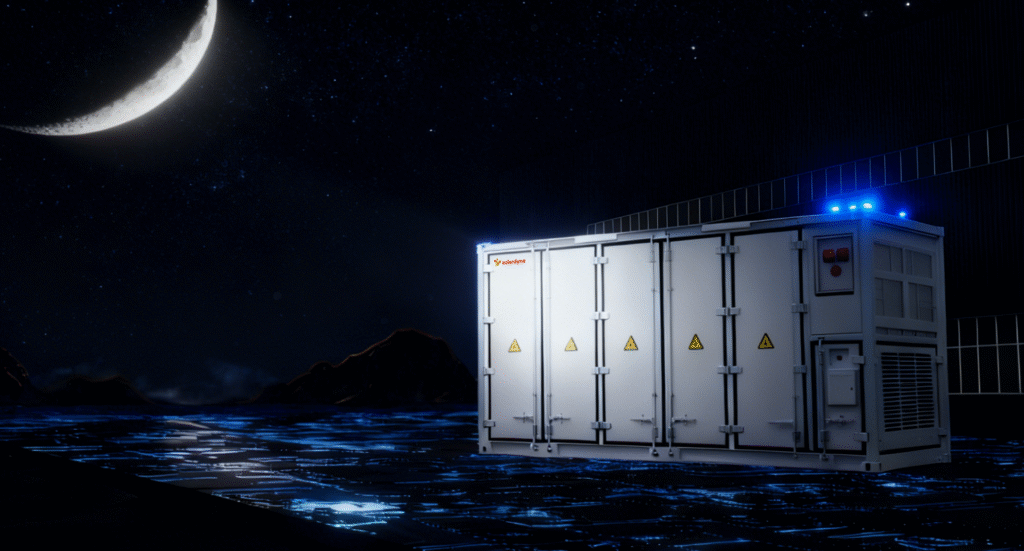
Solar power on its own is not stable. It depends on sunlight, so output changes with weather, seasons, and time of day. A storage system fixes this problem. It stores extra energy during the day and releases it at night or on cloudy days. This makes the power supply steady and reliable. It also helps solar compete with traditional energy in both performance and stability.
For homes, solar-plus-storage offers more freedom and less dependence on the grid. For businesses and factories, it helps reduce electricity bills by using stored power during peak-price hours. At the grid level, large battery systems lower peak pressure and make power delivery more stable.
Solar-plus-storage is shaping a new way of producing and using energy. As the technology improves, it will take on a bigger role in future energy systems and support the global move toward clean and low-carbon power.
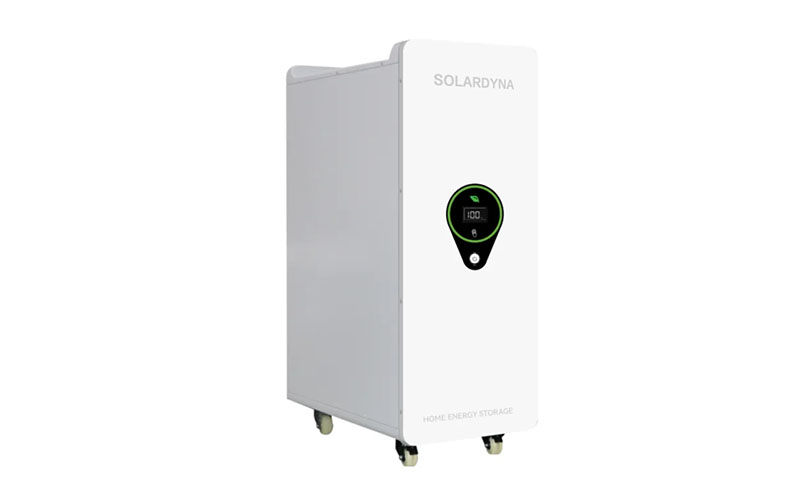
Case Study: Solardyna’s Energy Transition Project
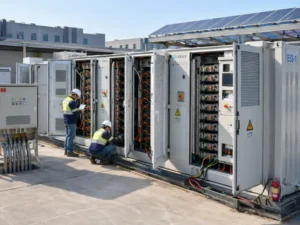
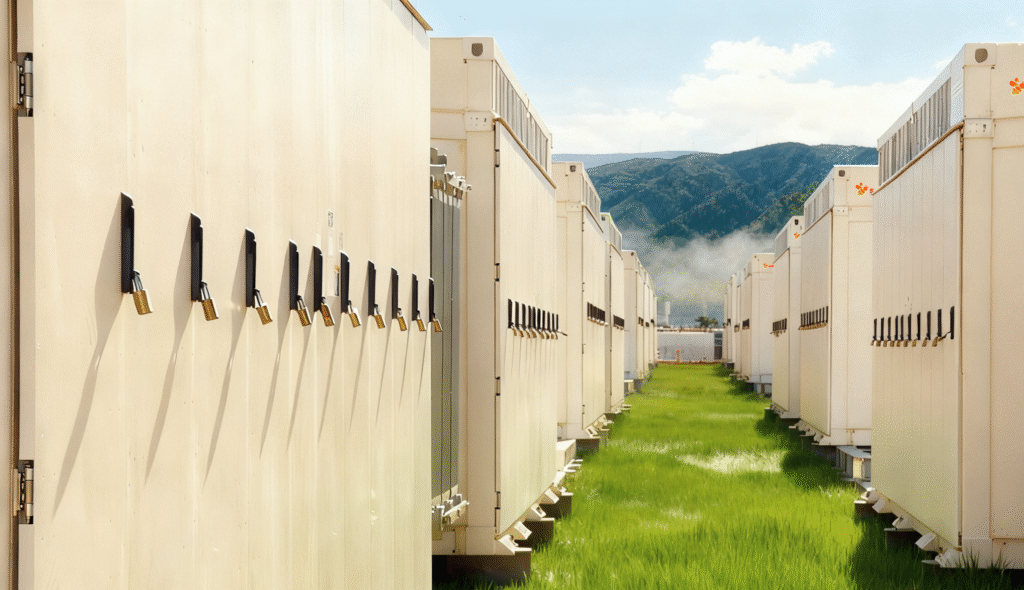
Now let’s look at a real example of how solar-plus-storage works in practice. In one industrial park, Solardyna installed a complete system that shows the impact clearly. The project includes a 5 MW rooftop solar plant and a 2 MWh battery system.
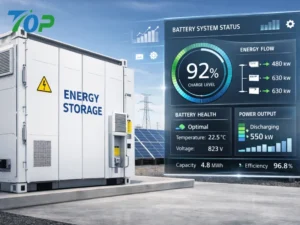
The system controls solar production, battery charging, and load use through smart software. As a result, the park now uses 95% of its daytime solar power. At night, the battery covers about 30% of total demand. This balance keeps power stable for daily operations.
In addition, the system helps cut around 5,000 tons of carbon emissions each year and saves about USD 420,000 in electricity costs. Because of this strong performance, several nearby parks have started to follow the same model. The project highlights Solardyna’s capability and shows how industrial sites can move toward cleaner and more cost-efficient energy.
FAQ:
1.Why isn’t solar power alone enough for commercial or industrial users?
Solar power changes throughout the day. Weather and seasons affect it even more. As a result, factories and buildings that need steady power often face:
- Equipment downtime
- Higher electricity bills
- No stable energy supply
However, a battery system fixes this by providing 24/7 usable solar energy.
2.What problem does energy storage solve that solar panels cannot?
Solar panels only work when sunlight is strong. This creates a timing mismatch between when energy is made and when it is needed. With storage, extra daytime energy is saved and used later. Therefore, users rely less on the grid and get a more stable power supply.
3.Our electricity load changes a lot. Can solar-plus-storage handle that?
Yes. In fact, a modern storage system can:
- Smooth sudden load spikes
- Provide stable power during production changes
- Lower peak demand charges
This is especially helpful for factories that use heavy machines. As a result, the whole system runs more smoothly.
4.Will a solar-plus-storage system really reduce electricity costs?
For most commercial and industrial users, the answer is yes. Cost savings come from:
- Using stored energy during peak-price hours
- Lowering demand charges
- Buying less electricity from the grid
- Using more on-site solar power
In many cases, industrial parks save 15–40% each year. This makes the system a strong long-term investment.
5.Do storage systems require a lot of maintenance?
Not with today’s lithium systems. They support:
- Remote monitoring
- Predictive maintenance
- Automatic charge and discharge control
As a result, daily operation is simple and almost hands-off.