Off-Grid vs Hybrid Solar Systems: Why System Selection Is Critical for EPC Profitability and Project Success
Rising energy costs, tightening grid regulations, and increasing pressure to deliver stable ROI are reshaping how solar projects are designed and procured. For EPC contractors, distributors, and technical procurement managers, choosing the wrong system architecture is no longer a minor mistake—it can lead to project delays, cost overruns, and long-term performance issues. In today’s competitive market, understanding the off-grid vs hybrid solar systems decision is critical to ensuring profitability and system reliability.
This article helps EPC contractors, solar installers, and B2B buyers evaluate the difference between off-grid and hybrid solar systems from both a technical and commercial perspective. Rather than focusing on basic definitions, we will break down real-world implications—system compatibility, battery performance, certification risks, and long-term scalability—so you can make informed procurement decisions with confidence.
Why Choosing the Wrong Solar System Can Cost EPCs Millions
The Hidden Risks in Solar System Procurement
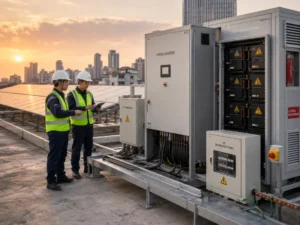
In large-scale solar and storage projects, the system architecture you choose directly affects not only performance, but also installation timelines, compliance approvals, and lifecycle profitability. Many EPC contractors underestimate how deeply system selection impacts downstream execution.
- Project Delays: Incompatible components—especially between batteries and inverters—can result in commissioning failures, requiring reconfiguration or replacement.
- Cost Overruns: Selecting the wrong system type often leads to additional investments later, such as retrofitting storage into a grid-tied system.
- After-Sales Burden: Weak technical support from suppliers increases troubleshooting time and labor costs.
- Compliance Risks: Missing certifications (e.g., IEC, UN38.3) can delay approvals or block project deployment entirely.
These risks are particularly critical when comparing off-grid vs hybrid solar systems, as each architecture comes with fundamentally different design assumptions and operational constraints.
💡 Expert Tip:
For B2B projects, system selection should be aligned with the project’s revenue model—not just technical feasibility. For example, off-grid systems prioritize energy independence, while hybrid systems are designed to optimize grid interaction and ROI.
Off-Grid vs Hybrid: Why the Confusion Exists in the Market
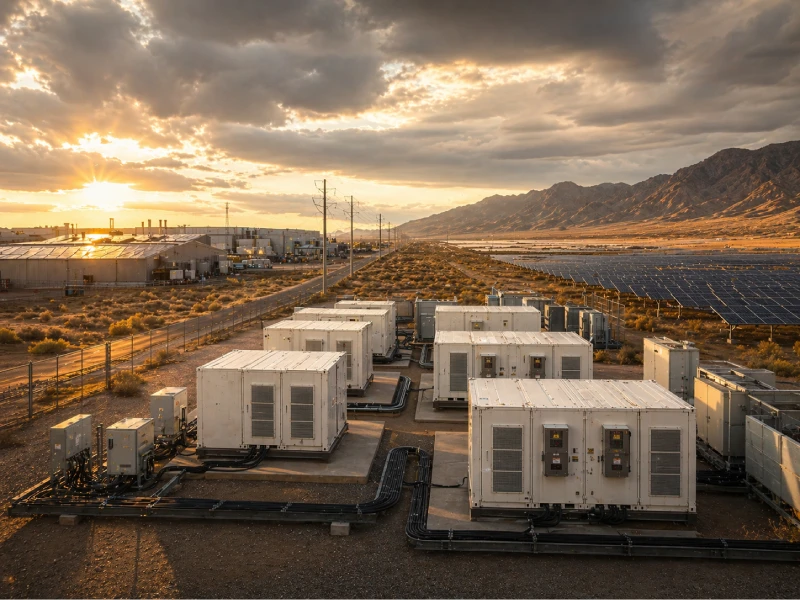
Despite being widely used in the industry, the distinction between off-grid and hybrid systems is often misunderstood—especially in supplier marketing materials. This confusion leads to incorrect system specifications and mismatched project expectations.
- Overlapping Terminology: Some suppliers label hybrid systems as “off-grid capable,” blurring the distinction.
- Lack of System-Level Understanding: Buyers may focus on individual components rather than full system integration.
- Different Design Philosophies: Off-grid systems are built for independence, while hybrid systems are optimized for flexibility and grid interaction.
Understanding the hybrid vs off grid solar system difference is essential for aligning system design with real-world application scenarios.
💡 Expert Tip:
Always request a full system diagram from suppliers—including energy flow paths. This provides immediate clarity on whether the system is truly off-grid or hybrid.
Off-Grid vs Hybrid Solar Systems: Technical Comparison That Matters
System Architecture Differences
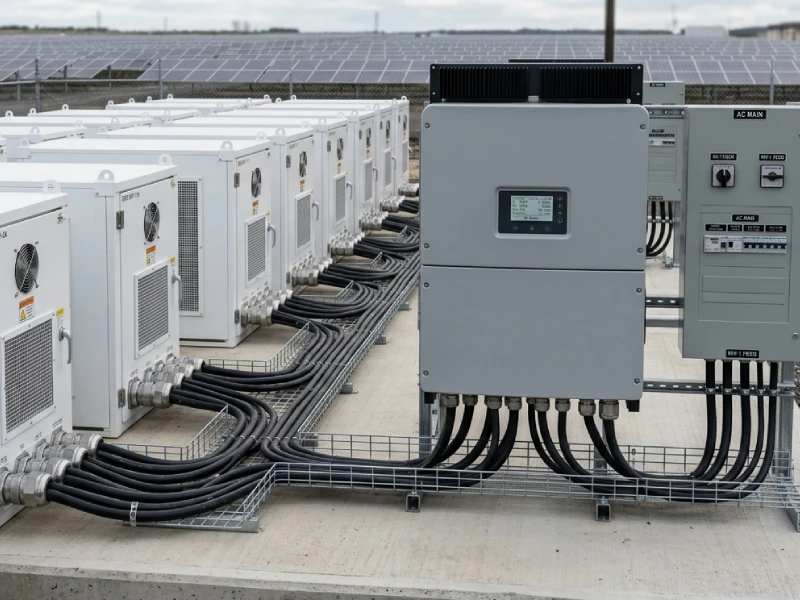
At the core of the off-grid vs hybrid solar systems comparison lies a fundamental difference in system architecture. Each system is designed to serve distinct operational needs, and understanding these differences is critical for proper system design.
Off-Grid Solar System:
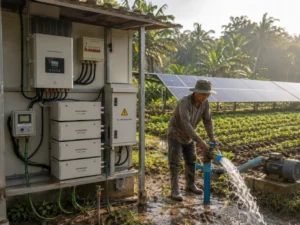
- Operates independently from the utility grid
- Relies entirely on solar panels and battery storage
- Requires precise system sizing to ensure uninterrupted power supply
- Common in remote or undeveloped areas
Hybrid Solar System:
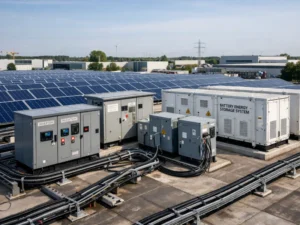
- Connected to the grid with integrated battery storage
- Allows energy import/export from the grid
- Provides backup power during outages
- Enables energy cost optimization (peak shaving, load shifting)
From a commercial perspective, hybrid systems offer greater flexibility, while off-grid systems provide full energy independence. The choice depends on project location, grid availability, and financial objectives.
💡 Expert Tip:
When evaluating system architecture, consider not only current needs but also future scalability. Hybrid systems generally provide more upgrade pathways compared to fully off-grid setups.
Battery Technology and BMS Integration
Battery performance is one of the most critical factors in both system types. Modern projects increasingly rely on lithium iron phosphate (LiFePO4) batteries due to their safety, longevity, and efficiency advantages.
- LiFePO4 Advantages: Longer cycle life (6000+ cycles), higher safety, stable thermal performance
- Energy Density: Enables compact system design
- Lower Maintenance: Compared to lead-acid alternatives
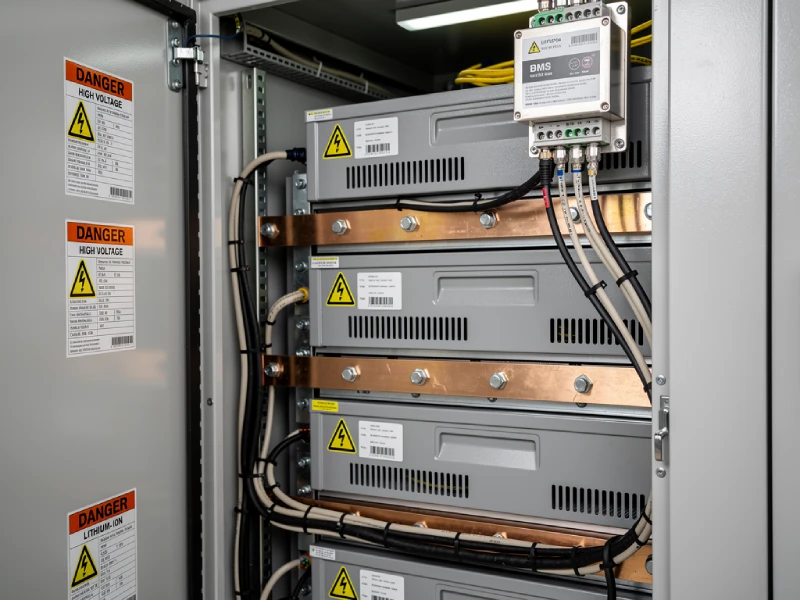
However, battery quality alone is not sufficient. The Battery Management System (BMS) determines how effectively the battery performs in real-world conditions.
Key BMS Capabilities:
- Accurate State of Charge (SOC) calculation
- Cell balancing for extended lifespan
- Protection mechanisms (overcharge, over-discharge, temperature)
- Communication protocols (CAN, RS485)
In hybrid systems, BMS integration becomes even more critical because it must communicate seamlessly with the inverter and grid interface. Poor integration can lead to system instability or reduced efficiency.
💡 Expert Tip:
Always verify that the BMS supports the inverter’s communication protocol. Compatibility at the protocol level is often overlooked but is essential for stable operation.
Inverter Compatibility and System Flexibility
In both system architectures, the inverter plays a central role in determining overall system performance, flexibility, and long-term upgrade potential. When evaluating off-grid vs hybrid solar systems, inverter selection is not just a technical decision—it is a strategic one that impacts system interoperability and lifecycle cost.
- Designed for standalone operation without grid dependency
- Typically include built-in charge controllers (MPPT)
- Require precise sizing to match load demand and battery capacity
- Limited ability to integrate with external energy sources
- Support both grid-connected and off-grid operation modes
- Enable seamless switching (often <20ms) for backup applications
- Allow bidirectional energy flow (import/export)
- Support advanced energy management strategies (time-of-use optimization)
From a B2B procurement perspective, one of the most critical considerations is inverter compatibility with batteries and third-party systems. Many suppliers offer closed ecosystems, which may simplify initial deployment but limit future scalability and vendor flexibility.
Key Compatibility Considerations:
- Support for multiple battery brands (open vs closed protocol)
- Firmware upgrade capability for future standards
- Integration with EMS (Energy Management Systems)
- Parallel operation for system expansion
Understanding the hybrid vs off grid solar system difference at the inverter level helps EPCs avoid vendor lock-in and ensures long-term adaptability.
💡 Expert Tip:
Prioritize inverters that support open communication protocols and have proven compatibility with leading battery brands. This reduces dependency on a single supplier and improves system resilience.
Certifications and Manufacturing Standards That Reduce Project Risk
For EPC contractors and distributors, compliance is not optional—it is a prerequisite for project execution. When comparing off-grid vs hybrid solar systems, certification and manufacturing quality directly affect project approval, insurance coverage, and long-term reliability.
Key Certifications for Energy Storage Systems:
- IEC 62619: Safety standard for industrial lithium batteries
- UN38.3: Transportation safety certification for lithium batteries
- CE / UL: Market access certifications for Europe and North America
- IEC 62109: Safety standard for power conversion equipment (inverters)
Failure to meet these standards can result in shipment delays, customs rejection, or project disqualification. Beyond certifications, manufacturing quality control processes are equally critical.
Key Manufacturing Quality Indicators:
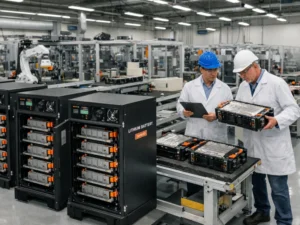
- Automated production lines for consistency
- 100% aging test before shipment
- Cycle life validation under real load conditions
- Traceability systems for each battery module
A high-quality manufacturing process ensures that system performance in the field matches laboratory specifications—something that is often overlooked during procurement.
💡 Expert Tip:
Request factory audit reports or virtual factory tours before selecting a supplier. Transparency in manufacturing is a strong indicator of long-term reliability.
Beyond Hardware: What B2B Buyers Should Really Evaluate
After-Sales Support and Technical Service Capabilities
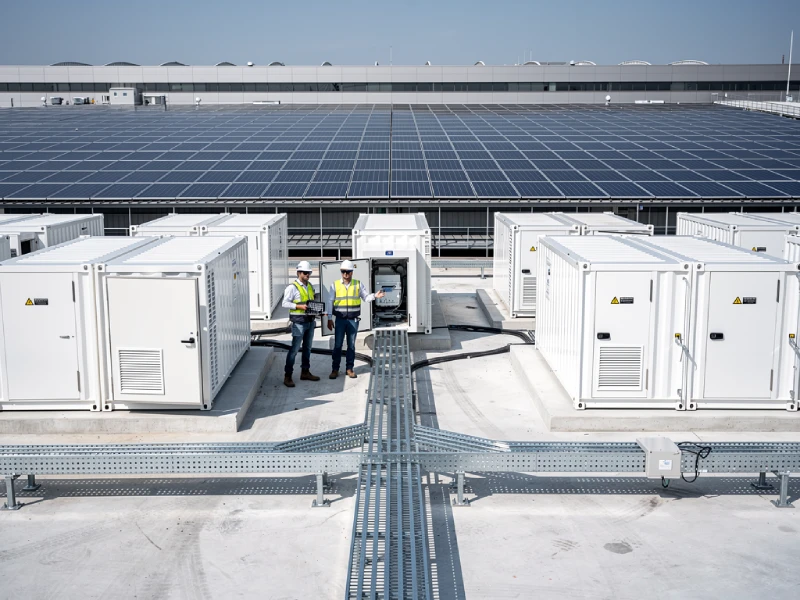
In B2B solar and storage projects, the quality of after-sales support can have a greater impact on profitability than the hardware itself. Even the most advanced off-grid vs hybrid solar systems can fail to deliver expected results without strong technical backing.
Critical After-Sales Factors:
- Remote commissioning and troubleshooting support
- Availability of local service partners or regional engineers
- Clear Service Level Agreements (SLAs)
- Training programs for EPC installation teams
Delayed technical support can lead to prolonged downtime, increased labor costs, and reputational damage for EPC contractors. Therefore, evaluating supplier support capabilities should be a core part of the procurement process.
💡 Expert Tip:
Ask suppliers for real response-time data and case studies. A supplier that can resolve issues within 24 hours provides a significant operational advantage.
Logistics and Supply Chain Reliability
For international solar projects, logistics is often one of the most underestimated risk factors. Lithium battery transportation involves strict regulations, and any misstep can delay project timelines significantly.
Key Logistics Considerations:
- Experience with dangerous goods (DG) shipping
- Availability of UN38.3 test reports and MSDS documentation
- Consistent production lead times
- Overseas warehouses or regional distribution hubs
In the context of off-grid vs hybrid solar systems, hybrid systems often involve more complex logistics due to additional components and integration requirements.
Reliable supply chains ensure that projects are delivered on time and within budget—two factors that directly influence EPC profitability.
💡 Expert Tip:
Choose suppliers with proven international shipping experience and documented delivery performance. Consistency is more valuable than speed in large-scale projects.
OEM/ODM Capability for Brand Growth and Market Expansion
For distributors and brand owners, OEM/ODM capabilities are essential for building competitive advantage in the solar and energy storage market. Beyond simply comparing off-grid vs hybrid solar systems, forward-thinking buyers evaluate how suppliers can support long-term brand development.
Key OEM/ODM Capabilities:
- Custom branding (logo, casing, packaging)
- Software customization (BMS interface, monitoring apps)
- Product co-development based on market needs
- Flexible minimum order quantities (MOQs)
Suppliers with strong OEM/ODM capabilities can help distributors differentiate their offerings and respond quickly to changing market demands.
Additionally, successful collaboration cases are a strong indicator of a supplier’s ability to deliver customized solutions at scale.
💡 Expert Tip:
Evaluate not only current OEM capabilities but also the supplier’s R&D strength. Innovation capacity determines long-term competitiveness.
How to Choose Between Off-Grid and Hybrid Solar Systems for Your Projects
After understanding the technical and operational differences, the final step in evaluating off-grid vs hybrid solar systems is translating this knowledge into a clear, repeatable decision-making framework. For EPC contractors, distributors, and procurement managers, the goal is not just selecting a system—but ensuring long-term profitability, scalability, and risk control.
A Practical Decision Framework for EPCs and Distributors
Choosing between system types should always begin with a structured evaluation of project conditions, energy requirements, and financial objectives. Below is a simplified framework widely used in commercial and industrial (C&I) solar projects:
1. Grid Availability and Stability
- No grid access: Off-grid systems are the only viable solution
- Unstable grid: Hybrid systems with backup functionality are preferred
- Stable grid: Hybrid systems optimize ROI through energy arbitrage
2. Energy Consumption Profile
- Constant load (e.g., telecom, remote facilities) → Off-grid
- Peak-demand charges (e.g., factories, commercial buildings) → Hybrid
- Critical loads requiring backup → Hybrid with battery priority mode
3. Financial Model and ROI Expectations
- Off-grid systems: Higher upfront cost, but essential for energy access
- Hybrid systems: Lower payback period due to savings on electricity bills
- Typical ROI for hybrid C&I projects: 3–6 years (depending on tariff structure)
4. System Scalability and Future Expansion
- Off-grid systems require careful upfront sizing
- Hybrid systems allow modular expansion (battery + inverter parallelization)
This structured approach ensures that the difference between off-grid and hybrid solar systems is evaluated not just technically, but also commercially.
💡 Expert Tip:
Always model at least two system scenarios (off-grid vs hybrid) using real load data and local tariff structures. Simulation-based decision-making significantly improves ROI accuracy.
Total Cost of Ownership (TCO) and LCOE Analysis
For B2B buyers, initial system cost (CAPEX) is only one part of the equation. A more accurate evaluation requires analyzing Total Cost of Ownership (TCO) and Levelized Cost of Energy (LCOE).
Key Cost Components:
- Equipment cost (PV modules, batteries, inverters)
- Installation and commissioning
- Operation & maintenance (O&M)
- Replacement costs (battery lifecycle)
- Downtime and performance losses
In off-grid vs hybrid solar systems, hybrid systems often demonstrate lower LCOE due to their ability to optimize energy usage through grid interaction. However, off-grid systems deliver value in scenarios where grid extension is economically unfeasible.
For example, in remote industrial projects, extending the grid can cost $10,000–$30,000 per kilometer, making off-grid systems more economically viable despite higher upfront investment.
💡 Expert Tip:
Use LCOE as the primary metric when comparing system options. It provides a standardized way to evaluate long-term energy cost across different system architectures.
Common Mistakes B2B Buyers Should Avoid
Even experienced EPC contractors can make critical mistakes when evaluating off-grid vs hybrid solar systems. Avoiding these pitfalls can significantly improve project outcomes:
- Focusing only on price: Lower upfront cost often leads to higher lifecycle expenses
- Ignoring compatibility: Mismatched components reduce system efficiency
- Underestimating load demand: Leads to system undersizing and performance issues
- Overlooking certifications: Causes delays in project approval and deployment
- Choosing suppliers without support infrastructure: Increases operational risk
Each of these mistakes directly impacts ROI, making it essential to adopt a holistic procurement strategy.
💡 Expert Tip:
Create a standardized supplier evaluation checklist that includes technical, financial, and operational criteria. This ensures consistent decision-making across projects.
Why the Right Supplier Matters More Than the System Type
While understanding the off-grid vs hybrid solar systems comparison is critical, the ultimate success of any project depends on the supplier behind the system. A reliable manufacturer acts not just as a vendor, but as a long-term partner in project execution.
Key Supplier Evaluation Criteria for B2B Buyers
- Technical Expertise: Ability to provide system-level design support
- Manufacturing Capability: Advanced production lines and strict quality control
- Certification Portfolio: Compliance with international standards
- Global Project Experience: Proven track record in similar markets
- After-Sales Infrastructure: Fast response and technical assistance
Suppliers with strong engineering capabilities can help optimize system design, reduce costs, and improve overall project performance.
💡 Expert Tip:
Ask for case studies with measurable results (ROI, system uptime, cost savings). Real-world data is more valuable than product specifications.
Request a Tailored Solar Storage Solution
Every project is unique, and selecting between off-grid vs hybrid solar systems requires a customized approach based on your specific requirements. Working with an experienced supplier ensures that your system is optimized for performance, cost, and scalability.
What Information You Should Prepare
- Project size (kW / kWh)
- Application scenario (residential, commercial, industrial)
- Grid availability and reliability
- Load profile and peak demand
- Target ROI and budget constraints
Providing accurate project data enables suppliers to deliver precise system configurations and cost estimates.
What You Will Receive
- Customized system design方案
- Detailed quotation (Bill of Materials)
- Technical documentation and certifications
- Professional consultation from engineers
This collaborative approach reduces uncertainty and accelerates project deployment.
💡 Expert Tip:
Engage suppliers early in the project planning phase. Early collaboration leads to better system optimization and cost control.
Making the Right Choice for Long-Term Success
The decision between off-grid vs hybrid solar systems is not simply a technical comparison—it is a strategic business decision that affects project profitability, operational stability, and long-term scalability.
Off-grid systems provide independence and reliability in remote environments, while hybrid systems offer flexibility and optimized energy management in grid-connected scenarios. Understanding these differences, combined with a strong supplier partnership, enables B2B buyers to minimize risk and maximize return on investment.
As the global energy landscape continues to evolve, the ability to make informed, data-driven decisions will become a key competitive advantage for EPC contractors and distributors alike.
Need a Tailored Off-Grid or Hybrid Solar Storage Solution?
Selecting between off-grid vs hybrid solar systems is a critical decision for EPC contractors, distributors, and industrial energy projects. We provide fully engineered LiFePO4 energy storage systems designed for long-term reliability, high ROI, and seamless system integration.
✔ High-efficiency LiFePO4 battery storage with advanced BMS integration
✔ Full compatibility with leading hybrid inverter brands
✔ OEM/ODM manufacturing for distributors and private label brands
✔ Stable global supply chain with certified export documentation
Speak with our engineering team to receive a custom off-grid or hybrid solar solution optimized for your project requirements
Frequently Asked Questions (FAQ) on Off-Grid vs Hybrid Solar Systems
Q1: What is the main difference between off-grid and hybrid solar systems?
The key difference lies in grid dependency. An off-grid solar system operates independently without any connection to the utility grid, relying entirely on solar panels and battery storage. A hybrid solar system, on the other hand, is connected to the grid and combines solar, battery storage, and grid electricity to optimize energy usage and ensure backup power. For EPC contractors, this distinction directly affects system design, cost structure, and long-term ROI planning.
Q2: Which system is more cost-effective for commercial projects?
In most commercial and industrial applications, hybrid systems are generally more cost-effective due to their ability to reduce electricity bills through peak shaving and load shifting. However, off-grid systems become more economical in remote areas where grid extension costs are extremely high. The final decision depends on location, energy demand profile, and long-term operational strategy.
Q3: Can hybrid solar systems work during power outages?
Yes. Hybrid solar systems are designed to provide backup power during grid outages. When the grid fails, the system automatically switches to battery mode, usually within milliseconds depending on the inverter. This makes hybrid systems highly suitable for factories, hospitals, and commercial buildings requiring uninterrupted power supply.
Q4: What type of battery is best for off-grid and hybrid solar systems?
Lithium Iron Phosphate (LiFePO4) batteries are currently the most recommended option for both system types. They offer long cycle life (typically 6000+ cycles), higher safety stability, and better depth of discharge compared to traditional lead-acid batteries. For hybrid systems, LiFePO4 batteries with advanced BMS integration are essential for efficient energy management.
Q5: How important is inverter compatibility in system design?
Inverter compatibility is critical. In hybrid systems especially, the inverter must communicate seamlessly with the battery management system (BMS) to ensure stable performance and efficient energy flow. Poor compatibility can lead to system inefficiency, communication errors, or even operational failure. EPC contractors should always verify protocol compatibility (e.g., CAN, RS485) before procurement.
Q6: What certifications should B2B buyers look for in solar storage systems?
Key certifications include IEC 62619 for battery safety, UN38.3 for transport safety, CE for European compliance, and UL certification for North American markets. These certifications ensure product safety, regulatory compliance, and smooth project approval. Lack of certification can lead to customs delays or project rejection.
Q7: Can off-grid systems be expanded in the future?
Off-grid systems have limited scalability compared to hybrid systems. While some expansion is possible, it requires careful redesign of battery capacity and inverter configuration. Hybrid systems offer greater flexibility because they can integrate additional batteries or expand capacity more easily through parallel system design.
Q8: What should EPC contractors evaluate before choosing a supplier?
EPC contractors should evaluate not only product specifications but also supplier capabilities, including technical support, manufacturing quality, logistics reliability, and OEM/ODM services. A strong supplier should provide system-level design support, fast after-sales response, and proven project experience. These factors directly impact project success and long-term operational stability.