Rising procurement costs, tightening grid compliance policies, and increasing pressure to deliver stable ROI are reshaping how EPC contractors, distributors, and technical procurement managers evaluate suppliers. In today’s competitive solar market, choosing the wrong partner among countless solar inverter manufacturers can result in project delays, certification failures, and long-term performance risks. For wholesale buyers managing large-scale deployments, even minor inconsistencies in inverter quality can lead to significant financial losses.
This article helps EPC contractors, distributors, and procurement decision-makers evaluate and select the most reliable solar inverter manufacturers by analyzing technical parameters, manufacturing standards, and supplier capabilities—ensuring long-term supply chain stability and project success.
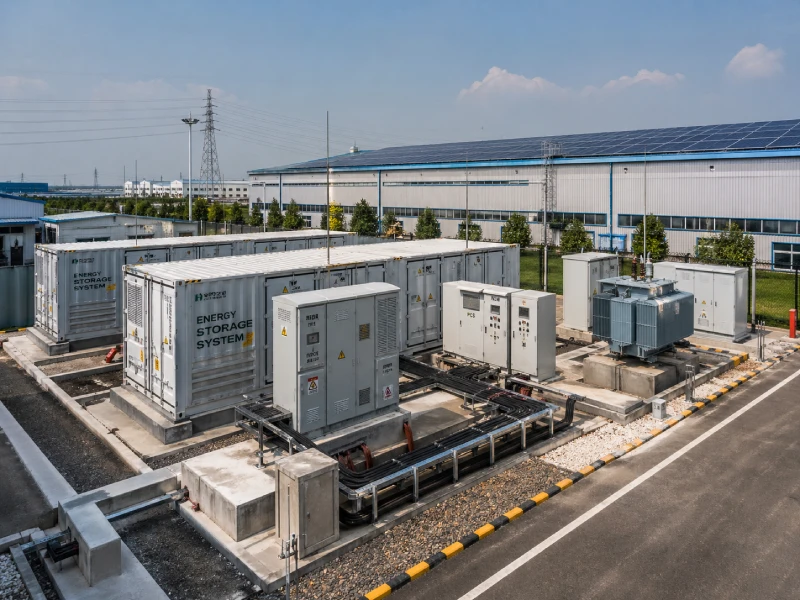
Why Choosing the Wrong Solar Inverter Supplier Can Cost You Millions
Hidden Risks in Solar Inverter Procurement for Wholesale Buyers
The global solar supply chain has expanded rapidly, bringing an overwhelming number of solar inverter suppliers into the market. While this creates more sourcing options, it also introduces significant risks for B2B buyers. Many suppliers focus on aggressive pricing strategies rather than long-term product reliability, leading to hidden issues that only surface after deployment.
Common procurement pitfalls include:
- Inflated performance claims: Some suppliers exaggerate efficiency ratings or fail to disclose real-world performance data.
- Incomplete certifications: Missing IEC, UL, or regional certifications can prevent grid connection approval.
- Batch inconsistency: Variations between production batches can compromise system stability in large-scale projects.
- Lack of after-sales support: Limited global service infrastructure increases operational risks for overseas projects.
Real Impact on EPC Projects and Distribution Businesses
For EPC contractors and distributors, these risks are not theoretical—they directly impact project timelines, profitability, and brand reputation.
- Project delays: Non-compliant inverters can halt installations and trigger contractual penalties.
- Higher O&M costs: Frequent failures increase maintenance expenses and reduce system efficiency.
- ROI reduction: Lower performance leads to decreased energy yield and extended payback periods.
- Reputational damage: Poor system reliability affects future project acquisition and client trust.
Expert Tip: When evaluating solar inverter manufacturers, always request batch-level testing data rather than relying solely on single-unit samples. Consistency across large orders is critical for commercial and utility-scale projects.
Technical Criteria That Define Top Solar Inverter Manufacturers
Understanding Different Types of Solar Inverters
Not all inverters are created equal. Selecting the right type depends on your project scale, application scenario, and system architecture. Leading solar inverter factory solutions typically offer a diverse portfolio to meet varying needs.
- String Inverters: Ideal for commercial rooftops and distributed systems, offering flexibility and cost efficiency.
- Hybrid Inverters: Designed for energy storage integration, enabling battery management and grid interaction.
- Central Inverters: Best suited for utility-scale solar farms requiring high-capacity centralized solutions.
For wholesale buyers, understanding these distinctions ensures optimal system design and procurement efficiency.
Efficiency, MPPT Range, and Performance Optimization
Efficiency is one of the most critical parameters when evaluating wholesale solar inverters. However, focusing solely on peak efficiency can be misleading. Buyers should assess overall system performance across different environmental conditions.
- Conversion Efficiency: High-quality inverters typically achieve ≥98% efficiency.
- MPPT Voltage Range: Wider ranges improve energy harvesting in variable sunlight conditions.
- Multiple MPPT Design: Essential for complex rooftops or installations with shading issues.
- Thermal Performance: Stable operation under high temperatures ensures long-term reliability.
A well-optimized inverter maximizes energy yield, directly improving project profitability.
Battery Compatibility and BMS Integration
With the rapid adoption of energy storage systems (ESS), compatibility between inverters and batteries has become a key procurement factor. Advanced solar inverter manufacturers prioritize seamless integration with lithium battery technologies, especially LiFePO4 systems.
- Communication Protocols: Support for CAN, RS485, and open protocols ensures flexible integration.
- BMS Compatibility: Ability to work with multiple battery brands reduces vendor lock-in.
- Hybrid Functionality: Enables peak shaving, backup power, and energy arbitrage.
For EPC contractors and system integrators, this flexibility simplifies system design and enhances scalability.
Expert Tip: Always prioritize inverter suppliers that support open communication protocols. This significantly reduces integration costs and increases flexibility when working with different battery systems.
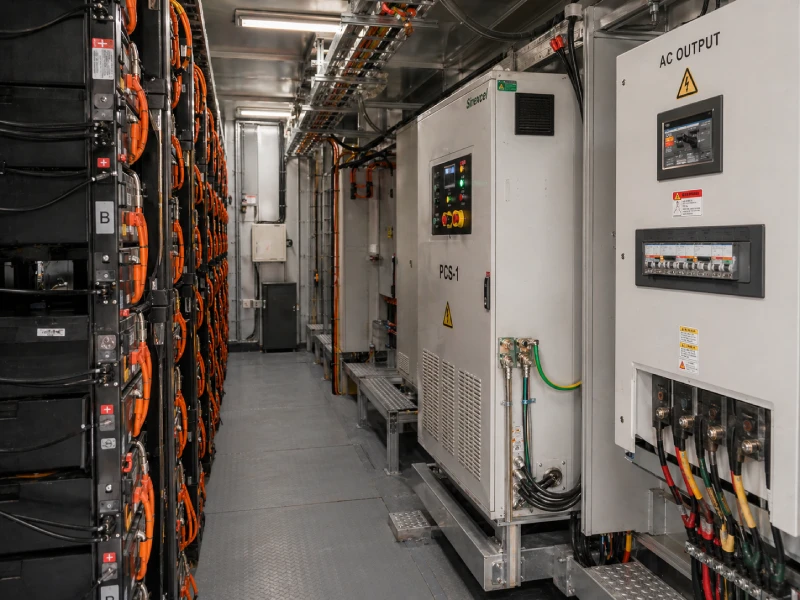
Manufacturing Standards and Certifications That Separate Top Solar Inverter Manufacturers
Beyond technical specifications, the true reliability of solar inverter manufacturers is defined by their manufacturing discipline, certification coverage, and long-term quality consistency. For wholesale buyers managing cross-border projects, compliance is not optional—it is a prerequisite for market entry and risk mitigation. Selecting a supplier without robust certification and quality systems can result in shipment rejections, grid connection failures, and costly redesigns.
Global Certifications for Market Access and Compliance
Top-tier solar inverter suppliers invest heavily in obtaining and maintaining international certifications. These certifications validate not only product safety but also performance under standardized testing conditions.
- IEC Standards (e.g., IEC 62109, IEC 61727): Mandatory for most international markets, ensuring electrical safety and grid compatibility.
- UL Certification: Critical for North American markets, especially for commercial and industrial installations.
- CE Marking: Required for European Union distribution, covering safety, health, and environmental protection.
- TÜV Certification: Independent verification of product quality and durability.
- Grid Compliance Certificates: Country-specific approvals (e.g., VDE in Germany, G98/G99 in the UK, AS/NZS in Australia).
Wholesale buyers should verify not only the existence of these certifications but also their validity, scope, and applicability to specific inverter models. Many low-cost suppliers claim compliance but fail to provide traceable documentation.
Expert Tip: Always request certification reports with matching model numbers and issuing bodies. Mismatched or expired certificates are a common red flag when evaluating solar inverter manufacturers for international projects.
End-to-End Quality Control Systems
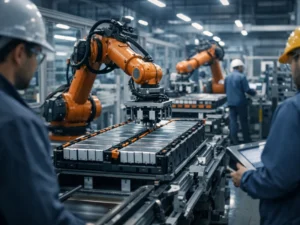
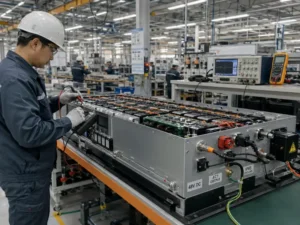
Reliable solar inverter factory operations implement multi-stage quality control processes that ensure consistency from raw materials to final shipment. This is particularly important for bulk procurement, where even minor defects can scale into major system failures.
- IQC (Incoming Quality Control): Inspection of electronic components, semiconductors, and PCB materials.
- IPQC (In-Process Quality Control): Monitoring during assembly to detect defects early.
- OQC (Outgoing Quality Control): Final product inspection before shipment.
- Aging Tests: Continuous operation testing (typically 24–72 hours) to identify early-life failures.
- Environmental Stress Testing: High-temperature, humidity, and vibration tests simulating real-world conditions.
For EPC contractors and distributors, these processes translate directly into lower failure rates, reduced maintenance costs, and improved system uptime.
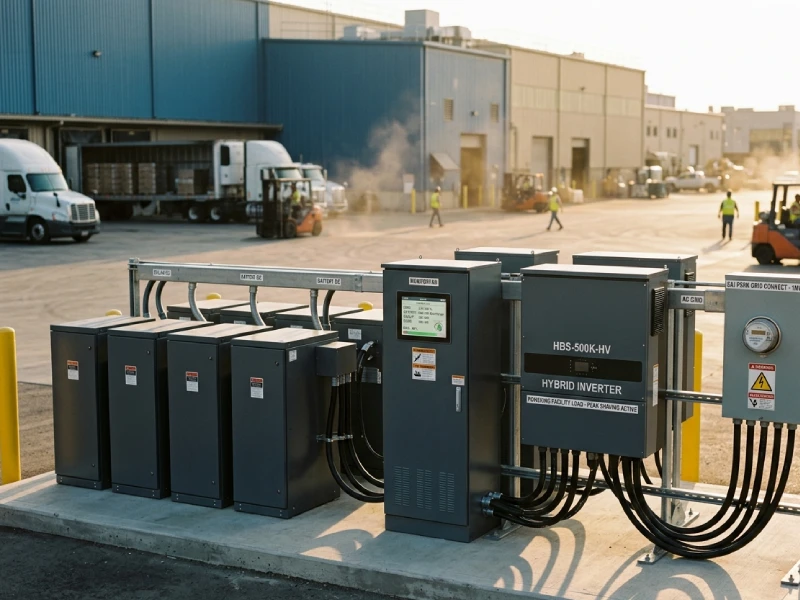
R&D Capability and Product Innovation
In a rapidly evolving energy landscape, leading solar inverter manufacturers differentiate themselves through continuous innovation. Strong R&D capabilities indicate a supplier’s ability to adapt to new technologies, regulations, and market demands.
- Proprietary Topology Design: Enhances efficiency and reliability.
- Firmware & Software Development: Enables remote monitoring, diagnostics, and OTA updates.
- Smart Energy Management Integration: Supports grid interaction, demand response, and energy optimization.
- AI-driven Monitoring Systems: Predictive maintenance and fault detection.
Choosing an innovative supplier ensures that your systems remain competitive and future-proof in dynamic markets.
Beyond the Product: What Truly Defines a Reliable Solar Inverter Supplier
While product specifications are critical, experienced buyers understand that long-term success depends on factors beyond hardware. The best solar inverter manufacturers act as strategic partners, offering comprehensive support across the entire project lifecycle.
After-Sales Support and Warranty Policies
A robust after-sales system is essential for minimizing operational risk, especially in overseas deployments. Reliable solar inverter suppliers provide structured support mechanisms tailored to B2B needs.
- Standard Warranty Coverage: Typically 5–10 years, with options for extension.
- Global Service Network: Localized support teams or authorized partners.
- Fast Replacement Policies: Advanced replacement or spare unit stocking.
- Remote Diagnostics: Real-time troubleshooting and system monitoring.
For EPC contractors, this translates into faster issue resolution and reduced downtime, which is critical for maintaining client satisfaction and contractual performance.
Expert Tip: Evaluate not just warranty duration, but the actual service execution model. A 10-year warranty is meaningless without a clear and fast replacement process in your target market.
Technical Support for EPCs and System Integrators
Top-tier suppliers go beyond product delivery by offering technical collaboration. This is particularly valuable for complex commercial and industrial projects.
- Pre-Sales System Design Support: Assistance with inverter sizing and configuration.
- Commissioning Guidance: On-site or remote support during installation.
- Training Programs: Technical training for installers and partners.
- Documentation and Tools: Access to datasheets, simulation tools, and integration guides.
Such capabilities significantly reduce project risks and improve installation efficiency.
Logistics, Delivery Stability, and Global Supply Chain Strength
Supply chain reliability is a major concern for wholesale buyers sourcing wholesale solar inverters in large volumes. Delays or inconsistencies can disrupt entire project timelines.
- Production Capacity: Ability to handle bulk orders without compromising quality.
- Lead Time Stability: Predictable manufacturing and delivery schedules.
- Overseas Warehousing: Faster delivery and reduced logistics costs.
- Custom Packaging Solutions: Protection against damage during long-distance transportation.
A resilient supply chain ensures that distributors and EPC contractors can execute projects with confidence.
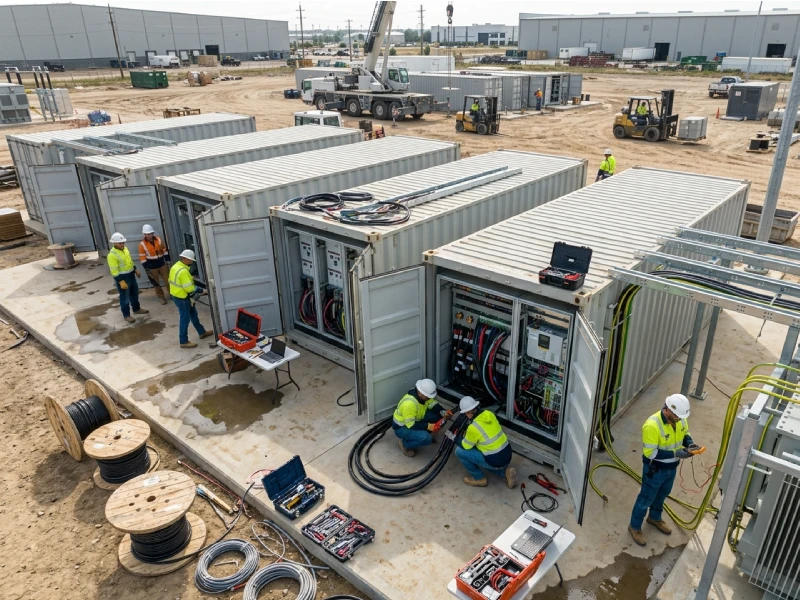
OEM/ODM Capabilities for Brand Growth
For distributors aiming to build their own brand, OEM and ODM services are a key differentiator when selecting a solar inverter factory. These capabilities enable long-term market positioning rather than short-term resale.
- Brand Customization: Logo, interface, and packaging personalization.
- Software Customization: Tailored monitoring platforms and mobile applications.
- Product Differentiation: Unique features for competitive advantage.
- Co-Development Opportunities: Joint product innovation with manufacturers.
This strategic approach allows distributors to move up the value chain and establish stronger market presence.
Expert Tip: Partnering with a manufacturer that offers scalable OEM solutions allows you to transition from a reseller to a brand owner—unlocking higher margins and long-term customer loyalty.
Looking for a Reliable Solar Inverter Partner?
Access detailed technical datasheets, certification documents, and customized OEM solutions tailored to your market needs.
Get Technical Specifications & Wholesale PricingHow to Shortlist the Best Solar Inverter Manufacturers for Wholesale Procurement
After evaluating technical specifications, manufacturing standards, and supplier capabilities, the next step for B2B buyers is to translate this information into a structured procurement decision. For EPC contractors, distributors, and procurement managers, selecting the right partner among numerous solar inverter manufacturers requires a systematic approach that balances performance, risk, and long-term business value.
A Practical Supplier Evaluation Framework
To minimize uncertainty and ensure consistency across large-scale projects, wholesale buyers should implement a standardized evaluation framework when comparing solar inverter suppliers.
- Technical Transparency: Are efficiency curves, MPPT ranges, and thermal performance clearly documented?
- Certification Completeness: Do all models meet the regulatory requirements of your target market?
- Batch Consistency: Can the supplier provide production consistency reports for large orders?
- System Compatibility: Does the inverter integrate seamlessly with your chosen battery and ESS architecture?
- After-Sales Infrastructure: Is there a clear service and replacement process in your operating region?
- Delivery Reliability: Can the supplier meet deadlines consistently for bulk shipments?
- OEM/ODM Capability: Does the supplier support long-term brand development strategies?
By scoring each supplier against these criteria, procurement teams can move from subjective judgment to data-driven decision-making, reducing risk and improving long-term outcomes.
Expert Tip: Create a weighted scoring model based on your project priorities (e.g., cost vs. reliability vs. delivery speed). This ensures alignment between procurement decisions and overall business strategy.
Common Mistakes to Avoid in Wholesale Solar Inverter Sourcing
Even experienced buyers can fall into common traps when sourcing wholesale solar inverters. Recognizing these pitfalls early can prevent costly errors.
- Overemphasis on Price: Low-cost suppliers often compromise on quality and support.
- Ignoring Lifecycle Costs: Maintenance, downtime, and replacement costs can exceed initial savings.
- Single-Supplier Dependency: Lack of diversification increases supply chain risk.
- Insufficient Technical Validation: Skipping lab tests or pilot installations can lead to unexpected failures.
- Neglecting Contract Terms: अस्पष्ट warranty and service agreements create disputes later.
Avoiding these mistakes is essential for maintaining project timelines, protecting margins, and ensuring client satisfaction.
Why Partnering with the Right Solar Inverter Manufacturer Is a Strategic Advantage
Selecting the right partner among global solar inverter manufacturers is not just a procurement decision—it is a strategic investment in long-term business success. The right supplier contributes to operational efficiency, market competitiveness, and sustainable growth.
What Defines a Strategic Supplier Relationship
- Consistency: Stable product quality across all shipments.
- Scalability: Ability to support business growth and larger projects.
- Innovation: Continuous improvement and adaptation to new technologies.
- Responsiveness: Fast communication and problem-solving capabilities.
- Alignment: Shared commitment to long-term partnership success.
These factors collectively determine whether a supplier can support your expansion into new markets and applications.
How SolarDyna Supports Wholesale Buyers and EPC Contractors
As a professional partner in the renewable energy sector, SolarDyna positions itself among reliable solar inverter manufacturers by combining technical expertise, manufacturing excellence, and customer-centric services tailored to B2B clients.
- Integrated Energy Solutions: Support for complete systems including ESS and inverter integration.
- Strict Quality Control: Multi-stage inspection processes ensuring product consistency.
- Global Certification Coverage: Compliance with key international markets.
- Flexible OEM/ODM Services: Enabling distributors to build and scale their own brands.
- Dedicated Technical Support: Engineering assistance throughout project lifecycles.
By aligning product performance with service reliability, SolarDyna helps wholesale buyers reduce risk while maximizing project value.
Start Building a Reliable Solar Supply Chain Today
Whether you are sourcing for large-scale EPC projects or expanding your distribution network, partnering with the right solar inverter suppliers is critical to your long-term success. Gain access to high-performance products, certified manufacturing, and scalable OEM solutions designed for global markets.
Get Wholesale Pricing & Technical Datasheet Talk to Our Engineering TeamConclusion: Turning Supplier Selection into a Competitive Advantage
In a rapidly evolving solar industry, selecting the right solar inverter manufacturers is no longer a simple purchasing decision—it is a critical factor in determining project success, operational efficiency, and long-term profitability. By focusing on technical performance, manufacturing standards, and supplier capabilities, B2B buyers can significantly reduce risk and improve system reliability.
For EPC contractors and distributors, the goal is not just to secure products, but to build a resilient supply chain that supports sustainable growth. By applying a structured evaluation approach and partnering with reliable suppliers, businesses can transform procurement into a strategic advantage—driving higher ROI, stronger client relationships, and long-term market competitiveness.
Ultimately, the difference between project success and failure often lies in the quality of your supply chain. Choose wisely, evaluate thoroughly, and partner strategically.
Frequently Asked Questions About Solar Inverter Manufacturers for Wholesale Buyers
1. How do I choose reliable solar inverter manufacturers for large-scale projects?
To choose reliable solar inverter manufacturers, B2B buyers should evaluate technical specifications, certification compliance (IEC, UL, CE), production consistency, and after-sales support. It is also critical to verify batch-level quality data, not just sample performance. For EPC contractors and distributors, selecting suppliers with proven large-scale project experience significantly reduces procurement risks.
2. What certifications are required for solar inverters in different markets?
Certification requirements vary by region. Common global standards include IEC for international markets, UL for North America, and CE for Europe. Additionally, country-specific grid certifications such as VDE (Germany) or G99 (UK) are often mandatory. Wholesale buyers should ensure that solar inverter suppliers provide valid and model-specific certification documents to avoid project delays.
3. What is the difference between string inverters, hybrid inverters, and central inverters?
String inverters are commonly used in commercial and distributed systems due to their flexibility. Hybrid inverters integrate energy storage and are ideal for projects combining solar and batteries. Central inverters are designed for utility-scale installations with high capacity. Choosing the right type depends on project size, application scenario, and system architecture.
4. Why is batch consistency important when sourcing wholesale solar inverters?
Batch consistency ensures that all units perform uniformly across large installations. Inconsistent performance can lead to system imbalance, reduced efficiency, and increased maintenance costs. Reliable solar inverter manufacturers implement strict quality control processes to maintain consistency across production batches, which is essential for EPC projects.
5. How important is inverter compatibility with battery storage systems?
Compatibility is critical, especially for hybrid and energy storage projects. Solar inverters must support communication protocols such as CAN or RS485 and be compatible with different battery management systems (BMS). Choosing inverter suppliers with open protocol support provides greater flexibility and reduces integration challenges for system integrators.
6. What should be included in a solar inverter warranty and after-sales service?
A comprehensive warranty should cover at least 5–10 years and include clear replacement or repair terms. B2B buyers should also evaluate the supplier’s global service network, response time, and availability of spare parts. Strong after-sales support from solar inverter manufacturers minimizes downtime and ensures long-term system reliability.
7. Can solar inverter manufacturers provide OEM or custom branding solutions?
Yes, many solar inverter manufacturers offer OEM and ODM services for distributors and brand owners. These services include logo customization, software interface design, and packaging personalization. For B2B buyers, OEM capabilities enable brand differentiation and help build long-term market competitiveness.
8. What factors impact the total cost of ownership (TCO) of solar inverters?
The total cost of ownership includes not only the initial purchase price but also installation, maintenance, efficiency losses, and potential downtime. High-quality wholesale solar inverters with better efficiency and reliability may have higher upfront costs but deliver better ROI over time. Evaluating lifecycle costs is essential for making informed procurement decisions.