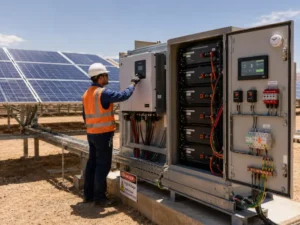
Why Choosing the Right OEM ODM Battery Manufacturer Determines Long-Term ESS Project Success
As the global energy storage market continues to expand, choosing the right OEM ODM battery manufacturer has become one of the most critical decisions for EPC contractors, solar distributors, project developers, and commercial energy integrators. In today’s highly competitive ESS market, selecting between an OEM and ODM manufacturing model directly affects project profitability, product reliability, certification timelines, supply chain stability, and long-term customer satisfaction.
Many B2B buyers initially focus on battery pricing alone. However, experienced procurement managers understand that the true success of a commercial energy storage project depends on much more than upfront cost. Engineering capability, manufacturing consistency, customization flexibility, and lifecycle technical support all determine whether an ESS deployment becomes a long-term asset or a long-term liability.
For EPC contractors handling commercial and industrial projects, utility-scale deployments, telecom backup systems, or hybrid solar-storage integration, understanding the difference between OEM and ODM manufacturing is essential for reducing technical risk and protecting project ROI. A reliable OEM ODM battery manufacturer does not simply produce battery systems—it becomes a long-term engineering and supply chain partner.
This guide explains the engineering, operational, and commercial differences between OEM and ODM battery manufacturing models. It also provides practical evaluation strategies that help B2B buyers identify reliable ESS suppliers capable of supporting scalable, safe, and certification-ready energy storage solutions.
Why OEM vs ODM Decisions Directly Impact ESS Project Profitability
The rapid growth of renewable energy integration, grid modernization, and commercial decarbonization initiatives has accelerated demand for advanced battery energy storage systems worldwide. At the same time, EPC contractors and energy solution providers face increasing pressure to reduce project risks while improving deployment speed and lifecycle reliability.
In this environment, choosing the wrong battery manufacturing partner can create significant operational and financial consequences.
- Project delivery delays caused by unstable production scheduling
- Battery failures resulting from inconsistent cell quality
- Certification complications during grid compliance approval
- Warranty disputes due to inadequate technical documentation
- Integration challenges between PCS, EMS, and BMS systems
- Supply chain disruptions during lithium market volatility
For many commercial ESS projects, the hidden costs associated with supplier instability eventually exceed the original battery procurement cost savings. This is why experienced buyers increasingly prioritize engineering-level cooperation rather than simply sourcing low-cost battery products.
Expert Tip
In commercial ESS deployments, battery pricing usually represents only part of the total project lifecycle cost. System downtime, delayed commissioning, poor thermal management, and insufficient after-sales engineering support often generate far greater long-term financial exposure than the initial procurement budget.
What Is an OEM Battery Manufacturer in the Energy Storage Industry?
An OEM battery manufacturer produces energy storage systems according to specifications provided by the buyer. In the ESS industry, OEM manufacturing allows EPC contractors, distributors, and energy brands to create highly customized battery products tailored to specific market requirements, grid regulations, environmental conditions, and project applications.
Under an OEM cooperation model, the buyer typically controls:
- Battery specifications
- System architecture
- Capacity configuration
- Voltage platform
- Brand identity
- Software integration requirements
- Regional compliance standards
Meanwhile, the manufacturer provides engineering execution, production infrastructure, testing capability, and quality assurance support.
Why OEM Manufacturing Is Popular in Commercial ESS Projects
OEM manufacturing is especially attractive for large-scale EPC projects because it provides greater engineering flexibility and stronger differentiation capability. Commercial and industrial energy storage systems often require application-specific optimization that cannot be achieved using standard off-the-shelf products.
For example, an industrial ESS deployment in Southeast Asia may require:
- Enhanced thermal management for high ambient temperatures
- Specific PCS communication protocols
- Customized EMS integration
- Local grid-code compliance
- Specialized enclosure protection ratings
- Remote monitoring functions
An experienced OEM ODM battery manufacturer can adapt the product design and manufacturing process to support these requirements while maintaining safety, scalability, and certification compatibility.
Common OEM Customization Areas in LiFePO4 ESS Manufacturing
OEM customization in energy storage systems can extend far beyond simple logo placement or enclosure modifications. Engineering-level OEM projects often involve deep technical integration across multiple system layers.
Typical OEM customization areas include:
- BMS architecture customization
- Cell chemistry selection
- Cabinet structural optimization
- Cooling system design
- Fire suppression integration
- Battery module layout
- EMS communication protocols
- Hybrid inverter compatibility
- Grid compliance adaptation
- SCADA integration
This level of flexibility is especially valuable for EPC contractors managing utility-scale projects, industrial microgrids, telecom infrastructure, or mission-critical backup power applications.
Engineering Perspective: Why OEM Projects Require Strong Technical Collaboration
Unlike standardized ODM products, OEM ESS projects involve extensive communication between the buyer’s engineering team and the manufacturer’s technical department. Successful OEM development depends on coordinated work across:
- Electrical engineering
- Thermal management engineering
- Mechanical structure design
- Battery safety validation
- Software communication integration
- Certification preparation
This is why experienced EPC contractors often prioritize manufacturers with strong in-house engineering resources rather than suppliers focused only on assembly capability.
Advantages of OEM ESS Manufacturing for B2B Buyers
For established energy solution providers, OEM cooperation offers several strategic advantages.
1. Stronger Product Differentiation
OEM manufacturing allows companies to build unique energy storage solutions tailored to specific industries or regional market needs. This helps distributors and EPC contractors avoid direct price competition in saturated markets.
2. Better Integration Flexibility
Custom ESS architecture enables smoother integration with existing solar systems, PCS platforms, EMS software, and utility infrastructure.
3. Improved Long-Term Brand Value
Companies using OEM solutions can gradually establish proprietary product ecosystems, enhancing market positioning and customer retention.
4. Enhanced Compliance Adaptability
OEM systems can be engineered specifically for local grid regulations, environmental conditions, and certification requirements.
5. Greater Lifecycle Control
Customized systems provide more control over maintenance strategy, firmware updates, spare parts management, and future system expansion.
Expert Tip — OEM Is Not Just Product Customization, It Is Risk Management
Many buyers mistakenly assume OEM manufacturing simply means adding branding or modifying battery specifications. In reality, high-level OEM cooperation is primarily about reducing engineering and operational risks throughout the ESS lifecycle.
Well-executed OEM projects help prevent:
- BMS communication incompatibility
- Thermal imbalance issues
- Container airflow failures
- Grid-code certification delays
- Unexpected maintenance complexity
- System integration instability
For utility-scale and commercial ESS projects, these engineering details can directly affect commissioning timelines, safety performance, and long-term project ROI.
Potential Challenges of OEM Manufacturing
Although OEM manufacturing offers greater flexibility, it also introduces additional complexity compared to standardized ODM products.
Common OEM project challenges include:
- Longer product development cycles
- Higher engineering coordination requirements
- Increased certification preparation time
- Higher initial tooling investment
- More extensive testing procedures
- Greater dependency on supplier engineering capability
As a result, buyers should carefully evaluate whether their project requirements truly justify full OEM development or whether an ODM platform with selective customization may provide a more efficient solution.
This evaluation becomes especially important for fast-growing distributors or companies entering new ESS markets with limited internal engineering resources.
Why EPC Contractors Increasingly Prefer Engineering-Level ESS Suppliers
The energy storage industry has evolved far beyond simple battery assembly. Modern commercial and industrial ESS projects require multidisciplinary engineering coordination involving electrical systems, thermal management, software integration, fire protection, grid communication, and long-term operational reliability.
As project complexity increases, EPC contractors are moving away from transactional supplier relationships and toward strategic manufacturing partnerships.
Today’s leading EPC firms increasingly evaluate battery suppliers based on:
- Engineering depth
- Factory automation capability
- Certification experience
- System integration support
- Quality traceability systems
- Long-term technical responsiveness
This shift explains why the role of the modern OEM ODM battery manufacturer has expanded significantly. Manufacturers are no longer viewed solely as product vendors. They are expected to function as technical collaborators capable of supporting system-level project execution.
The Importance of Pre-Sales Engineering Support
Before manufacturing even begins, experienced ESS suppliers often assist EPC contractors with:
- Load profile analysis
- Battery sizing recommendations
- PCS compatibility verification
- Thermal simulation evaluation
- Container layout optimization
- Grid-code compliance planning
This engineering collaboration significantly reduces the likelihood of commissioning issues later in the project lifecycle.
In many utility-scale ESS projects, technical planning errors discovered after deployment can result in extremely costly redesigns and operational delays. Strong engineering support during the early project stage helps minimize these risks.
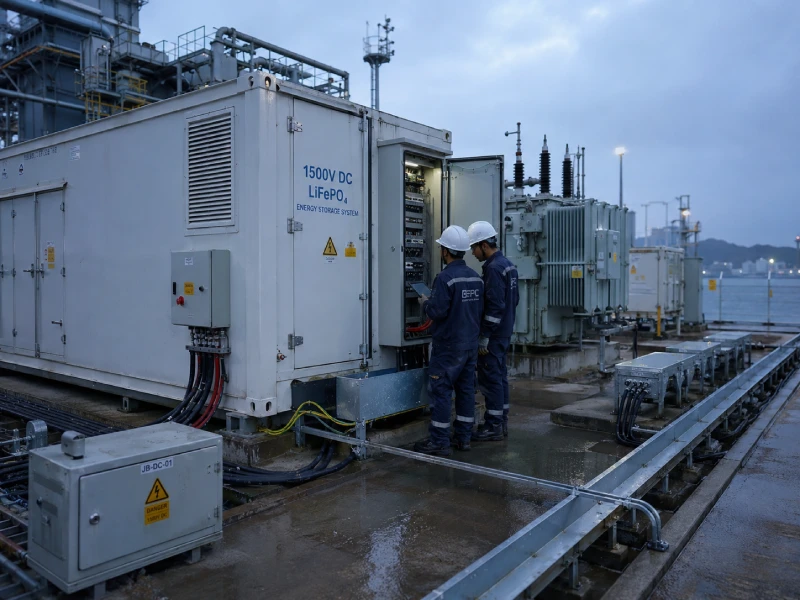
What Is an ODM Battery Manufacturer and When Does It Make Sense for ESS Buyers?
While OEM manufacturing provides maximum customization flexibility, many distributors, installers, and emerging ESS brands choose ODM cooperation as a faster and lower-risk route to market expansion. In the energy storage industry, an ODM battery manufacturer develops standardized battery platforms that can be rebranded and partially customized for different B2B customers.
For companies seeking rapid deployment, reduced engineering complexity, and lower development investment, ODM solutions often provide an efficient balance between speed, reliability, and commercial scalability.
A professional OEM ODM battery manufacturer typically maintains both OEM and ODM capabilities because different customer segments require different levels of engineering involvement and product differentiation.
How ODM Manufacturing Works in the Energy Storage Industry
Under the ODM model, the manufacturer usually develops the core ESS platform independently. The supplier is responsible for:
- Battery architecture development
- BMS engineering
- Mechanical structure design
- Certification preparation
- Thermal management optimization
- Production validation
- Reliability testing
The buyer then selects from existing product platforms and customizes selected commercial or technical elements such as:
- Branding
- Logo placement
- Enclosure appearance
- Software interface language
- Communication protocols
- Battery capacity options
- Regional certification adjustments
Compared to OEM development, ODM manufacturing significantly reduces development timelines because the supplier has already completed much of the engineering validation and certification groundwork.
Why ODM Solutions Are Growing Rapidly in Commercial ESS Markets
The global ESS market is developing at an extremely fast pace. Distributors and solar integrators often face intense pressure to launch competitive energy storage products quickly in order to capture emerging market opportunities.
In many cases, developing a fully customized OEM system may require:
- Extended engineering cycles
- Higher upfront investment
- Additional certification testing
- Longer product validation periods
ODM cooperation allows buyers to accelerate deployment while leveraging proven ESS platforms that already demonstrate stable performance and safety validation.
This is particularly valuable for:
- Regional solar distributors
- Emerging ESS brands
- Telecom backup providers
- Commercial solar installers
- Hybrid inverter companies entering storage markets
Expert Tip — ODM Does Not Mean Low-End Manufacturing
Many buyers incorrectly associate ODM products with low customization capability or low technical sophistication. In reality, many advanced commercial ESS systems on the market are based on ODM platforms developed by highly experienced engineering teams.
A mature ODM platform often benefits from:
- Extensive field testing
- Large-scale deployment feedback
- Refined thermal management systems
- Stable firmware architecture
- Established certification pathways
- Optimized production efficiency
For many EPC contractors and distributors, choosing a mature ODM platform can actually reduce project risk compared to rushing an underdeveloped OEM product into deployment.
Common ODM ESS Applications
ODM manufacturing is widely used across multiple energy storage application scenarios.
Residential Energy Storage Systems
Wall-mounted and stackable residential batteries are among the most common ODM ESS products. These systems are typically optimized for:
- Fast installation
- Hybrid inverter compatibility
- Home backup functionality
- Scalable modular expansion
Commercial Backup Storage
Commercial backup systems for offices, retail facilities, schools, and healthcare facilities frequently utilize ODM platforms due to their rapid deployment advantages.
Telecom Backup Power Systems
Telecom operators often prioritize reliability, consistency, and fast deployment over deep customization. ODM battery systems are therefore highly suitable for telecom backup infrastructure.
Small Industrial ESS Projects
Standardized commercial ESS cabinets can support:
- Peak shaving
- Demand charge management
- Backup energy storage
- Renewable energy integration
without requiring full OEM development.
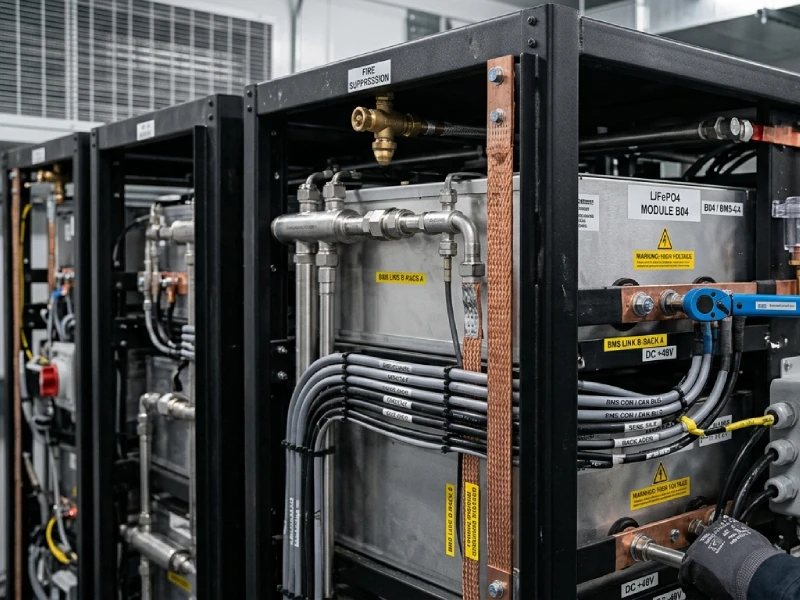
OEM vs ODM Battery Manufacturer — Engineering-Level Comparison for EPC Buyers
For professional EPC contractors and commercial ESS developers, the difference between OEM and ODM manufacturing extends far beyond product branding. The decision directly influences system flexibility, engineering complexity, deployment speed, certification management, and long-term operational performance.
Understanding these technical and commercial differences is essential for selecting the right manufacturing strategy.
Engineering Customization Capability
Engineering flexibility represents one of the most significant differences between OEM and ODM cooperation.
| Evaluation Area | OEM | ODM |
|---|---|---|
| BMS Customization | High flexibility | Limited adjustment |
| PCS Compatibility | Custom integration | Standard compatibility |
| Thermal Management | Project-specific optimization | Pre-designed architecture |
| Cabinet Structure | Fully customizable | Limited modification |
| EMS Integration | Deep integration possible | Basic compatibility |
| Deployment Speed | Longer timeline | Faster rollout |
For large utility-scale or highly specialized industrial projects, OEM manufacturing often provides the engineering flexibility necessary to satisfy complex project requirements. However, for many commercial deployments, ODM systems can achieve faster market entry with lower development risk.
ESS Certification and Compliance Capability
Certification capability is one of the most overlooked areas when evaluating an ESS supplier. Many low-cost manufacturers claim compliance support but lack actual experience navigating complex international certification procedures.
A reliable OEM ODM battery manufacturer should demonstrate proven experience with:
- UL9540
- UL1973
- IEC62619
- UN38.3
- CE certification
- IEC62477
- Grid-code compliance standards
- Regional utility requirements
Certification management becomes particularly important for EPC contractors involved in:
- Commercial ESS deployment
- Grid-connected battery systems
- Industrial peak shaving applications
- Renewable integration projects
- Government-supported energy infrastructure
Failure to properly address certification requirements can delay project commissioning and significantly increase deployment costs.
Expert Tip — Certification Experience Is a Major Competitive Advantage
Many ESS buyers underestimate how difficult certification coordination becomes during large-scale deployments. Manufacturers with real international certification experience can help EPC contractors avoid:
- Repeated testing costs
- Documentation inconsistencies
- Grid approval delays
- Unexpected redesign requirements
- Container compliance complications
Strong certification support often becomes one of the most valuable long-term advantages of working with an experienced engineering-focused ESS supplier.
Battery Safety Engineering Differences
Battery safety has become a defining issue in modern ESS deployment. Thermal runaway incidents, fire hazards, and system instability can create severe financial and reputational damage for project developers and EPC contractors.
As a result, buyers increasingly prioritize suppliers with advanced battery safety engineering capability.
Key safety engineering areas include:
- Cell consistency management
- Thermal runaway prevention
- Fire suppression integration
- Battery isolation design
- Real-time temperature monitoring
- Active balancing systems
- Intelligent BMS protection algorithms
- Multi-layer fault detection systems
OEM projects typically allow deeper safety architecture customization, while ODM systems generally rely on pre-validated safety platforms optimized for mass deployment.
Neither approach is inherently superior. The optimal choice depends on project complexity, deployment scale, and engineering requirements.
Supply Chain Stability Comparison
One of the most important lessons learned during recent lithium market volatility is that manufacturing capacity alone does not guarantee supply reliability.
Many battery suppliers experienced severe disruptions due to:
- Cell shortages
- Raw material price spikes
- Logistics instability
- Production bottlenecks
- Weak supplier coordination
For EPC contractors managing commercial timelines, unstable supply chains can create major financial consequences.
When evaluating a battery manufacturing partner, buyers should investigate:
- Tier-1 cell sourcing relationships
- Long-term material procurement strategy
- Automated production capability
- MES traceability systems
- Production scheduling stability
- Monthly manufacturing capacity
- Inventory management systems
A highly capable OEM ODM battery manufacturer should demonstrate both engineering capability and operational resilience.
“ESS Supplier Evaluation Checklist for EPC Contractors”
The downloadable PDF should include:
- Factory audit checklist
- BMS evaluation framework
- Certification verification list
- Thermal management assessment points
- Production capability review guide
- Supply chain stability indicators
This type of technical lead magnet significantly improves B2B inquiry conversion quality while reinforcing engineering credibility.
How to Evaluate a Reliable OEM ODM Battery Manufacturer
As competition intensifies within the global ESS industry, identifying a reliable manufacturing partner has become increasingly difficult. Many suppliers present impressive product catalogs but lack the engineering depth, production consistency, and technical support capability necessary for long-term commercial cooperation.
For EPC contractors and B2B procurement managers, supplier evaluation should extend far beyond pricing comparisons.
Evaluate Real Engineering Capabilities — Not Just Marketing Materials
One of the most common procurement mistakes is confusing sales presentation quality with actual engineering capability.
A truly capable ESS manufacturer should maintain strong internal technical resources, including:
- Electrical engineering teams
- BMS software engineers
- Thermal simulation capability
- Structural design engineers
- Certification specialists
- Testing and validation laboratories
Buyers should ask detailed technical questions during supplier evaluation:
- How is thermal runaway prevented?
- What cell grading procedures are used?
- How is PCS compatibility verified?
- What environmental testing standards are applied?
- How is system balancing managed over long lifecycle operation?
Manufacturers with genuine engineering capability can typically provide clear and technically detailed responses supported by documentation and test data.
Ask About Real Production Capacity and Manufacturing Systems
In the global energy storage industry, advertised production capacity does not always reflect actual operational capability. Many suppliers promote impressive factory numbers but struggle to maintain stable output consistency during periods of high demand.
For EPC contractors and commercial ESS buyers, manufacturing stability is often more important than theoretical maximum capacity. Delayed battery deliveries can affect:
- Project commissioning schedules
- Cash flow management
- Grid connection deadlines
- Government incentive eligibility
- Customer satisfaction
- Long-term maintenance planning
This is why buyers should investigate the manufacturer’s actual production infrastructure rather than relying solely on marketing claims.
Key Manufacturing Areas to Evaluate
- Automated PACK assembly lines
- Laser welding systems
- MES production management systems
- Automated aging test facilities
- Cell sorting and grading equipment
- Traceability management systems
- Environmental testing laboratories
- Battery cycling verification systems
A professional OEM ODM battery manufacturer should maintain strict process control across every stage of production to ensure long-term product consistency.
Modern ESS buyers increasingly prioritize suppliers with advanced automation because automated manufacturing generally improves:
- Cell matching accuracy
- Assembly consistency
- Production efficiency
- Fault traceability
- Quality control reliability
- Lifecycle stability
Expert Tip — Stable Manufacturing Processes Matter More Than Peak Factory Output
Many battery suppliers emphasize maximum annual production figures, but EPC contractors should focus more on delivery consistency, traceability systems, and process stability.
In commercial ESS projects, inconsistent production quality can create:
- Cell imbalance problems
- Warranty claim spikes
- Field maintenance complications
- Reduced battery lifecycle performance
- Unexpected downtime risks
Manufacturers with mature process management systems are far more likely to deliver stable long-term performance across large deployment volumes.
Verify Global ESS Project Experience
Real-world deployment experience is one of the strongest indicators of supplier reliability. Manufacturers with extensive international project experience typically possess stronger engineering adaptability and better understanding of regional compliance requirements.
Global ESS deployment environments vary significantly depending on:
- Climate conditions
- Grid infrastructure
- Regulatory standards
- Utility requirements
- Installation environments
- Energy consumption patterns
For example, energy storage systems deployed in:
- Middle Eastern desert regions
- High-humidity Southeast Asian climates
- Cold European environments
- Remote telecom installations
- Coastal industrial facilities
all require different engineering optimization strategies.
Experienced manufacturers understand how environmental conditions affect:
- Thermal management design
- Cooling system performance
- Cabinet corrosion resistance
- Battery aging characteristics
- Ventilation architecture
- IP protection requirements
When evaluating an ESS supplier, buyers should request:
- Global project references
- Deployment case studies
- Regional certification experience
- Environmental testing documentation
- Utility-scale project examples
A mature OEM ODM battery manufacturer should demonstrate practical experience across multiple international markets rather than relying solely on theoretical product specifications.
Why EPC Contractors Need Engineering-Level ESS Partners — Not Just Battery Suppliers
As commercial energy storage systems become increasingly sophisticated, the role of the battery manufacturer has fundamentally changed. Modern EPC contractors no longer require simple component suppliers. They need engineering-level partners capable of supporting complex system integration and long-term operational performance.
Today’s ESS projects often involve:
- Hybrid solar-storage integration
- Microgrid architecture
- Grid stabilization applications
- Peak shaving optimization
- Demand response participation
- Industrial backup power systems
- Utility-scale renewable integration
These applications require multidisciplinary technical coordination that extends far beyond battery assembly.
Modern ESS Procurement Requires Cross-Disciplinary Engineering Support
A reliable ESS supplier should support EPC contractors throughout multiple stages of project execution.
This often includes collaboration across:
- Electrical engineering
- Thermal engineering
- Structural design
- Battery safety engineering
- Grid communication integration
- EMS software coordination
- Certification management
- Container system optimization
Manufacturers with strong engineering resources can help identify potential integration issues before deployment begins.
This proactive support significantly reduces:
- Commissioning delays
- System instability
- Compatibility failures
- Field troubleshooting costs
- Operational downtime risks
Expert Tip — Engineering Collaboration Starts Before Manufacturing
The most successful commercial ESS projects usually involve early technical collaboration between the EPC contractor and the battery manufacturer.
Strong suppliers often assist with:
- Energy modeling analysis
- Battery sizing optimization
- PCS compatibility verification
- Thermal airflow simulation
- Container layout planning
- Safety strategy development
This early-stage engineering involvement helps minimize expensive redesigns and operational issues later in the deployment lifecycle.
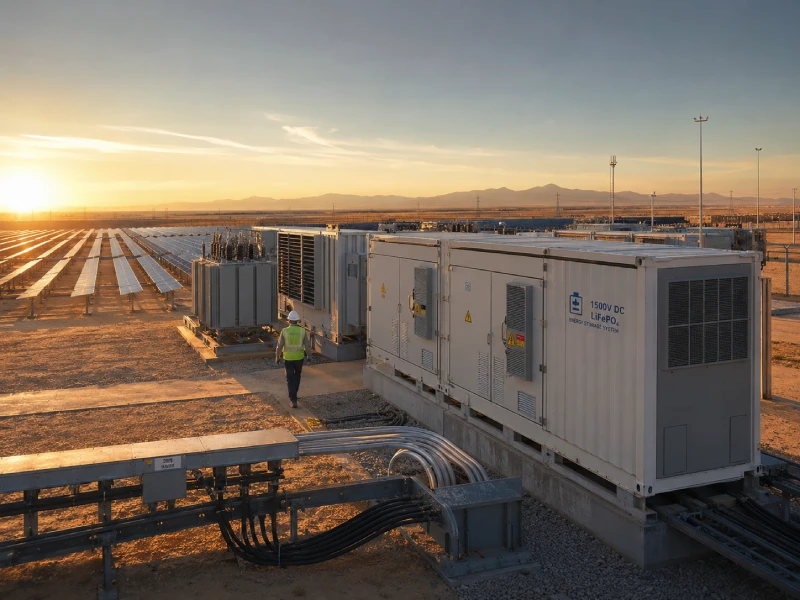
The Importance of Pre-Sales Technical Collaboration
For large commercial ESS projects, pre-sales engineering support has become one of the most important differentiators among suppliers.
High-level technical support before procurement helps EPC contractors evaluate:
- Battery system feasibility
- Container space optimization
- Cooling system requirements
- Fire suppression integration
- Communication architecture
- Energy efficiency performance
- Lifecycle maintenance planning
Manufacturers focused only on selling standardized products often lack the technical depth necessary to support these evaluations effectively.
In contrast, engineering-oriented ESS suppliers function more like technical solution partners than transactional equipment vendors.
Why Long-Term Technical Support Determines ESS Project ROI
Energy storage systems are long-lifecycle infrastructure assets. Their operational performance over 10–15 years depends heavily on the manufacturer’s ability to provide ongoing technical support.
This support may include:
- Remote monitoring services
- Firmware upgrades
- Fault diagnostics
- BMS optimization
- Spare part continuity
- Technical troubleshooting
- Performance analysis
- System expansion support
Many low-cost suppliers struggle to maintain long-term service capability once products are shipped. This creates major operational risks for EPC contractors responsible for system reliability and customer satisfaction.
A highly capable OEM ODM battery manufacturer should demonstrate clear after-sales engineering structures and long-term service commitment.
Suggested Interactive Conversion Section
“Calculate the Hidden Cost of Choosing the Wrong ESS Supplier”
Recommended calculator variables:
- Project downtime losses
- Warranty replacement costs
- Delayed commissioning penalties
- Maintenance labor expenses
- Revenue loss from system instability
This type of interactive content significantly improves:
- Page engagement time
- User interaction rate
- B2B lead quality
- SEO behavioral signals
How SolarDyna Supports OEM and ODM ESS Partnerships
In the rapidly evolving energy storage market, long-term success depends on more than simply manufacturing battery products. EPC contractors and commercial energy developers increasingly seek suppliers capable of delivering engineering reliability, scalable production, technical responsiveness, and global project support.
SolarDyna positions itself as an engineering-focused ESS manufacturing partner capable of supporting both OEM and ODM cooperation models across diverse commercial and industrial applications.
SolarDyna’s Engineering-Driven Manufacturing Approach
SolarDyna emphasizes engineering coordination throughout the full ESS development process.
Core capabilities include:
- LiFePO4 battery system engineering
- BMS integration support
- Thermal management optimization
- PCS compatibility coordination
- Containerized ESS development
- Multi-stage quality validation
This engineering-focused approach helps support:
- Commercial energy storage deployment
- Industrial ESS projects
- Telecom backup systems
- Hybrid solar-storage integration
- Utility-scale applications
Scalable Production for Global EPC Projects
Stable manufacturing capacity is essential for supporting commercial ESS deployment schedules. SolarDyna focuses on maintaining scalable production capability supported by:
- Automated production systems
- Quality traceability management
- Battery aging verification
- Cell consistency control
- Standardized testing procedures
- Structured production management systems
These manufacturing systems help improve:
- Product consistency
- Delivery reliability
- Lifecycle stability
- Operational safety
- Scalable deployment support
ESS Safety and Compliance Focus
As global ESS regulations become stricter, safety engineering and certification management have become increasingly important.
SolarDyna supports projects requiring:
- International certification preparation
- Battery safety validation
- Thermal management optimization
- Protection system integration
- Global export compliance
- Regional deployment adaptation
For EPC contractors operating in highly regulated markets, this level of engineering support helps reduce compliance risks and improve deployment efficiency.
Why B2B Buyers Choose SolarDyna for Long-Term ESS Cooperation
Commercial ESS projects require suppliers capable of supporting long-term operational reliability rather than short-term transactional sales.
SolarDyna’s partnership approach focuses on:
- Engineering responsiveness
- Customization flexibility
- Supply chain stability
- Lifecycle technical support
- Scalable production coordination
- Global project adaptability
This combination of technical capability and operational stability is increasingly important for EPC contractors managing large-scale energy infrastructure projects.
Frequently Asked Questions About OEM and ODM Energy Storage Manufacturing
Q1. What is the difference between OEM and ODM battery manufacturing?
OEM manufacturing involves producing battery systems according to customer-provided specifications, while ODM manufacturing uses pre-developed platforms that buyers can customize and brand.
Q2. Which is better for EPC projects: OEM or ODM?
The answer depends on project complexity and customization requirements. OEM solutions are often better for utility-scale or highly customized projects, while ODM systems are ideal for faster deployment and lower engineering complexity.
Q3. Can OEM ESS systems support utility-scale projects?
Yes. OEM manufacturing is commonly used in utility-scale ESS deployments because it allows flexible integration with site-specific grid requirements, PCS architecture, and thermal management systems.
Q4. What certifications should a reliable ESS manufacturer provide?
Important certifications may include UL9540, UL1973, IEC62619, UN38.3, CE certification, and regional grid-code compliance approvals.
Q5. How do I evaluate battery manufacturing quality control?
Buyers should evaluate cell grading procedures, aging test systems, automation capability, traceability systems, environmental testing standards, and BMS validation processes.
Q6. Why is engineering support important in commercial ESS projects?
Engineering support helps reduce integration risks, commissioning delays, safety issues, and long-term maintenance complications throughout the ESS lifecycle.
Conclusion: Choosing the Right ESS Manufacturing Strategy for Long-Term Growth
As global demand for energy storage continues to accelerate, selecting the right manufacturing partner has become a strategic business decision rather than a simple procurement process.
The choice between OEM and ODM manufacturing directly influences:
- Project scalability
- Deployment speed
- Engineering flexibility
- Certification management
- Supply chain reliability
- Long-term operational performance
For EPC contractors and commercial energy developers, the ideal supplier is not necessarily the lowest-cost option. Instead, the best long-term partner is a manufacturer capable of combining:
- Strong engineering expertise
- Stable manufacturing systems
- Reliable quality control
- International certification capability
- Technical responsiveness
- Lifecycle support commitment
A professional OEM ODM battery manufacturer should function as an engineering collaborator capable of supporting safe, scalable, and commercially successful ESS deployment across diverse global markets.
As commercial and industrial energy storage systems become increasingly complex, engineering capability, supply chain resilience, and long-term technical support will continue to define the most competitive ESS suppliers in the global market.
Need the Right OEM or ODM ESS Manufacturing Partner for Your Project?
Choosing the right OEM ODM battery manufacturer directly impacts ESS safety, deployment speed, lifecycle reliability, and long-term ROI. SolarDyna provides engineering-driven LiFePO4 energy storage solutions for EPC contractors, solar distributors, and commercial energy developers worldwide.
✔ Engineering support for PCS integration, BMS architecture, and EMS configuration
✔ Scalable LiFePO4 battery manufacturing with strict quality traceability
✔ International certification support for global EPC deployment projects
✔ Stable production capacity for utility-scale and C&I energy storage systems
Speak with our ESS engineering team for a customized battery energy storage solution tailored to your project requirements, certification standards, and deployment environment