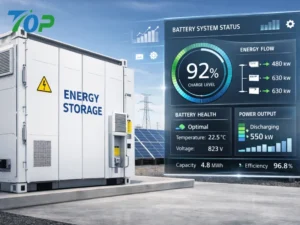
Understanding off grid solar system cost has become increasingly important for commercial energy investors, EPC contractors, industrial facility operators, and solar project developers in 2026. As electricity prices continue rising globally and grid instability affects more regions, companies are accelerating investment into independent renewable energy infrastructure. However, many buyers underestimate how complex off grid solar system cost analysis truly is.
In modern commercial and industrial projects, the total investment is no longer defined solely by solar panel pricing. Battery lifecycle economics, inverter architecture, energy management systems, transportation, installation complexity, environmental conditions, and long-term maintenance strategy all directly influence project profitability. For large-scale off-grid applications, even small engineering miscalculations can significantly increase operational costs over the system lifecycle.
This guide provides a detailed engineering-level breakdown of off-grid solar power system costs in 2026, including LiFePO4 battery pricing, inverter selection, hidden project expenses, ROI considerations, and practical strategies for improving long-term energy economics. Instead of focusing only on upfront procurement costs, this article explores how experienced energy developers evaluate total system value, reliability, and operational sustainability.
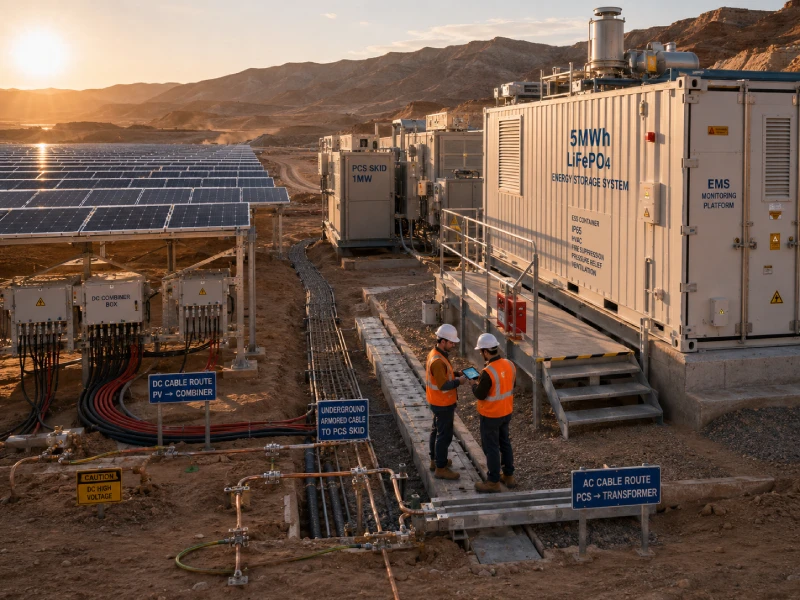
Why Off-Grid Solar System Cost Is More Complex Than Most Buyers Expect
For many first-time project buyers, the initial assumption is simple: calculate the solar panel cost, add batteries, and estimate installation expenses. In reality, commercial off-grid projects involve far more variables than grid-connected rooftop systems.
The economics of a remote telecom station differ dramatically from those of a mining facility, agricultural irrigation system, island microgrid, or manufacturing plant. Load profiles, climate conditions, operational continuity requirements, and diesel generator integration all affect system architecture and total investment requirements.
In recent years, the market has also shifted toward more sophisticated energy storage configurations. Hybrid energy systems combining photovoltaic generation, LiFePO4 batteries, diesel generators, and intelligent EMS software are becoming standard practice for industrial off-grid deployments. This transition improves system reliability but also introduces new engineering and procurement considerations.
For example, two projects with identical daily energy consumption may have completely different off-grid solar installation costs due to:
- Different peak load requirements
- Battery backup duration targets
- Environmental protection standards
- Transportation accessibility
- Grid-forming inverter requirements
- Cooling and thermal management needs
- Local certification and compliance requirements
As a result, experienced EPC contractors increasingly evaluate projects based on total lifecycle economics rather than lowest initial procurement price.
Expert Insight:
In remote industrial projects, underestimating battery cycling requirements is one of the most common causes of unexpected maintenance costs. Proper system matching often delivers greater long-term savings than simply reducing hardware procurement budgets.
What Components Determine Off-Grid Solar System Cost?
A modern off-grid solar power system contains multiple integrated subsystems. Each component affects not only upfront investment but also long-term operational efficiency, maintenance frequency, and project lifespan.
Solar Panels: The Foundation of System Cost
Photovoltaic modules remain one of the most visible components in any solar energy project. However, module pricing alone rarely determines overall system economics. In commercial installations, the relationship between module efficiency, mounting design, available land area, and balance-of-system costs becomes increasingly important.
In 2026, TOPCon solar modules continue gaining market share due to higher conversion efficiency and improved high-temperature performance. Compared with conventional PERC modules, TOPCon panels generally offer:
- Higher energy density
- Lower degradation rates
- Improved performance in hot climates
- Better long-term yield stability
Although premium modules may increase upfront costs slightly, they can reduce land usage, support structure requirements, and long-term maintenance frequency in utility-scale projects.
For industrial applications operating in high-temperature or coastal environments, module durability becomes particularly important. Salt mist corrosion, UV exposure, and thermal cycling can accelerate degradation if low-quality materials are used.
This is why experienced project developers increasingly evaluate photovoltaic modules based on:
- 25-year power output guarantees
- Temperature coefficient performance
- Mechanical load ratings
- Corrosion resistance certification
- Long-term manufacturer bankability
LiFePO4 Battery Cost: The Largest Variable in Off-Grid Systems
In most commercial off-grid solar projects, battery storage represents the single largest investment category. Depending on backup duration and operational requirements, LiFePO4 battery systems may account for 35%–60% of the total off grid solar system cost.
The widespread adoption of lithium iron phosphate technology has significantly improved energy storage reliability over the past decade. Compared with lead-acid batteries, LiFePO4 systems provide:
- Longer cycle life
- Higher usable capacity
- Lower maintenance requirements
- Improved thermal stability
- Higher round-trip efficiency
- Better scalability for commercial projects
However, battery pricing cannot be evaluated purely by cost per kilowatt-hour. Several engineering variables directly influence long-term economic performance.
Depth of Discharge and Lifecycle Economics
Depth of discharge (DoD) strongly affects battery lifespan. Systems designed for excessive daily cycling may experience accelerated degradation, especially in high-temperature environments.
For example, a battery operating at 90% DoD daily will generally experience faster capacity loss compared with a system designed around moderate cycling conditions. This is why experienced energy storage integrators prioritize balanced system architecture rather than minimum battery sizing.
Commercial projects increasingly optimize:
- PV oversizing ratios
- Battery cycling depth
- Peak shaving logic
- Diesel generator coordination
- EMS charging algorithms
The objective is not only lowering initial capital expenditure, but also minimizing lifecycle energy cost.
Why Battery Management System (BMS) Quality Matters
Many buyers focus heavily on cell specifications while overlooking battery management system quality. In reality, BMS architecture plays a major role in:
- Cell balancing performance
- Thermal protection
- Voltage consistency
- Remote diagnostics
- Operational safety
- System communication reliability
For industrial ESS projects operating in remote locations, advanced monitoring and fault detection capabilities significantly reduce operational risk and maintenance costs.
This is particularly important for applications such as:
- Mining operations
- Island microgrids
- Remote telecommunications
- Agricultural irrigation infrastructure
- Data communication stations
Expert Tip from SolarDyna Engineers:
For large off-grid systems, battery oversizing is not always the optimal strategy. In many projects, combining intelligent EMS scheduling with carefully balanced PV generation can reduce battery stress while improving long-term operational economics.
Inverter and Energy Management System (EMS) Costs
In commercial off-grid projects, inverter selection extends far beyond simple DC-to-AC conversion. Modern energy storage systems increasingly depend on sophisticated power electronics and intelligent energy management infrastructure.
Industrial off-grid systems commonly utilize:
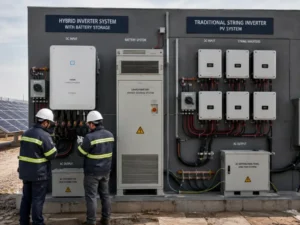
- Hybrid inverter systems (PV + battery + load coordination)
- Grid-forming inverters (for autonomous microgrid voltage and frequency control)
- Power Conversion Systems (PCS) for bidirectional energy flow
- Parallel inverter clusters for scalability and redundancy
- Energy Management Systems (EMS) for dispatch optimization
The inverter architecture directly affects:
- System scalability
- Generator coordination
- Load stability
- Battery charging efficiency
- Power quality
- Future expansion flexibility
For projects with highly variable industrial loads, inverter oversizing may be necessary to handle startup surges from motors, compressors, pumps, or HVAC systems.
Meanwhile, EMS platforms are becoming increasingly valuable for commercial projects because they optimize:
- Battery charging schedules
- Diesel generator runtime
- Peak load management
- Renewable energy utilization
- Remote diagnostics
- Predictive maintenance
As energy storage systems become more intelligent, software capability is now considered a major factor in commercial ESS competitiveness.
Installation, Engineering & Site Preparation Costs
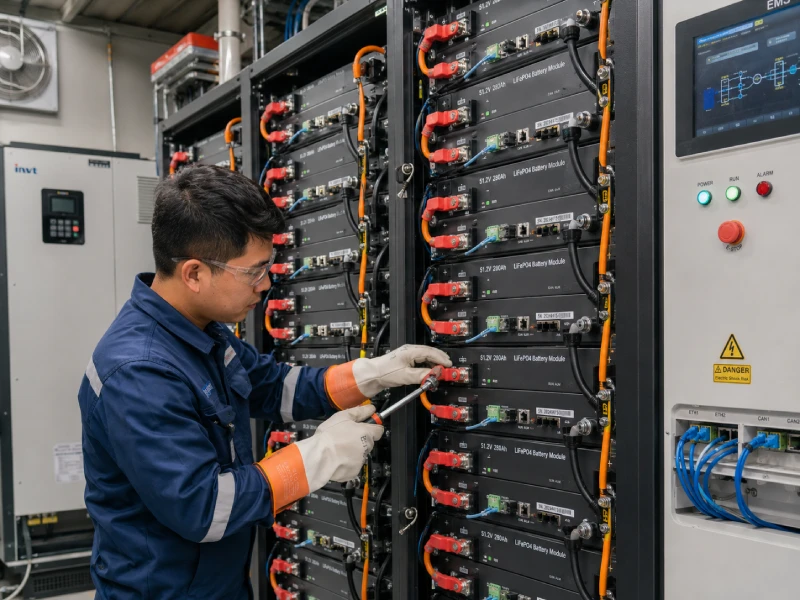
One of the most underestimated aspects of off grid solar system cost is the engineering and installation phase. While many procurement teams focus heavily on hardware pricing, real-world deployment expenses can significantly affect overall project economics, especially in commercial and industrial applications.
Unlike standard residential solar installations, industrial off-grid projects often require highly customized engineering solutions based on environmental conditions, operational priorities, and infrastructure limitations.
These costs typically include:
- Site surveying and geotechnical analysis
- Foundation and civil engineering work
- Electrical protection systems
- Cable routing and trenching
- Transformer integration
- Grounding systems
- Container positioning and crane operations
- Ventilation and thermal management infrastructure
- Remote monitoring installation
- Commissioning and performance testing
In harsh environments such as coastal regions, deserts, tropical climates, or mining areas, additional protective engineering may also be necessary. Corrosion-resistant structures, elevated mounting systems, reinforced cable protection, and advanced cooling systems all contribute to higher project costs but are essential for long-term operational reliability.
Why Environmental Conditions Change System Economics
Environmental factors directly affect both equipment lifespan and maintenance frequency. Projects operating in high-humidity or salt-air environments often require:
- Hot-dip galvanized steel structures
- Marine-grade aluminum components
- Anti-corrosion coatings
- Higher IP-rated electrical enclosures
- Additional HVAC protection
Meanwhile, desert environments may require:
- Dust-resistant ventilation systems
- Elevated airflow spacing
- Enhanced thermal management
- UV-resistant cable systems
Cold-climate deployments also introduce unique engineering requirements such as battery heating systems and low-temperature operational safeguards.
These considerations explain why commercial off-grid solar installation costs can vary substantially even between projects with similar power capacities.
Engineering Perspective:
In industrial ESS projects, reducing environmental protection measures to lower upfront costs often results in significantly higher maintenance expenses later. Long-term durability should always be evaluated alongside procurement pricing.
Off-Grid Solar System Cost Breakdown by Project Size
Project scale is one of the most important variables affecting off-grid solar power system cost. Larger systems benefit from economies of scale in some areas while simultaneously introducing additional complexity in engineering, energy management, logistics, and operational safety.
Below is a general breakdown of how project size influences commercial energy storage economics.
Small Commercial Systems (10kW–30kW)
Small commercial off-grid systems are commonly used for:
- Telecommunication stations
- Rural retail facilities
- Small agricultural operations
- Security infrastructure
- Remote monitoring systems
These projects typically prioritize:
- Simple deployment
- Minimal maintenance
- Stable backup power
- Remote monitoring capability
Battery storage duration usually ranges between 4–12 hours depending on operational requirements and weather conditions.
In many remote deployments, transportation costs represent a surprisingly large portion of total project expenditure. Access limitations, small shipping volumes, and remote logistics frequently increase installation costs compared with urban grid-connected systems.
For these projects, modular LiFePO4 battery systems are often preferred because they:
- Simplify transportation
- Reduce installation complexity
- Improve future scalability
- Allow easier field maintenance
Medium Commercial Systems (50kW–200kW)
Medium-sized commercial projects often involve more dynamic operational loads and more sophisticated energy management strategies.
Typical applications include:
- Hotels and resorts
- Cold-chain warehouses
- Commercial farms
- Water pumping stations
- Small manufacturing facilities
At this scale, the importance of intelligent system design increases significantly because operational inefficiencies can quickly translate into major financial losses over time.
Unlike smaller systems, medium-scale projects often experience:
- Variable daytime loads
- Seasonal energy demand changes
- High startup current requirements
- Complex battery cycling patterns
As a result, EMS integration becomes increasingly valuable for optimizing:
- Battery charging schedules
- Peak shaving logic
- Generator dispatch timing
- Solar utilization efficiency
Many experienced EPC teams now prioritize energy management optimization over simple battery oversizing because it improves both system stability and lifecycle economics.
The Importance of Load Profile Analysis
Accurate load profile analysis is essential in medium-scale off-grid projects. Designing systems based only on total daily consumption frequently results in:
- Battery stress
- Inverter overload events
- Unexpected generator runtime increases
- Reduced battery lifespan
- Poor solar utilization efficiency
Instead, professional energy system designers evaluate:
- Peak load timing
- Critical vs non-critical loads
- Nighttime consumption patterns
- Seasonal operating variations
- Motor startup requirements
This engineering approach allows more balanced system sizing while reducing unnecessary capital expenditure.
Expert Tip from SolarDyna Engineers:
In many medium-scale projects, optimizing inverter architecture and EMS scheduling can reduce battery cycling stress more effectively than simply increasing battery capacity. Proper system coordination is often the key to improving long-term ROI.
Large Industrial Off-Grid ESS (250kW–1MW+)
Large industrial off-grid systems represent the most technically demanding segment of the energy storage market. These projects commonly support:
- Mining operations
- Island microgrids
- Industrial manufacturing facilities
- Large agricultural infrastructure
- Utility-scale backup power systems
At this scale, off-grid energy systems evolve from simple backup solutions into fully integrated energy infrastructure platforms.
System architecture becomes significantly more complex due to:
- Multi-source energy integration
- Parallel inverter operation
- High-voltage battery systems
- Advanced fire protection requirements
- Thermal management optimization
- Redundancy planning
- Grid-forming capability requirements
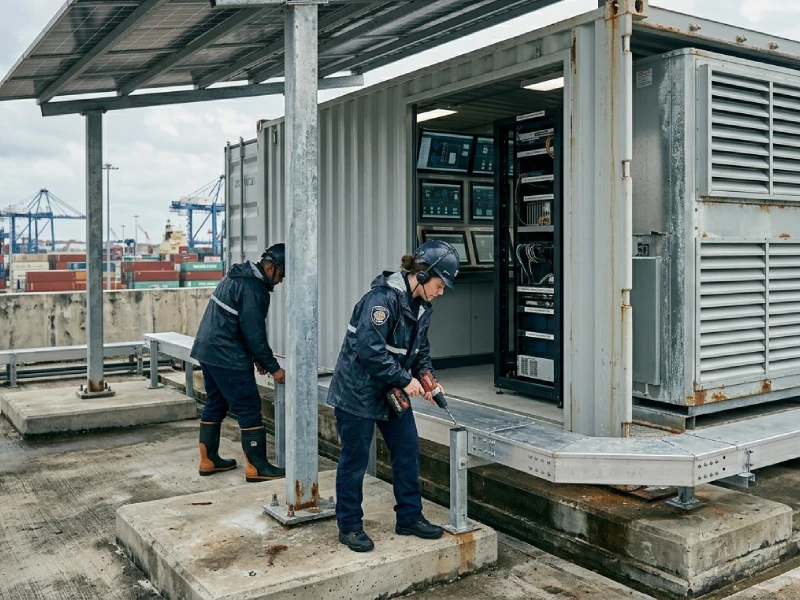
Why Containerized ESS Is Becoming the Industry Standard
Containerized energy storage systems are increasingly popular for large-scale commercial projects because they improve deployment efficiency and operational consistency.
A modern containerized ESS typically integrates:
- LiFePO4 battery clusters
- Battery management systems
- Power conversion systems (PCS)
- Fire suppression systems
- HVAC cooling infrastructure
- Remote monitoring systems
Compared with traditional distributed battery room designs, containerized ESS platforms offer:
- Faster installation
- Better environmental protection
- Simplified transportation
- Improved maintenance accessibility
- Higher system standardization
However, these benefits also introduce additional engineering considerations such as:
- Thermal airflow management
- Container structural reinforcement
- Emergency ventilation design
- Internal cable routing optimization
- Fire zoning compliance
Redundancy and Operational Reliability
In industrial projects where downtime creates substantial financial losses, redundancy planning becomes a major design priority.
This may involve:
- N+1 inverter redundancy
- Parallel battery clusters
- Backup communication systems
- Dual cooling configurations
- Multiple energy source integration
Although redundancy increases initial investment, it can dramatically reduce operational risk in mission-critical environments.
For example, mining facilities and industrial production plants often prioritize operational continuity over minimum upfront cost because unplanned outages can result in extremely high productivity losses.
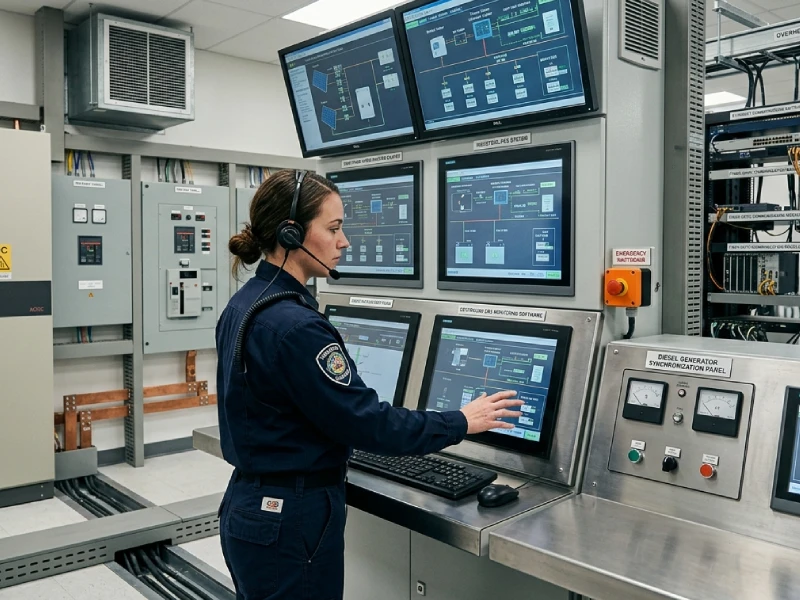
Hidden Costs That Often Cause Off-Grid Projects to Exceed Budget
One of the most common mistakes in commercial solar procurement is underestimating secondary project costs. Many energy developers focus primarily on visible equipment pricing while overlooking operational and logistical variables that significantly influence total project expenditure.
In practice, hidden costs frequently become the reason why off-grid solar projects exceed initial budget expectations.
Logistics and International Shipping Risks
Battery transportation has become increasingly regulated due to international safety standards governing lithium energy storage systems.
Large LiFePO4 battery shipments often require:
- UN38.3 certification
- Dangerous goods packaging compliance
- Specialized freight handling
- Port inspection procedures
- Additional insurance requirements
For remote regions, transportation complexity can significantly increase overall project cost.
Some industrial deployments require:
- Heavy lifting equipment
- Mountain or island transportation
- Temporary infrastructure access roads
- Marine logistics coordination
As ESS container sizes increase, logistics planning becomes a critical part of project engineering rather than a simple procurement task.
Climate Adaptation Costs
Environmental adaptation is another major cost category frequently underestimated during project planning.
For example:
- High-temperature environments accelerate battery aging
- Salt-air environments increase corrosion risk
- Dust-heavy regions reduce cooling efficiency
- Cold climates require battery heating systems
Ignoring these variables may reduce initial procurement cost temporarily but often leads to:
- Higher maintenance frequency
- Reduced system lifespan
- Unexpected equipment failure
- Operational instability
This is why experienced project developers increasingly prioritize environmental adaptation during the early design phase rather than treating it as an optional upgrade later.
Battery Replacement and Lifecycle Cost
For many commercial energy projects, the largest long-term financial risk is not the initial procurement price, but premature battery replacement.
This is one of the most important concepts often overlooked when evaluating off grid solar system cost. A lower-priced battery system may appear attractive during procurement, yet if the battery experiences accelerated degradation or inconsistent performance, total ownership cost can increase substantially over the project lifecycle.
Lifecycle economics depend on multiple interacting variables:
- Battery chemistry stability
- Cell consistency
- Thermal management quality
- Charging strategy
- Depth of discharge
- Ambient operating temperature
- EMS optimization capability
In commercial applications with continuous cycling, poor battery management can lead to:
- Rapid capacity degradation
- Increased internal resistance
- Thermal imbalance
- Reduced usable energy
- Higher maintenance intervention frequency
This is why experienced energy developers increasingly focus on cost-per-cycle analysis rather than simple battery purchase price comparisons.
Why Lifecycle Cost Matters More Than Initial Pricing
A commercial ESS designed for long-term industrial operation may remain active for 10–15 years or more. During this period, maintenance expenses, replacement schedules, operational efficiency, and downtime risk all affect project profitability.
For example, a battery system with lower upfront cost but shorter operational lifespan may require:
- Earlier replacement cycles
- More frequent field servicing
- Additional logistics expenses
- Operational shutdown periods
- Unexpected labor costs
By comparison, a properly engineered LiFePO4 system with stable thermal management and balanced cycling may deliver:
- Lower maintenance frequency
- Higher energy throughput
- Improved operational consistency
- Longer usable lifespan
- Reduced downtime risk
For industrial facilities where continuous operation is essential, these long-term benefits often outweigh moderate differences in initial procurement pricing.
Engineering Insight:
In large-scale off-grid applications, lifecycle energy economics are usually determined by system coordination quality rather than the lowest hardware price. Proper thermal management, EMS logic, and battery balancing strategy play a major role in long-term operational stability.
How EPC Contractors Reduce Off-Grid Solar System Cost Without Sacrificing Reliability
Reducing project cost while maintaining operational reliability is one of the most important goals in modern commercial solar engineering. However, the most effective cost reduction strategies rarely come from simply purchasing cheaper hardware.
Instead, experienced EPC contractors typically focus on system optimization, engineering efficiency, and lifecycle performance improvement.
Correct Load Analysis Reduces Oversizing
One of the most common causes of excessive project cost is inaccurate load analysis.
Many systems are unnecessarily oversized because project planning relies only on estimated daily consumption rather than detailed operational load behavior.
Professional system designers evaluate:
- Peak demand timing
- Critical vs non-critical loads
- Nighttime consumption profiles
- Motor startup currents
- Seasonal operating fluctuations
- Future expansion requirements
Without proper analysis, projects may experience:
- Excessive battery capacity allocation
- Oversized inverter selection
- Higher idle system losses
- Reduced return on investment
Load optimization allows engineers to design more balanced energy systems while maintaining operational safety margins.
Why System Matching Matters More Than Individual Component Pricing
In many off-grid projects, system inefficiency originates not from component quality, but from poor coordination between photovoltaic generation, battery storage, inverter architecture, and EMS logic.
For example:
- Undersized PV arrays increase battery cycling stress
- Improper inverter sizing reduces efficiency
- Inconsistent battery cluster design causes imbalance
- Poor EMS scheduling increases diesel generator runtime
These issues may appear minor during installation but can significantly increase operational costs over time.
Modern commercial ESS projects increasingly prioritize integrated engineering design rather than isolated hardware procurement.
The Growing Importance of EMS Optimization
As energy storage systems become larger and more intelligent, EMS platforms are playing an increasingly central role in commercial project economics.
Advanced EMS systems can optimize:
- Battery charging schedules
- Load prioritization
- Renewable energy utilization
- Diesel generator coordination
- Peak demand management
- Remote diagnostics
- Preventive maintenance planning
In many industrial projects, EMS optimization improves operational efficiency more effectively than simply adding larger battery capacity.
Expert Tip from SolarDyna Engineers:
Reducing battery capacity to lower upfront project cost can unintentionally increase long-term operational stress. A more sustainable strategy is balancing PV oversizing, intelligent EMS scheduling, and moderate battery cycling depth to improve lifecycle energy economics.
How to Evaluate the ROI of an Off-Grid Solar System
Evaluating return on investment is one of the most critical stages in commercial energy project planning. While many buyers initially focus on equipment pricing, long-term operational savings often determine whether an off-grid project becomes financially successful.
In 2026, ROI analysis for off-grid solar systems has become increasingly sophisticated due to rising fuel prices, grid instability, and improvements in energy storage technology.
Diesel Offset Savings
For remote industrial applications, diesel generator fuel consumption remains one of the largest operational expenses.
Replacing diesel runtime with solar generation and battery storage can significantly reduce:
- Fuel procurement costs
- Generator maintenance expenses
- Transportation logistics
- Operational emissions
- Noise pollution
In remote mining, agricultural, and island projects, fuel transportation itself may represent a major hidden operational cost.
As diesel prices fluctuate globally, many operators now view solar-plus-storage infrastructure as a long-term operational risk reduction strategy rather than simply an environmental investment.
Maintenance Cost Reduction
Modern LiFePO4 battery systems generally require significantly less maintenance than traditional lead-acid energy storage infrastructure.
Reduced maintenance may include:
- Fewer battery replacements
- Lower inspection frequency
- Reduced electrolyte maintenance
- Improved remote monitoring capability
- Lower field service requirements
For remote industrial operations, minimizing technician travel and onsite intervention can create substantial long-term savings.
Battery Lifecycle Economics
Lifecycle economics remain one of the most important factors affecting ROI calculations.
Commercial energy developers increasingly analyze:
- Total usable energy throughput
- Cost per cycle
- Expected degradation rate
- Replacement timeline risk
- Residual system value
This approach provides a more realistic financial model than simply comparing initial battery pricing.
Typical Payback Period by Application
Payback periods vary significantly depending on project type, diesel offset ratio, local electricity pricing, and operational conditions.
Generally:
- Remote telecom systems may achieve relatively fast payback due to high diesel dependency
- Industrial manufacturing facilities often prioritize operational continuity alongside ROI
- Agricultural projects may benefit from seasonal load balancing
- Island microgrids often focus on fuel transportation reduction
Rather than applying a universal ROI target, experienced project developers evaluate economic performance based on:
- Energy security
- Operational resilience
- Maintenance reduction
- Long-term electricity cost stability
How to Choose a Reliable Off-Grid Solar System Supplier
As the commercial ESS market becomes increasingly competitive, supplier evaluation is becoming more important than simple price comparison.
A reliable energy storage supplier contributes not only hardware, but also engineering support, system consistency, technical service capability, and long-term supply chain stability.
Manufacturing Capability Matters More Than Low Pricing
Large-scale commercial projects require stable production quality and reliable delivery capability.
Experienced procurement teams typically evaluate suppliers based on:
- Cell sourcing consistency
- Battery pack manufacturing quality
- Production scalability
- Testing procedures
- Quality control systems
- Project delivery history
Extremely low pricing may sometimes indicate compromises in:
- Cell grading standards
- BMS quality
- Thermal management design
- Testing procedures
- After-sales support capability
For long-lifecycle infrastructure projects, supplier stability often becomes more valuable than short-term procurement savings.
Technical Support Capability
Commercial ESS projects increasingly require ongoing technical collaboration beyond initial delivery.
Professional technical support may include:
- Remote commissioning assistance
- EMS configuration support
- Fault diagnosis
- Firmware updates
- Performance optimization
- Operational troubleshooting
This is especially important for projects deployed in remote regions where local technical resources may be limited.
Certifications and Compliance
Certification standards directly affect project deployment, financing approval, and customs clearance processes.
Commercial energy storage systems commonly require compliance with standards such as:
- IEC certifications
- UL standards
- CE compliance
- UN38.3 transportation certification
- MSDS documentation
Incomplete certification planning can delay project timelines and increase operational risk.
Industry Perspective:
For utility-scale and industrial ESS projects, engineering support capability is often just as important as hardware manufacturing capacity. Reliable technical coordination significantly reduces deployment risk and long-term operational uncertainty.
Future Trends Shaping Off-Grid Solar System Cost in 2026 and Beyond
The global energy storage market continues evolving rapidly, and several major trends are expected to influence future off-grid solar system economics.
Higher Energy Density LiFePO4 Systems
Battery manufacturers continue improving energy density, which helps reduce:
- Container footprint requirements
- Transportation costs
- Installation complexity
- Structural support demands
Higher-density systems also improve scalability for commercial deployments with limited installation space.
AI-Driven EMS Optimization
Artificial intelligence is gradually improving energy management efficiency through:
- Predictive load forecasting
- Adaptive charging logic
- Weather-based generation optimization
- Preventive maintenance analytics
As software intelligence improves, operational optimization may become one of the most valuable components of future ESS systems.
Modular ESS Standardization
The industry is increasingly moving toward modular ESS architecture because it improves:
- Deployment flexibility
- Maintenance accessibility
- Future expansion capability
- Transportation efficiency
This trend is expected to reduce engineering complexity and improve long-term operational scalability.
Conclusion
Understanding off grid solar system cost requires far more than comparing equipment pricing. In commercial and industrial projects, long-term operational economics are influenced by engineering quality, battery lifecycle performance, EMS optimization, environmental adaptation, logistics planning, and system integration strategy.
As the global energy market continues shifting toward decentralized energy infrastructure, off-grid solar systems are increasingly viewed as long-term operational assets rather than simple backup power solutions.
For EPC contractors, industrial operators, and commercial energy investors, the most successful projects are typically those designed around lifecycle stability rather than minimum upfront procurement cost.
Well-engineered LiFePO4 battery systems, intelligent EMS platforms, balanced inverter architecture, and reliable technical support all contribute to improved project resilience and lower long-term operational risk.
As energy independence becomes increasingly valuable in 2026 and beyond, commercial off-grid solar infrastructure will continue playing a growing role in industrial energy strategy worldwide.
Planning a Commercial Off-Grid Solar ESS Project?
Understanding off grid solar system cost requires more than comparing hardware prices. We help EPC contractors, industrial facilities, and energy developers design reliable LiFePO4-based off-grid ESS solutions optimized for lifecycle performance, operational stability, and long-term ROI.
✔ LiFePO4 battery storage solutions for remote and hybrid energy projects
✔ Engineering optimization for PV, inverter, EMS, and battery integration
✔ Containerized ESS solutions for mining, agriculture, telecom, and microgrid applications
✔ OEM/ODM manufacturing support for scalable energy storage deployment
Discuss your project with our engineering team for a customized off-grid solar and battery storage solution tailored to your operational requirements
Frequently Asked Questions About Off-Grid Solar System Cost
Q1: What is the biggest cost driver in an off-grid solar system?
In most commercial and industrial projects, LiFePO4 battery storage is the largest cost component, often accounting for 35%–60% of total system investment. The final cost depends on required backup duration, cycling frequency, and system design efficiency.
Q2: Why does off-grid solar system cost vary so much between projects?
Cost variation is mainly driven by load profiles, environmental conditions, system autonomy requirements, installation complexity, and energy management strategy. Two systems with identical power ratings can have significantly different engineering requirements.
Q3: Is a larger battery always better for off-grid systems?
Not necessarily. Oversizing batteries increases upfront investment without always improving ROI. A properly balanced system using PV oversizing and intelligent EMS control often delivers better lifecycle economics and reduced battery stress.
Q4: How does EMS affect off-grid solar system cost and performance?
Energy Management Systems (EMS) optimize battery charging, load distribution, and generator coordination. While EMS adds initial system cost, it significantly improves efficiency, reduces diesel consumption, and extends battery lifespan in commercial applications.
Q5: What hidden costs should be considered in off-grid solar projects?
Key hidden costs include logistics and shipping, site preparation, environmental protection measures, certification compliance (IEC, UN38.3), installation engineering, and long-term battery replacement planning.
Q6: How long do LiFePO4 batteries last in off-grid solar systems?
Lifespan depends on depth of discharge, temperature control, charging strategy, and system design quality. In well-engineered commercial systems, LiFePO4 batteries typically offer long cycle life and stable performance over many years of operation.
Q7: What is the difference between containerized ESS and traditional battery rooms?
Containerized ESS integrates batteries, PCS, EMS, cooling, and fire protection into a standardized enclosure. It offers faster deployment, improved environmental protection, and better scalability compared to traditional distributed battery room designs.
Q8: How can EPC contractors reduce off-grid solar system cost without reducing reliability?
Cost optimization should focus on system design efficiency rather than component downsizing. Accurate load analysis, PV-battery-inverter matching, and EMS optimization help reduce lifecycle cost while maintaining operational reliability.