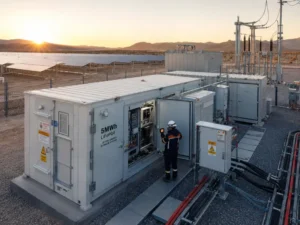
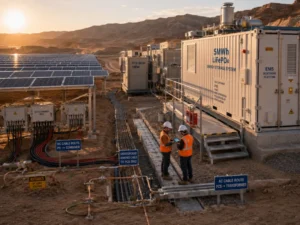
As global energy demand continues to rise and grid reliability becomes increasingly uncertain in many regions, off grid solar applications are rapidly transitioning from niche energy solutions to critical infrastructure assets. Today, governments, utilities, EPC contractors, mining operators, telecom companies, agricultural enterprises, and project developers are investing heavily in off grid solar applications to improve energy security, reduce operating costs, and achieve sustainability goals.
The economics behind off-grid energy systems have changed dramatically over the past decade. Falling photovoltaic module prices, declining battery costs, advancements in LiFePO4 technology, and growing concerns over diesel fuel volatility have created new opportunities for commercial and industrial users seeking reliable remote power solutions. In many cases, a properly engineered off-grid solar power system can now deliver lower lifecycle costs than conventional diesel-based generation while significantly improving energy resilience.
For EPC contractors, solar distributors, and energy storage integrators, understanding where demand is growing fastest is essential for identifying profitable project opportunities. However, not all applications offer the same technical requirements, return on investment, or long-term market potential.
This guide explores the most promising off-grid solar markets worldwide, examines the economic drivers behind adoption, and highlights key engineering considerations that decision-makers should evaluate when planning future projects.
Why Off-Grid Solar Is Becoming Strategic Infrastructure
Historically, off-grid solar systems were primarily associated with rural electrification projects and isolated residential installations. Today, the market has evolved significantly. Commercial and industrial energy users increasingly view distributed renewable energy as a strategic investment rather than simply an alternative power source.
Several global trends are accelerating this transition:
- Increasing volatility in fossil fuel prices
- Rising electricity costs across many regions
- Growing energy security concerns
- Expansion of industrial activities in remote locations
- Corporate decarbonization commitments
- Advancements in energy storage technologies
- Government incentives supporting renewable energy deployment
For remote operations, energy reliability often directly impacts profitability. A telecommunications tower experiencing downtime, a mining operation facing power interruptions, or an agricultural irrigation system losing electricity during peak growing seasons can all suffer substantial financial losses.
As a result, businesses are increasingly replacing diesel-dependent infrastructure with commercial off-grid solar systems integrated with advanced battery storage platforms.
Global Off-Grid Solar Market Outlook
Market Drivers Shaping Future Growth
The global off-grid energy market continues to expand due to a combination of technological improvements and economic necessity. According to industry analyses published by organizations such as the International Energy Agency (IEA), the International Renewable Energy Agency (IRENA), and the World Bank, hundreds of millions of people worldwide still lack reliable access to electricity. In addition, many industrial operations continue to rely on expensive diesel-based power generation.
At the same time, utility-scale and distributed solar deployment has become increasingly affordable. The declining cost of photovoltaic modules, power electronics, and battery energy storage systems has fundamentally improved project economics.
Several factors are driving investment:
- Declining levelized cost of solar electricity
- Improved battery cycle life
- Higher energy density of LiFePO4 battery storage systems
- Reduced maintenance requirements
- Lower logistics costs compared with diesel fuel transportation
- Long-term operating expenditure reductions
For EPC contractors and project developers, these trends create significant opportunities across multiple sectors that require dependable off-grid energy infrastructure.
Regions Generating Strong Demand for Off-Grid Energy Projects
Although off-grid solar projects can be found worldwide, several regions are emerging as particularly attractive markets.
Africa
Large portions of Sub-Saharan Africa continue to experience limited grid access and unreliable electrical infrastructure. Governments, development organizations, and private investors are increasingly funding rural electrification projects, solar microgrids, telecom tower deployments, and commercial energy storage systems.
Southeast Asia
The region’s geography includes thousands of islands where extending centralized transmission networks can be economically challenging. Off-grid solar systems combined with battery storage often provide a more cost-effective solution for communities, tourism facilities, fisheries, and agricultural operations.
Latin America
Growing mining activity, telecommunications expansion, and remote industrial development continue to drive demand for hybrid solar and energy storage systems throughout Latin America.
Middle East and North Africa
Remote oil and gas facilities, mining projects, water infrastructure, and industrial developments increasingly utilize renewable energy systems to reduce diesel consumption and improve sustainability performance.
What Makes an Off-Grid Solar Application Economically Viable?
One of the most important questions facing EPC firms and procurement managers is whether a specific application can justify the investment required for a solar-plus-storage system.
While every project is unique, several common factors strongly influence economic viability.
Fuel Cost Reduction
In many remote locations, diesel fuel represents the largest operating expense associated with power generation. Beyond the fuel itself, operators must also account for transportation, storage, maintenance, and security costs.
Remote mining camps, telecom towers, island communities, and industrial facilities often pay significantly more for delivered fuel than users connected to established transportation networks.
Replacing a portion of diesel consumption with solar generation and off grid battery storage can substantially reduce long-term operating expenses.
Lower Maintenance Requirements
Diesel generators contain numerous moving components that require regular servicing. Maintenance schedules typically involve oil changes, filter replacement, inspections, and mechanical repairs.
In contrast, solar photovoltaic systems contain relatively few moving parts. Modern LiFePO4 battery storage systems are also designed for long operational lifetimes with minimal maintenance requirements.
The reduction in maintenance costs often contributes significantly to overall project returns.
Long-Term Energy Price Stability
Diesel-dependent facilities remain exposed to fuel market fluctuations throughout the lifespan of the project. Solar energy, however, provides a predictable source of electricity after initial capital investment.
This stability allows project developers and facility operators to forecast operating costs more accurately over extended periods.
Typical ROI Expectations by Application
Actual return on investment varies according to location, fuel costs, solar resource availability, financing structure, and system design. However, many commercial projects generally achieve favorable payback periods when replacing diesel-heavy energy systems.
| Application | Primary Savings Driver | Typical ROI Range* |
|---|---|---|
| Telecom Towers | Diesel Reduction | 2-4 Years |
| Agricultural Irrigation | Fuel & Utility Savings | 2-6 Years |
| Mining Operations | Fuel Logistics Reduction | 3-5 Years |
| Island Microgrids | Imported Fuel Reduction | 4-7 Years |
*Actual project economics vary based on site-specific conditions.
Planning an Off-Grid Solar Project?
Before selecting equipment, EPC contractors should evaluate load profiles, autonomy requirements, environmental conditions, and future expansion needs. Proper system sizing is often the difference between a highly profitable project and an underperforming installation.
Top Off-Grid Solar Applications Worldwide
While off-grid solar technology can support countless use cases, several sectors consistently demonstrate strong commercial viability and growing global demand.
1. Telecom Towers in Remote Areas
Telecommunications infrastructure represents one of the most mature and successful applications of off-grid solar technology worldwide.
Mobile network operators frequently deploy towers in remote regions where grid access is unavailable or unreliable. Historically, these sites depended heavily on diesel generators operating around the clock.
However, fuel transportation challenges, increasing operating costs, and sustainability commitments are encouraging operators to adopt solar-powered alternatives.
Typical System Configuration
- 5kW–30kW solar array
- 20kWh–100kWh battery storage
- Hybrid inverter system
- Backup generator integration
- Remote monitoring platform
Business Benefits
- Reduced diesel consumption
- Lower maintenance costs
- Improved uptime
- Enhanced sustainability performance
- Long-term operational savings
For EPC contractors serving telecom operators, this segment remains one of the most scalable opportunities within the global off-grid solar market.
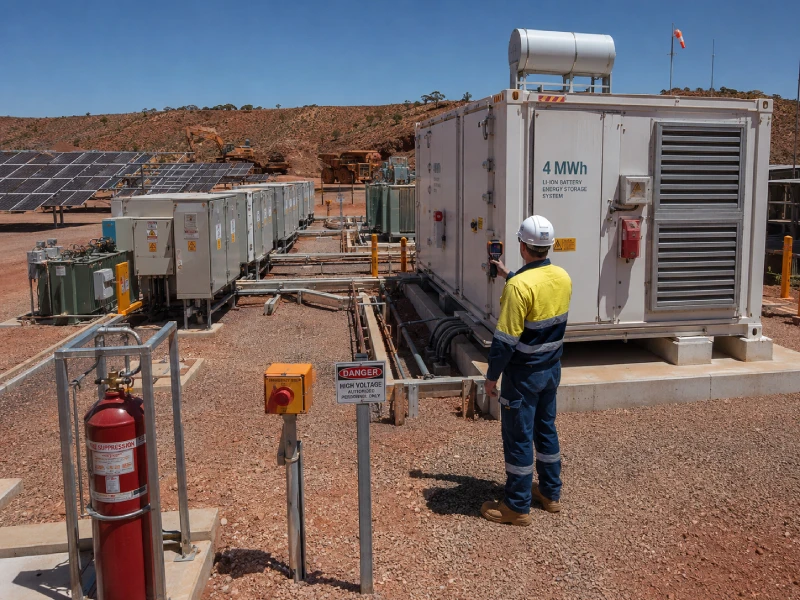
2. Mining Operations and Remote Industrial Facilities
Mining operations often face unique energy challenges due to their remote locations and intensive power requirements. Fuel delivery can account for a substantial percentage of total operating expenses, particularly when sites are located far from transportation infrastructure.
As a result, mining companies increasingly deploy hybrid energy systems that combine solar generation, battery energy storage, and conventional backup generators.
These systems help reduce fuel consumption while maintaining operational reliability.
Common Mining Applications
- Exploration camps
- Worker accommodations
- Processing facilities
- Water treatment infrastructure
- Security and communications systems
Engineering Considerations
- High daily energy consumption
- Extreme environmental conditions
- Dust exposure
- Temperature management requirements
- Future capacity expansion needs
Containerized battery energy storage systems are increasingly preferred due to their modular design, simplified deployment, and scalability.“` “`html
3. Agricultural Irrigation and Smart Farming Operations
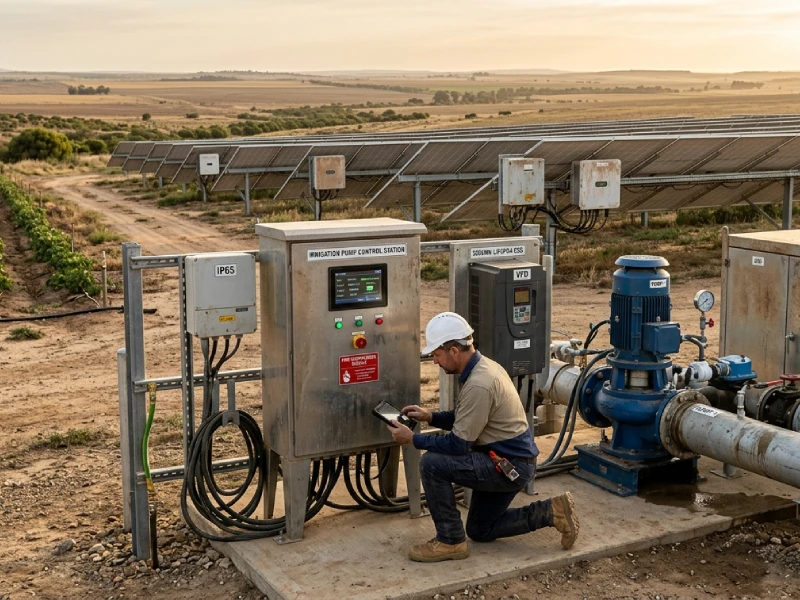
Agriculture is rapidly becoming one of the most promising sectors for off-grid renewable energy deployment. Across regions such as Southeast Asia, Africa, Latin America, Australia, and the Middle East, agricultural producers are facing increasing pressure to improve productivity while controlling energy and water management costs.
For farms located far from transmission infrastructure, extending utility lines can be prohibitively expensive. Even where grid access exists, voltage fluctuations and power outages can disrupt irrigation schedules, affecting crop yields and overall profitability.
An off grid solar system offers a practical solution by providing reliable electricity directly at the point of use. Combined with intelligent pumping controls and battery storage, solar-powered irrigation systems can operate independently of the grid while significantly reducing fuel expenses.
Typical Agricultural Applications
- Water pumping systems
- Drip irrigation networks
- Center pivot irrigation equipment
- Greenhouse operations
- Livestock watering systems
- Agricultural processing facilities
- Cold storage and refrigeration
Key Economic Drivers
In many agricultural operations, irrigation accounts for a significant portion of annual energy consumption. Diesel-powered pumps can create substantial operating expenses due to fuel purchases, transportation logistics, maintenance requirements, and equipment downtime.
Solar-powered pumping systems eliminate fuel dependency during daylight hours and can be integrated with battery storage to support early morning, evening, or emergency irrigation cycles.
For large commercial farms, the value proposition extends beyond energy savings. Improved irrigation reliability can directly contribute to higher crop yields, better water resource management, and reduced production risks.
Engineering Considerations
Unlike many industrial loads, agricultural energy demand is often highly seasonal. System designers must evaluate:
- Seasonal water requirements
- Solar irradiation patterns
- Pump motor starting currents
- Battery autonomy requirements
- Future irrigation expansion plans
For EPC contractors, properly matching solar generation capacity with irrigation demand profiles is critical to achieving optimal project economics.
4. Rural Electrification and Community Microgrids
Despite major advances in global energy access, hundreds of millions of people still lack reliable electricity services. In many rural regions, extending centralized transmission infrastructure remains economically challenging due to low population density, difficult terrain, and significant capital requirements.
As a result, decentralized solar microgrids have emerged as one of the most effective approaches to rural electrification.
Modern solar microgrid systems combine photovoltaic generation, battery energy storage, intelligent controls, and local distribution networks to provide reliable electricity to entire communities.
Common Rural Electrification Applications
- Residential energy access
- Healthcare clinics
- Schools and educational facilities
- Community centers
- Water treatment systems
- Telecommunications infrastructure
- Small business development
Why Solar Microgrids Are Expanding
Traditional grid expansion projects often require substantial investment in transmission lines, substations, and supporting infrastructure. In remote areas, the cost per connection can exceed the cost of developing localized renewable energy systems.
Solar microgrids offer several advantages:
- Faster deployment timelines
- Lower infrastructure costs
- Scalable system architecture
- Reduced environmental impact
- Improved community resilience
For development agencies, governments, and private investors, solar microgrids provide a practical pathway toward improving energy access while supporting local economic growth.
Market Opportunity for EPC Contractors
Many rural electrification programs are funded through public-private partnerships, development finance institutions, and international energy access initiatives. EPC contractors capable of delivering complete solar-plus-storage solutions are increasingly positioned to participate in large-scale deployment programs.
5. Island Communities and Coastal Microgrids
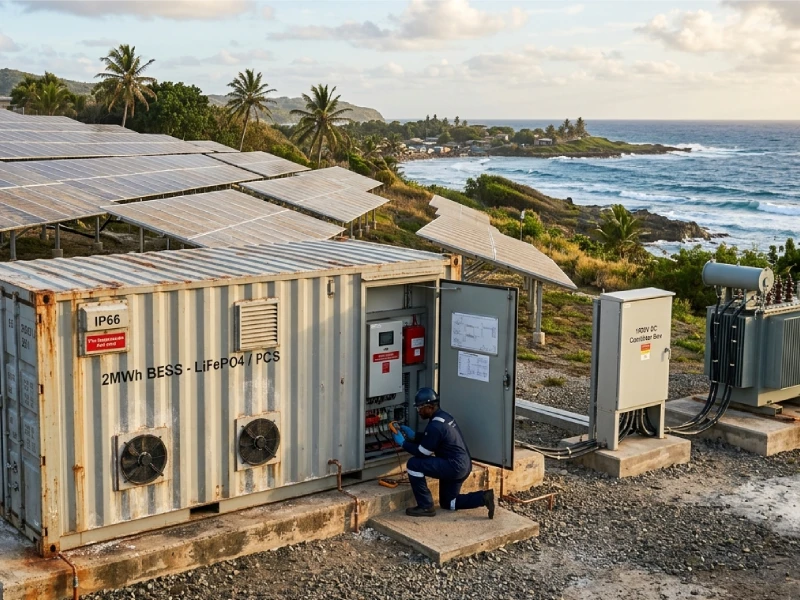
Island communities face unique energy challenges that make them particularly attractive candidates for renewable energy adoption.
Many islands depend heavily on imported diesel fuel for electricity generation. This dependence exposes local utilities, businesses, and residents to fuel price volatility, transportation disruptions, and high electricity costs.
Off-grid and hybrid solar systems can significantly reduce fuel consumption while improving long-term energy security.
Typical Island Applications
- Tourism resorts
- Island utilities
- Fishing communities
- Remote villages
- Water desalination facilities
- Marine infrastructure
Why Battery Storage Is Critical
Unlike grid-connected systems that can export excess electricity, island microgrids must maintain a continuous balance between generation and demand.
Battery energy storage systems play a critical role by:
- Absorbing excess solar generation
- Stabilizing system frequency
- Reducing generator runtime
- Supporting nighttime operations
- Providing spinning reserve capabilities
The combination of solar generation and LiFePO4 battery storage has become a preferred architecture for island energy projects due to its operational flexibility and long service life.
6. Construction Sites and Temporary Power Infrastructure
Construction projects often require temporary power before permanent utility connections become available. Historically, contractors have relied almost exclusively on diesel generators to supply electricity for offices, lighting, equipment, communications, and security systems.
However, fuel costs, emissions regulations, and sustainability requirements are encouraging contractors to explore cleaner alternatives.
Portable solar-plus-storage systems are increasingly being deployed to reduce generator runtime and improve project sustainability metrics.
Typical Construction Site Loads
- Site offices
- Lighting systems
- Surveillance equipment
- Communication networks
- Charging stations
- Temporary accommodations
Benefits for Contractors
- Reduced fuel costs
- Lower noise levels
- Improved environmental performance
- Reduced maintenance requirements
- Enhanced operational flexibility
As environmental standards continue to evolve, many project owners are increasingly prioritizing low-emission construction practices, creating additional opportunities for portable energy storage solutions.
7. Emergency Response and Disaster Recovery Systems
Extreme weather events, natural disasters, and infrastructure failures continue to highlight the importance of resilient energy systems.
Following hurricanes, floods, earthquakes, wildfires, or severe storms, electrical infrastructure can remain unavailable for days or even weeks. During these periods, reliable backup power becomes essential for emergency services and critical facilities.
Critical Applications
- Emergency shelters
- Medical facilities
- Disaster response centers
- Communications networks
- Water supply systems
- Public safety infrastructure
Advantages of Solar and Battery Storage
Compared with conventional generators, solar-plus-storage systems provide several benefits:
- Rapid deployment capability
- Reduced fuel dependency
- Lower operating costs
- Quiet operation
- Improved energy security
Many emergency management organizations are now incorporating mobile battery storage and renewable energy systems into their disaster preparedness strategies.
Engineering Considerations for Different Off-Grid Solar Applications
While market demand continues to grow, successful project deployment ultimately depends on engineering quality. One of the most common mistakes in off-grid projects is assuming that equipment selection alone determines system performance.
In reality, project success depends on proper system design, load analysis, battery sizing, environmental adaptation, and lifecycle planning.
Battery Capacity Sizing
Battery sizing is one of the most critical aspects of any off-grid solar power system.
Undersized battery banks may result in insufficient backup power, reduced equipment lifespan, and frequent generator operation. Oversized systems, meanwhile, can unnecessarily increase capital expenditure.
Engineers typically evaluate:
- Daily energy consumption
- Peak demand requirements
- Load diversity factors
- Critical versus non-critical loads
- Future expansion expectations
Accurate load profiling remains the foundation of effective battery sizing.
Autonomy Requirements
Autonomy refers to the number of days a system can continue operating without meaningful solar generation.
Required autonomy varies significantly between applications:
| Application | Typical Autonomy Target |
|---|---|
| Telecom Towers | 2-5 Days |
| Healthcare Facilities | 3-7 Days |
| Mining Operations | 1-3 Days |
| Community Microgrids | 2-4 Days |
The appropriate autonomy target depends on local weather patterns, operational risk tolerance, and backup generation strategies.
Environmental Challenges
Many off-grid projects operate in harsh environments that place significant stress on electrical equipment.
Common environmental challenges include:
- High ambient temperatures
- Dust and sand exposure
- Salt spray corrosion
- High humidity conditions
- Heavy rainfall
- Extreme temperature fluctuations
Equipment selection should account for these environmental factors to ensure long-term reliability and reduced maintenance requirements.
Why LiFePO4 Has Become the Preferred Battery Technology
Battery technology selection plays a major role in project performance and total cost of ownership.
Although lead-acid batteries were historically common in remote power applications, most commercial and industrial projects are now transitioning toward lithium iron phosphate (LiFePO4) technology.
Key Advantages of LiFePO4 Battery Storage
- Long cycle life
- Higher usable capacity
- Improved safety performance
- Lower maintenance requirements
- Faster charging capability
- Superior energy efficiency
- Reduced lifecycle cost
For projects expected to operate continuously for 10 years or more, lifecycle economics often strongly favor LiFePO4 battery storage despite higher initial investment costs.
Expert Tip: How EPC Contractors Can Avoid Costly Off-Grid System Design Mistakes
One of the most common causes of underperforming off-grid solar projects is inaccurate load forecasting during the design phase.
Many project developers size systems based solely on current demand while overlooking future load growth, seasonal variations, or operational changes.
Experienced engineers typically recommend designing battery storage systems with sufficient flexibility to accommodate future expansion. Modular ESS architectures can help reduce upgrade costs while extending project lifespan.
Another frequent mistake is underestimating environmental impacts. High temperatures, dust accumulation, humidity, and corrosive conditions can significantly affect system performance if not properly addressed during equipment selection.
Finally, focusing exclusively on upfront capital costs often leads to poor procurement decisions. The most cost-effective system over its lifetime is not necessarily the lowest-cost system on day one. EPC contractors should evaluate total lifecycle cost, reliability, maintenance requirements, warranty coverage, and supplier support capabilities before making purchasing decisions.“` “`html
Real-World Off-Grid Solar Project Applications (Engineering Case Analysis)
While off-grid solar applications vary widely across industries, successful projects typically share a common engineering foundation: accurate load assessment, appropriate battery sizing, and reliable system integration. For EPC contractors and project developers, understanding real-world deployment logic is essential for reducing technical risk and improving project bankability.
The following case-based analysis reflects widely deployed industry architectures across telecom, mining, and island microgrid sectors, based on common engineering practices used in commercial energy storage deployments globally.
Telecom Tower Deployment – Remote Sub-Saharan Region
Telecom infrastructure in remote regions typically relies on hybrid energy systems combining solar PV, LiFePO4 battery storage, and backup diesel generators. The primary objective is to reduce fuel consumption while ensuring 24/7 network uptime.
In typical deployments, solar generation offsets daytime load while battery storage supports nighttime operation. Diesel generators are retained only as emergency backup during extended low-solar periods.
- Primary challenge: high diesel logistics cost and unreliable fuel supply chain
- Engineering focus: autonomy design and load stability
- System architecture: 48V DC or hybrid AC/DC configuration
For EPC contractors, telecom projects offer predictable load profiles, making them highly suitable for standardized modular ESS deployment strategies.
Mining Operation Energy System – Remote Australia
Mining operations represent one of the most energy-intensive off-grid applications globally. These sites require stable, high-capacity power systems capable of supporting heavy industrial loads such as crushing, drilling, ventilation, and processing equipment.
Modern mining energy systems typically adopt containerized battery energy storage systems integrated with large-scale photovoltaic arrays and diesel backup generation.
- Primary challenge: extreme environmental conditions and high load variability
- Engineering focus: high-power density and thermal management
- System architecture: 1500V DC industrial ESS with PCS integration
In many cases, solar and storage systems are designed to offset peak diesel consumption rather than fully replace generation, significantly reducing operational expenditure while maintaining system resilience.
Island Microgrid – Southeast Asia Coastal Community
Island microgrids represent one of the most economically compelling off-grid solar applications due to their heavy reliance on imported diesel fuel. These systems prioritize energy stability, fuel reduction, and long-term sustainability.
A typical island system integrates solar PV generation with grid-forming inverters and centralized battery storage to stabilize frequency and voltage across the local distribution network.
- Primary challenge: fuel dependency and grid instability
- Engineering focus: grid-forming capability and frequency regulation
- System architecture: 1500V DC microgrid with centralized ESS
Battery storage plays a critical role in ensuring uninterrupted power supply during nighttime and adverse weather conditions.
Common Procurement Challenges in Off-Grid Solar Projects
Despite strong market demand, many EPC contractors and distributors face recurring challenges during procurement and deployment phases. These challenges often have a direct impact on project profitability and long-term system performance.
1. Inconsistent Supplier Quality
One of the most common risks in the off-grid solar market is variability in product quality across different suppliers. Inconsistent battery performance, insufficient testing standards, and lack of certification compliance can lead to premature system failure.
2. Underestimated System Design Complexity
Many suppliers focus on component sales rather than system-level engineering. However, off-grid applications require integrated design thinking that considers load behavior, environmental conditions, and lifecycle performance.
3. Long Lead Times and Supply Chain Instability
Global procurement teams often face unpredictable delivery timelines, particularly for containerized ESS solutions and customized battery systems.
4. Limited Technical Support
Without strong engineering support, EPC contractors may struggle with system commissioning, configuration optimization, and troubleshooting during deployment.
How to Evaluate a Reliable Off-Grid Solar & ESS Supplier
For procurement managers and EPC decision-makers, supplier selection is one of the most critical factors determining project success. A reliable supplier should provide more than hardware—it should deliver engineering capability, system integration expertise, and long-term operational support.
Key Evaluation Criteria
- Manufacturing capacity and scalability
- Battery cell sourcing transparency
- Certified testing (IEC, UL, UN38.3, CE)
- System integration experience (not just component supply)
- Engineering support for system design and commissioning
- Track record in telecom, mining, or microgrid projects
- Warranty structure and lifecycle service support
In mature procurement strategies, suppliers are increasingly evaluated based on their engineering contribution rather than lowest-cost bidding.
Why EPC Contractors and Distributors Choose SolarDyna
SolarDyna positions itself as a full-scope off-grid energy storage system manufacturer specializing in LiFePO4 battery storage, hybrid inverter systems, and containerized ESS solutions for global EPC and industrial partners.
Engineering-Driven Energy Storage Solutions
Unlike component-only suppliers, SolarDyna focuses on system-level integration, ensuring compatibility between PV generation, battery storage, inverter systems, and EMS control platforms.
Application-Focused Product Architecture
Solutions are designed specifically for telecom, mining, agricultural, island microgrid, and remote industrial applications, ensuring optimized performance under real-world operating conditions.
OEM & ODM Capability for Global Partners
SolarDyna supports customized battery system design, private label manufacturing, and EPC-specific configuration services to meet diverse project requirements.
Global Deployment Support
Engineering teams provide pre-sales system design support, battery sizing consultation, and commissioning assistance to reduce deployment risk for international EPC contractors.
Frequently Asked Questions About Off-Grid Solar Applications
1. What are the most commercially viable off-grid solar applications today?
The most commercially viable off-grid solar applications include telecom towers, mining operations, agricultural irrigation systems, island microgrids, rural electrification projects, remote industrial facilities, and emergency backup infrastructure. These applications typically achieve the strongest returns because they either replace expensive diesel generation or provide reliable power in locations where grid extension is economically impractical.
For EPC contractors and project developers, telecom, mining, and commercial microgrid projects often offer the highest long-term revenue potential due to their larger energy demands and recurring expansion requirements.
2. How do EPC contractors determine the correct battery storage capacity for an off-grid solar project?
Battery sizing should be based on detailed load analysis rather than simply matching solar generation capacity. Engineers typically evaluate daily energy consumption, peak demand, critical load requirements, expected autonomy days, seasonal variations, and future load growth.
For example, a telecom tower requiring uninterrupted operation may need multiple days of battery autonomy, while an agricultural pumping system may only require energy storage for evening irrigation cycles. Proper battery sizing is essential for balancing reliability, performance, and project economics.
3. What is the typical ROI for commercial off-grid solar and battery storage projects?
Return on investment varies depending on diesel fuel costs, solar resource availability, battery technology, financing structure, and site-specific operating conditions. In many commercial applications, payback periods typically range from two to seven years.
Projects with high diesel consumption often achieve the fastest returns because fuel savings provide an immediate reduction in operating expenses. Long-term ROI should always be evaluated using total lifecycle cost rather than initial capital expenditure alone.
4. Why is LiFePO4 the preferred battery technology for off-grid solar applications?
LiFePO4 (Lithium Iron Phosphate) batteries have become the preferred technology for commercial and industrial off-grid projects because they offer longer cycle life, improved safety, higher usable energy capacity, and lower maintenance requirements compared with traditional lead-acid batteries.
For remote sites where maintenance visits are expensive and operational uptime is critical, LiFePO4 battery storage can significantly reduce total ownership costs while improving system reliability over the project lifecycle.
5. Can off-grid solar systems completely replace diesel generators?
In some applications, off-grid solar and battery storage systems can fully replace diesel generation. However, many commercial and industrial projects adopt a hybrid architecture that combines solar, battery storage, and backup generators.
Hybrid systems often provide the best balance between reliability and cost-effectiveness, particularly for sites with highly variable energy demand, limited solar resources during certain seasons, or critical operational requirements.
6. What certifications should procurement managers look for when sourcing off-grid ESS solutions?
Certification requirements vary by country and project type, but commonly requested standards include IEC 62619, IEC 62477, UL 1973, UL 9540, CE, UN38.3, and relevant grid-compliance certifications.
Procurement teams should verify not only product certifications but also the supplier’s quality management systems, manufacturing capabilities, testing procedures, and project experience to ensure long-term compliance and operational reliability.
7. What are the biggest challenges in remote off-grid energy projects?
The most common challenges include inaccurate load forecasting, undersized battery storage, harsh environmental conditions, logistics constraints, limited maintenance access, and future expansion requirements that were not considered during the design phase.
Successful projects typically address these risks through comprehensive site assessments, modular system architectures, remote monitoring capabilities, and partnerships with experienced energy storage suppliers.
8. How should EPC contractors evaluate an off-grid solar and battery storage supplier?
Beyond product pricing, EPC contractors should assess engineering support capabilities, manufacturing capacity, certification compliance, warranty coverage, technical documentation, delivery reliability, and previous project experience.
The strongest suppliers typically provide complete system-level support, including battery sizing recommendations, ESS integration guidance, commissioning assistance, and long-term technical service. This level of support can significantly reduce project risks and improve deployment efficiency.
Planning an Off-Grid Solar Project?
Whether you’re developing a telecom power system, mining facility, agricultural project, island microgrid, or remote industrial site, selecting the right off-grid solar and battery storage architecture is critical for long-term reliability and ROI.
SolarDyna provides LiFePO4 battery energy storage systems, hybrid inverters, and turnkey off-grid solar solutions designed for EPC contractors, distributors, and project developers worldwide.
✔ LiFePO4 battery storage from 5kWh to utility-scale MWh projects
✔ Engineering support for telecom, mining, agriculture, and microgrids
✔ OEM/ODM services for distributors and EPC contractors
✔ Global certifications including CE, IEC, UN38.3, and UL-ready solutions
Talk with SolarDyna engineers about battery sizing, autonomy requirements, and off-grid system design.