An off grid solar kit is more than a collection of solar panels and batteries. For EPC contractors, distributors, and commercial energy project developers, a complete off-grid solar solution requires carefully matched components, reliable system integration, and long-term operational stability.
As energy independence becomes increasingly important for remote facilities, industrial sites, telecommunication infrastructure, and backup power applications, businesses are looking beyond individual products. They need a complete off grid solar system designed to generate, store, and manage electricity efficiently under real operating conditions.
A professionally designed solar power system combines energy generation, battery storage, power conversion, and electrical protection into one coordinated solution. Understanding what is included in a complete solar kit helps project owners make better procurement decisions and reduces risks during installation and operation.
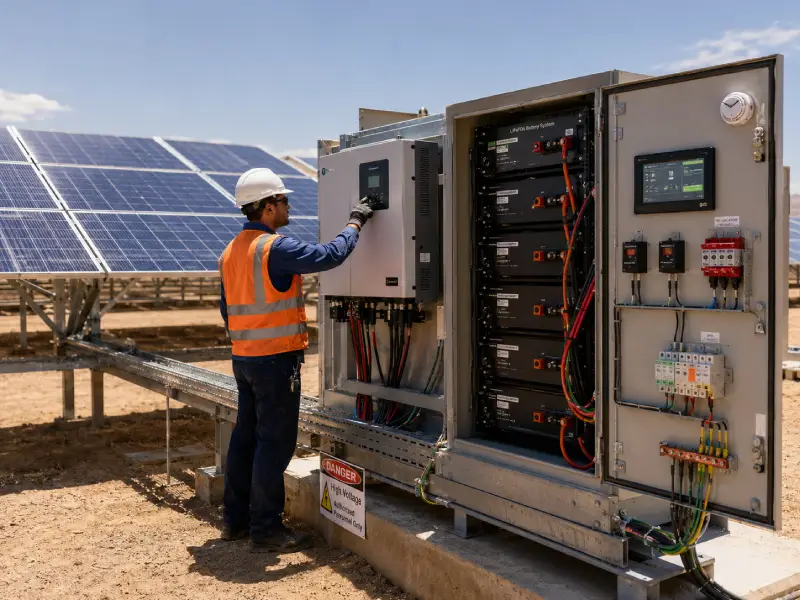
Understanding the Structure of a Complete Off Grid Solar Kit
An off-grid solar power system works independently from the public electricity grid. Unlike grid-connected systems that rely on utility power as a backup, off-grid solutions must generate and store enough energy to support electrical loads continuously.
For commercial and industrial applications, the reliability of the system depends on how well each component works together. A complete solution normally includes several key parts:
- Solar panels for electricity generation
- Solar inverter for DC to AC power conversion
- Battery storage system for energy availability
- Solar charge controller for battery management
- Mounting structures and electrical accessories
- Protection devices for safe operation
Each component has a specific role. However, the real performance of the system depends on the overall design, component compatibility, and engineering configuration.
For B2B buyers, purchasing a complete system rather than separate components can simplify project management, improve installation efficiency, and reduce compatibility issues between different suppliers.
What Components Are Included in an Off Grid Solar Kit?
A complete solar energy solution should be evaluated as an integrated system. Instead of focusing only on individual equipment prices, EPC companies and distributors should consider how each part contributes to overall system reliability.
Complete Off Grid Solar Kit Components Checklist
| Component | Main Function | Key Selection Considerations |
|---|---|---|
| Solar Panels | Convert sunlight into electricity | Power output, efficiency, environmental durability |
| Solar Inverter | Convert DC electricity into usable AC power | Capacity, compatibility, protection features |
| Battery Storage System | Store electricity for later use | Battery chemistry, cycle performance, safety |
| Charge Controller | Control charging and protect batteries | MPPT technology, voltage matching |
| Mounting System | Provide mechanical support | Structural strength, corrosion resistance |
| Electrical Accessories | Ensure safe electrical connections | Cables, connectors, protection devices |
This checklist provides a basic framework, but every project requires configuration based on actual energy demand, installation environment, and operating conditions.
Solar Panels: The Energy Generation Foundation of an Off Grid Solar System
Solar panels are the first energy-producing component in an off-grid system. They capture sunlight and convert solar radiation into direct current electricity, which is then managed by the system’s power electronics and storage components.
For residential applications, selecting solar panels may focus mainly on available installation space and energy requirements. However, commercial and industrial projects require a more detailed evaluation process.
How to Select Solar Modules for Off Grid Applications
When selecting photovoltaic modules for an off-grid project, EPC contractors should evaluate several technical factors:
- Power generation capability: The solar array must produce sufficient energy based on daily consumption requirements.
- Environmental adaptability: Modules should match the installation environment, including temperature, humidity, and outdoor exposure.
- System compatibility: Solar panel voltage and current characteristics should align with inverter and battery system design.
- Long-term reliability: Stable module performance helps reduce maintenance requirements throughout the project lifecycle.
A common mistake in solar system procurement is selecting panels only according to rated power. In reality, the complete system performance depends on how solar generation interacts with energy storage and power conversion equipment.
Why Solar Panel Quality Matters for Commercial Projects
For distributors and project developers, product consistency is an important consideration. Large-scale deployments require stable supply, consistent specifications, and predictable performance.
A reliable supplier should provide not only solar modules but also technical support to ensure that the complete solar configuration matches the project requirements.
Battery Storage: The Core of Energy Independence
In an off-grid system, battery storage plays a critical role because electricity generation and electricity consumption rarely happen at exactly the same time.
During periods of strong sunlight, solar panels can generate excess electricity. The battery system stores this energy and releases it when solar production is limited, such as at night or during periods of low sunlight.
For this reason, battery selection is one of the most important decisions when designing an off-grid solar power system.
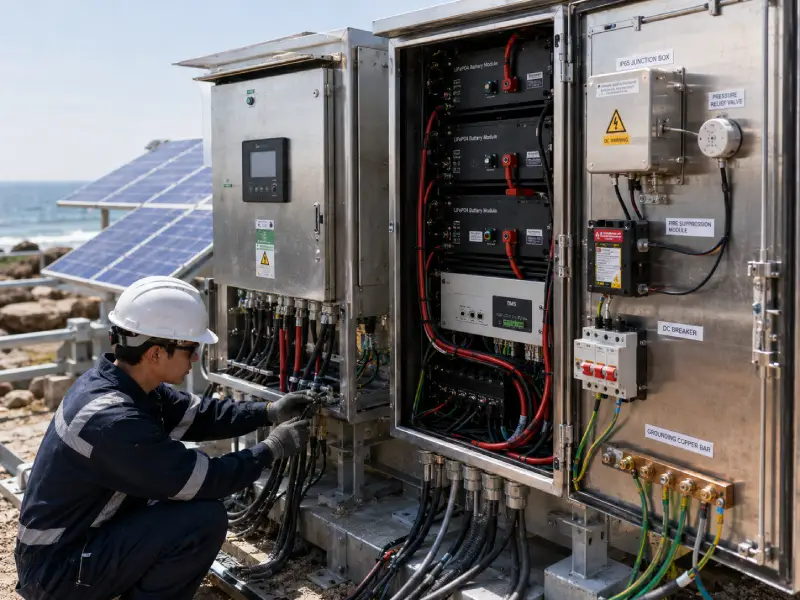
LiFePO4 Battery Technology for Off Grid Solar Applications
Many modern solar storage projects use lithium iron phosphate (LiFePO4) batteries because of their stable characteristics and suitability for long-term energy storage applications.
Compared with traditional battery technologies, LiFePO4 solutions are commonly selected for solar energy storage because they offer:
- High safety characteristics: LiFePO4 chemistry provides stable thermal performance for energy storage environments.
- Long service capability: Properly designed battery systems can support frequent charging and discharging cycles.
- Stable output performance: Consistent energy delivery helps maintain reliable power supply.
- Lower maintenance requirements: Modern battery management systems help monitor and optimize operation.
For EPC contractors, the battery should not be considered as an independent product. The battery capacity, inverter specifications, and energy management strategy must work together to achieve the expected system performance.
Solar Inverter Selection: Matching Power Conversion With Project Requirements
The solar inverter is one of the most important components in a complete off-grid solar power system. While solar panels generate DC electricity and batteries store energy, the inverter converts stored and generated power into usable AC electricity for electrical equipment.
For EPC contractors and commercial project developers, choosing an inverter is not only about selecting the correct power rating. The inverter must match the battery system, load requirements, and overall energy management strategy.
Key Factors to Evaluate When Selecting an Off Grid Solar Inverter
A reliable inverter selection process should consider several engineering factors:
- Rated power capacity: The inverter should support the expected continuous electrical load of the project.
- Surge power capability: Some electrical equipment requires higher starting power. The inverter should handle temporary power demands without affecting system stability.
- Battery compatibility: The inverter charging parameters and battery voltage range must align with the selected energy storage system.
- Protection functions: Over-voltage protection, overload protection, and thermal management contribute to safer operation.
- Monitoring capability: Communication functions can help operators track system performance and identify operational issues.
In commercial off-grid applications, inverter performance directly influences system efficiency and user experience. An incorrectly configured inverter may lead to reduced energy utilization or unnecessary system limitations.
Why Inverter-Battery Compatibility Matters
The inverter and battery system work together as the energy management center of an off-grid solution. Their electrical parameters must be carefully matched during system design.
Important matching factors include:
- Battery voltage range
- Charging and discharging current requirements
- Power output demand
- Communication compatibility
For B2B buyers, working with a supplier that understands system integration can reduce engineering adjustments during installation and commissioning.
Supporting Components Often Overlooked in Off Grid Solar Kits
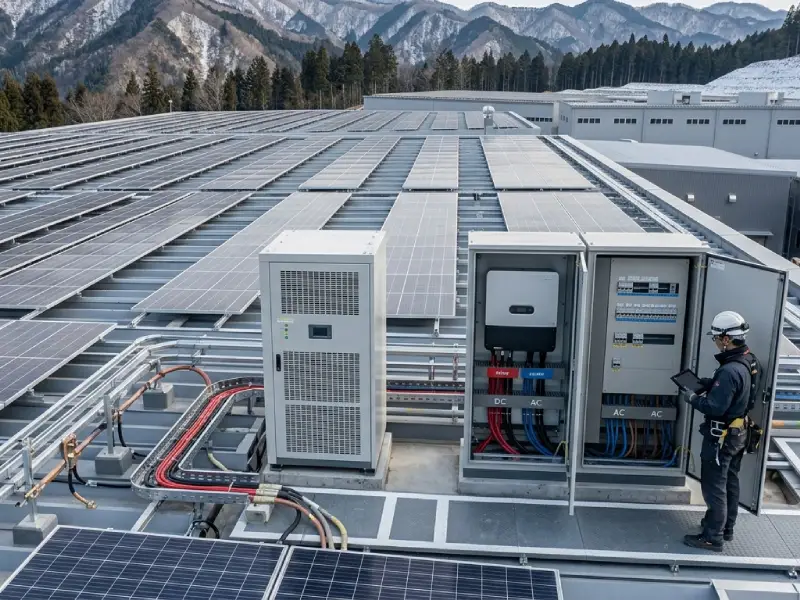
Many discussions about solar systems focus on panels, batteries, and inverters. However, supporting components also influence the safety, durability, and long-term reliability of the complete system.
For professional installations, mechanical structures and electrical accessories should be treated as essential parts of the solar solution rather than optional additions.
Mounting Structures: The Mechanical Foundation of Solar Installation
The mounting system provides structural support for solar panels and ensures that the photovoltaic array remains stable under outdoor operating conditions.
A well-designed mounting solution should consider:
- Installation environment
- Structural stability
- Material durability
- Maintenance accessibility
For commercial solar projects, mounting structures must support efficient installation while maintaining long-term mechanical reliability.
Factors such as corrosion resistance and connection quality become especially important for systems installed in challenging outdoor environments.
Cables, Connectors, and Electrical Protection Devices
Electrical accessories are critical for maintaining safe energy transmission throughout the solar system.
A complete solar kit may include:
- DC cables
- AC cables
- Solar connectors
- Distribution equipment
- Circuit protection devices
- Surge protection components
Although these parts may represent a smaller portion of the overall system cost, improper selection can affect system safety and maintenance requirements.
For EPC companies, using compatible electrical components helps simplify installation procedures and improves project consistency.
How to Size the Right Off Grid Solar Kit for Your Project
Selecting the correct solar configuration requires more than choosing available products. A reliable system starts with understanding energy demand and designing the right relationship between power generation, storage capacity, and consumption patterns.
Step 1: Analyze Energy Consumption Requirements
The first step in designing an off-grid solar power system is identifying how much energy the application requires.
Important factors include:
- Daily electricity consumption
- Peak power demand
- Operating hours
- Critical loads that require priority power supply
For industrial and commercial projects, energy demand analysis helps prevent both under-sizing and unnecessary oversizing.
Step 2: Determine Battery Storage Requirements
Battery capacity determines how much energy can be stored and how long the system can continue operating when solar generation is unavailable.
Battery sizing depends on:
- Required backup duration
- Daily energy consumption
- Solar availability
- Load management strategy
A properly configured battery system improves energy availability and helps maintain stable operation in off-grid environments.
Step 3: Configure the Complete System
After understanding energy demand and storage requirements, the final configuration should ensure that solar panels, batteries, inverters, and protection components work together.
For professional buyers, the value of an experienced supplier is not only product availability. It is the ability to provide system-level recommendations based on real project requirements.
Expert Tip: Evaluate the Complete System, Not Individual Components
Expert Tip: Many off-grid solar projects face unnecessary challenges because components are selected separately without considering the entire energy system.
For EPC contractors and distributors, the lowest-priced individual component does not always create the lowest project cost. Compatibility, installation efficiency, and long-term maintenance can have a greater impact on the overall project result.
Before purchasing an off grid solar kit, consider:
- Whether solar generation matches expected energy demand
- Whether battery capacity supports operating requirements
- Whether inverter specifications match the storage system
- Whether the supplier can provide technical support
SolarDyna focuses on providing integrated solar solutions that help customers simplify system selection and improve project reliability.
Common Mistakes When Purchasing Off Grid Solar Systems
Choosing a System Based Only on Price
Price is an important factor in procurement, but it should not be the only evaluation standard.
A lower initial purchase cost may create additional engineering challenges if components are not properly matched or if technical support is limited.
Ignoring System Compatibility
A complete solar solution requires coordination between energy generation, storage, and power conversion.
Selecting components separately without considering compatibility may increase commissioning time and create additional project management requirements.
Overlooking Supplier Technical Capability
For long-term B2B partnerships, suppliers should provide more than products. Engineering communication, configuration support, and reliable supply capability are important parts of project success.
Why Choose SolarDyna as Your Off Grid Solar Solution Partner?
Selecting the right supplier is a critical step for distributors, EPC contractors, and commercial energy developers. A successful solar project requires more than individual equipment supply. It requires a partner who understands system configuration, component compatibility, and long-term project requirements.
SolarDyna focuses on delivering integrated solar solutions that help customers build reliable energy systems for different applications. By combining product supply with technical understanding, SolarDyna supports customers throughout the project planning and implementation process.
Integrated Solar Energy System Capability
A complete solar solution requires coordination between multiple components. Solar panels, battery storage systems, inverters, and electrical accessories must work together as one system.
SolarDyna supports customers by helping evaluate system requirements and select suitable configurations, including:
- Solar generation capacity planning
- Energy storage configuration
- Inverter and battery compatibility
- System component matching
- Project-specific requirements
This system-level approach helps reduce complexity for buyers who need dependable solutions rather than individual products.
Supporting Distributors and EPC Contractors
For B2B customers, supply reliability and technical communication are essential factors when choosing a long-term partner.
Distributors need consistent product availability and clear technical information to support their market development. EPC contractors require accurate system configurations to ensure smoother project execution.
A professional supplier should be able to support customers with:
- Product selection guidance
- Technical communication
- Project configuration support
- Customized solution recommendations
- Long-term cooperation planning
By focusing on engineering requirements and practical application needs, SolarDyna helps partners improve project efficiency and customer satisfaction.
Designed for Long-Term Solar Project Deployment
An off-grid solar system is a long-term infrastructure investment. The quality of system design and component selection directly influences operation stability, maintenance requirements, and lifecycle performance.
A reliable off grid solar kit should provide:
- Stable energy production
- Efficient energy storage
- Safe power conversion
- Convenient system management
- Adaptability for different applications
SolarDyna approaches solar projects from an engineering perspective, helping customers create solutions that balance performance, reliability, and practical installation needs.
Applications of Complete Off Grid Solar Systems
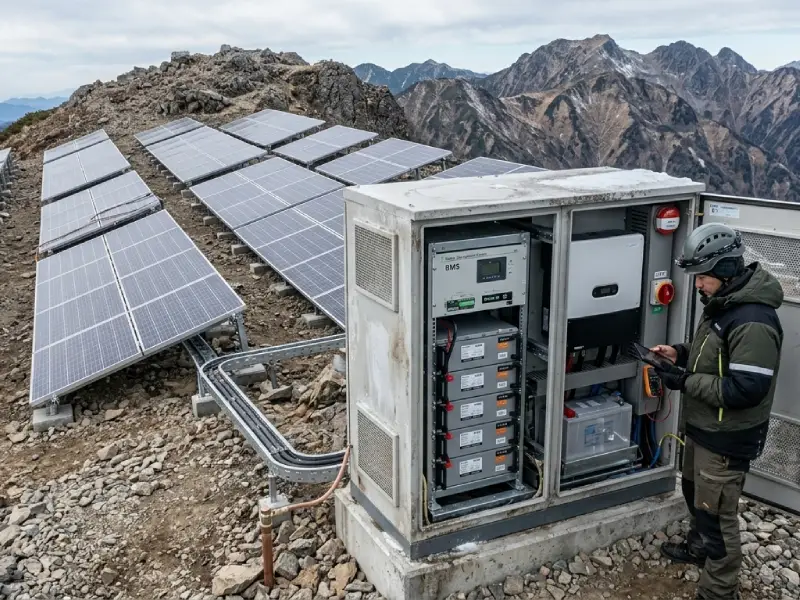
Off-grid solar solutions are increasingly used in locations where stable electricity access is challenging or where independent energy supply is required.
Remote Industrial and Infrastructure Projects
Remote locations often require reliable power solutions without depending on traditional grid connections.
Off-grid solar systems can support applications such as:
- Remote monitoring stations
- Construction facilities
- Industrial equipment support
- Temporary project sites
For these applications, system reliability and simple maintenance are key considerations during project planning.
Commercial Backup Power Applications
Businesses increasingly evaluate energy storage solutions to improve power availability and reduce operational disruption.
A properly designed solar energy storage system can provide additional energy flexibility for commercial facilities.
Rural and Infrastructure Energy Solutions
In areas with limited grid access, independent solar systems can provide electricity for essential applications.
These projects require careful system sizing because the solar system must operate independently under local environmental conditions.
Frequently Asked Questions About Off Grid Solar Kits
Q1. What is included in a complete off grid solar kit?
A complete off-grid solar kit normally includes solar panels, an inverter, battery storage, charge controller, mounting components, cables, and electrical protection devices.
The exact configuration depends on project requirements such as energy demand, operating conditions, and application type.
Q2. How do I choose the right size off grid solar system?
The correct system size depends on electricity consumption, peak power requirements, required backup time, and available solar resources.
Professional system design should evaluate both energy generation and storage capacity to ensure balanced operation.
Q3. Why are LiFePO4 batteries commonly used in solar storage systems?
LiFePO4 batteries are widely selected for energy storage applications because they provide stable performance characteristics, strong safety features, and suitability for repeated charging and discharging cycles.
The battery should always be selected together with the inverter and overall energy management design.
Q4. Can an off grid solar kit be customized for different projects?
Yes. Different applications require different system configurations.
A commercial facility, remote infrastructure project, and backup power application may require different solar capacity, battery storage, and inverter specifications.
A customized approach helps ensure the system matches the actual operating environment.
Q5. What should EPC contractors consider when selecting a solar supplier?
EPC contractors should evaluate more than product pricing. Important factors include:
- Technical support capability
- Product compatibility
- Supply consistency
- Customization ability
- Communication efficiency
A supplier with engineering knowledge can help reduce project risks and improve implementation efficiency.
Q6. Does SolarDyna provide customized off-grid solar solutions?
SolarDyna provides solar system solutions designed around customer requirements, supporting project configuration, component matching, and application-specific needs.
Build a Reliable Off Grid Solar Solution With SolarDyna
A successful off-grid solar project depends on more than installing solar panels. It requires a complete system where energy generation, storage, conversion, and protection work together.
For EPC contractors, distributors, and energy project developers, choosing the right partner helps create more reliable projects and long-term business value.
Whether you are planning a commercial installation, remote power project, or customized energy solution, SolarDyna can support your requirements with professional solar system solutions.
Request a Customized Off Grid Solar Kit Solution
Tell us your project requirements, energy demand, and application scenario. SolarDyna engineering team can help evaluate a suitable solar configuration.
Contact SolarDyna for Technical Consultation
Final Takeaway
A reliable off grid solar kit is not simply a package of separate products. It is an integrated energy solution designed around real operating conditions.
The best solar system combines suitable components, proper engineering design, and dependable supplier support.
For businesses looking for long-term solar partnerships, working with an experienced solution provider can improve project reliability, simplify procurement, and support future energy goals.
Need a Reliable Off Grid Solar Kit for Your Project?
Choosing the right off grid solar kit requires more than selecting individual components. We provide complete off-grid solar system solutions with solar panels, LiFePO4 battery storage, inverters, and electrical protection designed for EPC contractors, distributors, and commercial projects.
✔ LiFePO4 battery storage and inverter compatibility support
✔ Customized solar solutions for EPC and distributor projects
✔ Engineering guidance for reliable long-term deployment
Talk with our engineering team for a custom off grid solar kit design based on your power requirements and application environment.