Why Solar Battery Lifespan Is Now a Critical Factor in Commercial Energy Storage Investment Decisions
Rising electricity prices, stricter carbon reduction policies, and increasing pressure to maximize long-term ROI are forcing EPC contractors, distributors, and commercial energy developers to rethink how they evaluate energy storage investments. In today’s highly competitive renewable energy market, choosing the wrong battery technology can lead to premature replacement costs, unstable system performance, and lower project profitability. For B2B buyers managing utility-scale solar projects, industrial facilities, or commercial microgrids, understanding solar battery lifespan is no longer optional—it is a critical factor in long-term project success.
Whether you are a procurement manager sourcing battery energy storage systems (BESS), a technical director evaluating lifecycle performance, or an EPC contractor responsible for system reliability, knowing how long solar batteries last can help reduce operational risk and improve long-term investment returns. While many suppliers focus heavily on upfront pricing, experienced energy professionals understand that the true value of a battery system lies in its lifecycle stability, degradation rate, safety profile, and maintenance requirements.
Modern commercial energy storage projects increasingly rely on lithium-based technologies such as LiFePO4 due to their superior cycle life, lower degradation rates, and enhanced operational safety. Compared with traditional lead-acid systems, advanced lithium solar battery solutions deliver longer service life, improved efficiency, and significantly lower total cost of ownership over time.
In this guide, we will explain everything B2B buyers need to know about solar battery lifespan, including the factors that affect battery longevity, the differences between battery chemistries, and how to select long-life energy storage systems for commercial and industrial solar applications.
Why Solar Battery Lifespan Matters for Commercial Energy Storage Projects
For commercial and industrial solar projects, battery lifespan directly impacts profitability, operational stability, and long-term maintenance planning. While solar panels often operate efficiently for 25 years or longer, battery systems experience gradual degradation due to charging cycles, environmental conditions, and operational stress. If battery lifespan is underestimated during project planning, the result can be unexpected replacement costs and reduced financial returns.
In many commercial ESS deployments, the battery system represents one of the most expensive components of the entire infrastructure. As a result, understanding lifecycle performance has become a strategic procurement priority for EPC companies and energy investors worldwide.
Lifecycle Cost Is More Important Than Initial Purchase Price
One of the most common mistakes in commercial battery procurement is focusing solely on upfront system cost. Although lower-priced batteries may appear attractive during the bidding process, short battery lifespan often leads to significantly higher long-term operational expenses.
A battery system with poor cycle life may require replacement years earlier than expected, increasing:
- Maintenance labor costs
- Downtime during replacement
- Logistics and transportation expenses
- System redesign costs
- Warranty management complexity
- Operational disruptions for end users
For industrial facilities operating under tight production schedules or utility-scale projects delivering grid services, battery replacement downtime can create substantial financial losses. This is why experienced EPC contractors increasingly evaluate batteries based on Total Lifecycle Cost (TLC) rather than initial procurement pricing alone.
Battery Degradation Directly Affects Energy Yield
Even high-quality batteries gradually lose storage capacity over time. This process, known as battery degradation, reduces the amount of usable energy the system can deliver. In commercial solar applications, degradation directly impacts:
- Peak shaving performance
- Backup power reliability
- Load shifting capability
- Grid stabilization performance
- Energy arbitrage profitability
For example, a battery system that degrades rapidly may only retain 60–70% of its original capacity after several years of operation. As usable storage declines, project operators may struggle to meet operational targets or contractual performance guarantees.
This is especially important in large-scale battery energy storage system (BESS) projects where long-term financial forecasting depends on predictable battery performance.
Expert Tip:
Many commercial energy projects fail to achieve expected ROI because procurement teams underestimate the long-term impact of battery degradation. Selecting a supplier with verified cycle-life testing, intelligent battery management systems (BMS), and real-world deployment experience is often more important than choosing the lowest upfront price.
Long-Life Batteries Improve Project Bankability
Financial institutions and project investors increasingly evaluate battery lifespan when assessing renewable energy projects. Longer-lasting batteries reduce investment risk by improving operational predictability and lowering replacement uncertainty.
Projects using high-quality lithium solar battery systems typically benefit from:
- Improved financing opportunities
- Lower operational risk
- More stable long-term cash flow
- Enhanced investor confidence
- Stronger warranty protection
As global energy storage markets mature, lenders and investors are placing greater emphasis on lifecycle validation, manufacturer reliability, and long-term technical support capabilities.
What Is Solar Battery Lifespan?
Before comparing different battery technologies, it is important to understand what the term solar battery lifespan actually means. In commercial energy storage applications, battery lifespan refers to the period during which a battery can continue operating at an acceptable performance level before replacement becomes necessary.
However, battery lifespan is not measured using a single standard. Instead, manufacturers typically evaluate lifespan using two key metrics:
- Calendar life
- Cycle life
Understanding the difference between these measurements is essential for selecting the right battery solution for industrial and commercial solar projects.
Calendar Life vs Cycle Life
Calendar Life
Calendar life refers to the total number of years a battery can remain operational under normal conditions, regardless of how frequently it is used. Even if a battery experiences minimal cycling, chemical aging still occurs over time.
Factors affecting calendar life include:
- Ambient temperature
- Humidity
- Storage conditions
- Battery chemistry
- Cell quality
- Charging behavior
For many commercial lithium battery systems, calendar life typically ranges between 10 and 20 years depending on operating conditions.
Cycle Life
Cycle life measures how many complete charge and discharge cycles a battery can perform before its capacity drops to a specified threshold, usually 70–80% of its original capacity.
For example:
- A lead-acid battery may offer 500–1,500 cycles
- A standard lithium-ion battery may provide 3,000–6,000 cycles
- A LiFePO4 battery may exceed 6,000–10,000 cycles
Cycle life is particularly important for commercial ESS systems that operate daily for applications such as:
- Peak shaving
- Load shifting
- Solar self-consumption
- Grid balancing
- Microgrid energy management
Why Depth of Discharge (DoD) Matters
Depth of Discharge (DoD) is another critical factor affecting battery longevity. DoD refers to the percentage of battery capacity used during each discharge cycle.
For example:
- 50% DoD means half the battery capacity is used
- 80% DoD means most of the battery capacity is utilized
- 100% DoD means the battery is fully discharged
In general, deeper discharge cycles place more stress on battery cells and accelerate degradation. Batteries operating at consistently high DoD levels may experience shorter cycle life.
However, advanced LiFePO4 battery systems are specifically engineered to tolerate deeper discharge cycles while maintaining stable long-term performance. This makes them highly suitable for demanding commercial energy storage applications.
Typical Lifespan of Different Solar Battery Technologies
Not all solar batteries are designed for the same operational demands. Different battery chemistries offer varying levels of durability, efficiency, safety, and maintenance requirements. Understanding these differences helps commercial buyers choose the most cost-effective solution for long-term deployment.
| Battery Type | Typical Lifespan | Cycle Life | Commercial Suitability |
|---|---|---|---|
| Lead-Acid | 3–7 Years | 500–1,500 Cycles | Low |
| AGM / GEL | 4–8 Years | 800–2,000 Cycles | Medium |
| Standard Lithium-Ion | 10–15 Years | 3,000–6,000 Cycles | High |
| LiFePO4 | 10–20 Years | 6,000–10,000+ Cycles | Excellent |
Lead-Acid Batteries
Lead-acid batteries were once widely used in off-grid solar systems due to their relatively low upfront cost. However, their shorter cycle life, higher maintenance requirements, and lower energy density make them less suitable for modern commercial ESS projects.
Common challenges associated with lead-acid batteries include:
- Frequent maintenance requirements
- Limited deep-cycle performance
- Faster degradation under high temperatures
- Lower operational efficiency
- Heavier installation weight
Today, lead-acid systems are increasingly being replaced by lithium-based technologies in industrial and utility-scale applications.
Lithium-Ion Batteries
Lithium-ion batteries offer significantly better efficiency and cycle life compared with traditional lead-acid systems. Their higher energy density allows more compact installations and improved system flexibility.
However, not all lithium chemistries deliver the same performance or safety characteristics. Some lithium-ion batteries may experience:
- Higher thermal runaway risk
- Faster degradation under heavy cycling
- Reduced stability at elevated temperatures
As a result, commercial buyers increasingly favor LiFePO4 chemistry for long-term energy storage projects.
Why LiFePO4 Batteries Lead Modern ESS Markets
LiFePO4 batteries have become the preferred solution for commercial and industrial energy storage due to their exceptional balance of safety, longevity, and operational stability.
Key advantages include:
- Longer cycle life
- Lower degradation rate
- Excellent thermal stability
- Improved safety performance
- High charging efficiency
- Minimal maintenance requirements
For EPC contractors and distributors seeking long-term reliability, LiFePO4 technology provides a strong foundation for scalable and cost-effective ESS deployment.
Why LiFePO4 Batteries Dominate Modern Commercial ESS Projects
As global demand for commercial energy storage accelerates, LiFePO4 battery technology has rapidly emerged as the preferred choice for EPC contractors, distributors, industrial facilities, and utility-scale developers. Compared with traditional lead-acid systems and other lithium chemistries, LiFePO4 batteries provide superior solar battery lifespan, higher operational stability, and lower long-term ownership costs.
For commercial buyers managing large-scale solar installations, the transition toward LiFePO4 is not simply a technology trend—it is a strategic investment decision driven by lifecycle economics, project reliability, and increasingly strict safety standards.
Exceptional Cycle Life Reduces Replacement Frequency
One of the most important advantages of LiFePO4 batteries is their extremely long cycle life. In commercial ESS applications, battery systems may charge and discharge every day for years. Under these demanding conditions, shorter-life batteries degrade rapidly and require frequent replacement.
LiFePO4 battery systems typically deliver:
- 6,000–10,000+ charge/discharge cycles
- 10–20 years of operational lifespan
- Stable capacity retention over long-term usage
- Consistent performance under high-frequency cycling
For example, a commercial battery operating one full cycle per day could theoretically continue functioning for more than 15 years with proper system management. This dramatically reduces replacement frequency compared with lead-acid systems, which may require replacement every 3–5 years in intensive applications.
In utility-scale and industrial ESS projects, minimizing replacement cycles is essential for:
- Reducing maintenance disruptions
- Improving operational continuity
- Lowering labor and logistics costs
- Stabilizing long-term project cash flow
Superior Thermal Stability Improves Operational Safety
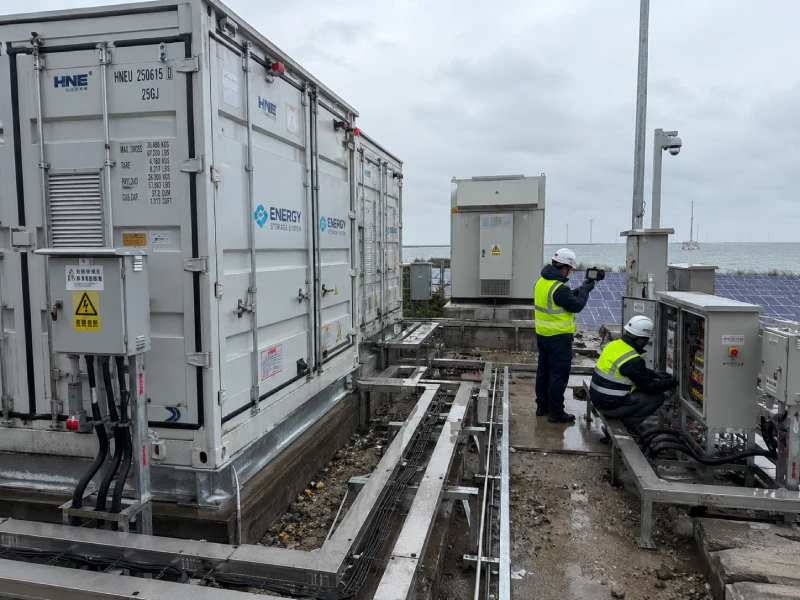
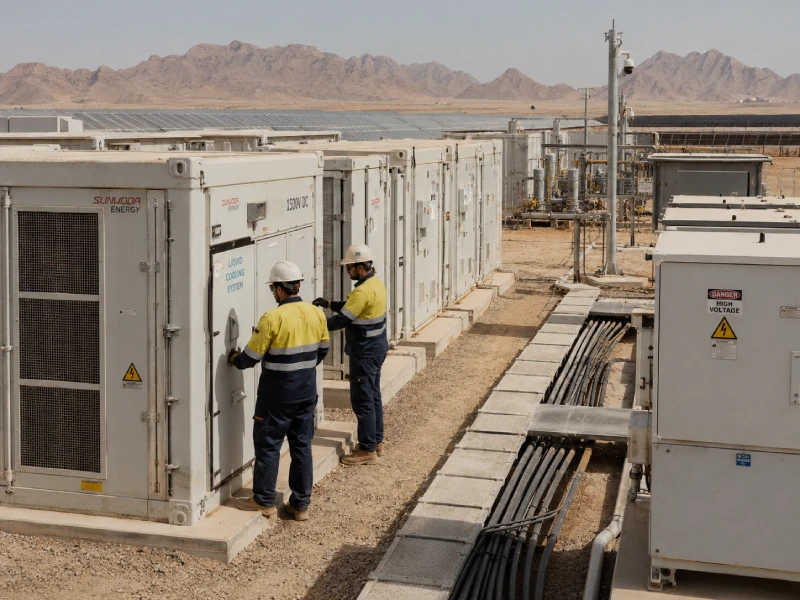
Safety has become one of the most critical concerns in modern energy storage deployment. Commercial battery systems often operate in demanding environments such as:
- Industrial manufacturing facilities
- High-temperature desert regions
- Coastal solar farms
- Telecommunication infrastructure
- Remote microgrid installations
Under these conditions, battery thermal stability directly affects operational reliability and project risk.
LiFePO4 chemistry is widely recognized for its superior thermal and chemical stability compared with other lithium battery technologies. Unlike certain high-energy-density lithium chemistries, LiFePO4 batteries have a significantly lower risk of thermal runaway.
This provides several major advantages for commercial deployments:
- Improved fire resistance
- Enhanced system safety
- Greater stability during high-temperature operation
- Lower insurance and compliance risk
- Reduced cooling system stress
As governments and regulatory agencies strengthen ESS safety standards worldwide, many commercial developers now prioritize battery suppliers with proven thermal safety certifications and real-world deployment experience.
Expert Tip:
For large-scale EPC projects, battery safety should be evaluated at both the cell level and the system level. High-quality LiFePO4 suppliers typically integrate advanced BMS architecture, thermal monitoring systems, and multi-layer protection strategies to improve operational reliability across the entire ESS lifecycle.
Higher Energy Efficiency Improves Commercial ROI
Battery efficiency plays a major role in determining the economic performance of commercial solar storage systems. Lower-efficiency batteries waste more energy during charging and discharging processes, reducing overall system profitability.
LiFePO4 batteries typically achieve round-trip efficiency rates above 95%, allowing commercial users to maximize usable stored energy.
Higher efficiency benefits commercial applications by:
- Reducing energy losses
- Improving solar self-consumption rates
- Enhancing peak shaving performance
- Increasing energy arbitrage profitability
- Optimizing grid interaction strategies
For industrial facilities with high electricity demand charges, even small efficiency improvements can generate significant long-term savings.
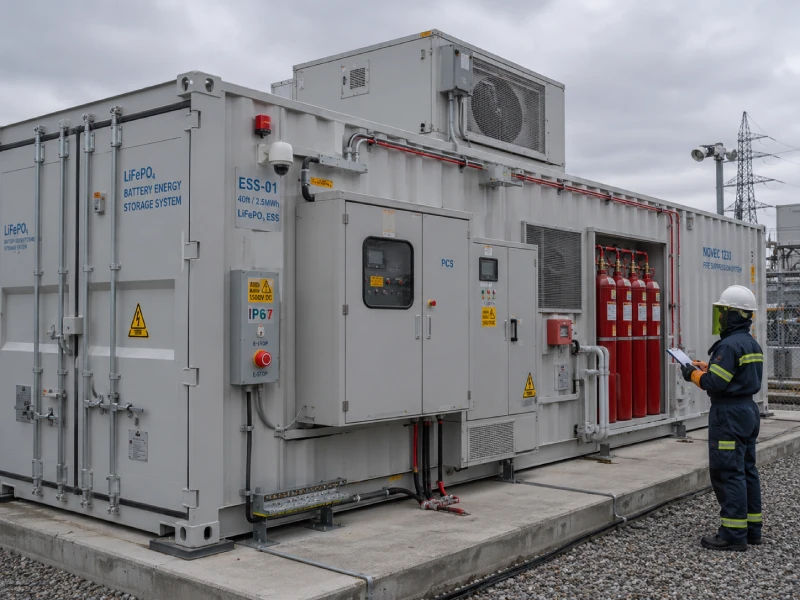
Minimal Maintenance Requirements Lower Operational Burden
Compared with traditional battery technologies, LiFePO4 systems require far less maintenance throughout their operational lifespan. This is particularly valuable for utility-scale and distributed energy projects deployed across multiple locations.
Lower maintenance requirements help reduce:
- On-site service visits
- Manual inspection frequency
- Operational downtime
- Spare parts inventory costs
- Maintenance labor expenses
For distributors and EPC contractors managing large project portfolios, simplified maintenance also improves scalability and after-sales service efficiency.
Key Factors That Affect Solar Battery Lifespan
Even the highest-quality battery systems can experience premature degradation if they operate under poor environmental or system conditions. For commercial buyers evaluating long-term energy storage investments, understanding the factors that influence solar battery lifespan is essential for maximizing system reliability and protecting project ROI.
Battery degradation is influenced by multiple interconnected variables, including operating temperature, charging behavior, installation quality, and battery management system performance.
Temperature Is One of the Biggest Causes of Battery Degradation
Temperature has a direct impact on battery chemistry and long-term performance. Excessive heat accelerates internal chemical reactions, causing battery cells to degrade more rapidly over time.
In commercial ESS projects, high operating temperatures can lead to:
- Reduced battery capacity
- Shortened cycle life
- Increased thermal stress
- Higher system failure risk
- Reduced charging efficiency
This challenge is particularly important in regions with:
- Hot desert climates
- High humidity environments
- Coastal salt exposure
- Limited ventilation infrastructure
For example, poorly ventilated battery enclosures exposed to constant high temperatures may experience significantly faster degradation than systems operating within optimal thermal ranges.
To improve long-term lifespan, commercial ESS systems should include:
- Proper ventilation design
- Thermal management systems
- Environmental monitoring sensors
- Temperature-controlled enclosures
Battery Management System (BMS) Quality Matters
The Battery Management System (BMS) acts as the “brain” of a commercial battery system. A high-quality BMS helps optimize charging behavior, monitor cell balance, and protect the system from harmful operating conditions.
An advanced BMS can improve battery lifespan by preventing:
- Overcharging
- Over-discharging
- Cell imbalance
- Overheating
- Excessive current loads
- Voltage instability
In modern commercial ESS deployments, intelligent BMS platforms increasingly provide:
- Remote monitoring capabilities
- Predictive diagnostics
- Cloud-based system analytics
- Automated fault detection
- Real-time performance optimization
For EPC contractors and project developers, selecting a supplier with advanced BMS integration can significantly reduce operational risk throughout the battery lifecycle.
Depth of Discharge Directly Influences Cycle Life
As discussed earlier, Depth of Discharge (DoD) significantly affects how long solar batteries last. Frequent deep discharging places additional stress on battery cells and accelerates chemical wear.
For example:
- Shallow cycling generally improves lifespan
- Repeated 100% discharge cycles may shorten battery life
- Controlled cycling strategies help stabilize degradation
Commercial ESS operators often optimize DoD settings based on:
- Peak demand schedules
- Grid electricity pricing
- Backup reserve requirements
- Renewable generation patterns
Modern LiFePO4 systems are engineered to tolerate higher DoD levels more effectively than many alternative battery technologies, making them highly suitable for intensive commercial cycling applications.
Installation Quality Has a Major Impact on Battery Longevity
Even premium battery systems can fail prematurely if installation standards are poor. Improper system integration often creates hidden operational stresses that reduce long-term reliability.
Common installation-related issues include:
- Improper cable sizing
- Insufficient ventilation
- Incorrect inverter compatibility
- Weak grounding systems
- Poor enclosure protection
- Improper load balancing
For utility-scale and industrial ESS deployments, professional engineering design is essential to ensure:
- Stable electrical performance
- Efficient thermal management
- Safe operational conditions
- Long-term system durability
Experienced EPC contractors increasingly work closely with battery manufacturers during the design phase to optimize system architecture and minimize operational risk.
Battery Cell Quality Determines Long-Term Reliability
Not all battery cells are manufactured to the same quality standards. In commercial ESS projects, inconsistent cell quality can lead to uneven degradation, reduced system stability, and higher failure rates.
High-quality battery manufacturers typically use:
- Grade A lithium cells
- Automated production lines
- Strict quality control procedures
- Advanced cell matching technologies
- Comprehensive testing protocols
Commercial buyers should carefully evaluate whether suppliers provide:
- Cell traceability systems
- Third-party certifications
- Cycle-life validation reports
- Factory testing documentation
- Long-term warranty support
As global ESS competition intensifies, reliable manufacturing capability has become a key differentiator between premium suppliers and low-cost market entrants.
Expert Tip:
For long-term commercial deployments, procurement teams should evaluate not only battery specifications but also manufacturing consistency. Suppliers with automated production systems, cell traceability, and real-world utility-scale deployment experience generally deliver more stable lifecycle performance over time.
How to Extend the Lifespan of Solar Batteries
For commercial and industrial energy storage projects, extending battery lifespan is one of the most effective ways to improve long-term ROI and reduce operational costs. While battery chemistry plays a major role in durability, proper system design and operational management are equally important.
By implementing optimized operating strategies, EPC contractors and facility operators can significantly reduce degradation rates and maximize usable battery life.
Select the Right Battery Chemistry for the Application
Different commercial applications require different battery performance characteristics. Choosing the wrong battery chemistry can result in unnecessary degradation and reduced operational efficiency.
For example:
- Backup power systems prioritize reliability and standby stability
- Peak shaving systems require frequent daily cycling
- Microgrids demand flexible load management
- Solar self-consumption systems require stable partial cycling performance
LiFePO4 batteries are particularly well-suited for commercial ESS projects because they combine:
- Long cycle life
- High thermal stability
- Excellent deep-cycle performance
- Strong operational safety
Maintain Stable Operating Temperatures
Effective thermal management is essential for maximizing battery lifespan. Commercial ESS installations should maintain batteries within manufacturer-recommended operating temperature ranges whenever possible.
Advanced thermal management strategies may include:
- HVAC cooling systems
- Smart ventilation design
- Thermal insulation
- Environmental monitoring sensors
- Intelligent temperature control software
Proper temperature management becomes especially important in high-temperature regions where solar generation and battery cycling occur simultaneously during peak sunlight hours.
Implement Intelligent Monitoring and Predictive Maintenance
Modern commercial battery systems increasingly rely on intelligent monitoring platforms to optimize performance and reduce unexpected failures.
Advanced monitoring systems provide:
- Real-time battery diagnostics
- Remote system visibility
- Predictive maintenance alerts
- Performance trend analysis
- Fault detection capabilities
Predictive maintenance allows operators to identify potential issues before they become critical failures, helping reduce downtime and improve lifecycle stability.
For distributed commercial ESS deployments, remote monitoring also improves operational efficiency by minimizing unnecessary site visits and maintenance interventions.
How Solar Battery Lifespan Impacts ROI in Commercial Energy Storage Projects
For commercial and industrial energy storage systems, battery lifespan is directly tied to financial performance. While many buyers initially focus on system pricing, experienced EPC contractors and procurement managers understand that long-term profitability depends on how reliably the battery system performs over time.
A battery with a longer operational lifespan not only reduces replacement frequency but also improves project predictability, operational continuity, and investment stability. In today’s competitive renewable energy market, evaluating solar battery lifespan through a long-term financial lens is essential for maximizing commercial returns.
Longer Battery Lifespan Lowers Total Cost of Ownership
Total Cost of Ownership (TCO) has become one of the most important procurement metrics in modern ESS projects. TCO includes not only the initial purchase cost of the battery system, but also:
- Maintenance expenses
- Replacement costs
- Operational downtime
- Labor requirements
- Transportation and logistics
- System upgrade costs
- Energy efficiency losses
Lower-cost batteries often appear attractive during the procurement phase but generate significantly higher expenses over time due to shorter cycle life and accelerated degradation.
For example, a low-cost battery requiring replacement every 4–5 years may ultimately cost substantially more than a premium LiFePO4 system capable of operating reliably for 15 years or longer.
Long-life battery systems help commercial operators:
- Reduce lifecycle replacement frequency
- Lower operational interruptions
- Improve maintenance planning
- Enhance long-term budgeting accuracy
- Stabilize project cash flow
For utility-scale projects with multi-year operational contracts, lifecycle predictability is especially important for maintaining financial performance targets.
Battery Degradation Directly Affects Revenue Generation
Battery degradation reduces the amount of usable energy available over time. As capacity declines, the system becomes less effective at delivering energy storage services such as:
- Peak shaving
- Load shifting
- Demand charge reduction
- Energy arbitrage
- Grid balancing
- Backup power support
For example, if a battery system loses capacity too quickly, it may no longer store enough energy to offset peak electricity costs effectively. This can reduce projected savings and negatively affect return on investment calculations.
Commercial operators therefore increasingly evaluate:
- Capacity retention rates
- Annual degradation percentages
- Warranty performance guarantees
- Real-world operational testing data
Battery suppliers capable of demonstrating stable long-term performance often gain stronger trust from EPC firms and energy investors.
Expert Tip:
When evaluating commercial battery systems, procurement teams should focus on usable energy delivered over the battery lifecycle rather than nameplate capacity alone. Batteries with lower degradation rates typically generate significantly higher long-term economic value even if their upfront pricing is higher.
Reliable ESS Systems Improve Energy Cost Management
In regions with volatile electricity pricing, battery energy storage systems play a critical role in reducing operational energy costs. Commercial facilities increasingly use ESS platforms to:
- Store excess solar energy
- Reduce peak demand charges
- Optimize time-of-use electricity pricing
- Improve energy independence
- Stabilize operational power supply
However, these benefits depend heavily on long-term battery reliability. If batteries degrade prematurely, facilities may lose the ability to optimize energy consumption efficiently.
Long-life LiFePO4 battery systems allow businesses to maintain stable energy optimization strategies for many years, improving overall project economics.
Long-Life Batteries Increase Investor Confidence
As commercial energy storage projects attract larger institutional investment, investors increasingly evaluate technical reliability alongside financial projections.
Battery systems with strong lifecycle performance help improve:
- Project bankability
- Financing approval rates
- Insurance confidence
- Operational forecasting accuracy
- Long-term investment stability
For utility-scale solar-plus-storage projects, lenders often require detailed lifecycle performance documentation before approving financing agreements.
Battery suppliers with proven deployment experience, strong certifications, and stable manufacturing systems are therefore increasingly favored in commercial procurement processes.
What B2B Buyers Should Look for in a Solar Battery Supplier
Choosing the right battery supplier is just as important as selecting the right battery technology. Even high-quality battery chemistry can underperform if the supplier lacks manufacturing consistency, engineering expertise, or long-term support capabilities.
For EPC contractors, distributors, and commercial developers, supplier evaluation should extend far beyond product pricing.
Manufacturing Capability and Production Consistency
Reliable manufacturing processes are essential for ensuring stable battery performance across large-scale deployments.
Commercial buyers should prioritize manufacturers with:
- Automated production lines
- Advanced quality control systems
- Cell matching technology
- Full traceability systems
- Scalable manufacturing capacity
Production consistency is especially critical for utility-scale ESS projects where hundreds or thousands of battery modules must operate together reliably over long periods.
Inconsistent cell quality can lead to:
- Uneven degradation
- Reduced capacity balancing
- Increased thermal stress
- Higher maintenance frequency
- System instability
International Certifications and Compliance Standards
Global commercial projects increasingly require strict compliance with international safety and transportation standards.
Reputable battery suppliers should provide certifications such as:
- UL certification
- IEC standards compliance
- UN38.3 transportation certification
- CE certification
- MSDS documentation
Compliance documentation is particularly important for international EPC projects involving:
- Cross-border transportation
- Government energy tenders
- Utility-scale deployments
- Industrial safety audits
Strong certification support also helps reduce regulatory and operational risk during project implementation.
Technical Support Capabilities Matter for EPC Projects
Commercial ESS deployment requires far more than simple product delivery. EPC contractors increasingly seek suppliers capable of providing:
- System design assistance
- Battery sizing recommendations
- Inverter compatibility guidance
- BMS integration support
- Installation training
- After-sales technical service
Strong engineering support can significantly reduce project complexity and help avoid costly integration mistakes.
For large-scale deployments, collaboration between the supplier’s technical team and EPC engineers is often essential for optimizing:
- System efficiency
- Thermal management
- Operational safety
- Long-term reliability
Warranty Terms Should Reflect Real Lifecycle Confidence
Warranty policies often reveal how confident a manufacturer is in its own technology.
Commercial buyers should carefully evaluate:
- Warranty duration
- Capacity retention guarantees
- Cycle-life commitments
- Performance conditions
- Response time for support requests
A strong warranty backed by stable manufacturing capability can significantly reduce long-term procurement risk.
However, buyers should also ensure the supplier has the financial stability and operational scale necessary to honor long-term warranty obligations.
Expert Tip:
For large commercial ESS projects, evaluating supplier engineering capability is just as important as evaluating battery specifications. Long-term project success often depends on system integration expertise, technical responsiveness, and post-installation support quality.
Why Long-Lifespan Energy Storage Systems Are Becoming the Global Industry Standard
The global transition toward renewable energy is accelerating demand for reliable long-duration energy storage. As solar and wind generation continue expanding, battery storage systems are becoming essential for stabilizing energy supply and supporting modern grid infrastructure.
In this evolving market, long-life battery systems are increasingly viewed as critical infrastructure assets rather than short-term equipment purchases.
Rising Electricity Prices Increase Demand for ESS Solutions
Many commercial and industrial facilities face growing pressure from rising electricity costs and peak demand charges.
Battery energy storage systems help businesses:
- Reduce grid dependence
- Store low-cost solar energy
- Optimize electricity consumption schedules
- Improve operational energy resilience
However, long-term financial benefits depend heavily on battery lifespan and degradation performance.
As energy prices continue rising globally, companies increasingly prioritize durable ESS systems capable of delivering stable long-term savings.
Grid Instability Is Driving Energy Independence
Grid reliability challenges are increasing in many regions due to:
- Extreme weather events
- Aging utility infrastructure
- Rapid electrification
- Renewable energy intermittency
- Growing electricity demand
Commercial battery systems now play a critical role in improving energy resilience for:
- Factories
- Data centers
- Hospitals
- Telecommunication infrastructure
- Industrial manufacturing facilities
Long-life LiFePO4 battery systems help ensure these facilities maintain stable backup power capability over many years of operation.
ESG and Sustainability Requirements Continue Expanding
Environmental, Social, and Governance (ESG) initiatives are increasingly influencing corporate energy investment decisions.
Businesses are under growing pressure to:
- Reduce carbon emissions
- Improve energy efficiency
- Increase renewable energy usage
- Strengthen sustainability reporting
Long-lifespan battery systems support ESG objectives by:
- Reducing material waste
- Lowering replacement frequency
- Improving renewable energy utilization
- Enhancing long-term resource efficiency
As sustainability standards become stricter worldwide, long-life energy storage technologies are expected to become increasingly important across commercial sectors.
Conclusion: Choosing the Right Solar Battery Is a Long-Term Business Decision
Understanding solar battery lifespan is essential for building profitable, reliable, and scalable commercial energy storage projects. While upfront pricing remains an important procurement factor, long-term lifecycle performance ultimately determines operational success and financial returns.
Modern LiFePO4 battery systems offer significant advantages over traditional battery technologies, including:
- Longer operational lifespan
- Higher cycle stability
- Lower degradation rates
- Improved thermal safety
- Reduced maintenance requirements
- Lower total cost of ownership
For EPC contractors, distributors, and commercial project developers, selecting the right battery supplier requires careful evaluation of:
- Manufacturing quality
- Technical expertise
- Lifecycle validation
- Safety certifications
- Long-term support capability
As global energy storage demand continues growing, businesses that invest in reliable long-life ESS solutions will be better positioned to improve energy resilience, reduce operational costs, and maximize long-term ROI.
For commercial buyers seeking dependable energy storage solutions, partnering with an experienced ESS manufacturer can help ensure greater project stability, stronger lifecycle performance, and sustainable long-term growth in an increasingly competitive energy market.
Looking for Long-Life Battery Energy Storage Solutions?
Choosing the right commercial battery energy storage system (BESS) is critical for maximizing ROI, reducing lifecycle costs, and ensuring long-term operational reliability. We provide LiFePO4 ESS solutions engineered for EPC contractors, distributors, industrial facilities, and utility-scale solar projects.
✔ Utility-scale and commercial ESS solutions for solar + storage projects
✔ Intelligent BMS, thermal management, and integrated fire protection
✔ OEM/ODM support with scalable manufacturing for global EPC deployment
Talk with our engineering team for a custom commercial energy storage solution tailored to your application and project requirements
Frequently Asked Questions About Solar Battery Lifespan for Commercial ESS Projects
1. How long do commercial solar batteries typically last?
Commercial solar battery lifespan depends largely on battery chemistry, operating conditions, and system design. Traditional lead-acid batteries generally last between 3–7 years, while modern lithium-based systems can operate for 10–20 years under proper conditions.
For commercial and industrial ESS applications, LiFePO4 batteries are widely preferred because they typically provide:
- 6,000–10,000+ charge cycles
- Lower annual degradation rates
- Higher thermal stability
- Reduced maintenance requirements
In utility-scale solar and battery storage projects, lifecycle performance is often more important than initial battery cost because replacement expenses significantly affect long-term ROI.
2. What factors most affect solar battery lifespan in commercial ESS systems?
Several operational and environmental factors influence solar battery lifespan in commercial energy storage systems.
The most important factors include:
- Operating temperature
- Depth of discharge (DoD)
- Battery chemistry quality
- Charging and discharge frequency
- BMS performance
- Installation quality
- Environmental exposure
For example, excessive heat and poor ventilation can accelerate battery degradation significantly. Commercial projects deployed in desert, tropical, or coastal environments often require advanced thermal management and corrosion-resistant system design.
3. Why are LiFePO4 batteries considered better for long-term commercial energy storage?
LiFePO4 batteries are widely regarded as one of the best technologies for commercial and industrial energy storage because they combine long cycle life, high safety performance, and stable operational efficiency.
Compared with lead-acid batteries and some traditional lithium chemistries, LiFePO4 systems offer:
- Longer operational lifespan
- Lower thermal runaway risk
- Higher charging efficiency
- Better deep-cycle performance
- Lower maintenance costs
These advantages make LiFePO4 especially suitable for applications such as:
- Peak shaving
- Commercial backup power
- Microgrids
- Solar self-consumption
- Utility-scale battery storage
4. How does battery degradation affect ROI in commercial ESS projects?
Battery degradation gradually reduces the amount of usable energy a system can store and discharge. As battery capacity declines, commercial ESS systems become less effective at reducing peak demand charges, storing excess solar energy, and optimizing electricity costs.
Rapid degradation can lead to:
- Lower energy savings
- Reduced peak shaving performance
- Higher replacement costs
- Unexpected operational downtime
- Lower project profitability
For B2B buyers, evaluating long-term degradation performance is essential when calculating lifecycle ROI and total cost of ownership (TCO).
5. What is the difference between cycle life and calendar life?
Cycle life refers to the number of complete charge and discharge cycles a battery can perform before its capacity drops below a specified threshold, usually 70–80% of original capacity.
Calendar life refers to the total number of years a battery can remain operational regardless of usage frequency.
Both metrics are important for commercial ESS projects:
- Cycle life is critical for daily-use applications such as peak shaving
- Calendar life is important for backup power and standby systems
Commercial buyers should evaluate both metrics when comparing battery technologies and suppliers.
6. How can EPC contractors extend solar battery lifespan in large-scale projects?
EPC contractors can significantly improve battery lifespan through proper system engineering and operational management.
Best practices include:
- Using advanced thermal management systems
- Implementing intelligent BMS platforms
- Maintaining proper ventilation
- Avoiding excessive depth of discharge
- Ensuring inverter compatibility
- Using high-quality lithium battery cells
- Performing predictive maintenance
For utility-scale projects, integrating cloud-based monitoring systems also helps detect operational abnormalities early and reduce long-term degradation risks.
7. What certifications should commercial battery suppliers provide?
Reliable commercial battery suppliers should provide internationally recognized certifications that demonstrate compliance with safety, transportation, and performance standards.
Common certifications include:
- UL certification
- IEC compliance
- UN38.3 transportation certification
- CE certification
- MSDS documentation
For large commercial ESS projects, certification compliance is important for:
- Project approvals
- Insurance requirements
- Grid connection standards
- International transportation
- Industrial safety compliance
8. What should B2B buyers evaluate when choosing a solar battery supplier?
Commercial buyers should evaluate battery suppliers based on long-term reliability, engineering capability, and lifecycle support rather than price alone.
Important evaluation criteria include:
- Manufacturing consistency
- Battery cell quality
- Technical support capability
- ESS integration experience
- Warranty terms
- Global project references
- Production scalability
- After-sales service responsiveness
For EPC contractors and distributors, partnering with an experienced ESS supplier can help reduce operational risk, improve project stability, and support long-term business growth in the energy storage market.