How to Size a Solar Inverter for Commercial and Industrial Projects: A Strategic Guide for EPC and Procurement Teams
As global commercial and industrial solar deployment continues accelerating, more EPC contractors, procurement managers, and solar distributors are searching for reliable ways to size a solar inverter correctly for long-term project success. In today’s highly competitive photovoltaic market, selecting the wrong inverter capacity no longer results in minor efficiency losses alone—it can directly impact project ROI, system stability, warranty reliability, and future energy storage integration capabilities.
For B2B buyers managing utility-scale solar farms, industrial rooftops, agricultural PV systems, or hybrid energy storage applications, understanding how to size a solar inverter properly has become a strategic engineering and procurement requirement. Unfortunately, many projects still suffer from oversized inverter investments, undersized PV conversion capacity, thermal derating issues, battery incompatibility, or poor DC-to-AC ratio optimization due to incomplete technical evaluation during the procurement phase.
This guide offers a practical, engineering-driven approach to solar inverter sizing for commercial and industrial PV systems. It is designed to help EPC contractors, technical directors, and procurement teams make informed decisions when evaluating inverter suppliers and designing scalable energy systems.
Within this article, we break down the core technical and commercial factors that influence inverter sizing decisions, including DC/AC ratio optimization, energy storage compatibility, thermal performance under real operating conditions, international certification requirements, and system-level design strategies used in modern utility-scale and C&I solar projects.
Why Proper Solar Inverter Sizing Matters More Than Ever in Modern Commercial PV Projects
In the early stages of solar industry development, inverter selection was often treated as a relatively simple electrical matching process. Contractors typically selected an inverter based on basic panel wattage calculations and rough safety margins. However, the modern photovoltaic market has evolved dramatically.
Today’s commercial solar systems must support:
- Higher module power outputs
- Advanced grid compliance requirements
- Hybrid ESS integration
- Remote monitoring systems
- Peak shaving applications
- Dynamic load management
- Microgrid functionality
- Smart energy dispatch systems
As a result, learning how to properly size a solar inverter now requires a much deeper understanding of electrical engineering, environmental operating conditions, and future system scalability.
The Financial Impact of Incorrect Inverter Sizing
Improper inverter selection can create significant hidden operational costs over the lifecycle of a solar project. While many procurement teams initially focus heavily on reducing upfront hardware costs, the long-term consequences of incorrect inverter sizing often outweigh the initial savings.
Common financial risks include:
- Reduced energy harvest from clipping losses
- Accelerated component degradation
- Frequent inverter shutdowns
- Higher maintenance costs
- Battery charging inefficiency
- Lower system uptime
- Grid export penalties
- Unexpected retrofit expenses
For large commercial and industrial installations, even small inverter efficiency losses can translate into substantial revenue reductions over 20–25 years of operation.
Why B2B Buyers Face Increasing Pressure During Inverter Procurement
EPC contractors and procurement managers are under increasing pressure to balance:
- System reliability
- Project profitability
- Regulatory compliance
- Installation timelines
- Lifecycle maintenance costs
- Future ESS compatibility
At the same time, the global inverter market has become crowded with suppliers offering highly aggressive pricing but inconsistent engineering quality.
Many low-cost manufacturers focus heavily on short-term pricing advantages while neglecting critical performance factors such as:
- Thermal stability
- Firmware reliability
- Long-term component durability
- Battery communication compatibility
- Intelligent MPPT optimization
- Grid protection accuracy
This creates significant procurement risk for distributors and EPC firms seeking dependable long-term supplier partnerships.
Common Solar Inverter Sizing Mistakes That Hurt Commercial Projects
Oversizing the Inverter Without Understanding Real Operating Conditions
One of the most common mistakes in commercial PV projects is excessive inverter oversizing. Some buyers assume that selecting a larger inverter automatically improves performance and future scalability.
In reality, oversized inverters can:
- Increase unnecessary CAPEX
- Reduce low-load operating efficiency
- Create poor ROI performance
- Increase standby energy consumption
- Complicate system optimization
Commercial solar systems rarely operate continuously at maximum output. Environmental conditions such as cloud cover, temperature fluctuations, dust accumulation, and module degradation significantly affect real-world PV production.
Professional inverter sizing therefore requires balancing theoretical peak output with realistic operating behavior.
Undersizing the Inverter and Causing Clipping Losses
While moderate DC oversizing is common in modern PV engineering, excessive undersizing creates substantial clipping losses during peak irradiance periods.
Clipping occurs when the photovoltaic array generates more DC power than the inverter can convert into usable AC electricity. The excess energy is effectively wasted.
This problem becomes especially severe in:
- High-irradiance desert regions
- Tropical industrial installations
- Large utility-scale systems
- Projects using bifacial PV modules
For industrial facilities operating under high daytime electricity pricing structures, clipping losses can significantly reduce expected financial returns.
Ignoring Battery Storage Compatibility
As hybrid energy storage systems rapidly expand across commercial applications, inverter compatibility with battery systems has become a major engineering requirement.
Unfortunately, many projects still install conventional grid-tied inverters without considering future ESS integration.
This can lead to:
- Expensive retrofit costs
- Additional BOS component requirements
- Communication protocol conflicts
- Reduced battery charging efficiency
- Limited EMS functionality
Professional procurement teams increasingly prioritize hybrid-ready inverter platforms that support:
- LiFePO4 battery integration
- CAN communication
- Modbus TCP/IP protocols
- Remote EMS control
- Peak shaving operation
- Backup power functionality
Neglecting Environmental Operating Conditions
Environmental conditions play a critical role in inverter sizing and long-term reliability.
Many procurement teams focus only on nominal technical specifications while overlooking:
- Ambient temperature
- Humidity exposure
- Salt mist corrosion risk
- Altitude derating
- Dust accumulation
- Ventilation limitations
Industrial rooftop environments often expose inverters to harsh operating conditions that significantly affect performance stability.
In coastal regions, for example, poor anti-corrosion protection can accelerate PCB degradation and cooling system failure.
Similarly, insufficient thermal management design may trigger:
- Power derating
- Thermal shutdowns
- IGBT degradation
- Capacitor aging
- Reduced inverter lifespan
Understanding the Core Principles of Solar Inverter Sizing
Before selecting commercial inverter equipment, procurement teams and EPC engineers must understand the fundamental electrical principles behind inverter sizing.
At its core, a solar inverter converts DC electricity generated by photovoltaic panels into usable AC electricity for industrial loads or grid export.
However, determining the correct inverter capacity involves far more than simply matching panel wattage.
DC Power vs AC Power
Photovoltaic modules generate direct current (DC), while commercial electrical systems operate using alternating current (AC).
The inverter serves as the bridge between these two electrical environments.
To properly size a solar inverter, engineers must evaluate:
- Total PV module capacity
- String voltage configuration
- Maximum current limits
- Grid connection requirements
- Site-specific environmental conditions
- Future expansion requirements
The inverter’s AC output capacity must align with both:
- The photovoltaic array characteristics
- The facility’s operational energy requirements
Understanding the DC-to-AC Ratio
The DC-to-AC ratio is one of the most important variables in commercial solar inverter sizing.
This ratio compares:
Total PV DC Capacity ÷ Inverter AC Capacity
For example:
A 1.2 MW DC solar array connected to a 1 MW AC inverter system creates a DC/AC ratio of 1.2.
Modern commercial systems commonly use DC/AC ratios between:
- 1.1 to 1.3 for standard commercial projects
- 1.3 to 1.5 for low-irradiance regions
- Below 1.1 for export-limited applications
Optimizing this ratio helps improve:
- Energy harvest efficiency
- System payback period
- Inverter utilization rates
- Project financial performance
Why Moderate DC Oversizing Is Common in Modern Solar Engineering
Many B2B buyers initially assume that inverter clipping is always undesirable. However, moderate clipping can actually improve overall project economics when carefully engineered.
Because solar modules rarely operate continuously at STC conditions, moderate DC oversizing allows the inverter to operate closer to its optimal efficiency range throughout the day.
This approach helps:
- Improve morning and evening production
- Increase annual energy yield
- Reduce BOS costs per watt
- Improve inverter utilization
Professional EPC teams therefore optimize inverter sizing based on annual energy production simulations rather than peak theoretical output alone.
Key Technical Parameters That Affect Inverter Selection
Maximum Input Voltage
The inverter’s maximum DC input voltage must safely accommodate:
- Cold-weather voltage increases
- Series string configurations
- Module open-circuit voltage tolerances
Failure to properly calculate voltage margins can result in:
- Inverter damage
- Safety shutdowns
- Long-term reliability issues
MPPT Voltage Range
Maximum Power Point Tracking (MPPT) functionality directly affects energy harvest performance.
The inverter’s MPPT voltage range must align with:
- String voltage behavior
- Temperature fluctuations
- Partial shading conditions
Commercial rooftops with multiple orientations often require:
- Multiple MPPT channels
- Independent string optimization
- Advanced tracking algorithms
Current Handling Capacity
Modern high-power photovoltaic modules generate increasingly higher current levels.
As module current continues rising beyond traditional design assumptions, procurement teams must ensure inverter current ratings support:
- High-current module compatibility
- Bifacial module operation
- Future PV module upgrades
Insufficient current handling capacity can reduce system efficiency and create long-term operational instability.
How to Choose the Right Solar Inverter Type for Different Commercial and Industrial Projects
One of the most important steps when learning how to size a solar inverter for commercial applications is understanding that not all inverter architectures are designed for the same project environment. Different installation scenarios require different electrical topologies, monitoring capabilities, cooling systems, and scalability strategies.
For EPC contractors and procurement managers, selecting the wrong inverter type can lead to:
- Reduced energy yield performance
- Higher maintenance complexity
- Poor ESS integration capability
- Grid compliance limitations
- Increased operational risk
- Future expansion difficulties
Modern photovoltaic projects typically use three primary inverter categories:
- String inverters
- Hybrid inverters
- Central inverters
Each architecture offers unique advantages depending on the project scale, energy management requirements, and long-term operational strategy.
String Inverters for Commercial Rooftop Solar Systems
String inverters have become the dominant solution for distributed commercial and industrial photovoltaic systems due to their flexibility, scalability, and simplified maintenance structure.
In a string inverter architecture, multiple PV strings connect to individual inverters distributed throughout the project site. This decentralized design improves fault isolation and allows independent MPPT optimization across different roof orientations or shading conditions.
String inverters are particularly suitable for:
- Commercial rooftops
- Industrial warehouses
- Shopping malls
- Manufacturing facilities
- Agricultural solar systems
- Distributed generation projects
Advantages of String Inverters
- Flexible system expansion capability
- Lower single-point failure risk
- Improved MPPT optimization
- Easier maintenance access
- Lower installation complexity
- Simplified troubleshooting procedures
- Better performance under partial shading conditions
Because each inverter operates semi-independently, performance losses from localized shading or module mismatch are significantly reduced compared to centralized architectures.
Challenges of String Inverter Systems
Despite their advantages, procurement teams must still evaluate several technical considerations:
- Communication network stability
- Outdoor environmental protection
- Distributed maintenance management
- Thermal dissipation performance
- IP protection ratings
- Anti-corrosion durability
In high-temperature industrial environments, poor cooling system design can severely impact inverter lifespan and operational stability.
Professional EPC teams therefore prioritize string inverters with:
- Smart air-cooling systems
- Intelligent fan speed control
- Advanced thermal sensors
- High-efficiency heat sink architecture
- Industrial-grade protection ratings
Hybrid Inverters for Energy Storage Integration
As commercial battery energy storage systems continue expanding worldwide, hybrid inverters are becoming increasingly important for industrial and commercial energy management projects.
Hybrid inverters combine:
- Photovoltaic conversion functionality
- Battery charging control
- Energy management integration
- Grid interaction capability
For B2B buyers planning long-term ESS deployment, hybrid inverter compatibility is now a major procurement consideration.
Why Hybrid Inverters Are Growing Rapidly in Commercial Applications
Rising electricity prices, unstable grid infrastructure, and increasing demand charges are forcing industrial facilities to adopt intelligent energy management systems.
Hybrid inverter systems support:
- Peak shaving
- Load shifting
- Backup power functionality
- Self-consumption optimization
- Microgrid operation
- Energy arbitrage strategies
As a result, many forward-looking EPC contractors now recommend hybrid-ready inverter systems even when battery storage is not immediately installed.
Key Technical Considerations for Hybrid Inverter Procurement
When evaluating hybrid inverter platforms, professional buyers should analyze:
- Battery communication compatibility
- Parallel scalability
- Charging/discharging efficiency
- EMS integration capability
- Remote monitoring functionality
- Firmware upgrade support
- Grid-forming capability
Battery communication protocols are particularly important.
High-quality hybrid inverters should support:
- CAN Bus communication
- RS485 integration
- Modbus TCP/IP
- Third-party BMS compatibility
Poor communication compatibility often creates severe integration issues during ESS deployment.
The Growing Importance of LiFePO4 Battery Compatibility
Commercial and industrial energy storage systems increasingly use LiFePO4 batteries due to their:
- Superior thermal stability
- Long cycle life
- Improved safety characteristics
- Lower degradation rates
However, not all hybrid inverters support stable multi-brand LiFePO4 integration.
Procurement teams should verify:
- Approved battery compatibility lists
- BMS communication validation
- Dynamic SOC management support
- Battery firmware interoperability
Failure to properly validate compatibility can result in:
- Battery communication failures
- Charging instability
- Reduced battery lifespan
- Unexpected system shutdowns
Central Inverters for Utility-Scale Solar Farms
Central inverters remain widely used in large utility-scale photovoltaic projects where centralized energy conversion offers economic advantages.
In a central inverter architecture, multiple PV strings feed into a single high-capacity inverter system.
Typical applications include:
- Ground-mounted solar farms
- Utility-scale power plants
- Large industrial energy parks
- High-capacity grid export systems
Advantages of Central Inverter Systems
- Lower cost per watt at large scale
- Simplified high-capacity power conversion
- Centralized maintenance structure
- Reduced AC collection complexity
For very large projects, central inverters may offer lower initial CAPEX compared to large distributed string inverter systems.
Limitations of Central Inverters
Despite their economic advantages, central inverter systems create several operational risks:
- Single-point failure vulnerability
- Reduced flexibility
- Complex maintenance procedures
- Lower shading tolerance
- Limited MPPT granularity
If a large central inverter fails, significant portions of the solar farm may stop operating entirely.
This risk has caused many utility developers to transition toward modular string inverter architectures for improved redundancy and operational resilience.
Understanding Solar Inverter Efficiency Beyond Marketing Claims
One of the most misunderstood aspects of commercial inverter procurement is efficiency evaluation.
Many manufacturers advertise extremely high peak efficiency figures while providing limited information about real-world operational performance.
For professional buyers, learning how to properly evaluate inverter efficiency is essential when determining how to size a solar inverter for maximum long-term profitability.
Peak Efficiency vs European Efficiency
Peak efficiency measures the inverter’s maximum possible conversion efficiency under ideal laboratory conditions.
However, commercial PV systems rarely operate continuously under ideal conditions.
European efficiency provides a more realistic representation of real-world performance because it evaluates inverter efficiency across varying load levels.
Professional procurement teams therefore prioritize:
- Weighted efficiency curves
- Partial-load performance
- Thermal stability behavior
- High-temperature conversion efficiency
Even small efficiency differences become financially significant in large commercial systems operating for decades.
Why Partial-Load Efficiency Matters in Real Commercial Projects
Commercial solar systems spend much of their operational life running below maximum output conditions due to:
- Cloud movement
- Morning and evening irradiance variations
- Seasonal production fluctuations
- Dust accumulation
- Temperature effects
An inverter optimized only for peak conditions may perform poorly during typical daily operation.
High-quality inverter platforms therefore focus heavily on:
- Wide efficiency operating ranges
- Advanced MPPT algorithms
- Dynamic power optimization
- Low standby losses
Why Thermal Management Is Critical for Long-Term Inverter Reliability
Thermal management is one of the most overlooked aspects of commercial inverter procurement.
Many inverter failures are not caused by electrical defects alone, but by long-term thermal stress damaging internal components over time.
Industrial rooftop environments often expose inverters to:
- Extreme ambient temperatures
- Poor airflow conditions
- High solar heat absorption
- Dust contamination
- Humidity exposure
Without effective cooling architecture, inverter components such as:
- IGBT modules
- Capacitors
- Transformers
- Control boards
may experience accelerated degradation.
Common Cooling Technologies in Modern Solar Inverters
Commercial inverters typically use:
- Passive cooling systems
- Forced-air cooling systems
- Smart fan cooling architectures
- Liquid cooling technologies
Each solution offers different advantages depending on project scale and operating conditions.
Passive Cooling
Passive cooling systems use heat sinks and natural convection without moving mechanical components.
Advantages include:
- Lower maintenance requirements
- Reduced noise
- Fewer mechanical failure points
However, passive cooling may struggle in:
- High-power systems
- Hot industrial environments
- Poor ventilation installations
Smart Forced-Air Cooling
Modern commercial string inverters increasingly use intelligent fan cooling systems with:
- Dynamic fan speed control
- Temperature-responsive operation
- Multi-zone thermal monitoring
- Predictive cooling algorithms
These systems improve thermal stability while reducing unnecessary fan wear and energy consumption.
How Thermal Stress Impacts Project Profitability
Poor thermal performance directly affects:
- Conversion efficiency
- Component lifespan
- Maintenance frequency
- System uptime
- Warranty reliability
Repeated thermal cycling can cause:
- Solder joint fatigue
- Capacitor drying
- PCB cracking
- Fan motor failure
For industrial-scale systems, even small reliability issues can generate major operational costs over time.
Professional EPC contractors therefore increasingly prioritize inverter suppliers with proven:
- Thermal simulation validation
- Environmental stress testing
- Long-duration burn-in procedures
- Industrial reliability certification
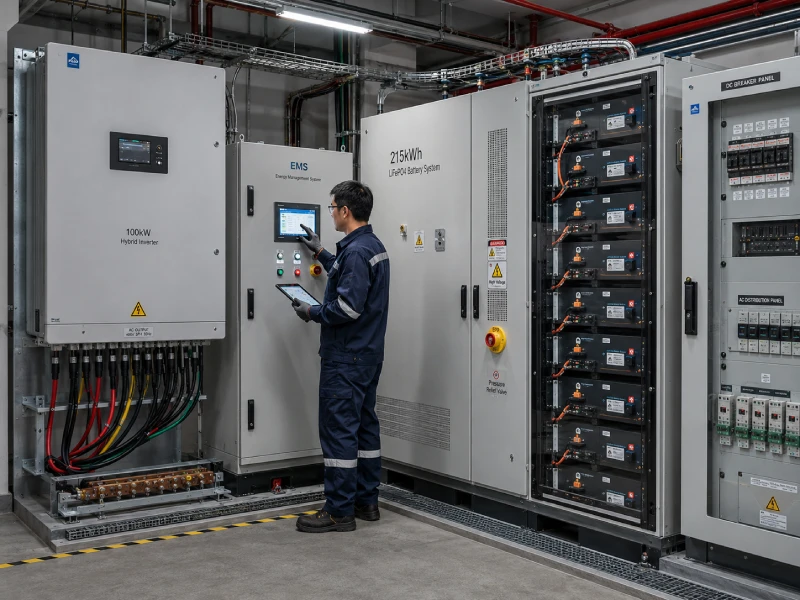
How Environmental Conditions Affect Solar Inverter Sizing and Selection
Environmental operating conditions significantly influence both inverter sizing calculations and long-term reliability planning.
Unfortunately, many procurement teams still evaluate inverter specifications under standard laboratory assumptions rather than real deployment environments.
This disconnect often leads to unexpected derating, premature failures, and reduced system profitability.
High-Temperature Environments
Temperature is one of the most important factors affecting inverter performance.
Most inverters begin reducing output power once internal temperatures exceed safe operating thresholds.
This process, known as thermal derating, protects internal components but reduces actual power output.
In regions such as:
- Southeast Asia
- Middle East deserts
- Tropical industrial zones
- Metal rooftop installations
poor thermal design can significantly reduce annual energy production.
Coastal Corrosion Risks
Coastal solar projects expose inverter systems to:
- Salt mist
- High humidity
- Corrosive airborne particles
Without proper anti-corrosion protection, inverter reliability may decline rapidly.
Professional procurement teams should evaluate:
- C5 anti-corrosion ratings
- Conformal PCB coating
- Stainless steel fasteners
- Sealed enclosure protection
- Salt spray testing certifications
Dust and Industrial Pollution
Mining facilities, cement plants, and industrial manufacturing zones often expose inverters to high dust concentrations.
Dust accumulation can:
- Block cooling airflow
- Increase internal temperatures
- Damage fans and heat sinks
- Reduce insulation performance
Industrial environments therefore require higher IP protection ratings and advanced filtration strategies.
Solar Inverter Certifications and Compliance Standards Procurement Teams Must Understand
For EPC contractors, technical directors, and commercial solar distributors, inverter certifications are not simply administrative requirements—they are critical indicators of engineering quality, grid compatibility, operational safety, and long-term reliability.
Unfortunately, many procurement teams still focus primarily on price comparisons while overlooking the importance of certification validation and manufacturing compliance.
In large commercial and industrial photovoltaic projects, selecting uncertified or poorly certified inverter equipment can create:
- Grid connection rejection
- Project approval delays
- Insurance complications
- Warranty disputes
- Operational safety risks
- Future legal liabilities
Understanding how certifications affect inverter selection is therefore essential when learning how to size a solar inverter for professional commercial applications.
IEC Standards for Commercial Solar Inverters
The International Electrotechnical Commission (IEC) establishes globally recognized standards for photovoltaic and inverter safety, reliability, and performance testing.
Professional procurement teams should verify whether inverter suppliers comply with relevant IEC standards before finalizing procurement contracts.
Key IEC standards commonly evaluated include:
- IEC 62109 for inverter safety
- IEC 61727 for grid connection performance
- IEC 61683 for conversion efficiency testing
- IEC 62116 for anti-islanding protection
Compliance with these standards helps ensure:
- Electrical safety stability
- Grid interaction reliability
- Long-term operational consistency
- International project acceptance
UL Certification Requirements for North American Markets
For projects targeting the United States and Canadian markets, UL certification is often mandatory.
Important UL standards include:
- UL 1741
- IEEE 1547 grid compliance
- CSA certification requirements
North American utility regulations continue evolving rapidly as renewable energy penetration increases across regional power grids.
As a result, procurement managers must ensure inverter suppliers maintain:
- Updated firmware compliance
- Dynamic grid support functionality
- Reactive power management capability
- Advanced anti-islanding protection
European Grid Compliance and CE Certification
For European photovoltaic markets, CE certification and country-specific grid compliance standards are essential.
Professional buyers should evaluate:
- Low-voltage directive compliance
- EMC compatibility
- Grid code certifications
- Harmonic distortion performance
As grid infrastructure becomes increasingly decentralized, utilities are demanding more sophisticated inverter capabilities including:
- Voltage ride-through support
- Frequency regulation functionality
- Reactive power compensation
- Grid stabilization services
Modern commercial inverter platforms must therefore support increasingly advanced grid interaction requirements.
How Manufacturing Quality Directly Affects Inverter Reliability
Even when two inverters appear similar on paper, manufacturing quality can dramatically influence long-term operational performance.
For B2B procurement teams, evaluating manufacturing capability is just as important as reviewing technical specifications.
High-quality commercial inverter suppliers invest heavily in:
- Automated production systems
- Precision assembly control
- Component traceability systems
- Long-duration stress testing
- Quality assurance laboratories
These manufacturing investments significantly improve:
- Operational stability
- Failure rate consistency
- Warranty reliability
- Lifecycle durability
Why Component Quality Matters in Commercial Inverters
Internal component quality plays a major role in inverter reliability.
Critical components include:
- IGBT modules
- Electrolytic capacitors
- Magnetic components
- Cooling fans
- Protection relays
- Control processors
Low-grade components often suffer from:
- Faster thermal degradation
- Reduced voltage tolerance
- Shortened lifespan
- Higher failure probability
Commercial EPC contractors therefore increasingly prioritize inverter manufacturers using globally recognized component suppliers with strong quality reputations.
Burn-In Testing and Environmental Stress Screening
Professional inverter manufacturers typically conduct extensive burn-in testing before shipment.
Burn-in procedures expose inverter systems to:
- High operating temperatures
- Dynamic electrical loads
- Extended runtime operation
- Voltage fluctuation conditions
This process helps identify early-stage manufacturing defects before products reach project sites.
Advanced manufacturers may also perform:
- Salt spray testing
- Thermal cycling validation
- Humidity exposure testing
- Vibration resistance testing
- EMC compatibility analysis
These procedures are especially important for:
- Coastal solar projects
- Mining operations
- Industrial rooftop installations
- Remote utility-scale sites
Why Smart Monitoring and EMS Integration Are Becoming Essential
Modern solar inverters are no longer simple power conversion devices.
Today’s commercial energy systems increasingly require intelligent monitoring, remote diagnostics, and advanced energy management integration.
As industrial electricity pricing structures become more complex, inverter intelligence directly affects project profitability.
The Evolution of Smart Inverter Technology
Traditional inverters focused primarily on DC-to-AC conversion efficiency.
Modern smart inverter platforms now support:
- Remote cloud monitoring
- AI-assisted fault diagnostics
- Dynamic load optimization
- Battery dispatch coordination
- Grid interaction management
- Real-time performance analytics
These capabilities improve operational visibility and reduce maintenance response times.
Why EMS Compatibility Matters for Commercial Projects
Energy Management Systems (EMS) are becoming central components of industrial energy infrastructure.
A well-integrated EMS can optimize:
- Energy consumption scheduling
- Peak shaving operation
- Battery charging behavior
- Demand charge reduction
- Backup power coordination
- Grid export management
Commercial inverter systems must therefore support seamless communication with external EMS platforms.
Professional buyers should verify:
- Open communication protocols
- Third-party EMS compatibility
- API integration capability
- Remote firmware upgrade functionality
The Role of AI and Predictive Maintenance in Future Solar Projects
Artificial intelligence and predictive analytics are beginning to transform commercial inverter maintenance strategies.
Advanced monitoring systems can now analyze:
- Temperature trends
- Voltage anomalies
- Fan performance behavior
- MPPT fluctuations
- Insulation resistance degradation
This allows operators to identify potential failures before catastrophic downtime occurs.
Predictive maintenance capabilities help reduce:
- Unexpected shutdowns
- Maintenance costs
- Service interruptions
- Operational risk
How EPC Contractors Can Future-Proof Solar Inverter Investments
One of the biggest mistakes in commercial solar procurement is designing systems only for current operating conditions.
The renewable energy industry is evolving rapidly, and systems designed without future scalability often become operationally obsolete within only a few years.
Professional EPC contractors increasingly focus on future-proof system design strategies when deciding how to size a solar inverter for long-term projects.
Preparing for Future Energy Storage Expansion
Battery energy storage deployment is accelerating globally due to:
- Rising electricity costs
- Demand charge optimization
- Grid instability concerns
- Renewable energy intermittency
Even if battery storage is not immediately installed, commercial projects should ideally use inverter platforms prepared for future ESS integration.
Future-ready inverter systems typically support:
- Hybrid operating modes
- Battery-ready communication architecture
- Parallel expansion capability
- Dynamic load management
- Backup power functionality
Supporting EV Charging Infrastructure Integration
The rapid growth of electric vehicle adoption is creating new energy management challenges for industrial facilities and commercial buildings.
Many facilities now plan to integrate:
- DC fast chargers
- Fleet charging systems
- Smart charging management
- Vehicle-to-grid technologies
Commercial inverter systems must therefore support:
- High-load flexibility
- Intelligent power dispatch
- Microgrid coordination
- Advanced EMS integration
Grid Flexibility and Virtual Power Plant Participation
Utilities worldwide are increasingly encouraging distributed energy resources to participate in:
- Demand response programs
- Frequency regulation markets
- Virtual power plant (VPP) platforms
- Grid balancing services
Future-ready inverter platforms should therefore support:
- Dynamic grid communication
- Remote dispatch control
- Reactive power management
- Fast-response operating modes
These capabilities may create additional revenue opportunities for commercial energy asset owners.
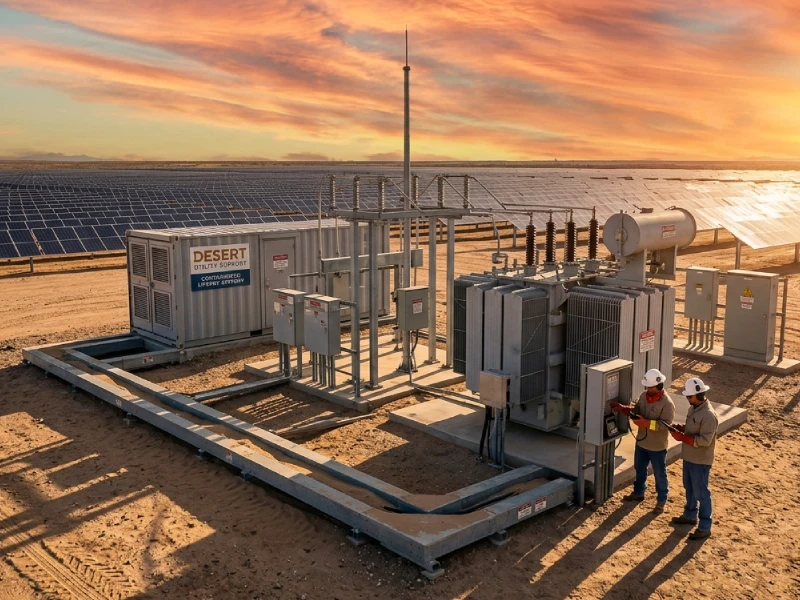
Expert Tip: How Experienced Procurement Teams Evaluate Solar Inverter Suppliers
Leading EPC contractors and procurement managers rarely select inverter suppliers based on price alone.
Instead, experienced buyers evaluate suppliers using a broader long-term risk assessment framework.
Key supplier evaluation criteria often include:
- Manufacturing scale and stability
- Engineering support capability
- Global project experience
- Firmware development resources
- Warranty response speed
- Supply chain consistency
- Technical training availability
Professional procurement teams also increasingly prioritize suppliers capable of providing:
- Customized system design assistance
- Project-specific engineering consultation
- Localized compliance support
- Long-term technical partnership
In the modern photovoltaic market, long-term operational reliability often matters far more than achieving the lowest possible initial hardware price.
Practical Solar Inverter Sizing Checklist for EPC Contractors and Procurement Managers
Before finalizing inverter procurement decisions, commercial buyers should conduct a comprehensive technical and operational evaluation.
Technical Evaluation Checklist
- Verify correct DC-to-AC sizing ratio
- Confirm MPPT voltage compatibility
- Evaluate current handling capability
- Analyze thermal management design
- Check battery compatibility
- Review communication protocols
- Validate environmental protection ratings
- Confirm grid compliance certifications
Supplier Evaluation Checklist
- Review manufacturing quality systems
- Verify certification authenticity
- Evaluate project reference cases
- Assess warranty support structure
- Analyze technical support responsiveness
- Review firmware upgrade capability
- Check long-term supply stability
Project Design Evaluation Checklist
- Analyze future ESS expansion plans
- Evaluate EV charging integration requirements
- Assess future load growth expectations
- Consider utility policy changes
- Review environmental operating risks
- Model long-term energy yield performance
Conclusion: Solar Inverter Sizing Is a Strategic Investment Decision
For modern EPC contractors, commercial solar installers, and energy distributors, understanding how to size a solar inverter correctly is no longer just an engineering exercise—it is a strategic investment decision that directly influences long-term project profitability, operational reliability, and future energy flexibility.
As photovoltaic systems continue evolving toward integrated smart energy ecosystems, inverter platforms must support far more than simple power conversion.
Today’s commercial solar projects increasingly require:
- Advanced ESS integration
- Intelligent EMS communication
- High thermal reliability
- Future scalability
- Smart monitoring functionality
- Grid-interactive capabilities
Procurement teams that prioritize long-term engineering value instead of short-term hardware pricing are far more likely to achieve:
- Higher energy yield performance
- Lower maintenance costs
- Improved system uptime
- Better customer satisfaction
- Stronger long-term ROI
As global demand for hybrid solar and battery storage systems continues growing, working with experienced inverter manufacturers that understand commercial-scale engineering requirements will become increasingly important for long-term business success.
Need Help Sizing the Right Solar Inverter for Your Commercial Project?
Choosing how to size a solar inverter correctly can directly impact energy yield, ESS compatibility, operational stability, and long-term project ROI. SolarDyna provides commercial and industrial inverter solutions engineered for EPC contractors, solar distributors, and large-scale energy developers.
✔ Hybrid inverter and LiFePO4 ESS integration solutions for commercial projects
✔ OEM/ODM manufacturing support for EPC contractors and energy distributors
✔ Advanced inverter platforms with smart EMS communication and grid compliance
✔ Reliable production capacity for utility-scale and industrial solar deployment
Talk with our engineering specialists for a custom commercial solar inverter solution tailored to your PV and ESS project requirements.
Frequently Asked Questions About Solar Inverter Sizing for Commercial and Industrial Projects
1. What is the ideal DC-to-AC ratio for commercial solar inverter sizing?
For most commercial and industrial photovoltaic systems, the recommended DC-to-AC ratio typically ranges between 1.1 and 1.3, depending on project conditions, irradiance levels, and grid export limitations. A properly optimized ratio helps improve inverter utilization, increase annual energy yield, and reduce overall system cost per watt.
However, the ideal ratio varies based on factors such as:
- Regional solar irradiance
- Ambient temperature
- Module degradation rates
- ESS integration requirements
- Utility interconnection policies
Professional EPC contractors usually perform energy production simulations before finalizing inverter sizing decisions for utility-scale or commercial rooftop projects.
2. How do I determine whether a string inverter or hybrid inverter is better for my project?
The decision depends on your project’s operational objectives and future scalability plans.
String inverters are typically better suited for:
- Commercial rooftop systems
- Distributed PV installations
- Projects prioritizing installation flexibility
- Sites with multiple roof orientations
Hybrid inverters are more suitable when the project requires:
- Battery energy storage integration
- Peak shaving functionality
- Backup power capability
- Smart EMS coordination
- Future ESS scalability
For many B2B buyers, selecting a hybrid-ready inverter platform can reduce future retrofit costs as energy storage adoption continues increasing globally.
3. Why is inverter thermal management important in industrial solar projects?
Thermal management directly affects inverter efficiency, operational stability, and long-term lifespan.
Industrial rooftop environments often expose inverter systems to:
- Extreme heat
- Dust accumulation
- High humidity
- Poor ventilation conditions
Without effective cooling architecture, inverters may experience:
- Thermal derating
- Reduced conversion efficiency
- Component degradation
- Unexpected shutdowns
Commercial EPC contractors therefore prioritize inverter systems with intelligent cooling technology, industrial-grade heat dissipation design, and high environmental protection ratings.
4. What certifications should commercial solar inverters have for international projects?
Commercial solar inverters should comply with internationally recognized safety and grid standards to ensure project approval and operational reliability.
Common certifications include:
- IEC 62109 safety certification
- IEC 61727 grid connection compliance
- UL 1741 certification for North America
- CE certification for European markets
- IEEE 1547 grid compliance standards
For utility-scale or government-backed projects, procurement teams should also verify country-specific grid code compliance and anti-islanding protection requirements.
5. How does battery compatibility affect solar inverter selection?
Battery compatibility is now one of the most important considerations in modern inverter procurement, especially for projects planning future energy storage expansion.
Commercial buyers should confirm whether the inverter supports:
- LiFePO4 battery integration
- CAN Bus communication
- RS485 and Modbus protocols
- Third-party BMS interoperability
- Dynamic charging management
Poor compatibility between the inverter and battery management system (BMS) can lead to:
- Charging instability
- Communication errors
- Reduced battery lifespan
- System shutdowns
Future-ready inverter platforms with open communication architecture are increasingly preferred by EPC contractors and energy integrators.
6. What are the most common mistakes EPC contractors make when sizing solar inverters?
Some of the most common inverter sizing mistakes include:
- Ignoring real operating temperatures
- Oversizing without ROI analysis
- Undersizing and causing clipping losses
- Neglecting future ESS integration
- Using incompatible communication protocols
- Failing to evaluate environmental conditions
Professional engineering teams usually perform detailed load analysis, irradiation modeling, and lifecycle cost evaluation before selecting inverter capacity for commercial projects.
7. How can procurement managers evaluate the reliability of a solar inverter supplier?
Reliable inverter suppliers are typically evaluated based on long-term engineering capability rather than pricing alone.
Key evaluation criteria include:
- Manufacturing quality systems
- Certification authenticity
- Project reference experience
- Technical support responsiveness
- Firmware update capability
- Warranty service structure
- Supply chain stability
Procurement managers should also verify whether the supplier provides:
- Pre-sales engineering support
- System design consultation
- Localized technical documentation
- Remote troubleshooting assistance
Long-term supplier stability is especially important for large-scale photovoltaic and hybrid ESS deployments.
8. Why are smart monitoring and EMS integration becoming essential for commercial solar systems?
Modern commercial energy systems increasingly require intelligent operational control to optimize electricity costs and improve energy efficiency.
Advanced inverter monitoring and EMS integration enable:
- Real-time energy analytics
- Peak shaving optimization
- Battery dispatch coordination
- Remote diagnostics
- Predictive maintenance
- Grid interaction management
As industrial electricity pricing structures become more dynamic, smart inverter systems help facility operators reduce operational expenses while improving system reliability and long-term ROI.