As global telecom infrastructure continues expanding into remote, weak-grid, and off-grid regions, the demand for reliable energy storage telecom tower solutions has increased significantly. Telecom operators, EPC contractors, and infrastructure integrators are under growing pressure to maintain uninterrupted network uptime while reducing diesel consumption, lowering operational expenditure, and improving long-term energy reliability.
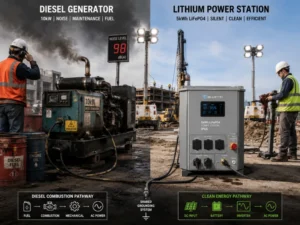
Traditional telecom tower power architectures that rely heavily on diesel generators and lead-acid batteries are increasingly unable to meet the operational requirements of modern 4G and 5G deployments. Rising fuel costs, unstable grid availability, high maintenance requirements, and frequent battery replacements have created major operational challenges for telecom infrastructure providers worldwide.
Today, advanced BESS (Battery Energy Storage System) technologies based on LiFePO4 lithium batteries are becoming a preferred solution for telecom energy infrastructure. Compared with conventional backup systems, modern telecom tower ESS solutions offer longer lifecycle performance, higher thermal stability, intelligent remote monitoring capability, and significantly lower total cost of ownership.
For EPC companies and telecom network developers, selecting the right telecom tower energy storage system is no longer simply about battery capacity. It requires a comprehensive understanding of system integration, environmental adaptation, autonomy design, thermal management, communication protocols, and long-term operational reliability.
This guide explores how modern battery energy storage systems are transforming telecom tower infrastructure, how to properly design telecom ESS projects, and what EPC buyers should evaluate when selecting an engineering-grade ESS manufacturing partner.
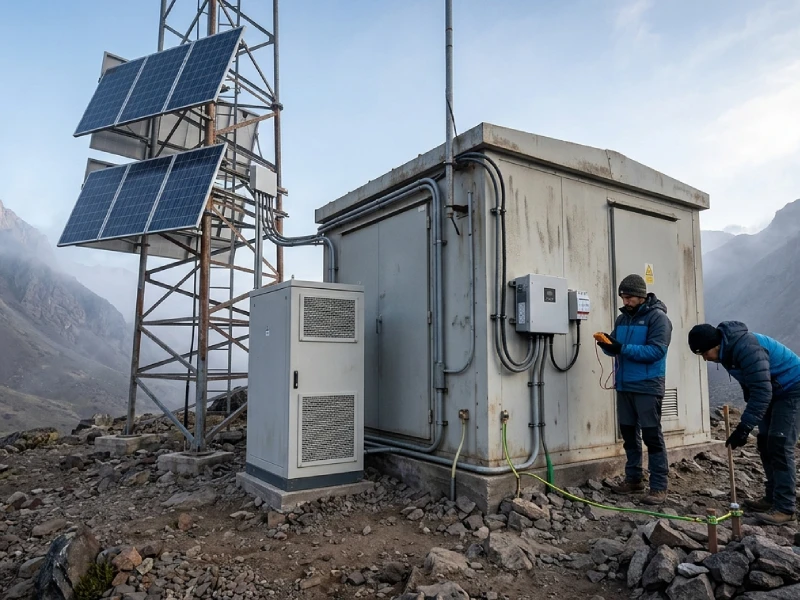
Why Energy Storage Is Becoming Critical for Modern Telecom Towers
Telecom infrastructure has evolved rapidly over the past decade. Modern communication networks now require higher energy reliability, longer operational uptime, and increased deployment flexibility. As telecom operators continue expanding 4G and 5G coverage into rural and remote regions, traditional backup power architectures are struggling to support the increasing operational demands.
In many developing regions, telecom towers operate under weak-grid or completely off-grid conditions. Grid outages may last several hours per day, while diesel fuel logistics can become expensive and operationally unstable. These challenges directly affect telecom service continuity and network profitability.
At the same time, telecom operators are facing growing pressure to reduce carbon emissions and improve energy efficiency across their infrastructure portfolios. As a result, hybrid telecom power systems combining solar energy, lithium battery storage, and intelligent energy management are becoming mainstream deployment models.
Rising Power Reliability Challenges in Telecom Infrastructure
Telecom networks depend on continuous power availability. Even short interruptions can impact communication services, emergency response systems, financial transactions, and industrial connectivity.
In weak-grid regions, telecom towers often experience:
- Frequent voltage fluctuations
- Daily utility outages
- Unstable generator performance
- Long fuel replenishment cycles
- Remote maintenance challenges
For telecom operators managing hundreds or thousands of distributed sites, these power instability issues can significantly increase operational expenditure and maintenance complexity.
As network traffic continues growing due to 5G expansion, telecom base stations also require higher and more stable power input. Legacy power systems originally designed for lower telecom loads are becoming increasingly inefficient.
The Shift from Lead-Acid to Lithium Telecom Battery Systems
For many years, VRLA lead-acid batteries dominated telecom backup power applications due to their low initial purchase cost. However, modern telecom deployments are exposing the operational limitations of lead-acid systems.
Lead-acid batteries typically suffer from:
- Short lifecycle performance
- Poor deep-cycle capability
- High maintenance requirements
- Significant capacity degradation in high temperatures
- Large installation footprint
- Frequent replacement intervals
In high-temperature telecom environments, lead-acid battery degradation can accelerate dramatically, resulting in reduced backup time and increased site failure risks.
LiFePO4 lithium battery technology addresses many of these operational limitations. Modern lithium telecom battery systems provide:
- 4000–6000+ cycle life
- Higher usable depth of discharge
- Improved thermal stability
- Reduced maintenance requirements
- Compact energy density
- Intelligent BMS integration
Although lithium battery systems may involve higher initial investment, their long-term operational economics are often significantly better for telecom infrastructure projects.
Expert Tip
Many telecom operators initially evaluate battery systems primarily based on upfront procurement cost. However, experienced EPC contractors typically prioritize lifecycle operating cost, thermal reliability, and maintenance accessibility instead of initial battery pricing alone.
In remote telecom sites, reducing truck rolls and generator maintenance visits often delivers larger long-term savings than minimizing initial battery procurement costs.
Global Expansion of Off-Grid and Hybrid Telecom Networks
The global telecom industry is rapidly expanding network infrastructure into geographically challenging regions, including:
- Rural Africa
- Southeast Asia
- Latin America
- Middle Eastern desert environments
- Island and coastal regions
- Mountain telecom installations
Many of these locations lack stable utility infrastructure, making hybrid energy systems essential for telecom operations.
As a result, telecom operators are increasingly deploying:
- Solar + battery telecom systems
- Diesel hybrid telecom ESS solutions
- Fully off-grid telecom energy storage systems
- Smart EMS-controlled telecom microgrids
This transition is not only driven by sustainability objectives but also by operational economics. In many regions, diesel fuel transportation costs can exceed the long-term investment required for deploying telecom lithium battery systems integrated with solar PV.
For telecom EPC contractors, the ability to design scalable and reliable hybrid energy architectures is becoming a critical competitive advantage.
Why Traditional Telecom Power Architectures Are Failing in Remote Deployments
Many telecom power systems currently operating worldwide were originally designed around diesel generators and lead-acid battery backup architectures. While these systems were sufficient for earlier telecom generations, they are increasingly unable to meet the operational requirements of modern telecom infrastructure.
As network uptime expectations continue increasing, the operational weaknesses of traditional telecom power designs are becoming more visible, particularly in remote and environmentally demanding deployment scenarios.
Rising Diesel Costs and Fuel Logistics Complexity
Diesel generators remain widely used in telecom infrastructure because of their operational flexibility. However, long-term diesel dependency introduces substantial financial and logistical challenges.
Fuel transportation to remote telecom towers often requires:
- Long-distance trucking
- Difficult terrain access
- Security protection
- Manual refueling operations
In some developing regions, fuel theft and unauthorized diesel usage have also become major operational concerns for telecom operators.
Furthermore, diesel generators require ongoing preventive maintenance, including:
- Oil replacement
- Filter servicing
- Mechanical inspections
- Periodic overhauls
As fuel prices fluctuate globally, telecom operators are increasingly seeking ways to reduce generator runtime and improve energy efficiency through hybrid ESS integration.
Lead-Acid Battery Failure in High-Temperature Environments
Temperature is one of the most critical factors affecting telecom battery lifespan.
In outdoor telecom shelters exposed to high ambient temperatures, traditional lead-acid batteries often experience:
- Accelerated electrolyte evaporation
- Rapid capacity loss
- Shortened cycle life
- Increased internal resistance
- Higher maintenance frequency
In regions where ambient temperatures exceed 35°C for extended periods, lead-acid battery lifespan may decrease dramatically compared with manufacturer-rated laboratory conditions.
This creates significant replacement and maintenance costs across large telecom site portfolios.
By comparison, LiFePO4 battery systems offer substantially better thermal tolerance and more stable performance under harsh operating environments, making them increasingly suitable for telecom infrastructure applications.
Grid Instability and Increasing Network Downtime
Grid instability remains one of the largest operational risks for telecom infrastructure in many parts of the world.
Weak-grid environments often experience:
- Brownouts
- Voltage spikes
- Unpredictable outages
- Low-frequency instability
- Daily load shedding events
Without properly designed battery energy storage systems, telecom sites may experience service interruptions that directly affect network reliability and customer satisfaction.
Modern telecom tower ESS architectures help stabilize power delivery by:
- Providing uninterrupted backup power
- Reducing generator start frequency
- Managing load fluctuations
- Supporting intelligent energy dispatching
- Improving renewable energy utilization
For telecom operators managing mission-critical communication infrastructure, reliable energy storage has evolved from a backup component into a strategic operational asset.
What Is a Telecom Tower Energy Storage System?
A telecom tower energy storage system is an integrated power infrastructure solution designed to ensure continuous electricity supply for telecom base stations, radio access networks, transmission equipment, and supporting auxiliary systems. In modern telecom deployments, energy storage systems are no longer used solely as emergency backup power. They have evolved into intelligent energy management platforms capable of optimizing generator runtime, integrating renewable energy, stabilizing weak-grid input, and improving long-term operational efficiency.
Today’s telecom ESS architecture typically combines lithium battery storage, solar photovoltaic generation, diesel generators, rectifiers, intelligent energy management systems (EMS), and remote monitoring platforms into a unified power ecosystem.
For EPC contractors and telecom infrastructure developers, understanding how these systems operate together is essential for designing reliable telecom energy infrastructure capable of supporting long-term network expansion.
Core Components of a Telecom Tower BESS
A modern telecom battery energy storage system consists of several integrated subsystems that work together to maintain stable telecom power delivery under varying operational conditions.
LiFePO4 Battery Packs
LiFePO4 battery modules serve as the primary energy storage component within the telecom ESS architecture. Compared with traditional lead-acid batteries, lithium iron phosphate chemistry offers:
- Longer cycle lifespan
- Higher usable energy capacity
- Improved thermal stability
- Reduced maintenance requirements
- Better partial state-of-charge performance
Most telecom deployments prioritize LiFePO4 chemistry because telecom sites frequently operate under partial cycling and irregular charging conditions.
Battery Management System (BMS)
The Battery Management System is responsible for monitoring and protecting battery operation.
A telecom-grade BMS typically manages:
- Cell voltage balancing
- Overcharge protection
- Over-discharge protection
- Temperature monitoring
- Short-circuit protection
- Communication with EMS platforms
For large-scale telecom deployments, reliable BMS communication compatibility is essential. Modern telecom operators often require support for:
- CAN communication
- RS485
- Modbus
- SNMP protocols
Communication incompatibility remains one of the most overlooked issues in telecom ESS integration projects.
Energy Management System (EMS)
The EMS acts as the operational intelligence layer of the telecom energy storage system.
Its primary functions include:
- Battery charging optimization
- Generator dispatch management
- Solar energy prioritization
- Load balancing
- Remote monitoring
- Fault diagnostics
For telecom operators managing distributed infrastructure networks, EMS platforms significantly reduce maintenance complexity by enabling centralized remote management across hundreds or thousands of telecom sites.
Power Conversion and Rectifier Systems
Telecom equipment commonly operates on DC power architecture. Rectifier systems convert incoming AC power from utility grids or diesel generators into stable DC power suitable for telecom loads and battery charging.
In hybrid solar telecom systems, power conversion systems also coordinate:
- PV charging input
- Battery charging profiles
- Load priority management
- Generator synchronization
Improper rectifier sizing can create system instability, particularly during high-load telecom traffic periods.
How Hybrid Telecom Power Systems Operate
Modern telecom infrastructure increasingly relies on hybrid power architectures rather than single-source energy systems.
A hybrid telecom energy system may combine:
- Utility grid power
- Solar photovoltaic generation
- LiFePO4 battery storage
- Diesel generators
The operational objective is to ensure continuous telecom uptime while minimizing diesel fuel consumption and operational costs.
Under normal daytime conditions, solar energy may power telecom loads directly while simultaneously charging battery storage systems. During periods of low solar generation or utility outages, the battery system supports telecom operation. Diesel generators activate only when battery reserves reach predefined thresholds.
This operating strategy significantly reduces generator runtime and fuel consumption while improving overall energy efficiency.
In many remote telecom deployments, intelligent EMS control can reduce diesel generator operation by 40–70%, depending on solar resource conditions, battery autonomy sizing, and telecom load characteristics.
Expert Tip
Many telecom operators focus heavily on battery capacity specifications while overlooking EMS optimization quality. In real-world deployments, intelligent generator scheduling and energy dispatch logic often have a larger impact on fuel savings than simply increasing battery size.
A properly integrated EMS platform can improve generator efficiency, reduce unnecessary cycling, and extend both battery and generator service life.
How to Size a Telecom Tower Energy Storage System Correctly
Proper telecom ESS sizing is one of the most critical engineering tasks in telecom infrastructure deployment. Undersized battery systems may result in excessive cycling, unstable backup performance, and premature battery degradation. Oversized systems can unnecessarily increase capital expenditure and reduce project ROI.
For EPC contractors, battery sizing requires balancing:
- Telecom load demand
- Backup autonomy requirements
- Solar generation availability
- Generator operating strategy
- Environmental conditions
- Future network expansion
Engineering-grade telecom energy storage design should always prioritize long-term operational reliability rather than simply minimizing initial system cost.
Calculating Telecom Load Demand
The first step in telecom ESS sizing is understanding the actual site energy consumption profile.
Typical telecom tower loads include:
- BTS (Base Transceiver Station) equipment
- 5G radio systems
- Transmission devices
- Cooling and ventilation systems
- Security systems
- Remote monitoring devices
- Auxiliary DC loads
Load analysis should account for:
- Average daily consumption
- Peak traffic periods
- Seasonal temperature variations
- Future telecom equipment upgrades
5G deployments in particular can significantly increase telecom power demand compared with earlier network generations.
Failure to anticipate future load growth often results in premature ESS replacement or expensive retrofit projects.
Determining Battery Backup Autonomy
Backup autonomy refers to how long the battery system can support telecom operation without external power input.
Typical telecom backup scenarios include:
- 2-hour urban backup systems
- 4-hour weak-grid support systems
- 8–24 hour off-grid hybrid telecom systems
Autonomy design depends on:
- Grid reliability
- Generator availability
- Solar charging capability
- Site accessibility
- Operational criticality
For remote telecom towers where fuel delivery may be delayed by weather or logistics constraints, larger battery autonomy margins are often necessary to maintain operational continuity.
Many telecom operators now prioritize longer battery backup windows to reduce generator dependency and improve renewable energy utilization.
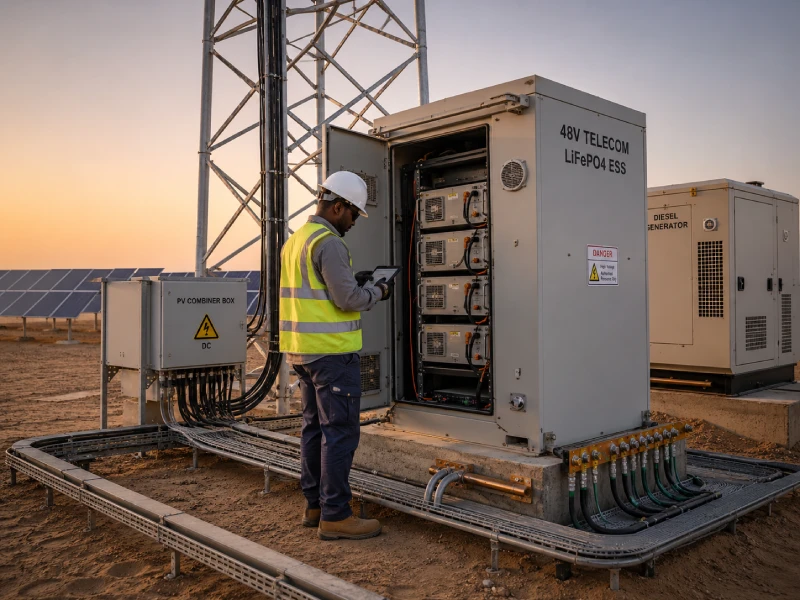
Solar Generation and Charging Window Analysis
For hybrid telecom sites integrating solar energy, PV generation analysis is essential for optimizing ESS sizing.
Engineering analysis should evaluate:
- Daily solar irradiation patterns
- Seasonal sunlight variation
- Cloud coverage impact
- Panel orientation
- Charging efficiency losses
In many regions, telecom operators intentionally oversize solar generation capacity slightly to compensate for seasonal weather variability and long-term PV degradation.
Accurate charging window analysis helps prevent battery undercharging, which can negatively affect long-term battery health and telecom reliability.
Battery Degradation Margin and Lifecycle Planning
All battery systems gradually lose usable capacity over time.
Professional telecom ESS engineering should always incorporate degradation margins when calculating battery sizing.
Key lifecycle considerations include:
- Expected cycle frequency
- Ambient operating temperature
- Depth of discharge profile
- Future capacity reserve requirements
- Projected telecom load growth
In harsh outdoor telecom environments, battery systems may experience more aggressive aging compared with controlled indoor laboratory conditions.
For this reason, engineering-grade telecom ESS design typically includes additional reserve capacity to maintain required autonomy throughout the battery lifecycle.
LiFePO4 vs Lead-Acid Batteries for Telecom Towers
The transition from lead-acid batteries to lithium-based telecom energy storage systems represents one of the most significant infrastructure upgrades in modern telecom power engineering.
While lead-acid batteries continue to exist in legacy telecom deployments, LiFePO4 battery systems are increasingly preferred for new telecom infrastructure projects due to their operational efficiency, lifecycle economics, and environmental adaptability.
For EPC contractors and telecom procurement teams, understanding the total cost implications of both technologies is essential for long-term infrastructure planning.
| Comparison Factor | Lead-Acid Battery | LiFePO4 Battery |
|---|---|---|
| Typical Cycle Life | 500–1200 cycles | 4000–6000+ cycles |
| Depth of Discharge | Limited | High usable capacity |
| Maintenance Requirement | Higher | Lower |
| Thermal Stability | Moderate | Excellent |
| Weight and Footprint | Large and heavy | Compact design |
| Generator Runtime Reduction | Limited optimization | Significant reduction potential |
| Long-Term Operating Cost | Higher | Lower |
Although LiFePO4 systems generally involve higher upfront investment, their longer operational lifespan and lower maintenance burden often produce lower total ownership cost over multi-year telecom deployments.
For telecom operators managing hundreds of distributed sites, reducing maintenance visits and battery replacement frequency can generate substantial operational savings over time.
Expert Tip
When evaluating telecom battery systems, procurement teams should avoid comparing technologies based solely on initial battery pricing. A more accurate assessment should include:
- Expected replacement frequency
- Fuel savings potential
- Maintenance labor cost
- Generator runtime reduction
- Downtime risk reduction
- Lifecycle operating efficiency
For many telecom operators, the operational cost difference between lead-acid and LiFePO4 systems becomes substantial over a 5–10 year infrastructure lifecycle.
Engineering Design Considerations for Telecom Tower BESS Projects
Designing a reliable telecom tower energy storage system requires far more than selecting battery capacity. In real-world telecom deployments, long-term performance depends heavily on engineering integration quality, environmental adaptation, thermal management strategy, communication compatibility, and maintainability.
Many telecom ESS failures are not caused by battery cell defects themselves, but by poor system-level engineering decisions made during project design and deployment stages.
For EPC contractors and telecom infrastructure developers, understanding these engineering considerations is essential for minimizing operational risk and ensuring long-term infrastructure stability.
Environmental Protection and Outdoor Deployment Requirements
Telecom infrastructure is frequently deployed in harsh outdoor environments where battery systems may be exposed to:
- High ambient temperatures
- Heavy rainfall
- Dust contamination
- Coastal salt corrosion
- High humidity
- Sandstorms
- Snow and ice conditions
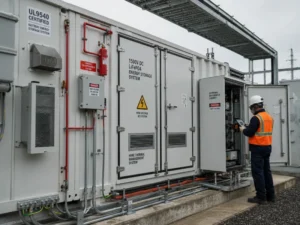
Outdoor telecom battery cabinets must therefore provide reliable environmental protection throughout long-term operation.
Critical enclosure engineering considerations include:
- IP-rated cabinet protection
- Anti-corrosion coating systems
- Thermal ventilation design
- Cable sealing integrity
- Condensation management
- Structural weather resistance
In coastal deployments, corrosion resistance becomes particularly important because salt-laden humidity can accelerate cabinet deterioration and electrical connector failure.
In desert environments, thermal management and dust protection often become the primary reliability concerns.
Thermal Management and Battery Reliability
Temperature control is one of the most important factors affecting telecom ESS lifespan and operational reliability.
Poor thermal management can lead to:
- Accelerated battery degradation
- Reduced usable capacity
- Frequent BMS protection events
- Cell imbalance
- Unexpected system shutdowns
For telecom towers operating in high-temperature regions, improper ventilation or insufficient airflow design may dramatically reduce battery lifecycle performance.
Professional telecom ESS thermal design typically considers:
- Ambient temperature range
- Internal heat generation
- Ventilation airflow paths
- Cooling redundancy
- Solar heat exposure
- Cabinet placement orientation
In some high-load telecom deployments, active cooling systems may be necessary to maintain stable battery operating conditions.
However, cooling systems themselves also consume power and require maintenance, meaning thermal engineering must balance energy efficiency with reliability.
Expert Tip
One of the most common telecom ESS engineering mistakes is focusing heavily on battery specifications while underestimating enclosure thermal behavior.
Even high-quality lithium battery cells can experience rapid degradation if cabinet airflow, ventilation spacing, or heat dissipation design are poorly engineered.
For high-temperature telecom regions, cabinet-level thermal simulation and real environmental testing are often more valuable than laboratory battery specifications alone.
Communication Protocol Compatibility
Modern telecom infrastructure increasingly depends on centralized monitoring and remote diagnostics platforms.
As a result, communication compatibility between the telecom ESS and operator monitoring systems is becoming a critical engineering requirement.
Common communication protocols used in telecom energy systems include:
- CAN Bus
- RS485
- Modbus RTU
- Modbus TCP/IP
- SNMP
Communication integration affects:
- Remote alarm monitoring
- Battery performance analytics
- Fault detection
- Generator coordination
- Preventive maintenance scheduling
Incompatible communication architecture can create major operational limitations after deployment, particularly for telecom operators managing large distributed site portfolios.
EPC contractors should therefore evaluate not only battery hardware capability but also long-term software and communication integration flexibility.
Scalability for Future Network Expansion
Telecom networks continuously evolve as traffic demand increases and new communication technologies are deployed.
Battery energy storage systems designed only for current telecom loads may quickly become insufficient when operators upgrade:
- 4G to 5G infrastructure
- Additional radio units
- Edge computing equipment
- Expanded cooling systems
- Higher bandwidth transmission hardware
Engineering-grade telecom ESS projects should therefore incorporate scalability planning from the beginning.
Modular battery architecture allows operators to:
- Add future battery capacity
- Expand backup autonomy
- Increase renewable energy integration
- Reduce future retrofit costs
Scalable infrastructure planning significantly improves long-term telecom investment efficiency.
Common Failure Risks in Telecom Tower ESS Projects
As telecom operators accelerate lithium battery deployment across global infrastructure networks, many projects continue encountering operational failures caused by poor engineering implementation rather than battery chemistry itself.
Understanding these common deployment risks helps EPC contractors improve project reliability while reducing long-term operational problems.
Undersized Battery Capacity
One of the most common telecom ESS deployment mistakes is selecting insufficient battery capacity in order to minimize initial project cost.
Undersized systems often experience:
- Frequent deep discharge cycles
- Excessive generator start frequency
- Reduced battery lifespan
- Insufficient backup autonomy
- Unexpected telecom outages
In weak-grid telecom regions, aggressive battery cycling may accelerate degradation far beyond original lifecycle assumptions.
Professional telecom ESS design should always include:
- Capacity reserve margin
- Future load expansion allowance
- Battery degradation planning
- Seasonal operating variability
Poor Thermal Management Design
High operating temperatures remain one of the leading causes of telecom battery system failure worldwide.
Improper thermal engineering may result in:
- Accelerated capacity fade
- Inconsistent cell balancing
- Frequent over-temperature alarms
- Reduced backup performance
- Premature ESS replacement
In many telecom deployments, insufficient ventilation design becomes apparent only after extended field operation under peak summer temperatures.
For outdoor telecom cabinets, real-world environmental testing is often essential before large-scale deployment.
Low-Quality Outdoor Cabinet Protection
Outdoor cabinet engineering quality has a direct impact on telecom ESS reliability.
Poor enclosure design may allow:
- Water ingress
- Dust accumulation
- Internal condensation
- Corrosion development
- Cable seal deterioration
Over time, these environmental failures can damage electrical systems and increase telecom downtime risk.
Telecom operators deploying infrastructure in coastal or tropical regions should prioritize:
- Anti-corrosion materials
- Marine-grade fasteners
- Proper ventilation filtration
- UV-resistant coatings
- Long-term enclosure durability
Incompatible Monitoring and Communication Systems
Many telecom ESS integration issues originate from communication incompatibility between:
- BMS systems
- Rectifiers
- EMS platforms
- Telecom network monitoring infrastructure
Without reliable communication integration, operators may lose visibility into:
- Battery health
- Temperature status
- Alarm events
- Generator coordination
- Remote troubleshooting
This can significantly increase field maintenance costs and reduce operational efficiency across distributed telecom networks.
Expert Tip
Many telecom ESS projects fail because procurement decisions focus heavily on battery pricing rather than system-level engineering capability.
Reliable telecom energy storage infrastructure requires careful evaluation of:
- Thermal engineering
- Communication integration
- Outdoor enclosure reliability
- Remote maintenance capability
- Lifecycle service support
For EPC contractors, selecting a supplier with strong system integration expertise often reduces long-term operational risk more effectively than choosing the lowest-cost battery supplier.
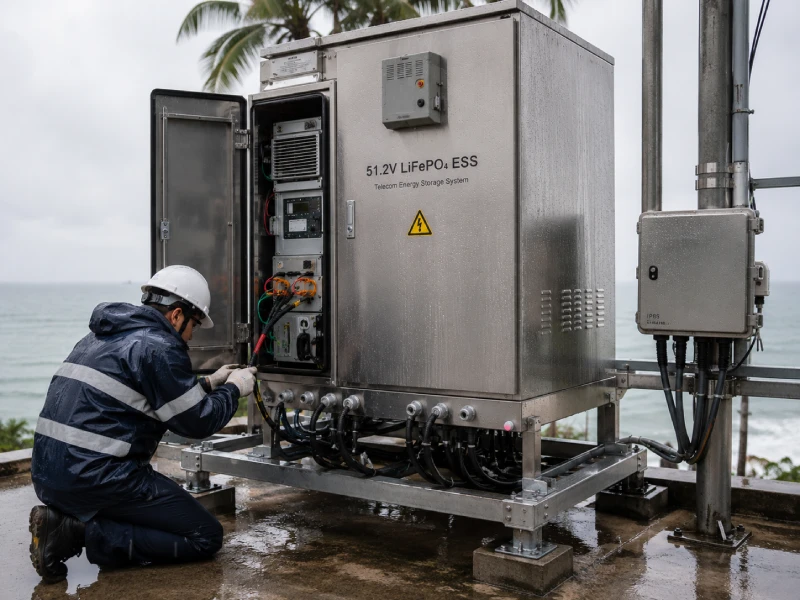
Regional Challenges in Telecom Tower Energy Storage Deployment
Telecom infrastructure conditions vary significantly across different regions of the world. Environmental conditions, utility reliability, climate patterns, and maintenance accessibility all influence telecom ESS engineering requirements.
Understanding regional deployment challenges helps telecom EPC contractors select more reliable energy storage architectures for specific operational environments.
High-Temperature Telecom Sites in Africa and the Middle East
Many telecom deployments across Africa and the Middle East operate under extreme ambient temperatures exceeding 40°C.
These conditions create major engineering challenges for:
- Battery lifespan stability
- Cabinet thermal management
- Generator cooling efficiency
- Ventilation airflow performance
In these regions, telecom ESS systems often prioritize:
- High-temperature lithium chemistry
- Enhanced airflow design
- Reflective cabinet coatings
- Dust-resistant ventilation systems
Humidity and Corrosion Risks in Southeast Asia
Tropical telecom deployments frequently encounter:
- High humidity exposure
- Heavy rainfall
- Salt-laden coastal air
- Condensation formation
Corrosion-resistant engineering becomes especially important for:
- Outdoor battery cabinets
- Electrical connectors
- Fastening hardware
- Cable entry systems
Long-term enclosure durability is often a critical factor affecting telecom ESS lifecycle reliability in these environments.
Weak-Grid Telecom Infrastructure in Latin America
Many telecom operators in Latin America face unstable utility conditions with frequent outages and voltage fluctuation.
Telecom ESS systems deployed in weak-grid environments must support:
- Frequent battery cycling
- Rapid charging capability
- Generator synchronization
- Load fluctuation management
Battery systems with poor cycle durability may experience rapid degradation under these operational conditions.
Cold-Climate Telecom Deployments
Telecom infrastructure in northern regions may experience low-temperature operating conditions that affect battery charging performance and available capacity.
Cold-climate telecom ESS engineering may require:
- Battery heating systems
- Thermal insulation
- Low-temperature charging protection
- Climate-controlled enclosure design
Failure to account for low-temperature charging limitations can negatively affect long-term lithium battery reliability.
How EPC Contractors Should Evaluate Telecom ESS Suppliers
Selecting the right telecom ESS manufacturing partner is one of the most important decisions affecting long-term telecom infrastructure reliability.
For EPC contractors, supplier evaluation should extend far beyond battery pricing or datasheet specifications.
A qualified telecom ESS supplier should demonstrate strong capability in:
- System integration engineering
- Telecom communication compatibility
- Environmental adaptation design
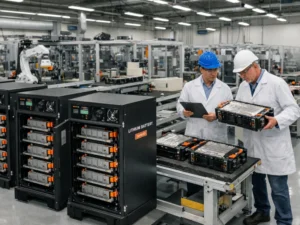
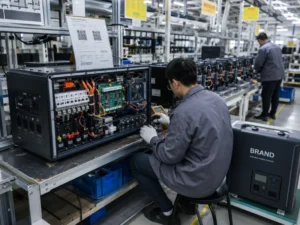
- Manufacturing consistency
- Long-term technical support
- Global logistics capability
Manufacturing Consistency and Supply Stability
Large-scale telecom deployments often require consistent battery quality across hundreds or thousands of distributed sites.
Reliable ESS manufacturing capability includes:
- Stable production processes
- Consistent cell sourcing
- Quality traceability systems
- Scalable production capacity
- Long-term supply continuity
Supply inconsistency can create major operational challenges during multi-phase telecom deployment projects.
System-Level Engineering Capability
Telecom ESS projects require more than battery assembly capability.
Strong suppliers should demonstrate expertise in:
- Thermal engineering
- BMS integration
- EMS development
- Outdoor enclosure engineering
- Hybrid system integration
- Remote monitoring compatibility
Engineering support during system design stages often reduces deployment risk significantly.
After-Sales Support and Lifecycle Service
Telecom energy infrastructure is typically expected to operate continuously for many years.
Long-term support capability should therefore include:
- Remote diagnostics support
- Firmware upgrade capability
- Technical troubleshooting
- Replacement part availability
- Lifecycle maintenance support
For global telecom deployments, supplier responsiveness can directly affect network uptime and operational continuity.
Why Solardyna Supports Engineering-Grade Telecom Energy Storage Projects
As telecom infrastructure continues evolving toward hybrid and renewable-powered architectures, EPC contractors increasingly require energy storage partners capable of supporting complex real-world deployment environments.
Solardyna focuses on providing telecom-oriented lithium battery energy storage solutions designed for:
- Hybrid telecom power systems
- Off-grid telecom infrastructure
- Weak-grid telecom deployments
- Remote communication sites
- Outdoor telecom ESS applications
By prioritizing system-level engineering, long-term reliability, and telecom integration compatibility, Solardyna supports telecom EPC projects requiring stable and scalable energy storage infrastructure.
Engineering-focused telecom ESS solutions may help operators:
- Reduce diesel dependency
- Improve network uptime
- Lower maintenance frequency
- Increase renewable energy utilization
- Improve long-term operational efficiency
Final Expert Insight
The future of telecom infrastructure increasingly depends on intelligent energy systems capable of supporting distributed, high-availability communication networks under challenging operating conditions.
Successful telecom ESS deployment is not simply about installing lithium batteries. It requires:
- Reliable engineering integration
- Accurate system sizing
- Environmental adaptation capability
- Communication interoperability
- Long-term operational planning
For EPC contractors and telecom operators, selecting the right engineering partner can significantly improve infrastructure reliability while reducing long-term lifecycle risk.
FAQ: Telecom Tower Energy Storage System (BESS)
Q1: What is a telecom tower energy storage system used for?
A telecom tower energy storage system is used to ensure continuous power supply for telecom base stations during grid outages, weak-grid conditions, or peak load periods. It integrates LiFePO4 batteries, EMS, and hybrid power sources (solar + diesel + grid) to maintain uninterrupted network operation. For EPC contractors, it is a critical infrastructure component to guarantee network uptime and reduce diesel dependency.
Q2: Why is LiFePO4 preferred for telecom tower ESS?
LiFePO4 batteries are preferred because they offer long cycle life (4000–6000+ cycles), high thermal stability, and low maintenance requirements. Unlike lead-acid batteries, they support deep discharge and frequent cycling, which is common in telecom applications. This makes them more cost-effective over a 5–10 year telecom infrastructure lifecycle.
Q3: How does telecom ESS reduce diesel generator usage?
Telecom ESS reduces diesel usage by prioritizing battery and solar power before activating generators. The EMS system intelligently manages load distribution and generator start/stop cycles. In hybrid telecom systems, diesel runtime can be reduced by 40–70%, significantly lowering fuel and maintenance costs for telecom operators.
Q4: How many backup hours does a telecom tower battery need?
Backup requirements depend on site conditions. Urban telecom sites typically require 2–4 hours, weak-grid sites need 4–8 hours, while off-grid telecom towers may require 8–24+ hours. EPC engineers must also consider battery degradation, peak load periods, and seasonal variations when sizing the system.
Q5: What IP rating is required for outdoor telecom battery cabinets?
Outdoor telecom ESS cabinets usually require IP55 or IP65 protection depending on environmental severity. Coastal, desert, and tropical regions require higher protection against dust, humidity, and salt corrosion. Proper enclosure design also includes thermal ventilation, condensation control, and anti-corrosion treatment.
Q6: What communication protocols are used in telecom ESS systems?
Common protocols include CAN, RS485, Modbus RTU, Modbus TCP/IP, and SNMP. These enable integration between BMS, EMS, rectifiers, and telecom monitoring systems. Proper communication compatibility is essential for remote monitoring, predictive maintenance, and centralized telecom network management.
Q7: What should EPC contractors consider when choosing a telecom ESS supplier?
EPC contractors should evaluate system integration capability, thermal design expertise, communication compatibility, manufacturing consistency, and after-sales support. A qualified supplier reduces project risks, improves system reliability, and ensures long-term operational stability of telecom infrastructure.
Q8: What certifications are required for telecom energy storage systems?
Key certifications include IEC standards, UN38.3, CE, UL (for some markets), and IP protection ratings. These ensure battery safety, transportation compliance, environmental reliability, and international deployment readiness for telecom infrastructure projects.
Need a Reliable Telecom Tower Energy Storage Solution?
Modern telecom infrastructure requires stable and intelligent telecom tower energy storage systems capable of supporting hybrid, weak-grid, and off-grid deployments. We provide LiFePO4 telecom ESS solutions engineered for EPC contractors, telecom operators, system integrators, and infrastructure developers.
✔ IP55/IP65 outdoor LiFePO4 battery cabinet solutions
✔ Engineering support for telecom ESS sizing and integration
✔ OEM/ODM telecom battery systems for large-scale deployments
✔ Remote EMS monitoring and telecom communication compatibility
Speak with our engineering team for a custom telecom energy storage solution tailored to your deployment environment, backup autonomy, and telecom infrastructure requirements.