The global demand for portable energy storage systems is growing rapidly, creating new opportunities for distributors, EPC contractors, renewable energy integrators, and equipment rental companies. As more businesses seek reliable backup power, mobile energy solutions, and off-grid electricity systems, portable power station wholesale procurement has become an increasingly important business strategy.
However, selecting the right wholesale supplier involves much more than comparing product prices. Battery technology, manufacturing capabilities, certifications, supply chain stability, and long-term technical support all directly influence project profitability and customer satisfaction.
For B2B buyers, choosing a reliable portable power station wholesale partner can determine whether a project achieves long-term success or faces costly warranty claims, delivery delays, and operational challenges.
This comprehensive guide explains how distributors, EPC companies, and energy solution providers can evaluate suppliers, reduce procurement risks, and identify commercial-grade portable power stations that deliver sustainable value.
Why Portable Power Station Demand Is Expanding Beyond Consumer Markets
Many buyers still associate portable power stations with camping and recreational activities. While outdoor applications remain important, today’s market is increasingly driven by commercial, industrial, and infrastructure-related use cases.
Modern portable energy storage systems combine lithium battery technology, intelligent battery management systems, inverter technology, and solar charging capability into a compact solution that can support a wide range of professional applications.
Emergency Backup Power Applications
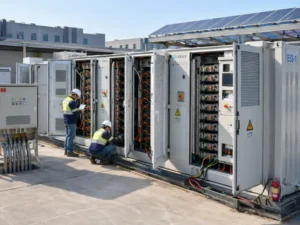
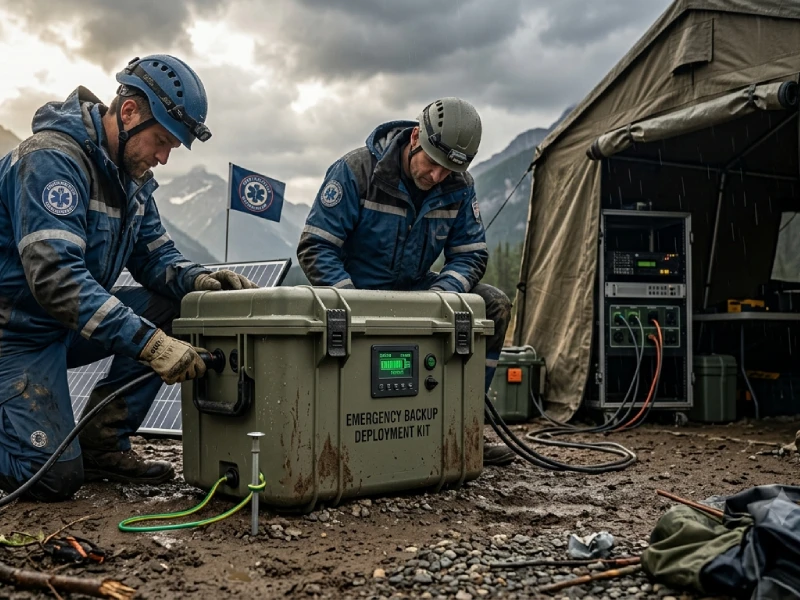
Power outages continue to affect businesses worldwide due to extreme weather events, aging grid infrastructure, and increasing electricity demand. For small businesses, retail stores, healthcare facilities, security systems, and remote offices, even a short interruption can result in operational losses.
Portable power stations provide a flexible backup solution without the maintenance requirements, fuel dependency, noise, and emissions associated with traditional generators.
Compared with diesel generators, modern LiFePO4 portable power stations offer:
- Instant power availability
- Zero fuel consumption
- Low maintenance requirements
- Silent operation
- Indoor deployment capability
- Solar charging compatibility
These advantages make them particularly attractive for organizations seeking cleaner and more reliable backup energy solutions.
Construction and Temporary Power Sites
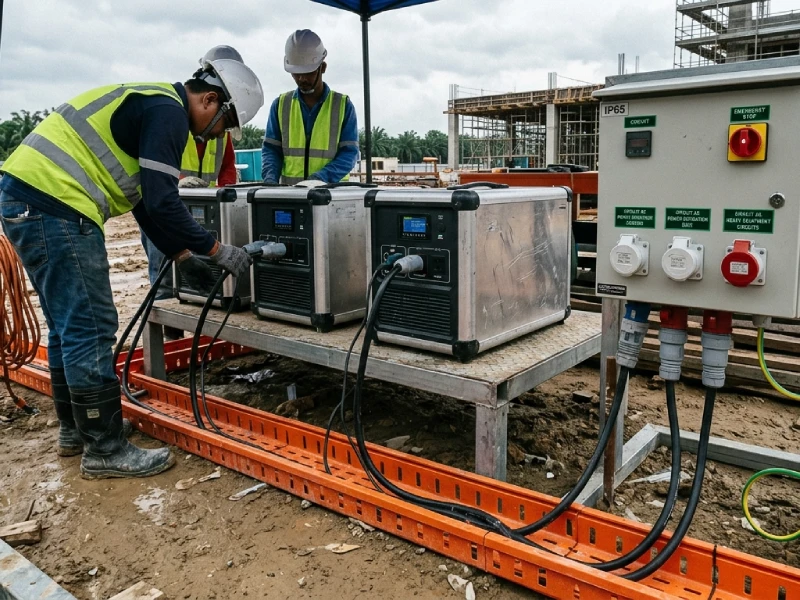
Construction companies frequently require temporary power for tools, monitoring equipment, communications systems, and lighting. In many situations, access to grid electricity may not be available during the early stages of a project.
Portable power stations provide contractors with a convenient source of electricity that can be deployed immediately without extensive infrastructure investment.
For short-term projects, they can significantly reduce fuel logistics costs while improving operational flexibility. Many contractors now incorporate portable battery systems into their temporary site power strategies, especially in urban environments where noise restrictions limit generator use.
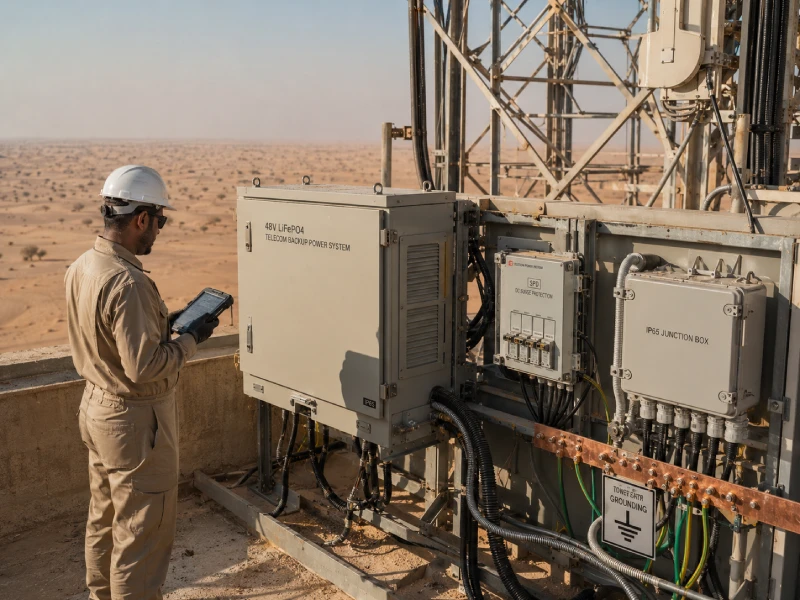
Telecom and Remote Infrastructure
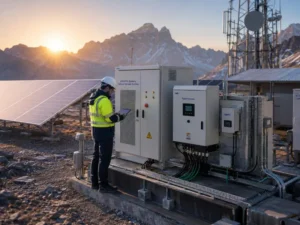
Telecommunications networks increasingly rely on distributed infrastructure deployed in challenging environments. Remote communication towers, monitoring stations, surveillance systems, and IoT gateways often require dependable power sources where grid access is limited or unavailable.
Portable power stations equipped with LiFePO4 batteries offer an attractive solution due to their long cycle life, high safety performance, and compatibility with solar charging systems.
In many regions, telecom operators are actively replacing fuel-dependent backup systems with battery-based alternatives to reduce operating expenses and improve sustainability metrics.
Solar Energy Storage Packages
The rapid expansion of distributed solar energy has created additional opportunities for portable energy storage products.
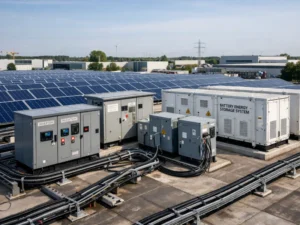
Many solar installers and EPC companies now bundle portable power stations with photovoltaic modules to create complete off-grid or emergency backup solutions. This approach allows installers to expand their product portfolio while increasing project value.
Portable solar generator packages are particularly popular in:
- Residential backup markets
- Disaster preparedness programs
- Remote work environments
- Agricultural operations
- Outdoor commercial activities
- Temporary event infrastructure
As renewable energy adoption accelerates globally, portable power stations are expected to become an increasingly important component of decentralized energy systems.
What B2B Buyers Should Define Before Contacting a Portable Power Station Supplier
One of the most common procurement mistakes is contacting multiple suppliers without first defining project requirements.
Experienced sourcing managers understand that supplier evaluation becomes significantly more efficient when internal specifications are clearly established beforehand.
Before requesting quotations from a portable power station manufacturer, buyers should identify several key factors that will influence product selection and supplier suitability.
Target Market Requirements
Different markets impose different regulatory, certification, and customer expectations.
For example, products intended for Europe may require CE compliance, while North American markets often prioritize FCC and UL-related requirements. Middle Eastern and Southeast Asian markets may emphasize environmental durability and logistics efficiency.
Understanding the final destination market helps suppliers recommend appropriate product configurations and certification packages.
Questions procurement teams should consider include:
- Which countries will the products be sold in?
- What certifications are required?
- Are there specific voltage or plug standards?
- What warranty expectations exist within the target market?
- What competitive positioning is required?
Expected Capacity Range
Portable power stations are available across a wide range of energy storage capacities.
Selecting the appropriate capacity range depends on customer needs, target applications, and market positioning.
| Capacity Range | Typical Applications |
|---|---|
| 300Wh–700Wh | Outdoor recreation and light backup power |
| 700Wh–1500Wh | Home backup and professional field work |
| 1500Wh–3000Wh | Commercial backup and mobile operations |
| 3000Wh+ | Industrial and infrastructure applications |
Distributors serving multiple market segments may benefit from offering a diversified product portfolio rather than focusing exclusively on a single capacity category.
Required Certifications
Certification compliance should never be treated as an afterthought.
Failure to obtain the necessary approvals can result in customs delays, project disruptions, legal liabilities, and reputational damage.
Common certification requirements include:
- CE
- FCC
- RoHS
- UN38.3
- MSDS
- IEC-related standards
Buyers should verify certification status before placing bulk orders rather than assuming compliance based on supplier claims.
Branding Strategy
Procurement decisions are also influenced by branding objectives.
Some companies prefer standard products that can be introduced quickly with minimal investment. Others seek customized solutions that support long-term brand development and market differentiation.
Generally, buyers can choose among three common approaches:
- Standard products with existing branding
- Private label products with custom logos and packaging
- Fully customized ODM development projects
Clearly defining branding requirements helps determine which suppliers possess the necessary engineering, manufacturing, and product development capabilities.
Expert Tip:
Many procurement managers focus heavily on unit pricing during the initial sourcing stage. However, successful wholesale programs typically depend more on certification readiness, manufacturing consistency, warranty support, and delivery reliability than on marginal price differences. A supplier offering stronger quality assurance and engineering support can often generate substantially lower total ownership costs over the product lifecycle.
How to Evaluate a Portable Power Station Manufacturer Beyond Price
Price is important, but experienced buyers understand that the lowest quotation does not necessarily represent the lowest procurement cost.
Warranty claims, product failures, shipment delays, and technical support issues can quickly eliminate any savings achieved through aggressive price negotiations.
A professional supplier evaluation process should focus on manufacturing quality, engineering capability, and operational reliability.
Manufacturing Capacity
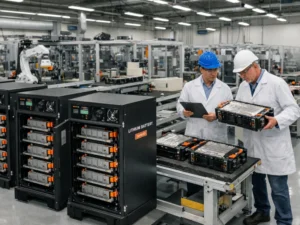
Production capacity directly impacts a supplier’s ability to support long-term business growth.
When evaluating a portable power station supplier, buyers should assess:
- Monthly production capacity
- Factory size
- Automation level
- Production scalability
- Lead time performance
- Supply chain resilience
Suppliers with mature manufacturing systems are generally better positioned to accommodate seasonal demand fluctuations and large project requirements.
Battery Cell Sourcing Strategy
Battery cells represent the most critical component within any portable power station.
The quality of the cells directly influences:
- Cycle life
- Safety performance
- Energy density
- Warranty costs
- Customer satisfaction
Reliable manufacturers typically maintain strict supplier qualification programs and comprehensive incoming quality inspection procedures.
Buyers should request transparency regarding battery sourcing practices and quality management systems.“` “`html
Battery Management System (BMS) Engineering Capability
While battery cells often receive the most attention during supplier evaluations, the Battery Management System (BMS) is equally important. A high-quality battery pack can still experience performance and safety issues if the BMS is poorly designed.
The BMS functions as the intelligence center of a portable power station. It continuously monitors battery voltage, current, temperature, state of charge, and overall system health. Advanced BMS architectures also support fault diagnosis, remote monitoring, and enhanced protection mechanisms.
For commercial-grade portable power stations, procurement teams should investigate whether the supplier’s BMS includes:
- Overcharge protection
- Over-discharge protection
- Overcurrent protection
- Short-circuit protection
- Over-temperature protection
- Cell balancing functionality
- Low-temperature charging protection
- Real-time diagnostic capabilities
These protections become particularly important in demanding operating environments such as construction sites, remote telecom installations, emergency response deployments, and renewable energy applications.
A supplier that develops or significantly customizes its own BMS architecture often demonstrates stronger engineering capabilities than suppliers that simply assemble off-the-shelf components.
Production Traceability System
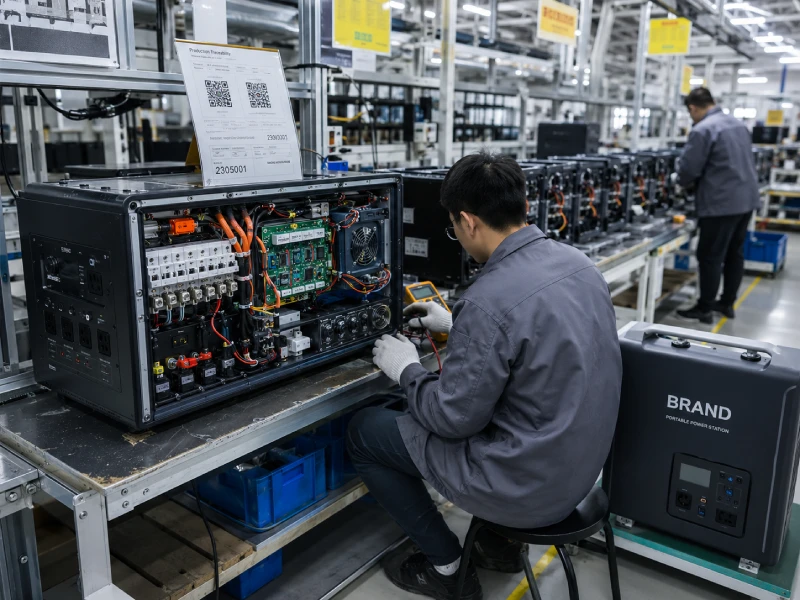
As global quality standards continue to evolve, production traceability has become an essential component of professional manufacturing operations.
Traceability enables manufacturers to identify component origins, production batches, testing records, and assembly histories throughout the product lifecycle.
In the event of a warranty claim or field issue, a robust traceability system allows rapid root-cause analysis and corrective action.
Procurement managers should ask suppliers:
- Can battery cell batches be traced?
- Are serial numbers linked to production records?
- How long are quality records retained?
- Are test reports associated with individual production lots?
- Can warranty investigations be supported with manufacturing data?
Suppliers capable of providing clear traceability documentation typically maintain stronger quality control systems and lower operational risk.
Quality Management Standards
A supplier’s quality management framework often reveals more about long-term reliability than product brochures or marketing materials.
Professional manufacturers typically implement documented procedures covering:
- Incoming material inspection
- Process quality control
- Electrical testing
- Environmental testing
- Final product inspection
- Packaging verification
- Shipment quality audits
Buyers should also evaluate whether continuous improvement mechanisms are integrated into the quality system. Manufacturers that actively analyze warranty data, customer feedback, and production metrics are generally more capable of delivering consistent long-term product quality.
Expert Tip:
When evaluating a portable power station manufacturer, request examples of actual test reports rather than relying solely on certification logos or marketing claims. Reliability data, environmental testing records, and quality control documentation often provide a much clearer picture of manufacturing competence.
Portable Power Station Certifications Explained for International Markets
Certification compliance is one of the most overlooked aspects of portable power station procurement. Many importers discover certification problems only after products have been manufactured or shipped, resulting in costly delays and unexpected expenses.
Understanding certification requirements before placing orders can significantly reduce procurement risks and accelerate market entry.
CE Requirements for European Markets
For products entering the European Economic Area (EEA), CE marking serves as a declaration that the product complies with applicable European regulations and directives.
Portable power stations sold in Europe may require compliance with various regulations relating to:
- Electrical safety
- Electromagnetic compatibility (EMC)
- Restriction of hazardous substances (RoHS)
- Battery regulations
- Environmental requirements
Importers should verify that suppliers maintain current technical documentation and supporting test reports rather than relying solely on CE labeling.
FCC Compliance for North America
Products incorporating electronic circuits, wireless communication functions, or digital processing components may require FCC compliance for sale within the United States.
FCC requirements primarily address electromagnetic interference and radio frequency emissions.
Non-compliant products may encounter customs issues, regulatory challenges, and customer concerns regarding electrical performance.
When evaluating suppliers, buyers should request relevant FCC documentation and verify that testing has been conducted by recognized laboratories.
UN38.3 Certification for International Transportation
UN38.3 is one of the most important certifications for lithium battery transportation.
Because portable power stations contain lithium batteries, they are subject to transportation regulations designed to ensure safe shipment by air, sea, rail, and road.
UN38.3 testing typically evaluates:
- Altitude simulation
- Thermal testing
- Vibration resistance
- Shock resistance
- External short-circuit performance
- Impact resistance
- Overcharge behavior
- Forced discharge performance
Without valid UN38.3 documentation, international logistics operations can become extremely difficult.
MSDS and Transportation Documentation
Material Safety Data Sheets (MSDS) provide important information regarding battery composition, handling procedures, transportation requirements, and emergency response guidance.
Although buyers often focus on certifications, transportation documentation is equally critical for successful international trade.
Before placing large-volume orders, procurement teams should confirm that suppliers can provide:
- MSDS documentation
- UN38.3 reports
- Packing declarations
- Transportation certificates
- Product specification sheets
Why Certification Delays Can Impact Project Delivery
Certification issues frequently create hidden risks in portable power station projects.
For example, a supplier may provide prototype samples that perform well during evaluation, but certification challenges can emerge during mass production or market launch.
Such delays can affect:
- Product launch schedules
- Contract fulfillment deadlines
- Inventory planning
- Cash flow management
- Customer relationships
Experienced buyers therefore treat certification verification as an essential component of supplier qualification rather than a final administrative task.
LiFePO4 vs NCM Portable Power Stations: Which Is Better for Commercial Deployment?
One of the most important technical decisions in portable power station procurement involves battery chemistry selection.
The majority of commercial products utilize either Lithium Iron Phosphate (LiFePO4) batteries or Nickel Manganese Cobalt (NCM) batteries.
Each chemistry offers unique advantages, but their suitability varies significantly depending on business objectives and deployment environments.
Safety Comparison
Safety remains one of the primary reasons many commercial buyers increasingly favor LiFePO4 technology.
LiFePO4 chemistry offers superior thermal stability compared with NCM batteries, reducing the likelihood of thermal runaway events under abnormal operating conditions.
This characteristic becomes especially important in:
- Public infrastructure projects
- Telecom deployments
- Educational facilities
- Healthcare applications
- Residential backup systems
Where long-term operational safety is a critical procurement consideration.
Cycle Life Comparison
Cycle life directly affects total ownership cost.
Although actual performance varies among manufacturers and operating conditions, LiFePO4 batteries generally offer significantly higher cycle life than NCM alternatives.
| Battery Chemistry | Typical Cycle Life Range |
|---|---|
| NCM | 500–1500 Cycles |
| LiFePO4 | 3000–6000+ Cycles |
For commercial users operating equipment daily, the difference in service life can translate into substantial cost savings over several years.
Warranty Impact
Longer battery life often enables suppliers to offer stronger warranty programs.
For distributors, this can create meaningful advantages:
- Reduced warranty claims
- Lower replacement costs
- Improved customer satisfaction
- Enhanced brand reputation
- Stronger channel profitability
As warranty costs represent a major component of after-sales expenses, battery chemistry selection should be evaluated within a broader lifecycle cost framework.
Total Cost of Ownership Analysis
Many procurement decisions focus excessively on initial purchase price.
However, commercial buyers should evaluate total cost of ownership (TCO), which includes:
- Initial procurement cost
- Operating lifespan
- Maintenance requirements
- Replacement frequency
- Warranty costs
- Downtime risks
Although LiFePO4 portable power stations may sometimes carry a higher upfront price, their extended service life often results in lower lifetime operating costs.
Expert Tip:
For distributors targeting professional users, telecom operators, infrastructure projects, or backup power markets, lifecycle economics frequently outweigh small differences in purchase price. Evaluating battery chemistry through a TCO lens often leads to better long-term procurement outcomes.
Common Procurement Risks in Portable Power Station Wholesale Projects
Even experienced sourcing teams encounter challenges when managing portable power station wholesale programs.
Understanding the most common procurement risks can help buyers establish more effective supplier qualification processes and avoid costly mistakes.
Certification Risks
Certification-related problems remain among the most frequent causes of project delays.
Potential issues include:
- Expired certificates
- Incomplete testing documentation
- Incorrect model coverage
- Market-specific compliance gaps
- Unverified certification claims
Procurement teams should independently review supporting documentation whenever possible.
Battery Quality Risks
Battery quality directly affects product performance, safety, and warranty costs.
Common warning signs may include:
- Lack of cell traceability
- Inconsistent performance data
- Unclear sourcing practices
- Limited testing documentation
- Poor sample consistency
Careful supplier audits and sample evaluations can help reduce these risks significantly.
Delivery Delay Risks
Supply chain disruptions can quickly affect project schedules and customer commitments.
Potential causes include:
- Battery shortages
- Component procurement delays
- Production bottlenecks
- Logistics disruptions
- Customs clearance issues
Buyers should evaluate supplier capacity planning and inventory management capabilities before committing to large-scale procurement programs.“` “`html id=”tq9xkp”
Warranty Support Risks
Warranty management is often underestimated during the supplier selection process. However, after-sales support can significantly impact profitability, customer retention, and brand reputation.
Many distributors discover that warranty costs become a major operational burden when products experience reliability issues or when suppliers lack structured support systems.
Before committing to a portable power station wholesale partnership, buyers should evaluate:
- Standard warranty coverage period
- Warranty claim procedures
- Replacement part availability
- Technical troubleshooting support
- Response time commitments
- Local service support options
Suppliers that provide detailed warranty policies, technical documentation, and dedicated support teams are generally better equipped to support long-term channel growth.
Hidden Logistics Costs
International procurement involves more than product pricing and freight rates.
Because portable power stations contain lithium batteries, transportation costs can vary significantly depending on battery capacity, destination market, shipping method, and regulatory requirements.
Potential hidden costs may include:
- Hazardous goods handling charges
- Special packaging requirements
- Port congestion surcharges
- Customs inspection fees
- Storage and demurrage costs
- Additional documentation expenses
Experienced procurement teams evaluate total landed cost rather than focusing exclusively on factory pricing.
Expert Tip:
The lowest supplier quotation rarely guarantees the lowest procurement cost. Product quality, logistics efficiency, warranty performance, certification readiness, and technical support often have a greater impact on overall project profitability than small differences in unit price.
OEM vs ODM Portable Power Stations: Which Model Delivers Better ROI?
As competition within the portable energy storage market intensifies, distributors and energy brands increasingly seek ways to differentiate themselves. One of the most important strategic decisions involves choosing between OEM and ODM manufacturing models.
Both approaches can create valuable business opportunities, but they serve different commercial objectives.
What Is OEM Portable Power Station Manufacturing?
OEM (Original Equipment Manufacturing) allows buyers to customize products according to their specific requirements.
Depending on the manufacturer’s capabilities, OEM customization may include:
- Product appearance design
- Housing modifications
- Battery capacity configurations
- Inverter specifications
- User interface customization
- Firmware development
- Packaging design
- Brand identity integration
OEM projects are often favored by established brands seeking stronger market differentiation and greater control over product positioning.
What Is ODM Portable Power Station Manufacturing?
ODM (Original Design Manufacturing) typically involves selecting an existing product platform developed by the manufacturer and applying customized branding elements.
This approach offers several advantages:
- Faster market entry
- Lower development costs
- Reduced engineering risk
- Shorter lead times
- Simplified certification processes
For many distributors entering the portable power station market, ODM provides an efficient pathway to launch products without significant research and development investment.
Time-to-Market Analysis
Speed can be a critical competitive advantage.
ODM projects typically move from concept to market more quickly because the core product architecture has already been developed, tested, and validated.
OEM projects may require:
- Industrial design development
- Engineering verification
- Prototype testing
- Certification updates
- Production validation
While OEM projects generally require longer timelines, they may offer greater strategic value for companies pursuing long-term brand development.
Investment Comparison
| Factor | ODM | OEM |
|---|---|---|
| Development Cost | Lower | Higher |
| Engineering Resources | Minimal | Extensive |
| Time to Market | Faster | Longer |
| Product Differentiation | Moderate | High |
| Brand Exclusivity | Limited | Stronger |
Typical Distributor Use Cases
Businesses entering the market for the first time often benefit from ODM solutions due to lower risk and faster deployment.
Meanwhile, established distributors, energy solution providers, and equipment brands frequently pursue OEM strategies to create unique products that strengthen market positioning and customer loyalty.
The optimal choice depends on business goals, available resources, and long-term growth plans.
How to Conduct Supplier Due Diligence Before Placing a Bulk Order
Supplier due diligence is one of the most effective methods for reducing procurement risk.
A structured evaluation process enables buyers to verify supplier capabilities before making significant financial commitments.
Factory Audit Checklist
Whenever possible, buyers should conduct factory audits either in person or through qualified third-party inspection agencies.
Key areas to evaluate include:
- Production facilities
- Automation systems
- Testing equipment
- Quality control procedures
- Warehouse management
- Employee training programs
- Production capacity utilization
A factory audit often provides insights that cannot be obtained through sales presentations or product catalogs.
Sample Evaluation Checklist
Product samples should be evaluated under realistic operating conditions.
Areas of assessment may include:
- Charging performance
- Discharging efficiency
- Output stability
- Thermal performance
- Noise levels
- Build quality
- User experience
Testing should ideally reflect the intended end-use environment rather than laboratory conditions alone.
Reliability Testing Checklist
Long-term reliability has a direct impact on customer satisfaction and warranty costs.
Procurement teams should request information regarding:
- Cycle life testing
- Environmental testing
- Drop testing
- Vibration testing
- Thermal testing
- Load testing
- Aging test procedures
Manufacturers with comprehensive reliability testing programs often demonstrate stronger engineering maturity.
Questions Every Procurement Manager Should Ask
- What battery cells are used in production?
- How is quality consistency maintained?
- What certifications are currently valid?
- What is the average lead time?
- How are warranty claims handled?
- What customization options are available?
- Can production records be traced?
- How is technical support delivered?
The quality and transparency of supplier responses often reveal more about operational capability than marketing materials alone.
Procurement Scenario: Why Reliability Often Outweighs Initial Purchase Price
Consider a hypothetical distributor sourcing 5,000 portable power stations annually.
Supplier A offers a unit price that is 8% lower than Supplier B. At first glance, Supplier A appears to provide a significant cost advantage.
However, after one year:
- Supplier A experiences a 4% warranty claim rate.
- Supplier B maintains a 0.8% warranty claim rate.
- Supplier A requires longer replacement lead times.
- Supplier B maintains local spare parts availability.
- Supplier A provides limited technical support.
- Supplier B offers dedicated engineering assistance.
Although Supplier A initially appeared less expensive, warranty replacements, customer service expenses, logistics costs, and reputational damage ultimately increase total ownership costs.
This scenario illustrates why experienced procurement professionals evaluate suppliers using lifecycle economics rather than purchase price alone.
Why More EPC Contractors and Distributors Partner with SolarDyna
Selecting a supplier is not simply a purchasing decision—it is a long-term business partnership.
As the portable energy storage market continues to evolve, buyers increasingly seek manufacturers capable of supporting growth, customization, compliance, and technical innovation.
Engineering-Focused Product Development
Successful portable power station programs require more than attractive product specifications.
Engineering considerations such as battery architecture, thermal management, inverter performance, and system reliability directly influence field performance and customer satisfaction.
An engineering-driven manufacturing approach helps ensure products meet the demands of professional users across diverse operating environments.
Global Certification Support
International expansion often requires compliance with multiple regulatory frameworks.
Manufacturers with experience supporting global markets can simplify certification planning and help buyers navigate complex compliance requirements more efficiently.
Flexible OEM and ODM Services
Different customers require different levels of customization.
Whether launching a private-label product line or developing a fully customized energy storage solution, flexible manufacturing support can help accelerate market growth while maintaining operational efficiency.
Stable Supply Chain Management
Supply chain reliability has become increasingly important in today’s global marketplace.
Manufacturers with mature sourcing strategies, production planning systems, and logistics management capabilities are generally better positioned to support long-term business partnerships.
Dedicated Technical Support
Technical expertise plays a critical role throughout the product lifecycle.
From product selection and deployment planning to troubleshooting and warranty support, responsive technical assistance can significantly improve customer experience and reduce operational challenges.
Portable Power Station Supplier Evaluation Checklist
Before selecting a portable power station wholesale partner, verify the following:
- ✔ Manufacturing Capacity Verified
- ✔ Battery Cell Source Confirmed
- ✔ Quality Management System Evaluated
- ✔ Production Traceability Available
- ✔ Certifications Verified
- ✔ Reliability Testing Documentation Reviewed
- ✔ Warranty Terms Assessed
- ✔ OEM/ODM Capabilities Confirmed
- ✔ Technical Support Resources Available
- ✔ Logistics and Delivery Performance Evaluated
Using a structured evaluation framework can significantly reduce procurement risks and improve long-term project outcomes.
Conclusion
The portable energy storage industry continues to create significant opportunities for distributors, EPC contractors, renewable energy integrators, and equipment suppliers worldwide.
However, successful procurement requires a comprehensive evaluation process that extends far beyond product pricing.
When assessing a portable power station wholesale supplier, buyers should carefully consider manufacturing capability, battery technology, certification compliance, quality management systems, warranty support, supply chain stability, and engineering expertise.
By focusing on total ownership cost rather than initial purchase price alone, businesses can reduce risk, improve customer satisfaction, and establish stronger long-term competitive advantages.
Whether pursuing OEM customization, ODM private-label programs, or large-scale distribution partnerships, selecting the right manufacturing partner remains one of the most important decisions in building a successful portable power station business.
Frequently Asked Questions About Portable Power Station Wholesale
Q1. What is the typical MOQ for portable power station wholesale orders?
Minimum order quantities vary by manufacturer, product complexity, and customization requirements. Standard ODM products typically require lower MOQs than fully customized OEM projects.
Q2. How long does OEM portable power station development take?
Development timelines depend on customization scope, engineering complexity, testing requirements, and certification needs. More advanced customization generally requires longer development periods.
Q3. Why are LiFePO4 batteries becoming the preferred choice for commercial applications?
LiFePO4 batteries offer excellent thermal stability, long cycle life, strong safety performance, and lower total ownership costs, making them highly attractive for commercial and infrastructure deployments.
Q4. What certifications should distributors verify before importing products?
Common requirements may include CE, FCC, RoHS, UN38.3, MSDS documentation, and market-specific compliance certifications depending on destination countries.
Q5. How can buyers verify battery quality?
Request battery sourcing information, test reports, cycle life data, traceability records, and sample products for independent evaluation.
Q6. What factors most influence portable power station pricing?
Battery capacity, battery chemistry, inverter specifications, certification requirements, customization level, production volume, and logistics costs all affect pricing.
Q7. How important is the Battery Management System?
The BMS is critical for safety, performance, battery longevity, and system reliability. A well-designed BMS can significantly improve overall product quality.
Q8. Can portable power stations be integrated with solar panels?
Yes. Most commercial-grade systems support solar charging and can function as part of broader renewable energy solutions.
Q9. What is the difference between OEM and ODM manufacturing?
OEM focuses on custom product development, while ODM typically involves branding and modifying existing manufacturer-developed products.
Q10. How can distributors reduce warranty costs?
Partnering with reliable manufacturers, selecting high-quality battery technologies, conducting thorough supplier audits, and implementing effective quality assurance processes can significantly reduce warranty-related expenses.
Q11. What should be included in a supplier audit?
Production capability, quality systems, testing procedures, certification status, supply chain management, and technical support resources should all be evaluated.
Q12. What makes a strong long-term portable power station supplier?
A strong supplier combines manufacturing expertise, engineering capability, quality consistency, certification support, supply chain stability, and responsive customer service to support sustainable business growth.
Looking for a Reliable Portable Power Station Wholesale Partner?
Choosing the right portable power station wholesale supplier can significantly impact product quality, certification compliance, delivery performance, and long-term profitability. SolarDyna provides commercial-grade LiFePO4 portable power stations, OEM/ODM customization, and engineering support for distributors, EPC contractors, energy solution providers, and private-label brands.
✔ OEM & ODM customization for distributors and energy brands
✔ CE, FCC, UN38.3 and international compliance support
✔ Dedicated engineering assistance and procurement consultation
✔ Stable manufacturing capacity and global supply chain support
Speak with our team to discuss OEM/ODM requirements, project specifications, and supplier evaluation criteria.