Why Your Energy Storage Battery Supplier Determines Project Success
As global energy storage deployment accelerates, EPC contractors, project developers, and commercial & industrial (C&I) investors are facing increasing pressure from rising project costs, stricter grid regulations, and tighter ROI expectations.
Choosing the wrong energy storage battery supplier can lead to system failures, delayed commissioning, certification issues, and long-term financial losses. For B2B buyers, the challenge is no longer just finding a supplier—but identifying a reliable partner who can deliver consistent quality, technical support, and scalable solutions. This article helps EPC contractors, distributors, and project owners evaluate and select the right battery supplier using a structured, practical framework.
Why Choosing the Right Energy Storage Battery Supplier Matters
Selecting the right energy storage battery supplier is a strategic decision that directly impacts the technical performance, financial returns, and long-term reliability of your energy storage project. In utility-scale, commercial, and off-grid applications, battery systems are not just components—they are the core asset driving revenue generation and operational stability.
A reliable battery supplier ensures consistent product quality, verified safety standards, and predictable lifecycle performance. On the other hand, an unreliable supplier can introduce significant risks, including system downtime, thermal safety issues, and warranty disputes. For B2B buyers managing multi-million-dollar investments, these risks are unacceptable.
Impact on Project ROI and Lifecycle Cost
Battery performance directly affects key financial metrics such as Levelized Cost of Energy (LCOE) and return on investment (ROI). High-quality lithium battery suppliers typically offer:
- Longer cycle life (6000+ cycles for LFP batteries)
- Higher round-trip efficiency
- Lower degradation rates over time
These factors reduce replacement frequency and maintenance costs, significantly improving long-term project profitability.
System Safety and Compliance Risks
Energy storage systems must comply with strict international safety standards. A non-compliant supplier may provide batteries without proper certifications, increasing the risk of:
- Thermal runaway incidents
- Grid connection failures
- Shipping and customs clearance issues
Working with a certified battery manufacturer minimizes these risks and ensures smooth project execution.
Project Delivery and Reputation Impact
For EPC contractors and system integrators, supplier reliability also affects project timelines and brand reputation. Delays in battery delivery or performance failures can damage client relationships and reduce future business opportunities.
Key Factors to Evaluate an Energy Storage Battery Supplier
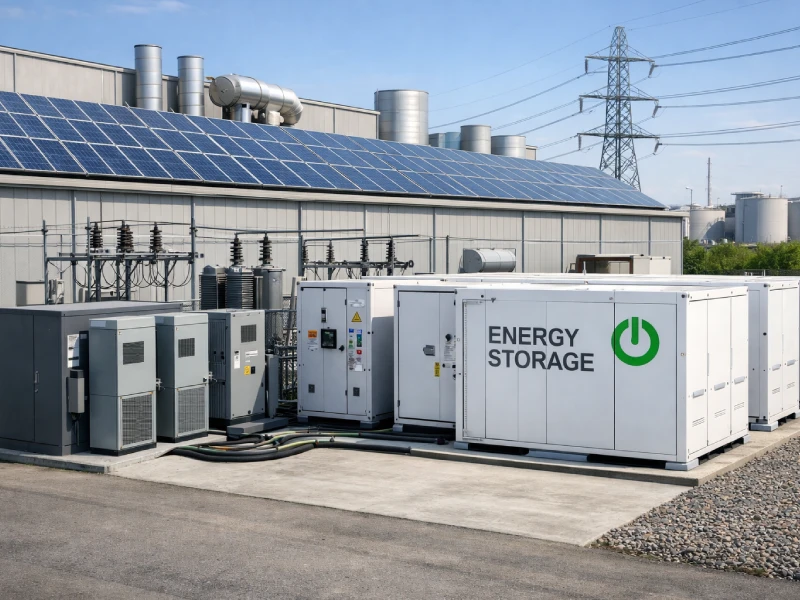
To identify a reliable energy storage battery supplier, B2B buyers must go beyond price comparisons and adopt a comprehensive evaluation framework. The following criteria are essential for making informed procurement decisions.
1. Battery Technology and Product Portfolio
A qualified supplier should offer a diverse and advanced battery portfolio tailored to different applications, including utility-scale storage, C&I systems, and off-grid solutions.
Currently, the most widely used technologies include:
- LFP (Lithium Iron Phosphate) – High safety, long lifespan, ideal for stationary storage
- NMC (Nickel Manganese Cobalt) – Higher energy density, suitable for specific use cases
- Emerging technologies – Sodium-ion and next-generation chemistries
Reliable lithium battery suppliers should provide:
- Modular battery systems for scalability
- High cycle life and stable performance
- Flexible configurations for different voltage and capacity requirements
A strong product portfolio indicates the supplier’s R&D capability and ability to support diverse project needs.
2. Manufacturing Capabilities and Quality Control
One of the most critical factors when selecting a battery manufacturer is whether they have in-house production capabilities. Working directly with a manufacturer—rather than a trading company—provides better control over product quality, lead time, and cost.
Key aspects to evaluate include:
- Level of automation in production lines
- Cell sourcing and consistency
- Battery pack assembly standards
- End-of-line testing and aging processes
In addition, reputable suppliers should operate under internationally recognized quality management systems such as:
- ISO 9001 (Quality Management)
- ISO 14001 (Environmental Management)
Strict quality control processes ensure that each battery system meets performance and safety requirements before delivery.
3. Certifications and Global Compliance (Critical for Market Access)
For any serious B2B buyer, certifications are not optional—they are a prerequisite for project approval, grid connection, transportation, and long-term operational safety. A reliable energy storage battery supplier must provide complete and verifiable certification documentation aligned with your target market.
Different regions impose different compliance requirements. Failing to meet these standards can result in shipment delays, rejected installations, or even project shutdowns. Therefore, certification verification should be a mandatory step in your supplier evaluation process.
Key Certifications to Look For
- UN38.3 – Mandatory for lithium battery transportation
- IEC 62619 – Safety standard for industrial energy storage batteries
- UL 1973 / UL 9540 – Required for North American markets
- CE Marking – Compliance for European markets
Beyond basic certifications, advanced suppliers may also offer grid compliance reports and system-level certifications, which significantly reduce integration risks for EPC contractors.
A trustworthy battery supplier should be transparent and proactive in providing test reports, certification files, and compliance support during project development.
4. System Integration Capability (From Components to Complete BESS Solutions)
Modern energy storage projects increasingly demand integrated solutions rather than standalone battery products. As a result, selecting a supplier with system integration capabilities can significantly simplify project execution and reduce coordination costs.
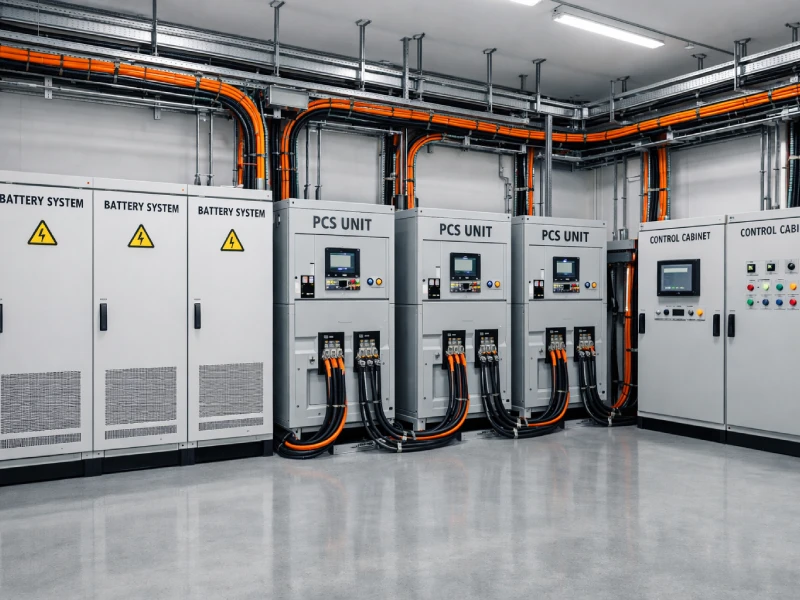
A qualified energy storage system supplier should be able to provide:
- Battery packs and racks
- PCS (Power Conversion System)
- EMS (Energy Management System)
- Thermal management and safety systems
Suppliers with strong integration capabilities can deliver fully engineered BESS (Battery Energy Storage System) solutions tailored to specific project requirements, including:
- Grid-connected systems
- Off-grid and microgrid solutions
- Hybrid solar + storage applications
This “one-stop solution” approach reduces compatibility issues between components, shortens deployment timelines, and improves overall system reliability.
5. Project Experience and Proven Case Studies
In the B2B energy storage market, proven experience is one of the strongest indicators of supplier reliability. A supplier with a track record of successful deployments demonstrates not only technical capability but also the ability to execute under real-world conditions.
When evaluating a supplier, request detailed case studies covering:
- Project scale (kWh / MWh level)
- Application scenarios (utility-scale, C&I, off-grid)
- Geographic distribution
- Operational performance data
Reliable battery manufacturers are typically able to provide performance metrics such as system efficiency, uptime, and degradation rates over time.
Case studies also reveal whether the supplier can adapt to different regulatory environments and grid conditions—an essential capability for international projects.
6. Customization and OEM/ODM Capability
For distributors, brand owners, and EPC contractors with unique project requirements, customization is a key differentiator when selecting an energy storage battery supplier.
A flexible supplier should support:
- Custom voltage and capacity configurations
- Mechanical design adaptations (rack, cabinet, containerized systems)
- Branding and private label (OEM/ODM)
- Software customization (EMS features, monitoring interfaces)
Strong OEM/ODM capability indicates that the supplier has robust engineering resources and a mature production system capable of handling non-standard requirements at scale.
This is particularly important for companies aiming to differentiate their product offerings in competitive energy storage markets.
7. After-Sales Service and Technical Support
Energy storage systems are long-term assets, often expected to operate reliably for 10–15 years or more. Therefore, after-sales service is not just an added benefit—it is a critical component of supplier evaluation.
A reliable battery supplier should offer comprehensive technical support, including:
- Remote monitoring and diagnostics
- Fault detection and troubleshooting
- Firmware and software updates
- On-site or regional technical support (where applicable)
Response time is another key factor. Delayed support can lead to extended system downtime, directly impacting revenue and customer satisfaction.
Suppliers with dedicated engineering teams and global service networks are better equipped to support complex BESS deployments.
8. Pricing vs Total Cost of Ownership (TCO)
While price is always an important consideration, focusing solely on upfront cost can lead to poor procurement decisions. Experienced buyers evaluate suppliers based on Total Cost of Ownership (TCO), which includes:
- Initial procurement cost
- Installation and integration cost
- Operational efficiency
- Maintenance and replacement cost
A lower-cost battery with poor cycle life or higher degradation may result in higher long-term expenses. In contrast, a slightly higher upfront investment in a high-quality solution can significantly reduce lifecycle costs.
When comparing suppliers, request detailed performance data and lifecycle projections to accurately assess long-term value.
Ultimately, the goal is to select a partner who delivers not just competitive pricing, but sustainable economic performance over the entire project lifecycle.
Red Flags to Avoid When Selecting a Battery Supplier
Even with a structured evaluation process, many B2B buyers still encounter unreliable partners due to hidden risks or misleading claims. Identifying these red flags early can save significant time, cost, and operational risk when choosing an energy storage battery supplier.
- Lack of verifiable certifications: Missing or outdated certificates such as UN38.3 or IEC62619
- Unrealistic performance claims: Inflated cycle life or efficiency data without third-party validation
- No manufacturing transparency: Inability to provide factory audits or production details
- Limited project references: No real-world case studies or operational data
- Weak after-sales support: No clear service process or technical team
Avoiding these common pitfalls is essential to ensure project stability and long-term supplier reliability.
Manufacturer vs Trading Company: Which Should You Choose?
One of the most important decisions in supplier selection is whether to work directly with a manufacturer or through a trading company. Each option has its own advantages, but for most B2B energy storage projects, manufacturers offer greater long-term value.
Advantages of Working with a Manufacturer
- Direct control over product quality and production timelines
- Stronger technical support and engineering capabilities
- Better pricing due to elimination of intermediaries
- Higher flexibility for customization and OEM projects
When a Trading Company May Be Suitable
- Small-scale or trial orders
- Multi-brand sourcing requirements
- Limited technical complexity
However, for large-scale BESS deployments, partnering directly with a battery manufacturer is generally the safer and more strategic choice.
Why Partner with a Professional Energy Storage Manufacturer
As the energy storage market becomes more competitive and technically complex, working with a professional manufacturer is increasingly critical for long-term success. A qualified energy storage battery supplier should not only provide products, but also act as a strategic partner throughout the project lifecycle.
Core Advantages of a Professional Supplier
- Advanced R&D capabilities: Continuous innovation in battery chemistry and system design
- Scalable production capacity: Ability to support large and multi-phase projects
- Global project experience: Familiarity with different regulatory environments
- Integrated solutions: From battery cells to full BESS systems
- Comprehensive certifications: Ensuring compliance across markets
For EPC contractors and project developers, this translates into reduced risk, faster deployment, and improved return on investment.
How to Shortlist the Right Battery Supplier (Step-by-Step Checklist)
To streamline the supplier selection process, B2B buyers can follow a structured checklist to compare and validate potential partners.
- Define technical requirements: Application type, capacity, voltage, and system configuration
- Verify certifications: Ensure compliance with target market standards
- Evaluate manufacturing capabilities: Conduct factory audits if possible
- Request samples or pilot projects: Validate real-world performance
- Review case studies: Assess past project success and experience
- Assess service capability: Technical support, response time, and warranty terms
- Compare total cost of ownership: Analyze long-term value, not just initial price
This systematic approach helps reduce uncertainty and ensures that the selected supplier aligns with both technical and commercial objectives.
FAQs About Energy Storage Battery Suppliers
Q1 What is the best battery type for energy storage?
Lithium iron phosphate (LFP) batteries are currently the most widely used option for stationary energy storage due to their high safety, long cycle life, and stable performance.
Q2 How can I verify a battery supplier?
You can verify a supplier by checking certifications, requesting factory audits, reviewing case studies, and conducting sample testing.
Q3 What certifications are required for energy storage batteries?
Common certifications include UN38.3, IEC62619, UL1973, UL9540, and CE, depending on the target market.
Q4 How long do energy storage batteries last?
High-quality lithium batteries typically last between 10 to 15 years, depending on usage conditions and system design.
Conclusion: Choosing the Right Supplier Is a Long-Term Investment
Selecting the right energy storage battery supplier is not just a procurement decision—it is a long-term investment that directly affects system performance, project profitability, and business reputation. By focusing on technology, manufacturing capability, certifications, and service support, B2B buyers can significantly reduce risk and improve project outcomes.
In an increasingly competitive market, the most successful projects are built on strong partnerships with reliable, experienced suppliers who understand both technical requirements and commercial realities.
Get Expert Support for Your Energy Storage Projects
If you are looking for a trusted partner to support your next energy storage project, our team is here to help. With extensive experience in battery manufacturing, system integration, and global project delivery, we provide customized solutions tailored to your specific needs.
Contact our engineering team today to discuss your project requirements and discover how we can help you achieve higher efficiency, lower risk, and better returns.
Tel: +8613365923720
Email: info@solardyna.com
Looking for a Reliable Energy Storage Battery Supplier?
Choosing the right energy storage battery supplier is critical to ensure system safety, long-term performance, and project ROI. We provide high-quality lithium battery systems and complete BESS solutions tailored for EPC contractors, distributors, and commercial energy projects.
✔ Full BESS solutions: battery, PCS, EMS integration
✔ OEM/ODM customization for EPC and distributor projects
✔ Strong manufacturing capacity for stable global supply
Talk to our engineers for a custom energy storage system solution tailored to your project needs