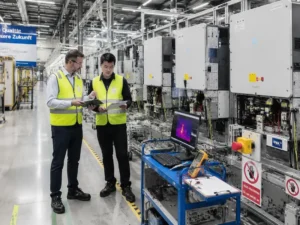
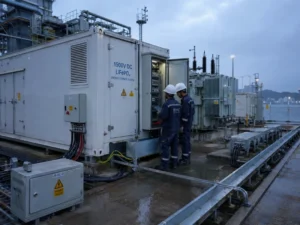
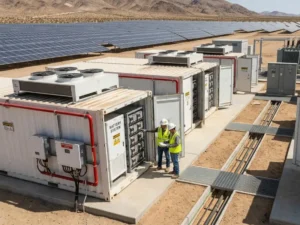
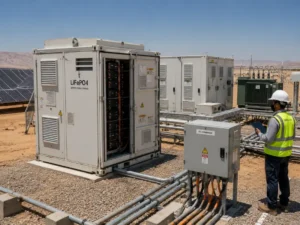
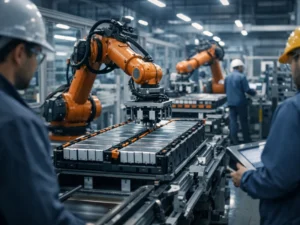
As global demand for reliable mobile energy solutions continues to grow, choosing the right portable power station factory has become a critical decision for distributors, EPC contractors, solar companies, and energy solution providers. A portable power station is no longer viewed as a simple battery-powered device. For professional buyers, it represents a complete energy storage system that integrates battery technology, power conversion, intelligent control, safety management, and manufacturing reliability.
For B2B customers, understanding the manufacturing process behind a portable power station helps evaluate whether a supplier can deliver stable quality, consistent performance, and long-term supply chain support.
A qualified manufacturer must have more than assembly capability. It requires engineering expertise, battery management experience, quality control systems, and the ability to customize solutions for different market applications.
This article explains how a professional portable power station manufacturer manages the entire production process, from battery selection and system design to testing and final quality verification, helping global partners make better sourcing decisions.
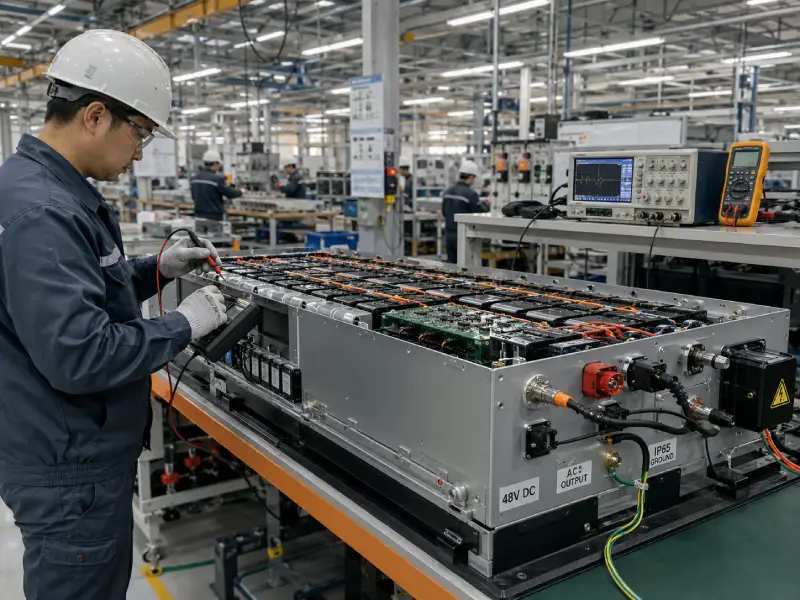
Why Manufacturing Capability Matters When Choosing a Portable Power Station Supplier
The portable energy storage market has expanded rapidly due to increasing demand for backup power, outdoor energy solutions, emergency electricity supply, and solar-integrated applications.
However, not all suppliers provide the same level of engineering capability. Many companies can assemble products, but fewer manufacturers can control the complete production chain required to ensure reliability.
For procurement managers and technical teams, the real difference between suppliers often appears in areas such as:
- Battery cell selection and consistency management
- Battery pack structural design
- Battery management system (BMS) integration
- Thermal management optimization
- Electrical safety testing
- Production quality control
- After-sales technical support
A strong manufacturing process reduces risks related to product failures, unstable performance, warranty costs, and supply interruptions.
For EPC companies and distributors, selecting a factory is not only a purchasing decision. It is a long-term supply chain strategy.
What Defines a Professional Portable Power Station Factory?
A reliable portable power station factory should combine engineering capability, manufacturing experience, and quality management into one integrated system.
Instead of focusing only on product appearance or specifications, professional buyers should evaluate how a supplier transforms design concepts into stable mass-produced energy storage products.
Engineering Capability Before Mass Production
Before entering production, a mature manufacturer normally completes several engineering stages to verify product feasibility and reliability.
The development process usually includes:
- Product requirement analysis
- Electrical architecture design
- Battery system configuration
- Prototype development
- Performance verification
- Pilot production evaluation
- Mass production preparation
This engineering-driven approach helps ensure that the final product can meet real application requirements, including outdoor usage, backup power scenarios, and solar charging environments.
For B2B buyers, engineering capability is an important indicator of whether a supplier can support customized projects and future product improvements.
Battery Cell Selection and Supply Chain Management
Battery cells are one of the most important components inside a portable energy storage system.
A professional lithium battery energy storage supplier does not simply select cells based on price. Instead, manufacturers typically evaluate multiple factors, including:
- Cell supplier qualification
- Battery chemistry suitability
- Capacity consistency
- Electrical performance
- Safety characteristics
- Supply availability
Many portable power stations use lithium battery technology because of its advantages in energy density, cycle performance, and system integration flexibility.
For applications requiring higher safety and longer service expectations, LiFePO4 battery technology is often considered because of its stable chemical characteristics and suitability for energy storage applications.
Battery Pack Design and Structural Engineering
After battery cells are selected, the next stage focuses on battery pack design and assembly.
A battery pack is not simply a collection of individual cells. It requires careful engineering to ensure electrical connection reliability, mechanical stability, and safe operation.
The battery pack manufacturing process usually involves:
- Cell arrangement planning
- Electrical connection design
- Insulation protection
- Mechanical fixing
- Temperature monitoring integration
Improper battery pack design may lead to performance inconsistency, increased resistance, or thermal management challenges.
Therefore, experienced manufacturers pay close attention to every detail during the assembly stage.
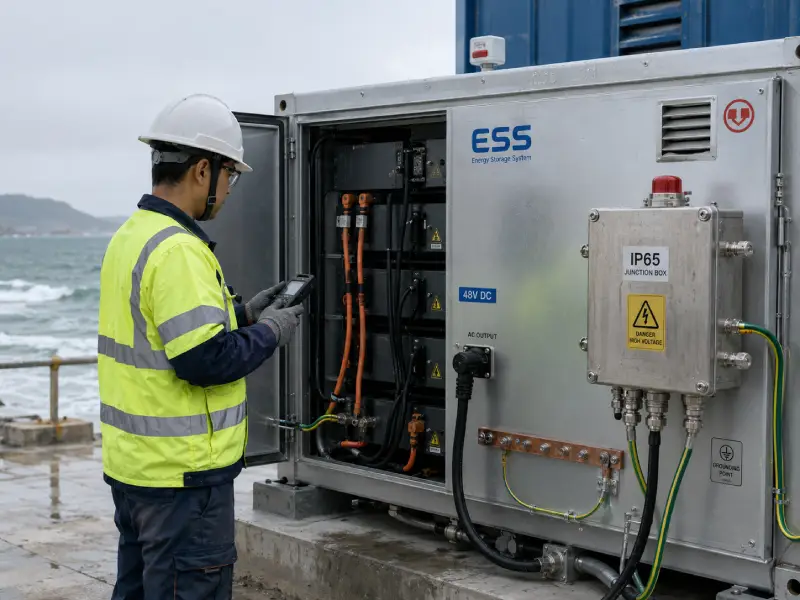
Expert Tip: How EPC Buyers Evaluate a Portable Power Station Manufacturer
Before cooperating with a portable power station supplier, EPC companies and distributors should evaluate the manufacturer’s complete production capability instead of focusing only on product price.
Key evaluation factors include:
- Battery sourcing and inspection procedures
- Manufacturing process control
- Testing capability
- Customization support
- Technical communication efficiency
A manufacturer with strong engineering support can help partners reduce supply chain uncertainty and improve long-term project reliability.
SolarDyna focuses on engineering-driven energy storage solutions, combining battery integration, product development, and manufacturing quality control to support global energy partners.
Complete Portable Power Station Manufacturing Process Explained
Understanding the complete production workflow helps buyers identify whether a supplier has genuine manufacturing capability or only basic assembly capacity.
A professional production line normally covers the entire journey from incoming material inspection to final product testing.
Step 1 — Battery Cell Incoming Inspection and Quality Control
The manufacturing process begins with incoming quality inspection, also known as IQC.
Before battery cells enter production, manufacturers typically perform inspection procedures to verify:
- Appearance condition
- Voltage consistency
- Capacity performance
- Internal resistance characteristics
- Supplier documentation compliance
This step helps prevent unsuitable materials from entering the production process and supports better product consistency.
Step 2 — Battery Pack Assembly Process
During battery pack assembly, cells are combined into a complete energy storage module according to the product design requirements.
Important manufacturing considerations include:
- Electrical connection reliability
- Structural stability
- Protection design
- Assembly accuracy
A well-designed battery pack provides the foundation for stable charging and discharging performance.
Step 3 — BMS Integration and Intelligent Battery Management
The battery management system is a core component of a modern portable energy storage product.
A properly integrated BMS helps monitor and manage battery operation through functions such as:
- Overcharge protection
- Over-discharge protection
- Temperature monitoring
- Current management
- Cell balancing
For a portable power station manufacturer, matching the BMS with the battery chemistry and power system is essential for achieving safe and reliable performance.
Step 4 — Inverter and Power System Integration
After completing the battery system and BMS integration, the next stage of the portable power station manufacturing process focuses on power conversion and energy management system integration.
A portable power station is designed to provide usable electricity by converting stored battery energy into different output formats required by end users.
The power system usually includes:
- AC inverter system
- DC output module
- USB charging interfaces
- Solar charging input
- Power control circuits
For professional applications, the inverter is a critical component because it directly affects output stability, compatibility, and user experience.
A reliable manufacturing process requires engineers to verify the interaction between the battery system, inverter, and control software before entering mass production.
Step 5 — Structural Assembly and Thermal Management Design
Mechanical design is another important part of portable energy storage manufacturing.
Although electrical performance is essential, long-term reliability also depends on how effectively the product manages heat, protects internal components, and withstands environmental conditions.
During structural assembly, manufacturers typically focus on:
- Internal component arrangement
- Heat dissipation pathways
- Housing protection
- Connector positioning
- Mechanical durability
A well-designed enclosure helps protect internal electronic components while supporting stable operation under different working conditions.
For distributors and EPC partners, mechanical engineering capability is an important indicator when selecting an energy storage supplier because it influences product reliability after deployment.
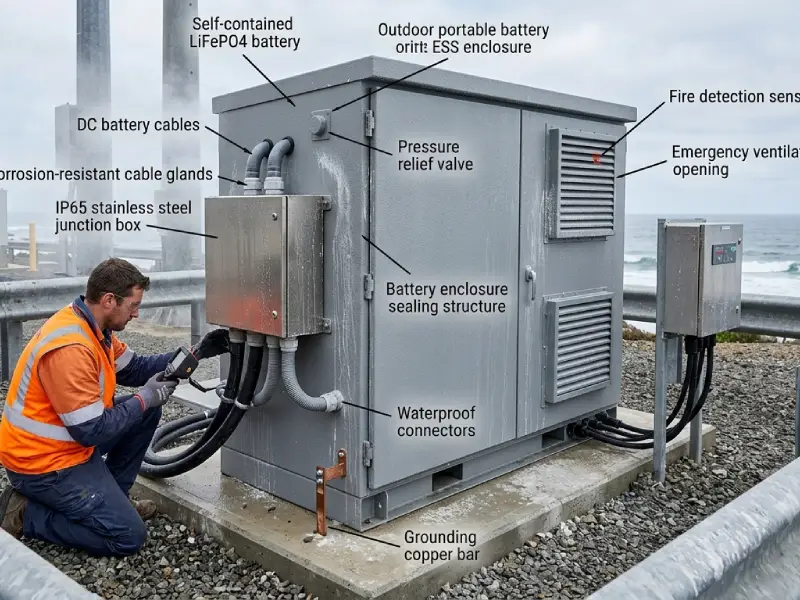
Quality Control System Inside a Portable Power Station Factory
A professional portable power station factory does not rely on final inspection alone. Quality must be controlled throughout the entire manufacturing process.
For B2B buyers, a supplier’s quality management system demonstrates whether the company can consistently deliver products that meet project requirements.
A complete quality control system usually includes incoming material inspection, process monitoring, electrical testing, safety verification, and final product evaluation.
Electrical Performance Testing Before Shipment
Electrical testing verifies whether the finished product performs according to the designed specifications.
Common testing procedures may include:
- Charging performance testing
- Discharging performance testing
- Output stability testing
- Power conversion verification
- Load simulation testing
These tests help identify potential issues before products leave the production facility.
For commercial buyers, consistent testing procedures reduce the risk of unexpected failures after products enter the market.
Safety Verification and Protection Testing
Safety is one of the most important considerations in lithium battery energy storage products.
A qualified portable battery generator manufacturer typically verifies whether the system protection functions operate correctly.
Safety-related checks may include:
- Over-current protection verification
- Short circuit protection testing
- Temperature monitoring verification
- Abnormal operation evaluation
These protection systems are designed to improve operational safety and provide users with a more reliable energy solution.
Aging Test and Production Consistency Control
Before shipment, many manufacturers perform aging tests to evaluate product stability under operating conditions.
The purpose of aging verification is to identify potential issues related to:
- Component interaction
- Electrical stability
- System response
- Manufacturing consistency
Aging evaluation is especially important for B2B projects because distributors and EPC companies require predictable product performance across different batches.
How to Evaluate a Portable Power Station Manufacturer Before Cooperation
Selecting a supplier is a strategic decision for companies building long-term energy storage businesses.
A low-cost supplier may provide short-term purchasing advantages, but an engineering-focused manufacturer can create greater value through stable quality, technical support, and supply chain reliability.
Evaluate Manufacturing Capability and Production Control
When reviewing a potential supplier, procurement teams should examine whether the manufacturer has a complete production system.
Important evaluation areas include:
- Production workflow management
- Quality inspection procedures
- Engineering support capability
- Customization experience
- Production communication efficiency
A supplier with controlled manufacturing processes can better support large-scale distribution and project-based energy applications.
Review Product Customization Capability
Different markets often require different configurations.
A capable OEM portable power station manufacturer should be able to support customized requirements such as:
- Battery capacity options
- Output interface configurations
- Charging solutions
- Industrial design adjustments
- Packaging requirements
Customization capability allows distributors and brands to develop products that better match their target markets.
Assess Technical Communication and Long-Term Support
For B2B cooperation, technical communication is often as important as product quality.
During product development and deployment, partners may need support related to:
- Product specifications
- Application scenarios
- Installation guidance
- After-sales solutions
A manufacturer that understands engineering requirements can help partners reduce project risks and improve customer satisfaction.
OEM Portable Power Station Manufacturing for Global Energy Partners
As the energy storage market becomes more specialized, many distributors and solution providers prefer working directly with manufacturers that provide OEM and customized production services.
An experienced portable power station factory can help partners transform product concepts into scalable commercial solutions.
OEM Solutions for Different Application Requirements
OEM cooperation allows businesses to develop products according to their market positioning and customer needs.
Common customization areas include:
- Product capacity configuration
- Output power design
- Charging compatibility
- Appearance customization
- Brand packaging
This approach helps distributors create differentiated products while maintaining professional manufacturing support.
Supporting Solar and Energy Storage Integration
With the growth of renewable energy adoption, portable power stations are increasingly connected with solar charging systems.
Manufacturers with energy storage experience can help partners develop solutions suitable for:
- Outdoor power applications
- Emergency backup scenarios
- Mobile energy systems
- Small-scale solar applications
This integration capability allows portable energy products to become part of broader clean energy solutions.
Why Choose SolarDyna as Your Portable Power Station Manufacturing Partner
For global distributors, EPC contractors, and energy solution providers, choosing the right manufacturing partner is not only about purchasing products. It is about building a stable and reliable energy storage supply chain.
A professional portable power station factory should provide more than production capacity. It should combine engineering knowledge, manufacturing control, quality management, and responsive technical support.
SolarDyna focuses on developing and delivering reliable energy storage solutions by integrating battery technology, system design capabilities, and manufacturing expertise.
Through an engineering-driven approach, SolarDyna supports partners who require dependable portable energy solutions for different applications and markets.
Engineering-Driven Manufacturing Approach
Modern energy storage products require cooperation between multiple engineering disciplines.
The manufacturing process involves coordination between:
- Battery engineering
- Electrical system design
- Power conversion technology
- Thermal management
- Product reliability verification
By focusing on the complete product lifecycle, manufacturers can better control quality from initial design to final shipment.
For B2B customers, this engineering approach creates greater confidence when developing long-term product strategies.
Supporting Customized Energy Storage Solutions
Different markets have different requirements for portable energy systems.
Distributors may require specific product configurations, while EPC companies may focus more on compatibility, reliability, and deployment efficiency.
A flexible manufacturing partner can support customization related to:
- Product specifications
- Battery configuration
- Output options
- User application scenarios
- Packaging requirements
This flexibility helps partners adapt products to changing market demands.
Portable Power Station Factory Evaluation Checklist for B2B Buyers
Before establishing cooperation, procurement teams can evaluate manufacturers through several key factors.
The following checklist helps buyers compare suppliers from an engineering and supply chain perspective.
| Evaluation Area | Why It Matters |
|---|---|
| Battery sourcing capability | Ensures stable material supply and product consistency |
| Manufacturing process control | Improves production reliability and reduces quality risks |
| Testing capability | Helps verify electrical performance and safety before shipment |
| Engineering support | Supports customization and technical problem solving |
| Communication efficiency | Improves cooperation during product development |
| After-sales support | Reduces operational risks after delivery |
Using a structured evaluation method helps companies avoid choosing suppliers based only on initial pricing.
The right manufacturer should provide long-term value through product stability, technical capability, and supply chain cooperation.
Common Questions About Portable Power Station Manufacturing
Q1. What is the manufacturing process of a portable power station?
The manufacturing process usually includes battery cell inspection, battery pack assembly, BMS integration, electrical system installation, structural assembly, performance testing, and final quality verification.
A professional portable power station manufacturer controls each stage to improve product reliability and consistency.
Q2. How does a portable power station factory ensure product quality?
Quality control starts from incoming material inspection and continues throughout production.
Manufacturers typically use process monitoring, electrical testing, safety verification, and final inspection procedures to ensure products meet design requirements.
Q3. Why is BMS important in portable energy storage products?
The battery management system plays an important role in monitoring battery operation and improving system protection.
It helps manage charging, discharging, temperature conditions, and battery balancing to support safer operation.
Q4. Can a portable power station manufacturer provide OEM solutions?
Many experienced manufacturers provide OEM services that allow partners to customize product specifications, capacity options, appearance design, and packaging according to market requirements.
OEM cooperation helps distributors and brands develop differentiated energy products.
Q5. What should distributors check before selecting a portable power station supplier?
Distributors should evaluate manufacturing capability, quality control systems, engineering support, customization ability, and long-term cooperation potential.
A supplier with strong technical capability can help reduce product risks and improve market competitiveness.
Building a Reliable Energy Storage Supply Chain with the Right Manufacturer
The manufacturing process behind a portable power station directly influences product reliability, customer satisfaction, and long-term business success.
For B2B buyers, the most valuable supplier is not necessarily the one offering the lowest initial price. It is the partner that can provide consistent quality, engineering support, and stable production capability.
From battery selection and system integration to testing and quality management, every manufacturing stage contributes to the final performance of the product.
By working with an experienced energy storage manufacturer, distributors, EPC companies, and solution providers can build stronger supply chains and deliver more reliable energy solutions to their customers.
Partner with SolarDyna for Customized Portable Power Solutions
Looking for a reliable manufacturing partner for portable energy storage products?
Contact SolarDyna to discuss your project requirements, product specifications, and OEM cooperation opportunities.
Request Manufacturing Information Today
Looking for a Reliable Portable Power Station Factory?
Choosing the right portable power station factory is essential for product reliability, supply chain stability, and long-term business growth. We provide OEM/ODM portable energy storage solutions with engineering support for distributors, EPC contractors, and energy solution providers.
✔ LiFePO4 battery integration with BMS and power system engineering
✔ OEM/ODM customization for global distributors and EPC projects
✔ Technical support for product configuration and energy applications
Discuss your portable energy storage project requirements with our engineering team and get a customized solution proposal.