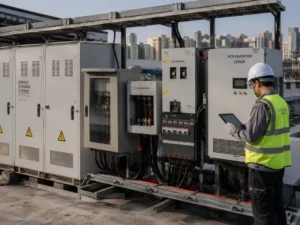
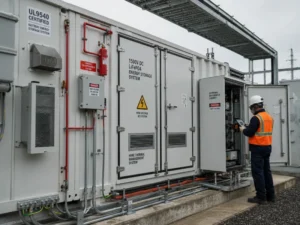
As energy storage systems become increasingly important in residential, commercial, and utility-scale renewable energy projects, solar battery maintenance has evolved from a simple operational task into a critical asset management strategy. For EPC contractors, system integrators, project developers, and procurement managers, effective solar battery maintenance directly influences project profitability, battery replacement costs, system reliability, and long-term return on investment.
While battery technology continues to advance, even the most sophisticated lithium battery systems require proper operating conditions, routine inspection, and intelligent monitoring to achieve their expected service life. Poor maintenance practices can significantly accelerate capacity degradation, reduce cycle life, increase downtime, and ultimately shorten the economic lifespan of an energy storage project.
For many commercial and industrial ESS projects, battery systems represent the single most expensive component of the installation. As a result, understanding how professional operators maintain battery health is no longer optional—it is a fundamental requirement for maximizing asset value and ensuring long-term project success.
In this guide, we will explore the engineering principles behind battery longevity, examine the most common causes of premature battery failure, and provide practical maintenance strategies that can help extend the lifespan of modern solar batteries, particularly LiFePO4 energy storage systems.
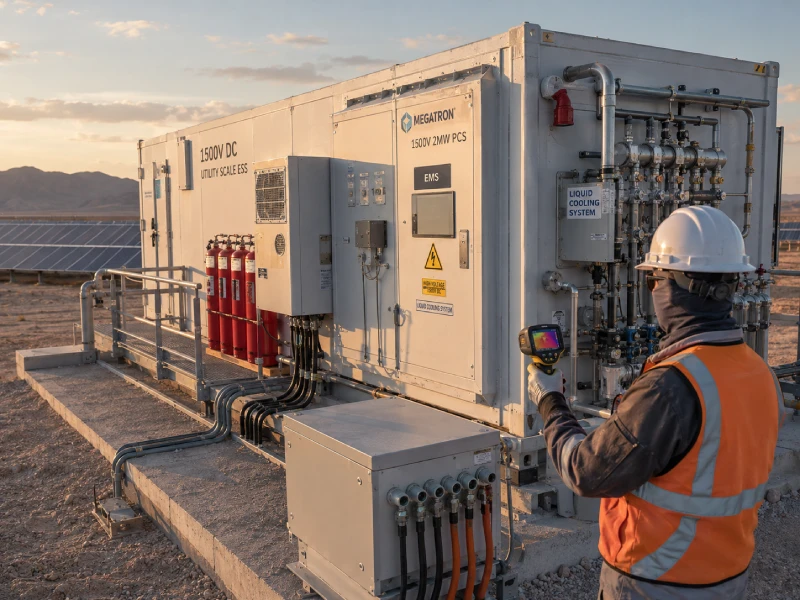
Why Solar Battery Maintenance Has Become a Critical Issue in Modern ESS Projects
The global energy storage industry has experienced extraordinary growth over the past decade. Declining battery costs, supportive government policies, and increasing renewable energy penetration have accelerated ESS deployment across residential, commercial, industrial, and utility-scale applications.
However, as battery technology matures, project owners are increasingly shifting their focus from initial capital expenditure to lifecycle performance. The question is no longer simply:
“How much does the battery cost?”
Instead, professional buyers are asking:
- How long will the battery actually last?
- How can battery degradation be minimized?
- What maintenance strategy delivers the lowest total cost of ownership?
- How can unexpected battery failures be prevented?
- How can operational reliability be maintained over 10–20 years?
These questions are particularly important because battery systems often account for 40%–60% of the total investment cost of a commercial energy storage project. Even a modest improvement in battery lifespan can generate substantial financial benefits throughout the life of the system.
For example, extending battery service life from 10 years to 12 years may deliver greater financial value than achieving a small reduction in initial procurement cost. This is why experienced EPC contractors and ESS operators increasingly prioritize battery health management alongside equipment selection.
The Financial Impact of Battery Degradation
Battery degradation is a natural process that occurs as cells experience repeated charging and discharging cycles. Over time, chemical changes inside the battery reduce its ability to store and deliver energy.
As degradation progresses, project owners may experience:
- Reduced usable energy capacity
- Lower system efficiency
- Increased operational costs
- Reduced backup power duration
- More frequent maintenance interventions
- Earlier battery replacement requirements
For commercial ESS operators, these performance losses can directly impact project revenue and investment returns. Consequently, battery maintenance should be viewed as a strategic business function rather than a routine operational task.
Understanding Solar Battery Lifespan and Performance Expectations
Before discussing maintenance procedures, it is essential to understand how battery lifespan is measured and what factors influence long-term performance.
Cycle Life vs Service Life
Many buyers mistakenly assume that battery lifespan refers only to the number of years a battery can remain installed. In reality, two different metrics are commonly used:
- Cycle Life: The number of charge-discharge cycles a battery can complete before reaching a specified remaining capacity.
- Service Life: The total number of years the battery remains operational under normal conditions.
A battery may remain operational for many years while gradually losing capacity. Therefore, understanding both metrics is important when evaluating long-term performance.
Expected Lifespan of Different Solar Battery Technologies
| Battery Technology | Typical Cycle Life | Expected Service Life | Maintenance Requirements |
|---|---|---|---|
| Flooded Lead-Acid | 500–1,200 Cycles | 3–5 Years | High |
| AGM Battery | 600–1,500 Cycles | 4–6 Years | Moderate |
| Gel Battery | 800–2,000 Cycles | 5–8 Years | Moderate |
| NMC Lithium Battery | 3,000–6,000 Cycles | 8–12 Years | Low |
| LiFePO4 Battery | 6,000–12,000+ Cycles | 10–20 Years | Very Low |
Although modern lithium batteries require significantly less maintenance than traditional lead-acid technologies, they are not maintenance-free. Proper battery care remains essential for maximizing cycle life and preserving system performance.
Understanding the Main Types of Solar Batteries
Different battery technologies have unique operating characteristics, maintenance requirements, and lifespan expectations. Understanding these differences helps project owners develop the most effective maintenance strategy.
Lead-Acid Solar Batteries
Lead-acid batteries have been used in solar energy systems for decades and remain common in certain off-grid applications. Their relatively low upfront cost makes them attractive for some budget-sensitive projects.
Common lead-acid battery types include:
- Flooded Lead-Acid Batteries
- Absorbent Glass Mat (AGM) Batteries
- Gel Batteries
However, these technologies require considerably more maintenance than lithium alternatives.
Typical maintenance activities include:
- Checking electrolyte levels
- Cleaning battery terminals
- Preventing sulfation
- Performing equalization charging
- Monitoring corrosion
Failure to perform these maintenance tasks can significantly shorten battery lifespan.
Lithium-Ion Solar Batteries
Lithium-ion batteries have become the preferred solution for modern energy storage applications due to their superior energy density, higher efficiency, longer cycle life, and reduced maintenance requirements.
The most common lithium chemistries used in solar applications include:
- Lithium Iron Phosphate (LiFePO4)
- Lithium Nickel Manganese Cobalt Oxide (NMC)
Both technologies offer significant advantages over lead-acid batteries, although LiFePO4 chemistry has become particularly popular for stationary energy storage due to its safety profile and exceptional lifespan.
Why LiFePO4 Batteries Require Less Maintenance
LiFePO4 batteries are widely recognized as one of the most reliable energy storage technologies available today.
Several characteristics contribute to their low maintenance requirements:
- Excellent thermal stability
- Low self-discharge rates
- High cycle life performance
- Minimal memory effect
- Integrated Battery Management Systems (BMS)
- Enhanced safety under demanding operating conditions
For commercial ESS projects, these advantages translate into lower operating costs and reduced maintenance workloads over the life of the installation.
Nevertheless, long lifespan does not occur automatically. Proper operating practices remain essential for protecting battery health and achieving maximum return on investment.
Key Factors That Affect Solar Battery Lifespan
Regardless of battery chemistry, several operating variables have a significant influence on long-term performance. Understanding these factors allows project owners to implement more effective maintenance strategies and reduce unnecessary degradation.
Depth of Discharge (DoD)
Depth of Discharge, commonly referred to as DoD, measures the percentage of battery capacity that has been used during a discharge cycle.
For example:
- 20% DoD means only a small portion of the battery’s capacity has been used.
- 80% DoD means most of the battery’s stored energy has been discharged.
Although modern lithium batteries can safely operate at higher DoD levels than lead-acid batteries, deeper discharge cycles generally accelerate long-term wear.
Professional ESS operators often optimize battery dispatch strategies to balance usable energy output with cycle life preservation.
Operating Temperature
Temperature is one of the most influential factors affecting battery aging.
Excessive heat accelerates chemical degradation inside battery cells, reducing both capacity retention and cycle life.
Common consequences of prolonged high-temperature operation include:
- Faster capacity loss
- Increased internal resistance
- Reduced charging efficiency
- Higher risk of component failure
- Shortened overall service life
Conversely, extremely low temperatures can reduce available capacity and limit charging performance.
Maintaining batteries within manufacturer-recommended temperature ranges is therefore one of the most effective battery maintenance practices available.“` “`html
Charging and Discharging Practices
Charging and discharging behavior has a direct impact on battery health throughout its lifecycle. While modern Battery Management Systems (BMS) provide substantial protection against misuse, poor operational strategies can still accelerate degradation and reduce long-term performance.
Several operational habits commonly shorten battery lifespan:
- Repeated full discharges to extremely low State of Charge (SOC)
- Frequent operation at maximum charge levels for extended periods
- Excessive charging currents beyond recommended specifications
- High-rate discharge events that generate unnecessary heat
- Continuous cycling without adequate thermal management
For commercial and industrial ESS applications, many operators intentionally configure battery dispatch strategies to maintain operation within a preferred SOC window rather than repeatedly cycling between 0% and 100%.
Although exact recommendations vary by manufacturer and application, maintaining moderate operating ranges often helps reduce stress on battery cells and improve long-term capacity retention.
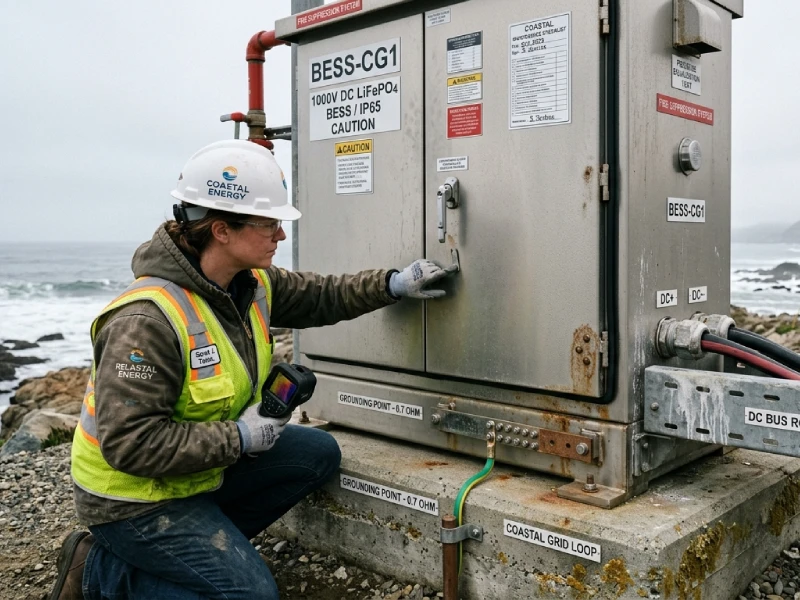
Installation Environment
Even high-quality batteries can experience premature aging if installed in unfavorable environmental conditions.
Common environmental risks include:
- High humidity levels
- Poor ventilation
- Excessive dust accumulation
- Salt spray exposure in coastal regions
- Direct solar radiation on battery enclosures
- Water ingress and condensation
For outdoor energy storage systems, enclosure design plays a critical role in protecting battery assets. Proper ingress protection ratings, thermal management systems, ventilation pathways, and corrosion-resistant materials can significantly influence long-term reliability.
Experienced EPC contractors understand that battery lifespan is not determined solely by cell quality. Installation quality and environmental management often have an equally significant impact on project performance.
The Most Common Causes of Premature Solar Battery Failure
Many battery failures that occur in commercial ESS projects are not caused by manufacturing defects. Instead, they are often the result of preventable operational and maintenance issues.
Understanding the root causes of premature battery failure allows project owners to implement proactive measures before serious degradation occurs.
Excessive Heat Exposure
Among all operational variables, heat is arguably the most destructive factor affecting battery longevity.
When battery temperatures remain elevated for extended periods, chemical reactions inside the cells accelerate. This process increases degradation rates and gradually reduces available capacity.
Typical causes of excessive battery temperature include:
- Inadequate ventilation design
- Blocked airflow pathways
- High ambient temperatures
- Oversized charging currents
- Poor enclosure thermal management
In utility-scale projects, thermal management systems are often monitored continuously because even small temperature increases can significantly influence battery aging over thousands of cycles.
Frequent Deep Discharge Events
Repeated deep discharge cycles place additional stress on battery cells.
Although LiFePO4 batteries tolerate deeper discharge levels better than lead-acid technologies, continuously operating near minimum SOC limits can still accelerate long-term wear.
Professional operators often establish reserve energy margins to reduce unnecessary stress and preserve usable battery capacity over time.
Cell Imbalance
Battery packs consist of multiple cells connected together. Over time, slight variations between cells may develop due to manufacturing tolerances, operating conditions, and aging characteristics.
If these differences are not properly managed, cell imbalance can gradually worsen.
Potential consequences include:
- Reduced usable capacity
- Uneven charging behavior
- Higher operating temperatures
- Premature triggering of protection systems
- Accelerated degradation of weaker cells
Modern BMS platforms continuously monitor cell voltages and help maintain balance across the battery pack. However, regular system reviews remain important for identifying developing issues.
Poor Installation Practices
Improper installation continues to be a major contributor to battery-related problems across the industry.
Examples include:
- Loose electrical connections
- Incorrect cable sizing
- Improper grounding practices
- Insufficient airflow clearances
- Improper enclosure positioning
These issues may not cause immediate failures but often contribute to long-term reliability problems that become apparent years later.
Inadequate Battery Monitoring
Many maintenance teams still rely heavily on periodic visual inspections while overlooking valuable operational data generated by modern ESS platforms.
Without continuous monitoring, early warning signs often go unnoticed until significant performance degradation has already occurred.
Examples of critical indicators include:
- Cell voltage deviations
- Temperature distribution changes
- Increasing internal resistance
- Abnormal charging behavior
- Unexpected capacity loss trends
Projects that leverage real-time monitoring systems generally identify potential problems earlier and experience fewer unplanned outages.
Recommended Solar Battery Maintenance Schedule
One of the most effective ways to improve battery longevity is to establish a structured maintenance program. Rather than responding only when problems arise, successful ESS operators implement routine inspections throughout the system lifecycle.
The following maintenance schedule provides a general framework commonly used in commercial and industrial energy storage projects.
| Maintenance Task | Monthly | Quarterly | Annually |
|---|---|---|---|
| Visual Inspection | ✓ | ✓ | ✓ |
| Review BMS Data | ✓ | ✓ | ✓ |
| Temperature Analysis | ✓ | ✓ | ✓ |
| Terminal Inspection | ✓ | ✓ | |
| Connection Torque Verification | ✓ | ✓ | |
| Firmware Update Review | ✓ | ✓ | |
| Capacity Assessment | ✓ | ||
| Comprehensive System Audit | ✓ |
Actual maintenance frequency should always follow manufacturer recommendations and project-specific operating requirements.
Essential Solar Battery Inspection Checklist
Routine inspections provide opportunities to identify minor issues before they evolve into major operational problems.
During scheduled inspections, maintenance personnel should evaluate the following areas:
Battery Enclosure Condition
- Physical damage
- Corrosion signs
- Water ingress indicators
- Ventilation obstruction
- Cabinet sealing integrity
Electrical Connections
- Loose terminals
- Discoloration caused by heat
- Corrosion formation
- Cable insulation condition
- Grounding system integrity
BMS Alarm Review
- Historical alarm records
- Temperature warnings
- Voltage imbalance events
- Communication errors
- Protection system activations
Thermal Performance Evaluation
- Maximum operating temperature
- Minimum operating temperature
- Temperature distribution patterns
- Cooling system functionality
- Airflow effectiveness
Consistent inspection procedures improve operational reliability while supporting warranty compliance requirements.
Best Practices for Maintaining LiFePO4 Solar Batteries
Although LiFePO4 batteries require less maintenance than traditional lead-acid systems, several best practices can help maximize lifespan and maintain optimal performance.
Maintain Appropriate State of Charge Levels
Keeping batteries within recommended SOC ranges can help reduce long-term stress.
Many ESS operators avoid maintaining batteries at maximum charge levels for prolonged periods unless operational requirements specifically demand it.
Strategic SOC management often contributes to improved capacity retention over the life of the battery.
Implement Effective Thermal Management
Thermal management should be viewed as a core component of battery maintenance rather than a secondary design consideration.
Effective thermal strategies may include:
- Forced-air cooling systems
- Liquid cooling technologies
- Optimized airflow pathways
- Temperature monitoring sensors
- Climate-controlled battery rooms
The objective is not simply preventing overheating but maintaining consistent operating temperatures across all battery modules.
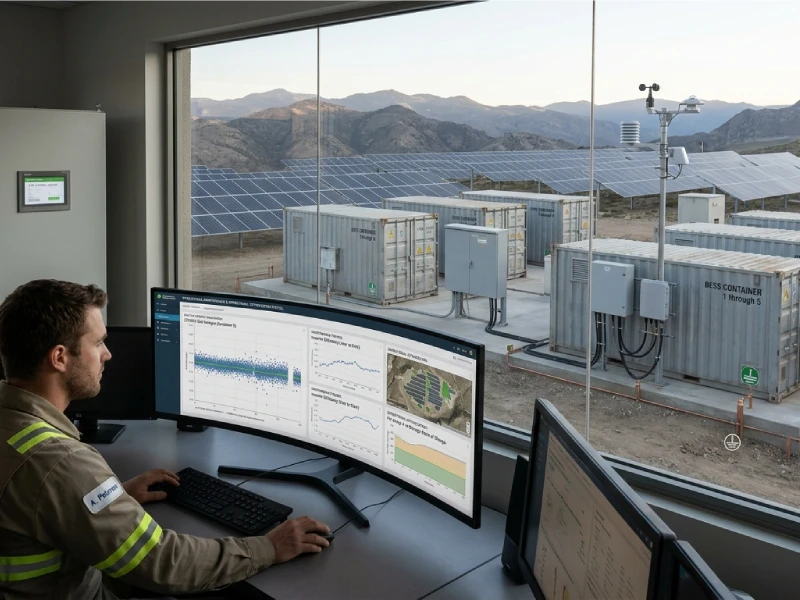
Utilize Remote Monitoring Platforms
Modern ESS installations generate large amounts of operational data that can be used to improve maintenance effectiveness.
Remote monitoring platforms allow operators to:
- Track system performance in real time
- Analyze historical trends
- Identify abnormal operating conditions
- Optimize maintenance scheduling
- Reduce unnecessary site visits
For geographically distributed projects, remote diagnostics can substantially reduce operational costs while improving system visibility.
Expert Tip: Monitor Temperature Differential, Not Just Temperature
One of the most overlooked indicators of battery health is temperature differential between battery modules.
Many operators focus exclusively on absolute temperature values. However, experienced battery engineers often pay closer attention to temperature variation throughout the battery system.
For example, a battery cabinet operating at 30°C may initially appear normal. However, if one module consistently operates several degrees warmer than surrounding modules, it could indicate:
- Restricted airflow
- Cooling system imbalance
- Abnormal internal resistance
- Developing cell degradation
- Electrical connection issues
In many cases, temperature differential analysis identifies potential failures earlier than traditional alarm thresholds.
This is why advanced ESS operators increasingly incorporate thermal trend analysis into predictive maintenance programs.
Maintenance Considerations When Selecting a Solar Battery Supplier
Many energy storage buyers focus primarily on battery price during procurement. While capital expenditure remains an important factor, experienced EPC contractors and asset owners understand that the true cost of a battery system extends far beyond its initial purchase price.
A battery may appear cost-effective during procurement but become significantly more expensive over its operational lifetime if it requires excessive maintenance, experiences frequent failures, or lacks adequate technical support.
For this reason, maintenance considerations should be incorporated into supplier evaluation processes from the beginning of a project.
Evaluate Battery Management System Capabilities
The Battery Management System (BMS) serves as the intelligence layer of a modern energy storage system. It continuously monitors battery health, protects against unsafe operating conditions, and provides valuable diagnostic information.
When evaluating battery suppliers, decision-makers should assess:
- Cell-level monitoring capabilities
- Balancing functionality
- Temperature monitoring accuracy
- Alarm management features
- Historical data storage capacity
- Remote diagnostics functionality
- Firmware update support
A sophisticated BMS not only improves safety but also helps maintenance teams identify developing issues before they impact system performance.
Assess Remote Monitoring and Data Accessibility
As energy storage deployments become larger and more geographically distributed, remote monitoring capabilities have become increasingly important.
Systems that provide comprehensive remote visibility allow operators to:
- Monitor battery health in real time
- Reduce site inspection frequency
- Identify performance anomalies early
- Improve maintenance planning
- Optimize asset utilization
For fleet operators managing multiple installations across different locations, centralized monitoring platforms can significantly reduce operational expenses.
Review Service and Technical Support Capabilities
Battery maintenance extends beyond hardware design. The supplier’s ability to provide technical support throughout the system lifecycle can substantially influence project outcomes.
Important evaluation criteria include:
- Engineering support availability
- Response times for technical inquiries
- Commissioning assistance
- Documentation quality
- Training programs
- Spare parts availability
- Warranty service procedures
Strong after-sales support often becomes increasingly valuable as systems age and operational requirements evolve.
Consider Future Scalability and Serviceability
Energy storage projects frequently expand over time. Therefore, maintenance planning should account for future growth.
Questions worth asking include:
- Can battery modules be replaced individually?
- Is future capacity expansion supported?
- Are replacement components readily available?
- Will monitoring platforms support larger installations?
- Can maintenance procedures be standardized across projects?
Scalable architectures often simplify long-term operations and reduce lifecycle costs.
How Advanced BMS Technology Reduces Lifetime Maintenance Costs
The evolution of battery management technology has fundamentally changed how energy storage systems are maintained.
Historically, maintenance relied heavily on periodic inspections and manual testing. Modern systems increasingly leverage continuous monitoring and predictive analytics to improve operational efficiency.
From Reactive Maintenance to Predictive Maintenance
Traditional maintenance models often follow a reactive approach:
- A fault occurs.
- The issue is investigated.
- Repairs are performed.
While effective in some situations, this approach may result in:
- Unexpected downtime
- Emergency service costs
- Reduced system availability
- Accelerated component wear
Predictive maintenance operates differently.
Instead of waiting for failures to occur, operators analyze performance indicators to identify emerging risks before they become critical.
Common predictive indicators include:
- Cell voltage divergence
- Temperature trend deviations
- Abnormal charge acceptance patterns
- Internal resistance growth
- State of Health (SOH) decline rates
This approach allows maintenance resources to be deployed more efficiently while reducing operational disruptions.
The Role of Data in Battery Health Management
Modern ESS installations generate large volumes of operational data every day.
When properly analyzed, this information can provide valuable insights into:
- Battery aging behavior
- Environmental impacts
- Operational efficiency
- Maintenance priorities
- Future replacement planning
As battery systems continue to grow in scale, data-driven maintenance strategies are becoming a standard practice among leading energy storage operators.
Example Scenario: Extending ESS Service Life Through Better Maintenance Practices
Consider a commercial energy storage installation operating in a warm climate with daily cycling requirements.
During the first year of operation, maintenance personnel observed that several battery modules consistently reported higher temperatures than surrounding units.
Although the temperatures remained within acceptable operating limits, trend analysis revealed a persistent thermal imbalance.
Further investigation identified restricted airflow within a section of the battery enclosure.
Corrective actions included:
- Improving ventilation pathways
- Adjusting airflow distribution
- Updating monitoring thresholds
- Enhancing inspection procedures
Following these improvements, temperature consistency improved across the battery system and long-term degradation trends stabilized.
This example highlights an important principle:
Battery maintenance is most effective when it focuses on identifying early indicators rather than responding only after performance issues become visible.
Many of the most successful ESS operators adopt this proactive mindset because it helps preserve battery health while reducing lifecycle costs.
Why EPC Contractors and System Integrators Prioritize Long-Life Battery Solutions
Battery maintenance does not begin after installation. It begins during system design and equipment selection.
EPC contractors increasingly recognize that battery architecture, thermal management, monitoring capabilities, and engineering quality all influence future maintenance requirements.
As a result, procurement decisions increasingly prioritize long-term reliability rather than focusing solely on upfront pricing.
Key selection criteria commonly include:
- Long cycle life performance
- Advanced BMS architecture
- Integrated monitoring functionality
- Thermal management effectiveness
- Serviceability and scalability
- Supplier technical expertise
- Long-term support capabilities
Projects designed around these principles often achieve lower total cost of ownership while maintaining higher system availability throughout their operational life.
Why Solardyna Supports Long-Term Energy Storage Reliability
At Solardyna, battery reliability is approached from a lifecycle perspective rather than a product-only perspective.
The objective is not simply to deliver battery capacity on the day of installation, but to support stable system performance throughout years of operation.
Engineering-Focused Product Development
Long-term reliability begins with engineering design.
Battery architecture, thermal management strategies, enclosure design, and monitoring systems all influence future maintenance requirements.
By focusing on operational durability, energy storage systems can better withstand demanding commercial and industrial environments.
Advanced Battery Monitoring Capabilities
Comprehensive battery monitoring enables operators to maintain visibility into critical performance indicators.
This helps support:
- Early anomaly detection
- Improved maintenance planning
- Enhanced operational efficiency
- Reduced unexpected downtime
Support for Commercial and Industrial Applications
Energy storage requirements vary significantly across projects.
Commercial facilities, industrial sites, renewable energy installations, and backup power systems all present unique operating conditions.
Flexible system architectures and engineering support help ensure that maintenance strategies align with project-specific requirements.
Suggested Image Placement
Insert image: Commercial ESS Battery Cabinet Installation
Suggested Caption:
“Engineering-focused battery design and intelligent monitoring help support long-term operational reliability.”
Frequently Asked Questions About Solar Battery Maintenance
Q1. How often should solar batteries be maintained?
Maintenance frequency depends on battery technology, operating conditions, and system size. Commercial ESS installations typically combine continuous monitoring with scheduled inspections performed monthly, quarterly, and annually.
Q2. Do LiFePO4 batteries require maintenance?
Yes. Although LiFePO4 batteries require less maintenance than lead-acid batteries, periodic inspections, BMS reviews, thermal management assessments, and performance monitoring remain important for maximizing lifespan.
Q3. What is the most common cause of battery degradation?
Several factors contribute to degradation, including high temperatures, excessive cycling, deep discharge events, poor ventilation, and inadequate monitoring. Among these, prolonged heat exposure is often one of the most significant contributors.
Q4. Can battery monitoring reduce maintenance costs?
Yes. Real-time monitoring helps identify developing issues earlier, allowing maintenance teams to address problems before they become more costly or disruptive.
Q5. How long do commercial solar batteries typically last?
Lifespan varies depending on technology and operating conditions. Modern LiFePO4 systems commonly achieve service lives exceeding ten years, while some well-maintained systems may operate significantly longer.
Q6. Why is temperature monitoring so important?
Temperature strongly influences battery aging rates. Maintaining stable operating temperatures helps preserve capacity, improve efficiency, and extend overall battery lifespan.
Conclusion
Effective solar battery maintenance is one of the most important factors influencing long-term energy storage performance.
Whether managing residential backup systems, commercial ESS installations, or utility-scale storage projects, operators who prioritize battery health consistently achieve better lifecycle outcomes.
The most successful maintenance strategies combine:
- Routine inspections
- Intelligent monitoring
- Thermal management optimization
- Predictive maintenance practices
- Data-driven decision making
As energy storage deployments continue to expand worldwide, maintenance excellence will increasingly become a competitive advantage for project owners, EPC contractors, and system operators seeking to maximize asset value and long-term reliability.
Want to Extend Battery Lifespan and Reduce ESS Maintenance Costs?
Effective solar battery maintenance starts with the right battery architecture, intelligent BMS monitoring, and proper thermal management. Solardyna helps EPC contractors, system integrators, and project developers deploy long-life LiFePO4 energy storage solutions designed for reliable operation and simplified maintenance.
✔ Advanced BMS monitoring for predictive maintenance and fault detection
✔ Engineering support for battery sizing, thermal management, and system integration
✔ Reliable ESS solutions designed to lower lifecycle costs and maximize ROI
Speak with our energy storage specialists for a custom battery solution and lifecycle optimization plan tailored to your project requirements.