The solar Africa market is entering a new phase of rapid transformation. Across the continent, governments, utilities, EPC contractors, and private investors are accelerating renewable energy deployment to address growing electricity demand, improve energy security, and reduce dependence on diesel generation. From large-scale commercial facilities and telecommunications infrastructure to agricultural irrigation and rural electrification, solar energy has become one of the most practical and cost-effective solutions for powering economic growth.
For engineering companies, procurement managers, and solar distributors, however, market opportunity is only one side of the equation. Delivering successful projects in Africa requires much more than selecting photovoltaic modules or battery products with competitive pricing. Environmental conditions, logistics, local regulations, grid stability, equipment reliability, and long-term technical support all influence the lifecycle performance of a solar power system. Choosing the right technology—and more importantly, the right manufacturing partner—can significantly reduce project risks while improving return on investment.
Unlike mature solar markets where stable utility grids are widely available, many African countries face unique energy challenges. According to publicly available data from international organizations such as the International Energy Agency (IEA), the International Renewable Energy Agency (IRENA), the World Bank, and the African Development Bank, hundreds of millions of people across Sub-Saharan Africa still lack access to reliable electricity. At the same time, Africa possesses some of the world’s highest solar irradiation levels, creating exceptional conditions for photovoltaic generation and battery energy storage deployment.
These market dynamics are driving demand for integrated energy solutions rather than standalone products. Commercial customers increasingly seek complete systems that combine high-efficiency solar panels, LiFePO4 battery storage, hybrid inverters, intelligent energy management, and remote monitoring capabilities. Whether the project involves a telecommunications tower in Kenya, an agricultural irrigation system in Tanzania, a mining operation in Zambia, or a commercial facility in South Africa, project owners expect dependable performance over many years while minimizing maintenance costs and operational downtime.
For EPC contractors and distributors, this changing landscape also creates new procurement priorities. Beyond evaluating product specifications, decision-makers are placing greater emphasis on engineering support, system customization, international certifications, manufacturing quality control, logistics capability, and after-sales technical service. Suppliers that provide comprehensive engineering collaboration throughout the project lifecycle are becoming increasingly valuable partners for large-scale renewable energy projects.
This comprehensive guide examines the current development of the African solar industry, analyzes the commercial applications driving market growth, explains how to select the most appropriate solar technologies for different project scenarios, and highlights the engineering considerations that influence long-term system performance. Rather than focusing solely on individual products, this article provides practical insights to help EPC contractors, distributors, and commercial buyers make informed procurement decisions based on real project requirements.
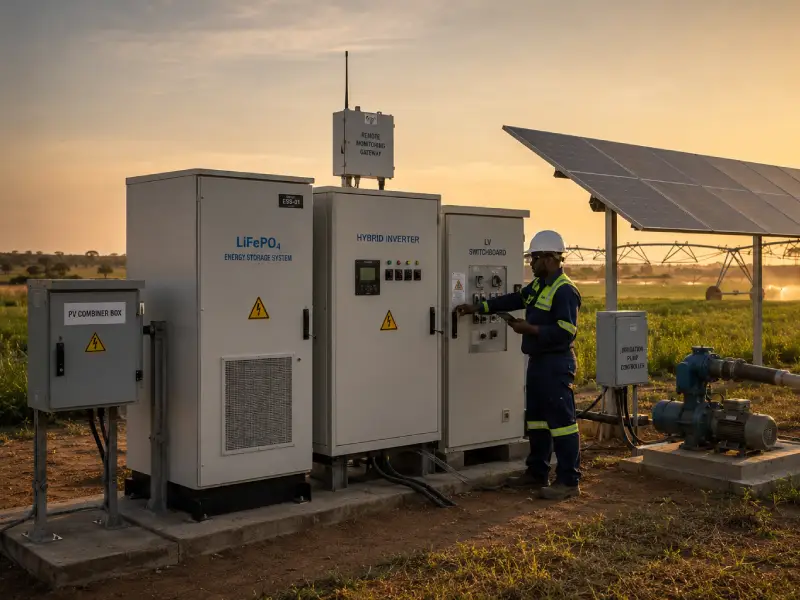
Why This Guide Matters for Commercial Solar Buyers
Many online articles discussing the African renewable energy industry focus primarily on market forecasts or government policies. While these topics are valuable, they often provide limited guidance for professionals responsible for planning, purchasing, and implementing commercial solar projects. Procurement managers need to understand supplier capabilities. EPC contractors require engineering support for system design and commissioning. Distributors seek reliable manufacturing partners capable of maintaining consistent product quality and delivery schedules.
This guide has been developed specifically for those commercial decision-makers. Instead of presenting general industry news, it focuses on practical engineering considerations, procurement strategies, technology selection, and supplier evaluation criteria relevant to real-world projects throughout Africa.
Who Should Read This Guide?
- EPC contractors developing commercial and industrial solar projects
- Renewable energy distributors seeking long-term manufacturing partners
- Procurement managers responsible for sourcing solar equipment
- Engineering consultants designing off-grid and hybrid systems
- Government agencies and development organizations supporting rural electrification
- Commercial investors evaluating renewable energy opportunities across Africa
What You Will Learn
- Why the African solar industry continues to attract global investment.
- Which commercial sectors present the strongest growth opportunities.
- How different solar system configurations meet different application requirements.
- Engineering challenges unique to African operating environments.
- How experienced EPC contractors evaluate potential manufacturing partners.
- Best practices for improving project reliability while reducing lifecycle costs.
Expert Tip
Many first-time project developers focus primarily on equipment pricing when evaluating suppliers. Experienced EPC contractors take a different approach. They assess the supplier’s engineering capabilities, documentation quality, environmental adaptation experience, production consistency, and long-term technical support. These factors often have a greater impact on project success than small differences in initial equipment costs, particularly for commercial systems expected to operate reliably for 20 years or longer.
Africa Solar Market Overview: Why the Solar Africa Market Has Become a Global Investment Hotspot
The solar Africa market has evolved from an emerging renewable energy sector into one of the world’s most promising destinations for commercial solar investment. Over the past decade, increasing electricity demand, rapid urbanization, declining photovoltaic costs, and stronger policy support have accelerated the deployment of both grid-connected and off-grid solar projects across the continent. For EPC contractors, distributors, and project developers, Africa is no longer viewed as a future opportunity—it is an active market where reliable engineering solutions and long-term partnerships are becoming increasingly valuable.
Unlike many mature energy markets, Africa presents a unique combination of abundant renewable resources and unmet electricity demand. According to the International Energy Agency (IEA), Africa possesses approximately 60% of the world’s best solar resources, yet accounts for only a small share of global installed solar photovoltaic capacity. This gap highlights not only the continent’s enormous renewable energy potential but also the significant opportunities available for companies capable of delivering dependable, cost-effective, and scalable solar solutions.
At the same time, the World Bank estimates that hundreds of millions of people in Sub-Saharan Africa still lack access to reliable electricity. Even in regions connected to national grids, frequent power interruptions, voltage instability, and increasing electricity costs continue to affect commercial operations. These challenges are encouraging businesses to invest in hybrid solar systems, commercial battery energy storage systems (ESS), and off-grid solar installations to improve energy security and reduce long-term operating costs.
For international suppliers, understanding these market conditions is essential. Successful projects are rarely driven by equipment pricing alone. Instead, long-term project performance depends on selecting technologies that match local operating environments, climate conditions, maintenance capabilities, and future expansion requirements.
Key Drivers Behind the Rapid Growth of the Africa Solar Industry
Several long-term structural trends continue to support the expansion of the African renewable energy sector. While these drivers vary from country to country, they collectively create a favorable environment for commercial solar investment and battery energy storage deployment.
- Rapid population growth increases electricity demand across residential, commercial, and industrial sectors.
- Urbanization creates additional pressure on aging electrical infrastructure.
- High diesel fuel costs make solar-plus-storage systems increasingly competitive.
- Declining photovoltaic module prices improve project economics.
- Growing investment from development finance institutions supports utility-scale and rural electrification projects.
- Corporate sustainability goals encourage businesses to reduce carbon emissions through renewable energy.
- Improved lithium battery technology enables reliable energy storage for commercial and off-grid applications.
For EPC contractors and procurement teams, these trends translate into sustained demand across multiple industries rather than dependence on a single project segment. This diversified demand helps create long-term business opportunities for manufacturers capable of supplying integrated energy solutions.
Why Solar Solutions Are Better Positioned Than Conventional Power Sources
Many commercial facilities across Africa continue to rely on diesel generators as their primary or backup power source. Although diesel generators provide immediate power, they expose businesses to fluctuating fuel prices, transportation challenges, regular maintenance requirements, and greenhouse gas emissions. Hybrid solar systems integrated with LiFePO4 battery storage provide an increasingly attractive alternative by lowering fuel consumption, reducing maintenance frequency, and improving operational reliability.
Advances in battery technology have further strengthened the business case for solar energy storage. Modern lithium iron phosphate batteries offer longer cycle life, improved thermal stability, and higher energy efficiency compared with many traditional battery technologies, making them particularly suitable for commercial applications operating under demanding environmental conditions.
Comparison: Diesel Generation vs. Hybrid Solar Energy Systems
| Evaluation Factor | Diesel Generator | Hybrid Solar + LiFePO₄ ESS |
|---|---|---|
| Fuel Requirement | Continuous diesel supply | Solar energy with optional grid or generator backup |
| Operating Cost | Generally higher over long-term operation | Lower operating costs after installation |
| Maintenance Frequency | Frequent servicing required | Relatively low routine maintenance |
| Environmental Impact | Higher emissions and noise | Low operational emissions and quieter operation |
| Power Reliability | Dependent on fuel availability | Enhanced through integrated battery storage |
High-Potential Solar Markets Across Africa
Although nearly every African country is expanding renewable energy investment, market maturity, electricity demand, regulatory frameworks, and commercial opportunities differ considerably. EPC contractors should evaluate each market according to project type, financing environment, and local energy policies rather than treating Africa as a single homogeneous market.
| Country | Primary Market Drivers | Typical Commercial Applications | Business Opportunity |
|---|---|---|---|
| South Africa | Commercial and industrial energy transition, grid instability | Factories, logistics parks, shopping centers, warehouses | Commercial ESS, Hybrid Solar Systems |
| Nigeria | Large population, unreliable electricity supply | Commercial buildings, hospitals, telecom infrastructure | Hybrid systems, battery storage, backup power |
| Kenya | Renewable energy investment and rural electrification | Telecommunications, agriculture, education | Off-grid and hybrid solar projects |
| Tanzania | Agricultural modernization | Irrigation, water pumping, farming cooperatives | Off-grid solar irrigation systems |
| Ghana | Commercial expansion and infrastructure investment | Commercial facilities, SMEs | Distributed solar systems |
| Zambia | Mining industry demand | Mining operations and worker facilities | Containerized battery energy storage |
| Mozambique | Infrastructure development | Coastal commercial projects | Corrosion-resistant solar systems |
| Uganda | Rural electrification initiatives | Healthcare, education, villages | Mini-grid and off-grid solar systems |
Expert Tip: Africa Is Not a Single Market
One of the most common mistakes made by first-time international suppliers is approaching Africa as a single market with identical technical requirements. In practice, project conditions vary significantly between countries and even between regions within the same country. Coastal installations may require enhanced corrosion resistance, mining projects often prioritize continuous power availability, while agricultural applications typically focus on seasonal load profiles and water pumping efficiency. Tailoring system design to local environmental and operational conditions is often more valuable than simply supplying standardized equipment.
Investment Trends Creating Long-Term Opportunities
The African renewable energy sector continues to attract investment from governments, multilateral development banks, private equity firms, utilities, and international infrastructure investors. Large-scale solar parks remain an important segment, but recent years have also seen strong growth in distributed commercial and industrial (C&I) solar projects, hybrid microgrids, telecom power systems, agricultural electrification, and commercial battery energy storage installations.
This diversification benefits equipment suppliers because it expands demand across multiple product categories, including photovoltaic modules, hybrid inverters, LiFePO4 batteries, intelligent energy management systems, mounting structures, monitoring platforms, and integrated ESS solutions. Rather than competing solely on hardware pricing, engineering-oriented manufacturers have greater opportunities to differentiate themselves through customized system design, technical documentation, application engineering, and lifecycle service support.
Why Solar Demand Is Accelerating Across Africa
The rapid expansion of the solar Africa market is not the result of a single policy or technology breakthrough. Instead, it is being driven by a combination of demographic growth, economic development, rising electricity demand, falling renewable energy costs, and continuous improvements in energy storage technologies. For EPC contractors, distributors, and commercial investors, understanding these market drivers is essential for identifying long-term business opportunities and selecting the right technical solutions for each application.
Unlike many developed regions where renewable energy is primarily introduced to reduce carbon emissions, solar projects across Africa are often developed to solve practical business challenges. Reliable electricity is directly linked to industrial productivity, agricultural output, healthcare services, education, telecommunications, and overall economic development. As electricity demand continues to outpace grid expansion in many regions, commercial organizations are increasingly investing in solar power systems that provide greater energy independence and predictable operating costs.
Growing Electricity Demand Continues to Outpace Grid Expansion
Africa has one of the world’s fastest-growing populations, accompanied by increasing urbanization and industrialization. As new residential communities, manufacturing facilities, logistics centers, hospitals, schools, and digital infrastructure are developed, electricity demand continues to increase significantly.
However, expanding national transmission networks requires substantial investment, lengthy planning processes, and complex infrastructure development. In many regions, grid expansion has not kept pace with economic growth, creating opportunities for distributed renewable energy systems that can be deployed more quickly and with greater flexibility.
For commercial users, grid availability does not always guarantee operational reliability. Voltage fluctuations, scheduled load shedding, and unexpected outages can interrupt manufacturing processes, damage sensitive equipment, and increase operational costs. As a result, many businesses are integrating photovoltaic generation with battery energy storage systems (ESS) to improve energy resilience while reducing dependence on conventional backup generators.
Expert Tip
When evaluating project feasibility, experienced EPC contractors focus not only on whether grid power is available but also on power quality. Facilities experiencing frequent voltage fluctuations or unstable grid conditions often achieve greater operational value from hybrid solar systems than locations with stable utility service.
Excellent Solar Resources Create Long-Term Competitive Advantages
Africa benefits from some of the highest levels of solar irradiation globally, making photovoltaic technology particularly effective across much of the continent. Higher solar resource availability enables solar systems to generate more electricity over their operational lifetime, improving project economics and shortening return-on-investment periods for commercial users.
This natural advantage is particularly important for businesses operating in remote locations where extending utility infrastructure may be technically difficult or economically impractical. Mining operations, agricultural facilities, tourism developments, and telecommunications infrastructure can all benefit from locally generated renewable electricity supported by advanced battery storage technologies.
| Market Driver | Impact on Commercial Buyers | Opportunity for EPC Contractors |
|---|---|---|
| High solar irradiation | Improved energy production | Higher project performance |
| Increasing electricity demand | Need for reliable power | Growing commercial project pipeline |
| Grid instability | Greater demand for backup systems | Hybrid solar and ESS integration |
| Rising diesel costs | Higher operating expenses | Solar plus storage replacement projects |
| Corporate sustainability goals | Renewable energy investment | Commercial rooftop and C&I projects |
Declining Technology Costs Improve Project Economics
Continuous technological innovation has significantly reduced the lifecycle cost of commercial solar systems. Improvements in photovoltaic module efficiency, lithium iron phosphate (LiFePO4) battery technology, inverter performance, and intelligent energy management software allow businesses to achieve higher energy output while lowering maintenance requirements.
For procurement managers, evaluating equipment based solely on initial purchase price is no longer sufficient. Total cost of ownership—including energy production, maintenance expenses, system lifespan, replacement schedules, and operational efficiency—has become a more meaningful indicator of long-term project value.
Modern battery energy storage systems also enable organizations to maximize the utilization of solar energy by storing excess daytime generation for use during evenings, cloudy weather, or utility outages. This capability improves energy independence while reducing reliance on fossil-fuel-based backup generation.
Commercial Investment Continues to Diversify
Another important characteristic of today’s African renewable energy sector is the diversity of project types entering the market. While utility-scale solar farms remain significant, commercial and industrial (C&I) applications are expanding rapidly across multiple industries. Rather than relying on a single customer segment, suppliers increasingly support projects in manufacturing, agriculture, logistics, healthcare, telecommunications, education, hospitality, and public infrastructure.
This diversification benefits distributors and manufacturers by reducing dependence on individual market sectors while creating opportunities for standardized yet customizable energy solutions. Engineering-focused suppliers capable of adapting system configurations to different operating environments are better positioned to support these varied commercial applications.
Traditional Procurement vs. Engineering-Oriented Procurement
| Evaluation Criteria | Price-Driven Purchasing | Engineering-Oriented Purchasing |
|---|---|---|
| Primary Focus | Lowest equipment price | Lowest lifecycle cost |
| Supplier Selection | Product availability | Technical capability and engineering support |
| System Design | Standard configuration | Customized according to project requirements |
| Project Risk | Higher long-term uncertainty | Reduced through engineering optimization |
| After-sales Service | Limited support | Technical documentation, commissioning assistance, and lifecycle support |
International Financing Is Supporting Renewable Energy Deployment
Large-scale renewable energy development across Africa is increasingly supported by international financial institutions, development agencies, private investors, and public-private partnerships. These organizations often prioritize projects that combine technical reliability with long-term sustainability, encouraging EPC contractors to select equipment meeting internationally recognized quality and safety standards.
Consequently, manufacturers capable of providing complete engineering documentation, internationally recognized certifications, and consistent production quality are becoming preferred partners for commercial and institutional projects. Procurement decisions are increasingly influenced by supplier credibility, manufacturing capability, and long-term technical support rather than equipment pricing alone.
Expert Tip: Think Beyond Equipment Specifications
Successful commercial solar projects are built around complete energy solutions rather than individual components. High-performance photovoltaic modules cannot compensate for undersized battery capacity, improperly selected inverters, poor thermal management, or inadequate system integration. EPC contractors that evaluate projects from a complete engineering perspective typically achieve better long-term reliability, lower maintenance costs, and higher customer satisfaction.
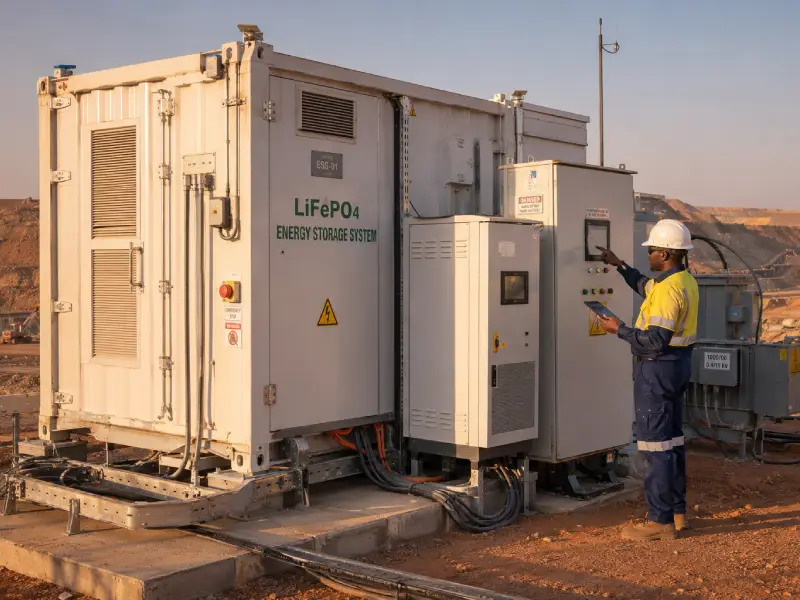
Major Commercial Applications of Solar in Africa
One of the defining characteristics of today’s solar Africa market is the diversity of commercial applications. Unlike regions where solar adoption is concentrated in residential rooftop installations, African renewable energy projects are largely driven by commercial, industrial, agricultural, infrastructure, and public service requirements. Each application presents unique energy consumption patterns, environmental conditions, and operational priorities, requiring EPC contractors to design solutions that balance performance, reliability, scalability, and long-term operating costs.
For distributors and procurement managers, understanding these application scenarios is equally important. Selecting the appropriate combination of photovoltaic modules, hybrid inverters, LiFePO4 battery storage, mounting systems, and intelligent energy management software ensures that projects deliver measurable business value rather than simply generating electricity.
Why Application-Based System Design Matters
No two commercial projects operate under identical conditions. A telecommunications tower requires uninterrupted power twenty-four hours a day, while an agricultural irrigation project may consume most of its electricity during daylight hours. Mining operations typically experience high continuous loads, whereas healthcare facilities prioritize power quality and backup reliability for critical medical equipment.
This variation explains why experienced EPC contractors begin every project with an energy assessment rather than equipment selection. Load profiles, daily operating schedules, environmental conditions, future expansion plans, and maintenance capabilities should all be evaluated before determining the most appropriate system architecture.
Expert Tip
The most successful commercial projects start with understanding how electricity is consumed rather than deciding which products to purchase. Engineering teams that analyze load characteristics first are better positioned to optimize battery capacity, inverter sizing, photovoltaic array configuration, and overall system efficiency.
Mining and Mineral Processing Operations
Africa is home to many of the world’s most significant mining regions, producing minerals such as copper, gold, cobalt, lithium, platinum, manganese, and rare earth elements. Mining operations often take place in remote locations where extending utility infrastructure is technically challenging and economically expensive.
Traditionally, diesel generators have supplied electricity for extraction equipment, worker accommodation, administration buildings, water treatment systems, and security infrastructure. However, increasing fuel prices, transportation costs, and environmental commitments are encouraging mining companies to integrate renewable energy into their power strategies.
Typical Energy Challenges
- Remote project locations with limited or no grid access.
- Continuous electricity demand for 24/7 operations.
- High fuel transportation costs.
- Exposure to dust, vibration, and elevated ambient temperatures.
- Future capacity expansion as mining production increases.
Recommended Solar Solution
| Component | Engineering Recommendation |
|---|---|
| PV System | Ground-mounted commercial solar array |
| Battery Storage | LiFePO₄ commercial ESS with modular expansion capability |
| Inverter | Industrial hybrid inverter with generator integration |
| Monitoring | Remote EMS platform with real-time diagnostics |
| Protection | IP65 outdoor-rated electrical equipment |
Mining projects rarely seek to eliminate conventional generators entirely. Instead, hybrid solar systems reduce diesel runtime, stabilize energy costs, improve sustainability performance, and lower maintenance requirements while maintaining operational reliability.
Telecommunication Infrastructure
Telecommunications represent one of the fastest-growing commercial segments within the African renewable energy industry. Mobile network operators continue expanding network coverage into rural and underserved regions where reliable utility electricity is unavailable or inconsistent.
Every telecommunications tower depends on continuous power to maintain communication services. Even short interruptions can affect network availability, making energy reliability a higher priority than minimizing initial equipment costs.
Operational Requirements
- 24-hour uninterrupted power supply.
- Remote monitoring capabilities.
- Minimal maintenance visits.
- Compact equipment footprint.
- Long battery service life.
Modern telecom power systems increasingly combine photovoltaic generation, high-efficiency hybrid controllers, and lithium battery storage to reduce diesel generator operating hours while extending maintenance intervals.
| System Requirement | Recommended Solution |
|---|---|
| Continuous operation | Hybrid solar + LiFePO₄ battery storage |
| Remote diagnostics | Cloud-based monitoring platform |
| Battery longevity | LiFePO₄ chemistry with advanced BMS |
| Weather protection | Outdoor IP65 equipment enclosure |
| Maintenance efficiency | Modular component architecture |
For EPC contractors serving telecom operators, engineering considerations such as thermal management, battery autonomy, communication redundancy, and preventive maintenance planning often influence long-term project performance more than hardware specifications alone.
Expert Tip
Telecommunications operators evaluate projects based on network availability rather than equipment efficiency alone. Reliable battery autonomy, intelligent monitoring, and rapid fault diagnostics typically provide greater operational value than incremental improvements in photovoltaic output.
Agricultural Irrigation and Modern Farming
Agriculture remains one of Africa’s largest economic sectors, creating substantial opportunities for distributed renewable energy systems. Farms require electricity for irrigation pumps, water treatment, cold storage, livestock facilities, grain processing, and agricultural processing equipment.
Because many agricultural operations are located far from urban electrical infrastructure, diesel-powered irrigation has historically been common. Rising fuel costs and increasing maintenance requirements, however, have accelerated the adoption of solar-powered irrigation systems and hybrid agricultural energy solutions.
Typical Agricultural Applications
- Solar-powered irrigation pumps.
- Water distribution systems.
- Cold storage facilities.
- Livestock farms.
- Agricultural processing equipment.
- Greenhouse environmental control.
Compared with conventional diesel-powered pumping, photovoltaic irrigation systems offer predictable operating costs while reducing dependence on fuel logistics. When combined with battery storage, irrigation schedules can also be extended beyond daylight hours where operational requirements justify energy storage investment.
Solar Irrigation vs Diesel Irrigation
| Evaluation Factor | Diesel Pump | Solar Irrigation System |
|---|---|---|
| Fuel Requirement | Continuous diesel supply | Solar energy |
| Operating Cost | Variable fuel expenses | Low daily operating cost |
| Maintenance | Engine servicing required | Reduced routine maintenance |
| Environmental Impact | Higher emissions | Renewable energy operation |
Healthcare Facilities and Rural Medical Centers
Reliable electricity is essential for healthcare delivery. Hospitals, community clinics, diagnostic laboratories, vaccination centers, and emergency medical facilities depend on continuous power to support refrigeration, sterilization equipment, medical imaging systems, lighting, communications, and life-saving devices.
Power interruptions can compromise patient care and damage temperature-sensitive medicines and vaccines. Consequently, many healthcare organizations are adopting hybrid solar systems with battery storage to improve resilience while reducing operating costs.
Critical Design Priorities
- Continuous electricity availability.
- High system reliability.
- Automatic backup functionality.
- Remote monitoring and alarm notifications.
- Expandable battery capacity for future demand.
From an engineering perspective, healthcare projects require careful load prioritization. Critical circuits, including operating theatres, emergency departments, refrigeration equipment, and communication systems, should remain operational even during prolonged grid interruptions. Proper battery sizing, intelligent load management, and redundant protection strategies therefore play a central role in system design.
Engineering Insight
Although mining, telecommunications, agriculture, and healthcare projects operate in very different environments, they share one common requirement: dependable, professionally engineered energy systems capable of delivering stable performance throughout their operational lifecycle. Selecting the right equipment is important, but selecting the right engineering partner is equally critical for long-term project success.
Commercial & Industrial (C&I) Facilities
Commercial and Industrial (C&I) projects have become one of the fastest-growing segments in the African renewable energy sector. Manufacturing plants, logistics centers, warehouses, shopping malls, office buildings, food processing facilities, and industrial parks are increasingly adopting solar energy to improve power reliability while controlling long-term operating costs.
Unlike residential users, commercial facilities typically consume electricity throughout the day, making solar photovoltaic systems particularly effective. When integrated with battery energy storage systems (BESS), businesses can further reduce dependence on unstable utility grids, optimize energy consumption during peak tariff periods, and maintain critical operations during power interruptions.
Typical Commercial Challenges
- Unstable utility power affecting production schedules.
- Increasing electricity tariffs.
- Demand for uninterrupted operation of production equipment.
- Corporate ESG and sustainability objectives.
- Future expansion of manufacturing capacity.
Recommended Engineering Configuration
| System Component | Recommended Solution | Engineering Objective |
|---|---|---|
| PV Array | Rooftop or ground-mounted PV system | Maximize daytime energy production |
| Hybrid Inverter | Three-phase commercial inverter | Grid interaction and intelligent power management |
| Battery Storage | Modular LiFePO₄ ESS | Peak shaving and backup power |
| Energy Management | EMS with remote monitoring | Optimize energy utilization |
Expert Tip
For commercial facilities, maximizing solar production alone does not always deliver the greatest financial return. Engineering teams should first analyze the customer’s load profile, operating hours, and peak demand charges before determining photovoltaic capacity and battery size. A properly balanced system generally delivers better lifecycle economics than simply installing the largest possible PV array.
Hotels, Resorts, and Tourism Facilities
Africa’s tourism industry depends heavily on reliable electricity to maintain guest comfort and operational continuity. Hotels, safari lodges, eco-resorts, and conference centers require continuous power for air conditioning, lighting, kitchens, water treatment systems, communications, and security equipment.
Many tourism facilities operate in environmentally sensitive areas where reducing diesel generator usage supports both sustainability goals and visitor experience. Hybrid solar systems provide quieter operation while lowering fuel consumption and maintenance requirements.
Primary Design Priorities
- Reliable guest services.
- Low system noise.
- Reduced diesel dependency.
- Long equipment lifespan.
- Remote monitoring for multi-site management.
Mini-Grids and Rural Electrification Projects
Mini-grids have become an important solution for expanding electricity access in communities where extending the national grid is not yet economically feasible. These systems typically combine photovoltaic generation, battery energy storage, hybrid inverters, and intelligent distribution infrastructure to deliver stable electricity for households, schools, healthcare facilities, and small businesses.
For EPC contractors, mini-grid projects require careful planning because energy demand often grows after electricity becomes available. Designing scalable systems with modular battery storage and expandable inverter capacity allows communities to increase electricity consumption without requiring complete system replacement.
Typical Community Loads
- Residential lighting.
- Primary schools.
- Healthcare clinics.
- Water pumping systems.
- Small commercial businesses.
- Community refrigeration.
Application Comparison Matrix
| Application | Power Demand | Battery Importance | Recommended System |
|---|---|---|---|
| Mining | Very High | ★★★★★ | Hybrid Solar + Containerized ESS |
| Telecommunications | Medium | ★★★★★ | Off-grid Solar + LiFePO₄ Battery |
| Agriculture | Seasonal | ★★★★☆ | Solar Irrigation System |
| Healthcare | Continuous | ★★★★★ | Hybrid Solar + ESS |
| Manufacturing | High | ★★★★☆ | Commercial C&I Solar + ESS |
| Hotels & Resorts | Variable | ★★★★☆ | Hybrid Commercial Solar |
| Mini-Grids | Growing | ★★★★★ | Modular Off-grid Solar System |
How to Match the Right Solar Solution to Your Project
Selecting the appropriate system architecture should always begin with project requirements rather than product specifications. EPC contractors typically evaluate several engineering factors before recommending equipment, including daily energy consumption, peak demand, environmental conditions, future expansion plans, maintenance capability, and project budget.
| Project Requirement | Engineering Recommendation |
|---|---|
| No utility grid available | Off-grid solar system with LiFePO₄ battery storage |
| Frequent power interruptions | Hybrid solar system with automatic backup |
| High daytime electricity consumption | Commercial rooftop PV system |
| High peak electricity charges | Battery Energy Storage System (BESS) |
| Future capacity expansion | Modular ESS architecture |
| Remote project location | Cloud monitoring and remote diagnostics |
Engineering Perspective
There is no universal solar solution suitable for every African project. Successful system design depends on accurately matching equipment configuration with operational requirements, environmental conditions, maintenance resources, and long-term business objectives. Engineering optimization at the design stage often produces greater value than increasing equipment capacity after installation.
Looking for an Engineering Partner Instead of Just an Equipment Supplier?
Commercial solar projects require more than high-quality hardware. Proper system sizing, component compatibility, electrical protection design, documentation support, and long-term technical service all contribute to project success. Working with an engineering-oriented manufacturer can help reduce commissioning risks, improve lifecycle performance, and simplify future system expansion.
Choosing the Right Solar Solution for African Projects
Selecting the right solar solution is one of the most important decisions in any commercial renewable energy project. While Africa offers exceptional solar resources, every project operates under different environmental conditions, load profiles, business objectives, and infrastructure constraints. As a result, there is no universal system configuration that fits every application.
For EPC contractors, distributors, and procurement managers, successful projects begin with engineering analysis rather than equipment selection. Instead of asking “Which solar products should we buy?”, experienced engineering teams first ask “What operational challenges must this system solve over the next 20 years?”
This engineering-first approach helps reduce project risk, optimize lifecycle costs, improve energy availability, and simplify future expansion. It also ensures that photovoltaic generation, battery storage, inverter capacity, and energy management systems work together as a fully integrated solution rather than as individual components.
Step 1: Define the Project Objective
Every commercial project has different performance targets. Clearly identifying the primary objective allows engineers to recommend the most appropriate system architecture.
| Business Objective | Recommended Solution | Primary Benefit |
|---|---|---|
| Reduce electricity costs | Grid-connected PV System | Lower daytime electricity consumption |
| Maintain power during outages | Hybrid Solar + ESS | Continuous operation |
| Operate without utility access | Off-grid Solar System | Complete energy independence |
| Reduce diesel consumption | Solar + Battery + Generator Hybrid | Lower fuel and maintenance costs |
| Support future expansion | Modular ESS Architecture | Flexible capacity upgrades |
Step 2: Understand the Load Profile
Electrical load analysis is the foundation of system design. Commercial facilities rarely consume electricity evenly throughout the day. Some industries operate only during business hours, while others require uninterrupted 24-hour power. Understanding these consumption patterns helps engineers determine photovoltaic capacity, battery storage requirements, inverter sizing, and backup strategies.
- Average daily energy consumption (kWh)
- Peak power demand (kW)
- Daytime versus nighttime load distribution
- Critical loads that require uninterrupted power
- Expected future capacity expansion
Expert Tip
Oversizing equipment does not necessarily improve system performance. In many commercial projects, accurate load analysis delivers greater financial returns than simply installing additional photovoltaic modules or larger battery banks. A well-balanced system maximizes energy utilization while avoiding unnecessary capital investment.
Step 3: Evaluate Environmental Conditions
Africa encompasses a wide range of climate zones, from arid deserts and tropical rainforests to coastal regions with high humidity and salt exposure. Environmental conditions directly affect equipment selection, enclosure protection, cooling strategies, mounting structures, and long-term maintenance requirements.
| Environmental Factor | Engineering Consideration | Recommended Design Approach |
|---|---|---|
| High Ambient Temperature | Battery and inverter cooling | High-temperature-rated components with adequate ventilation |
| Dust and Sand | Equipment protection | IP65 enclosures and regular cleaning schedules |
| Coastal Salt Spray | Corrosion resistance | Marine-grade coatings and stainless-steel hardware |
| Heavy Rainfall | Water ingress protection | Weatherproof cable management and waterproof junction boxes |
Step 4: Choose the Appropriate System Architecture
Once operational objectives, load characteristics, and environmental conditions have been evaluated, engineers can determine the most suitable system architecture. Each configuration offers distinct advantages depending on project requirements.
| System Type | Best For | Key Advantages |
|---|---|---|
| Grid-Tied Solar | Stable utility networks | Maximum daytime energy savings |
| Hybrid Solar System | Commercial facilities with unstable grids | Backup power and energy optimization |
| Off-Grid Solar System | Remote communities and infrastructure | Independent power generation |
| Solar + Containerized ESS | Industrial and mining operations | Scalable energy storage and peak shaving |
Engineering Decision Matrix
| Project Condition | Recommended Technology |
|---|---|
| No utility connection | Off-grid solar system with LiFePO₄ battery storage |
| Frequent blackouts | Hybrid inverter + battery ESS |
| High daytime production load | Commercial rooftop PV system |
| Peak demand charges | Battery Energy Storage System (BESS) |
| Future expansion planned | Modular battery architecture |
Planning a Commercial Solar Project?
The right solution starts with understanding your operational requirements—not simply selecting equipment from a catalog. A professional engineering assessment can identify the most appropriate system architecture, optimize equipment sizing, and improve long-term project performance.
Engineering Challenges Unique to Africa: Designing Solar Systems for Long-Term Reliability
One of the biggest misconceptions about the solar Africa market is that system design principles are identical to those used in Europe, North America, or other mature renewable energy markets. In reality, environmental conditions, infrastructure maturity, logistics, and maintenance resources vary significantly across African regions. These factors directly influence equipment selection, system architecture, installation practices, and long-term operational performance.
From an engineering perspective, the objective is not simply to maximize photovoltaic output. The primary goal is to deliver a reliable, maintainable, and scalable energy system capable of operating consistently for 20 years or more under demanding field conditions. This is why experienced EPC contractors prioritize engineering adaptation over standard product specifications.
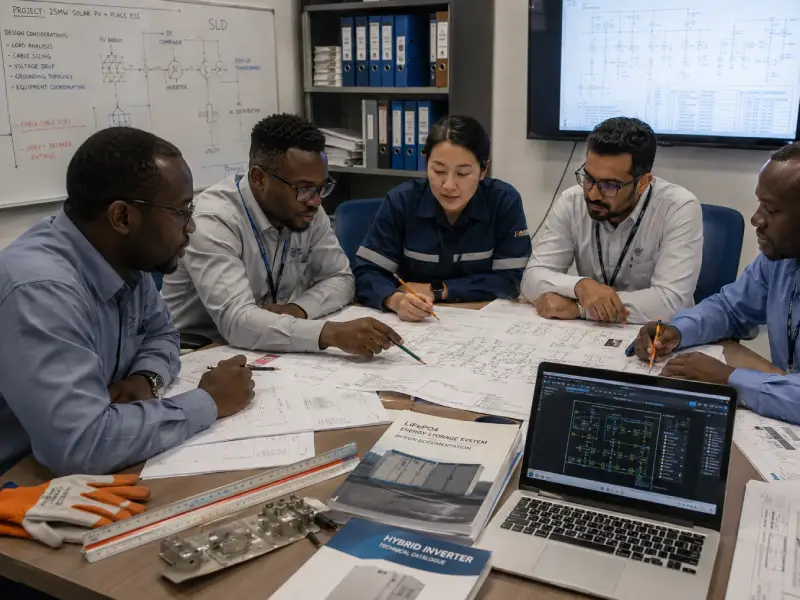
Engineering Priorities for African Commercial Projects
| Challenge | Potential Impact | Engineering Response |
|---|---|---|
| High temperatures | Reduced equipment efficiency and accelerated aging | Thermal management and appropriately rated equipment |
| Dust and sand | Lower PV performance and equipment contamination | IP-rated enclosures and maintenance planning |
| Coastal humidity and salt | Corrosion of structural and electrical components | Corrosion-resistant materials and protective coatings |
| Grid instability | Unexpected outages and voltage fluctuations | Hybrid architecture with intelligent energy management |
| Remote locations | Limited maintenance accessibility | Remote monitoring and modular equipment design |
High Ambient Temperatures and Thermal Management
Many commercial solar projects across Africa operate in regions where daytime temperatures remain consistently high for extended periods. Elevated ambient temperatures can influence photovoltaic module output, inverter efficiency, battery operating conditions, and overall system reliability.
While modern PV modules and LiFePO4 batteries are designed for outdoor operation, prolonged exposure to excessive heat can accelerate component aging if systems are not properly engineered. Effective thermal management therefore becomes an important consideration during project planning.
Engineering Best Practices
- Select equipment rated for the expected operating temperature range.
- Provide adequate ventilation around battery cabinets and inverter enclosures.
- Avoid installing equipment in locations with restricted airflow.
- Design cable routing to minimize unnecessary heat accumulation.
- Consider equipment placement to reduce direct afternoon solar exposure where practical.
Expert Tip
Higher ambient temperature does not automatically mean poor system performance. Well-designed ventilation, correct equipment spacing, and appropriate component selection often have a greater influence on long-term reliability than ambient temperature alone.
Dust, Sand, and Soiling Management
Dust accumulation is one of the most common operational challenges for photovoltaic installations in arid and semi-arid regions. Wind-blown dust, sand, and airborne particles can gradually reduce solar irradiation reaching the module surface, lowering energy production if cleaning schedules are not properly managed.
Dust also affects electrical equipment by entering poorly protected enclosures, potentially increasing maintenance requirements over time. Consequently, enclosure protection and maintenance planning should be considered during the design stage rather than after commissioning.
Recommended Engineering Measures
- Specify appropriately rated outdoor enclosures for electrical equipment.
- Develop preventive module cleaning schedules based on local environmental conditions.
- Design maintenance access routes to simplify inspection and servicing.
- Monitor system performance to identify abnormal generation losses that may indicate excessive soiling.
Coastal Corrosion and High Humidity
Coastal regions throughout Africa provide excellent opportunities for commercial solar development, particularly in ports, tourism facilities, fisheries, logistics centers, and industrial zones. However, these environments expose equipment to elevated humidity and airborne salt, both of which can accelerate corrosion if unsuitable materials are selected.
Structural components, fasteners, cable management systems, and outdoor electrical enclosures should therefore be chosen with long-term durability in mind. Preventive design strategies reduce maintenance requirements while helping preserve structural integrity throughout the project’s operational life.
| Component | Recommended Consideration |
|---|---|
| Mounting Structure | Corrosion-resistant materials appropriate for the project environment |
| Fasteners | Stainless-steel hardware where appropriate |
| Cable Management | UV-resistant and weather-resistant accessories |
| Outdoor Cabinets | Weather-resistant enclosures with suitable ingress protection |
Grid Instability and Hybrid System Design
In many commercial projects, the electrical grid is available but cannot always provide consistent voltage quality or uninterrupted service. Manufacturing facilities, hospitals, telecommunications infrastructure, and commercial buildings often require continuous operation even during utility outages.
Hybrid solar systems combine photovoltaic generation, battery energy storage, and intelligent inverter technology to improve energy resilience. Rather than replacing the utility grid, hybrid architectures are designed to optimize available energy sources while maintaining stable power for critical loads.
Typical Hybrid System Benefits
- Improved business continuity during power interruptions.
- Reduced dependence on diesel generators.
- Greater utilization of self-generated solar electricity.
- Flexible integration with existing electrical infrastructure.
- Scalable architecture supporting future expansion.
Engineering Considerations by Project Environment
| Project Environment | Primary Design Focus | Recommended System Feature |
|---|---|---|
| Desert or Dry Regions | Dust management | Easy maintenance access and regular cleaning plans |
| Coastal Areas | Corrosion resistance | Durable structural materials and weather-resistant components |
| Industrial Zones | Continuous operation | Hybrid inverter with battery energy storage |
| Remote Communities | Maintenance accessibility | Remote monitoring and modular equipment |
Engineering Design Checklist Before Equipment Procurement
Before issuing purchase orders or finalizing system specifications, EPC contractors and procurement managers should verify that key engineering factors have been evaluated. A structured design review reduces project risks and helps ensure long-term operational performance.
- ✔ Confirm site climate and environmental conditions.
- ✔ Complete load profile analysis and future expansion forecast.
- ✔ Verify grid availability and power quality.
- ✔ Select system architecture based on operational objectives.
- ✔ Review equipment certifications and compliance requirements.
- ✔ Evaluate maintenance accessibility and spare parts strategy.
- ✔ Confirm monitoring, communication, and remote diagnostics requirements.
- ✔ Prepare complete engineering documentation before procurement.
Engineering Insight
Commercial solar success depends on far more than selecting high-quality components. Careful engineering, appropriate system integration, and consideration of local operating conditions are equally important in achieving long-term reliability and maximizing return on investment.
How EPC Contractors Evaluate Solar Suppliers for African Projects
Selecting a solar supplier is one of the most influential decisions in the success of a commercial renewable energy project. While product specifications and pricing remain important, experienced EPC contractors understand that long-term project performance depends on much more than individual components. Engineering capability, manufacturing consistency, technical support, quality management, documentation, and supply chain reliability all contribute to project outcomes throughout the system lifecycle.
In the solar Africa market, these considerations become even more important because projects are often installed in remote locations, operate under challenging environmental conditions, and require dependable performance with limited maintenance resources. Replacing components after commissioning can be costly and time-consuming, making supplier selection a strategic decision rather than a simple procurement exercise.
Why Supplier Evaluation Should Go Beyond Product Pricing
Lowest initial cost does not always result in the lowest project cost. Equipment that performs reliably for many years with minimal maintenance may deliver significantly better lifecycle value than lower-priced alternatives requiring frequent service or early replacement.
Professional procurement teams therefore evaluate suppliers using multiple criteria that consider technical capability, operational reliability, manufacturing quality, and long-term partnership potential.
| Evaluation Area | Questions Procurement Teams Should Ask | Business Impact |
|---|---|---|
| Engineering Capability | Can the supplier recommend complete system solutions? | Lower design risk |
| Manufacturing Quality | Are production processes standardized and traceable? | Improved product consistency |
| Technical Documentation | Are manuals, drawings, and certifications complete? | Simplified project implementation |
| After-Sales Support | Is technical assistance available during commissioning? | Reduced project delays |
| Supply Chain Stability | Can delivery schedules be maintained for large projects? | Lower procurement risk |
Supplier Evaluation Scorecard
Many EPC companies use structured evaluation methods when comparing multiple suppliers. A weighted scorecard helps procurement managers make objective decisions while balancing commercial, technical, and operational factors.
| Evaluation Criteria | Suggested Weight | Assessment Focus |
|---|---|---|
| Product Quality | 25% | Materials, workmanship, consistency |
| Engineering Support | 20% | System design, technical consultation |
| Certifications & Compliance | 15% | IEC, CE, UN38.3 and applicable standards |
| Production Capacity | 10% | Ability to support project volume |
| Delivery Performance | 10% | Lead time reliability |
| Warranty & Service | 10% | Technical response and support process |
| Total Cost of Ownership | 10% | Lifecycle value rather than purchase price alone |
The weighting of each category should be adjusted according to project requirements. For example, remote telecom projects may place greater emphasis on reliability and remote monitoring capabilities, while large commercial rooftop installations may prioritize delivery schedules and engineering documentation.
Expert Tip
A supplier offering complete engineering support can often reduce overall project costs even if equipment pricing is not the lowest. Accurate system sizing, coordinated component selection, and comprehensive technical documentation help minimize installation errors, commissioning delays, and long-term maintenance issues.
OEM, ODM, or Standard Products: Which Procurement Model Is Right?
Different projects require different levels of customization. Understanding the differences between OEM, ODM, and standard products allows procurement teams to align purchasing strategies with project objectives and market requirements.
| Procurement Model | Typical Characteristics | Best Suited For |
|---|---|---|
| Standard Products | Ready-to-ship standardized solutions | Fast delivery and common applications |
| OEM Manufacturing | Customer branding with proven product platforms | Distributors building their own product portfolio |
| ODM Development | Customized product design and engineering | Large projects with specialized technical requirements |
For many EPC contractors, standardized products are suitable for repeatable commercial installations. However, projects involving unusual environmental conditions, utility interconnection requirements, or industry-specific operational needs may benefit from customized engineering support.
Engineering Documentation: A Key Indicator of Supplier Capability
Well-prepared engineering documentation simplifies installation, reduces commissioning time, and supports long-term operation and maintenance. Comprehensive documentation also demonstrates that the supplier has invested in product development, quality control, and technical support.
Before placing a purchase order, procurement teams should confirm that essential documentation is available and kept up to date throughout the project lifecycle.
| Document Type | Purpose | Why It Matters |
|---|---|---|
| Technical Datasheets | Product specifications | Equipment comparison and design validation |
| Installation Manuals | Installation guidance | Consistent construction quality |
| Single-Line Diagrams (SLD) | Electrical system design | Supports engineering review |
| Product Certifications | Compliance verification | Facilitates project approval |
| Warranty Documentation | Service terms | Clarifies long-term support commitments |
Questions Procurement Teams Should Discuss with Potential Suppliers
- Can the supplier assist with preliminary system design?
- Is remote technical support available during commissioning?
- How are product updates and firmware improvements managed?
- Can the supplier support future system expansion?
- Are spare parts available throughout the expected project lifecycle?
- What quality control procedures are implemented during manufacturing?
Build Long-Term Value Through Engineering Partnerships
The strongest supplier relationships are built on more than product transactions. Engineering collaboration, transparent communication, dependable manufacturing, and responsive technical support help reduce project risks while improving operational performance over the entire lifecycle of a commercial solar installation.
Common Procurement Mistakes That Increase Project Risk
Even experienced procurement teams can encounter avoidable challenges when purchasing equipment for large-scale renewable energy projects. In many solar Africa deployments, projects operate under demanding environmental conditions where replacing equipment is costly and logistically complex. As a result, procurement decisions should focus not only on acquisition costs but also on technical compatibility, lifecycle performance, and long-term operational reliability.
The most successful EPC contractors establish standardized procurement procedures that include engineering reviews, supplier qualification, documentation verification, and risk assessment before issuing purchase orders. This systematic approach helps minimize delays during installation and reduces the likelihood of unexpected costs after commissioning.
Five Procurement Mistakes That Can Be Avoided
| Common Mistake | Potential Consequence | Recommended Practice |
|---|---|---|
| Selecting suppliers based solely on price | Higher maintenance costs and reduced system reliability | Evaluate total lifecycle value and technical capability |
| Ignoring engineering compatibility | Installation conflicts between major components | Confirm complete system integration before procurement |
| Incomplete documentation review | Delays during installation and project approval | Verify manuals, certifications, and engineering drawings |
| Underestimating logistics planning | Construction delays and increased transportation costs | Coordinate delivery schedules with project milestones |
| Not planning for future maintenance | Difficult spare parts sourcing and extended downtime | Confirm long-term service support and spare parts availability |
Avoiding these common issues helps improve construction efficiency while reducing operational risks throughout the project lifecycle. Procurement should therefore be viewed as part of the overall engineering process rather than a standalone purchasing activity.
Technical Documentation Checklist Before Purchase Approval
Before approving equipment procurement, EPC contractors typically verify that all technical documents are complete, current, and consistent with project specifications. Well-prepared documentation supports engineering review, accelerates installation, and simplifies future maintenance activities.
| Document | Verification Item | Procurement Purpose |
|---|---|---|
| Product Datasheets | Electrical and mechanical specifications verified | Engineering validation |
| Certification Documents | Applicable IEC, CE, UN38.3 and related compliance | Regulatory approval |
| Installation Manuals | Latest revision available | Construction guidance |
| System Drawings | SLD, wiring diagrams and layout confirmed | Installation coordination |
| Warranty Policy | Coverage period and service process defined | Lifecycle support planning |
| Packing List | Equipment quantities verified before shipment | Logistics management |
Expert Tip
Requesting documentation during supplier evaluation—not after placing an order—allows engineering teams to identify compatibility issues early. This proactive review often shortens project schedules by preventing revisions during procurement and construction.
Recommended Procurement Workflow for Commercial Solar Projects
Professional procurement follows a structured workflow that aligns commercial decisions with engineering requirements. Each stage provides an opportunity to reduce technical uncertainty before equipment reaches the project site.
| Procurement Stage | Primary Activities | Expected Outcome |
|---|---|---|
| Project Requirements Definition | Determine load profile, environmental conditions, and performance objectives | Clear technical specifications |
| Supplier Shortlisting | Evaluate manufacturing capability, certifications, and engineering resources | Qualified supplier list |
| Technical Evaluation | Review system design, component compatibility, and documentation | Engineering approval |
| Commercial Evaluation | Compare pricing, lead times, warranty, and delivery plans | Balanced procurement decision |
| Factory Production & Inspection | Quality control, production monitoring, and pre-shipment inspection | Verified product quality |
| Delivery & Commissioning Support | Logistics coordination and technical assistance | Smooth project implementation |
Following a standardized workflow improves coordination between engineering, procurement, logistics, and construction teams. It also provides better visibility into project progress and helps maintain consistent quality across multiple installations.
Commercial Solar Procurement Checklist
Before issuing the final purchase order, procurement managers can use the following checklist to verify that critical technical and commercial requirements have been addressed.
- Project power demand and load analysis completed.
- Complete system compatibility verified.
- Supplier manufacturing capability evaluated.
- Quality certifications reviewed and confirmed.
- Engineering documentation received and approved.
- Delivery schedule aligned with construction timeline.
- Warranty terms clearly defined.
- Remote technical support confirmed.
- Spare parts availability established.
- Future system expansion requirements considered.
A structured checklist helps procurement teams maintain consistency across projects while reducing the likelihood of overlooked technical details. As project portfolios expand across multiple regions, standardized procurement practices become increasingly valuable for maintaining quality and controlling project risk.
Strengthen Procurement Decisions with Engineering Expertise
Successful commercial solar projects begin long before equipment arrives on site. By combining supplier evaluation, engineering review, comprehensive documentation, and structured procurement processes, EPC contractors can improve project quality while reducing long-term operational costs throughout the growing solar Africa market.
Future Trends in the Africa Solar Market
The solar Africa market is evolving beyond standalone photovoltaic installations toward integrated energy ecosystems that combine solar generation, battery energy storage, intelligent energy management, and digital monitoring. As governments continue expanding access to electricity while businesses seek greater energy independence, engineering teams are increasingly designing systems that deliver long-term operational flexibility rather than simply meeting immediate power demands.
For EPC contractors, developers, and commercial investors, understanding these industry trends is essential for making procurement and design decisions that remain effective throughout the lifecycle of a project. Equipment selection today should not only satisfy current requirements but also accommodate future expansion, technology upgrades, and changing energy consumption patterns.
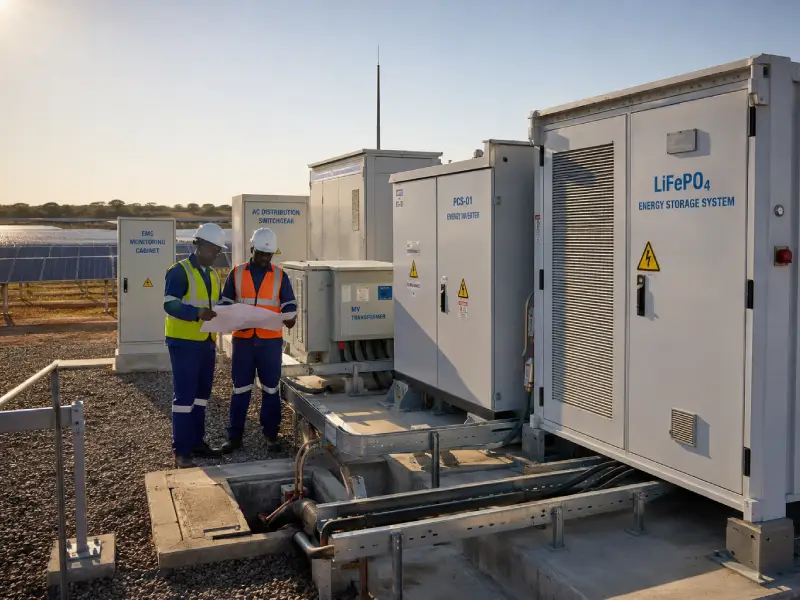
Industry Trends Driving Commercial Solar Development
| Emerging Trend | Industry Impact | Why It Matters |
|---|---|---|
| Commercial Energy Storage Systems | Higher energy independence | Supports peak shaving, backup power, and renewable integration |
| AI-Assisted Energy Management | Smarter system operation | Improves energy utilization and operational efficiency |
| Declining Battery Costs | Improved project economics | Makes larger storage capacities increasingly feasible |
| Remote Monitoring Platforms | Predictive maintenance | Reduces downtime for geographically dispersed installations |
| Modular System Design | Scalable infrastructure | Allows future expansion with minimal disruption |
| Carbon Reduction Initiatives | Growing investment opportunities | Supports corporate sustainability and national energy strategies |
Rather than viewing these developments as isolated innovations, engineering teams increasingly treat them as interconnected components of a comprehensive energy strategy. A well-designed commercial solar system can incorporate modular battery storage, intelligent inverter control, and remote monitoring capabilities that continue delivering value as operational requirements evolve.
Expert Tip
Projects designed with future scalability in mind often provide better long-term returns than systems optimized only for today’s demand. Selecting compatible equipment platforms and allowing capacity for future expansion can significantly reduce upgrade costs as energy requirements increase.
Key Takeaways for EPC Contractors
Every commercial solar project presents unique technical and commercial challenges. However, experienced EPC contractors consistently apply several best practices that help improve project reliability, simplify construction, and reduce lifecycle costs. The following checklist summarizes the key considerations discussed throughout this guide.
| Best Practice | Project Benefit |
|---|---|
| Understand local regulations and grid requirements | Supports smoother project approval and implementation |
| Perform comprehensive load analysis before equipment selection | Improves system sizing accuracy |
| Select engineering-oriented suppliers | Reduces technical and procurement risks |
| Evaluate lifecycle cost rather than purchase price alone | Optimizes long-term project value |
| Design modular systems for future expansion | Supports changing operational requirements |
| Prioritize quality documentation and technical support | Improves installation efficiency and maintenance planning |
| Consider integrated battery storage where appropriate | Enhances energy resilience and operational flexibility |
| Establish long-term supplier partnerships | Provides continuity throughout the project lifecycle |
Although every project differs in scale and application, these principles provide a practical framework for balancing engineering performance, commercial objectives, and long-term operational reliability. Procurement, design, construction, and maintenance should be viewed as connected stages of a single engineering process rather than independent activities.
Why Engineering Teams Choose SolarDyna
Successful commercial solar projects begin with understanding project objectives rather than selecting equipment. Engineering teams typically evaluate site conditions, electrical loads, operational priorities, environmental factors, and future expansion plans before recommending an appropriate system architecture. This engineering-first methodology helps align technical solutions with long-term business goals while reducing unnecessary project complexity.
Instead of focusing on individual products, effective project planning considers how every component interacts within the complete energy system. Battery storage, inverters, photovoltaic modules, monitoring platforms, and electrical protection devices must operate together to deliver reliable performance throughout the system lifecycle.
Engineering-First Approach
An engineering-first approach places project requirements at the center of every design decision. Rather than beginning with predefined equipment configurations, engineering teams first evaluate how the system will be used, the environmental conditions it will operate under, and the performance objectives expected throughout its service life.
This methodology supports more accurate equipment selection while helping avoid overdesign, undersized systems, and unnecessary lifecycle costs. Careful planning during the early design phase often contributes to smoother construction, simplified commissioning, and more predictable long-term operation.
| Engineering Activity | Primary Objective | Project Value |
|---|---|---|
| Project Requirement Assessment | Understand operational goals | Aligns system design with business needs |
| Load Analysis | Evaluate energy demand profiles | Improves equipment sizing accuracy |
| System Design | Coordinate major system components | Enhances compatibility and efficiency |
| ROI Optimization | Balance investment with expected performance | Supports long-term financial value |
| Lifecycle Cost Evaluation | Consider operation and maintenance requirements | Reduces total cost of ownership |
Engineering decisions made during the planning stage influence virtually every subsequent phase of a commercial solar project, including procurement, installation, commissioning, maintenance, and future expansion. Investing time in technical evaluation early often helps minimize costly modifications later in the project lifecycle.
Start with Engineering, Not Equipment
Whether planning a commercial rooftop installation, an off-grid industrial system, or a battery energy storage project, early engineering consultation helps establish a stronger technical foundation for procurement and implementation. Collaborative project planning can improve system performance while reducing long-term operational risks.
Complete Product Portfolio
Commercial solar projects often require multiple technologies working together as an integrated solution. Rather than sourcing individual components independently, many engineering teams prefer coordinated product platforms that simplify compatibility, documentation, installation, and long-term maintenance.
Depending on project requirements, integrated commercial energy solutions may include battery storage, hybrid power conversion, photovoltaic generation, and complete off-grid system architectures. Selecting compatible technologies from the beginning can streamline engineering coordination while improving overall system reliability.
| Solution Category | Typical Application | Engineering Role |
|---|---|---|
| Commercial Energy Storage Systems (ESS) | Peak shaving, backup power, energy optimization | Improves operational flexibility |
| LiFePO4 Battery Systems | Commercial and industrial energy storage | Provides stable energy storage capability |
| Hybrid Inverters | Grid-connected and hybrid applications | Coordinates energy conversion and battery management |
| Off-Grid Solar Systems | Remote facilities and independent power supply | Supports reliable standalone operation |
| Complete Solar Solutions | Integrated commercial projects | Simplifies engineering coordination across the system |
While individual project configurations differ according to application, integrating compatible technologies within a coordinated engineering framework can simplify project execution and improve long-term operational performance. The objective is not simply to combine products, but to develop complete energy solutions that meet specific technical and commercial requirements.
Quality Standards and Manufacturing
Engineering excellence extends beyond system design and continues throughout the manufacturing process. Consistent product quality depends on standardized production procedures, documented quality management practices, and continuous inspection rather than relying solely on final product testing. For commercial solar projects, where systems are expected to operate reliably for many years, manufacturing consistency plays a significant role in reducing project risk and supporting long-term operational performance.
Professional EPC contractors often evaluate not only the finished equipment but also the manufacturer’s production capabilities. A transparent manufacturing process provides greater confidence that products delivered to multiple projects will maintain consistent quality, dimensional accuracy, and electrical performance.
Rather than emphasizing individual certifications, experienced engineering teams typically focus on whether manufacturing processes are capable of consistently meeting project specifications. Products should be manufactured according to applicable international standards and project requirements, with documented inspection procedures supporting every major production stage.
| Manufacturing Stage | Quality Focus | Engineering Value |
|---|---|---|
| Incoming Material Inspection | Verification of raw materials and purchased components | Reduces variability before production begins |
| Production Process Control | Standardized assembly and in-process inspection | Improves manufacturing consistency |
| Functional Testing | Verification of electrical and operational performance | Confirms product functionality before shipment |
| Factory Acceptance Testing (FAT) | Project-specific inspection where applicable | Supports customer verification before delivery |
| Product Traceability | Production records and batch identification | Simplifies quality management and after-sales support |
Expert Tip
Manufacturing quality should be evaluated as an ongoing process rather than a single inspection event. Consistent production controls, documented procedures, and product traceability help reduce variation between production batches and provide stronger support throughout the operational lifecycle.
Technical Support Throughout the Project Lifecycle
Commercial solar projects involve multiple stakeholders, including developers, EPC contractors, electrical consultants, procurement teams, installers, and facility owners. Technical support therefore extends well beyond equipment delivery. Effective collaboration throughout the project lifecycle helps reduce engineering uncertainty, improve installation efficiency, and simplify future operation and maintenance.
A lifecycle-oriented support model emphasizes communication, documentation, and engineering coordination at every project stage. This approach allows technical issues to be addressed proactively before they affect construction schedules or system performance.
| Project Phase | Typical Engineering Support | Primary Objective |
|---|---|---|
| Before Sales | Load calculation, preliminary system design, application consultation | Develop an appropriate technical solution |
| Engineering & Procurement | System drawings, technical documentation, equipment selection | Support engineering review and procurement decisions |
| Project Implementation | Installation guidance, documentation clarification, technical coordination | Improve construction efficiency |
| Commissioning | System verification, startup assistance, operational checks | Facilitate successful project handover |
| After Sales | Remote technical support, troubleshooting assistance, documentation updates | Support reliable long-term operation |
Throughout each phase, comprehensive technical documentation serves as the foundation for effective collaboration. Electrical drawings, installation manuals, product specifications, and operating instructions help ensure that project participants work from consistent technical information, reducing misunderstandings and minimizing unnecessary revisions.
For projects deployed across geographically diverse regions within the solar Africa market, remote technical communication also becomes increasingly valuable. Digital documentation, online technical consultation, and coordinated engineering support enable project teams to resolve many technical questions efficiently without interrupting construction progress.
Engineering Collaboration Throughout Every Project Stage
Successful commercial solar projects depend on more than reliable equipment. Engineering consultation, standardized documentation, manufacturing consistency, and responsive technical communication all contribute to smoother project execution and stronger long-term performance. A lifecycle-oriented engineering partnership helps EPC contractors reduce uncertainty while improving project quality from initial planning through ongoing operation.
Suggested CTA Button: Contact SolarDyna Engineering Team
Frequently Asked Questions
The following questions address some of the topics most frequently researched by EPC contractors, project developers, distributors, and commercial investors evaluating opportunities within the rapidly growing solar Africa market.
Q1. Is Africa a good market for commercial solar investment?
Many African countries are experiencing growing electricity demand alongside increasing investments in renewable energy infrastructure. Commercial solar projects are being developed across industrial facilities, agricultural operations, telecommunications, mining sites, educational institutions, healthcare facilities, and commercial buildings. While market conditions differ significantly between countries, ongoing improvements in renewable energy policy, electrification initiatives, and private-sector investment continue to create opportunities for professionally engineered solar solutions.
Successful projects typically begin with careful assessment of local regulations, grid availability, financing considerations, environmental conditions, and long-term operational requirements rather than assuming a one-size-fits-all approach.
Q2. Which African countries have the fastest-growing solar markets?
Solar development is expanding across numerous regions of the continent. Countries including South Africa, Kenya, Nigeria, Egypt, Morocco, Ghana, Zambia, and several others continue investing in renewable energy through a combination of commercial, industrial, utility-scale, and rural electrification projects. Market growth rates vary according to government policies, electricity demand, infrastructure development, financing availability, and private-sector participation.
For EPC contractors, understanding country-specific procurement requirements and technical standards is often as important as understanding overall market size.
Q3. What is the best battery technology for African solar projects?
Battery selection depends on the specific application, operating environment, project objectives, and system architecture. For many modern commercial energy storage applications, LiFePO4 (Lithium Iron Phosphate) technology has become a widely adopted option because it offers stable performance, supports frequent charge and discharge cycles, and is well suited to integrated commercial energy storage systems.
However, no battery technology should be selected based solely on chemistry. Engineering teams also evaluate load characteristics, operating temperatures, charging strategies, maintenance requirements, available installation space, and long-term operational objectives before determining the most appropriate energy storage solution.
Q4. How do EPC contractors choose solar suppliers?
Supplier selection generally extends far beyond equipment pricing. As discussed earlier in this guide, experienced procurement teams evaluate engineering capability, manufacturing consistency, technical documentation, delivery performance, lifecycle support, and overall project risk before making procurement decisions.
Structured supplier evaluation methods, technical scorecards, and engineering reviews help create more objective procurement decisions while reducing the likelihood of unexpected challenges during installation and long-term operation.
Q5. Hybrid vs. Off-Grid Solar Systems: Which Is Better?
Neither configuration is universally better. The appropriate choice depends on site conditions, grid availability, operational priorities, and business objectives. Engineering evaluation should determine which architecture best satisfies project requirements.
| Comparison Area | Hybrid Solar System | Off-Grid Solar System |
|---|---|---|
| Grid Connection | Connected to utility grid | Independent operation |
| Battery Requirement | Optional or integrated | Typically essential |
| Suitable Applications | Commercial buildings and facilities with grid access | Remote sites without reliable utility power |
| Energy Flexibility | Can combine grid, solar, and storage | Relies on local energy generation and storage |
| Engineering Consideration | Grid interaction and energy optimization | Energy autonomy and load balancing |
Selecting between hybrid and off-grid configurations should always begin with load analysis, site assessment, and long-term operational planning rather than equipment preference alone.
Q6. How Long Do Commercial Solar Batteries Last?
The operational lifespan of a commercial solar battery depends on multiple engineering and operational factors rather than a single specification. While battery chemistry is an important consideration, actual service life is largely influenced by how the energy storage system is designed, installed, operated, and maintained throughout its lifecycle.
For commercial and industrial projects, engineering teams generally evaluate battery longevity based on overall system performance instead of focusing solely on calendar years. Proper system sizing, thermal management, charging strategy, and routine monitoring all contribute to maintaining stable long-term operation.
| Factor | Influence on Battery Performance |
|---|---|
| Battery Chemistry | Different technologies exhibit different performance characteristics and operating profiles. |
| Depth of Discharge (DoD) | Appropriate operating ranges help optimize long-term battery performance. |
| Ambient Temperature | Stable operating temperatures contribute to improved system reliability. |
| Charging & Discharging Strategy | Well-designed energy management helps reduce unnecessary battery stress. |
| Maintenance & Monitoring | Routine inspections and system monitoring support consistent operation. |
Rather than asking how long a battery should last, project owners often achieve better results by asking whether the complete energy storage system has been properly engineered for its intended application. Lifecycle performance depends on the interaction of equipment, software, operating conditions, and maintenance practices.
Q7. What Certifications Should Commercial Solar Equipment Have?
Certification requirements vary according to project location, customer specifications, transportation regulations, and applicable national standards. Before procurement, EPC contractors should verify which documentation is required for their specific project rather than assuming one certification applies universally.
The following documents are commonly referenced during commercial solar procurement and international logistics.
| Document or Standard | Typical Purpose | Application |
|---|---|---|
| IEC Standards | International technical performance and safety standards | Product evaluation and project compliance |
| CE | Conformity with applicable European requirements where relevant | Market access and regulatory documentation |
| UN38.3 | Transportation testing for lithium batteries | International shipping and logistics |
| MSDS (Material Safety Data Sheet) | Material handling and transportation information | Shipping documentation and safety management |
Documentation requirements should always be confirmed during the engineering and procurement stages to ensure compatibility with project specifications, transportation regulations, and customer requirements.
Q8. What Should Distributors Look for in a Long-Term Solar Manufacturing Partner?
Distributors typically benefit from working with manufacturing partners that provide more than product availability. Long-term collaboration is often strengthened through engineering support, transparent communication, consistent manufacturing processes, dependable delivery performance, and responsive after-sales service.
When evaluating manufacturing partners, procurement teams frequently consider both technical capability and operational reliability throughout the entire business relationship.
| Evaluation Area | Why It Matters |
|---|---|
| Engineering Capability | Supports solution development for diverse customer requirements. |
| Manufacturing Consistency | Provides stable product quality across multiple projects. |
| Documentation Quality | Simplifies technical communication and project implementation. |
| Supply Chain Reliability | Helps maintain delivery schedules and inventory planning. |
| Technical Support | Improves customer satisfaction throughout the project lifecycle. |
| Long-Term Collaboration | Supports sustainable business growth for both parties. |
Selecting a manufacturing partner should therefore be viewed as a strategic business decision rather than a transactional purchasing activity. Long-term cooperation can contribute to improved project execution, greater customer confidence, and stronger market competitiveness.
Final Thoughts
The solar Africa market is entering a new phase of development. As renewable energy deployment accelerates across commercial, industrial, agricultural, telecommunications, and infrastructure sectors, project success is becoming increasingly dependent on engineering excellence rather than equipment selection alone.
Future projects will require integrated energy solutions capable of adapting to changing operational requirements, supporting digital energy management, and delivering dependable performance throughout extended service lifecycles. EPC contractors, developers, distributors, and investors who prioritize technical planning and lifecycle value will be better positioned to navigate this evolving market.
Several themes consistently emerge throughout successful commercial solar projects:
- Engineering-driven project planning improves long-term system performance.
- Reliable supply chains help reduce procurement uncertainty and construction delays.
- Integrated energy solutions simplify system coordination and future expansion.
- Comprehensive technical documentation supports efficient installation and maintenance.
- Long-term engineering collaboration creates value well beyond equipment delivery.
As Africa continues expanding its renewable energy capacity, partnerships built on technical expertise, transparent communication, manufacturing consistency, and responsive engineering support will play an increasingly important role in delivering reliable commercial solar infrastructure.
For organizations planning future commercial solar investments, selecting an engineering-oriented partner that understands complete system design, lifecycle optimization, and project collaboration can help transform individual equipment purchases into sustainable long-term energy solutions.
Plan Your Next Commercial Solar Project with an Engineering Perspective
Whether you are evaluating battery energy storage, hybrid power systems, off-grid applications, or complete commercial solar solutions, early engineering collaboration can simplify procurement, improve system performance, and reduce lifecycle risk. Discuss your project requirements with the SolarDyna engineering team to explore technical approaches tailored to your operational objectives.
Planning a Commercial Solar Project in Africa?
Every successful project starts with the right engineering strategy. Whether you’re developing a commercial solar plant, integrating a battery energy storage system, or designing an off-grid solution, our engineering team helps optimize system performance, lifecycle value, and procurement efficiency.
✔ Battery energy storage (ESS) sizing and integration
✔ Hybrid and off-grid solar engineering support
✔ EPC procurement guidance and technical documentation
✔ Scalable solutions for industrial, agricultural, mining, and telecom applications
Discuss your project requirements with our engineers to develop a reliable, cost-effective commercial solar solution tailored to your application.
References
- International Energy Agency. (2024). Africa Energy Outlook.
- International Energy Agency. (2024). World Energy Outlook.
- International Renewable Energy Agency. (2024). Renewable Capacity Statistics.
- International Renewable Energy Agency. (2023). Renewable Energy Market Analysis: Africa and Its Regions.
- World Bank. (2024). Energy Data and Access Indicators.
- World Bank. (2024). Tracking SDG7: The Energy Progress Report.
- African Development Bank Group. (2024). Light Up and Power Africa Initiative.
- International Finance Corporation. (2023). Scaling Solar Program Resources.
- International Finance Corporation. (2024). Climate Business and Renewable Energy Insights.
- United Nations. (2024). Sustainable Development Goal 7: Affordable and Clean Energy.