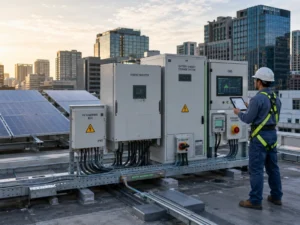
The Growing Demand for Commercial Off-Grid Solar Systems
As global energy markets continue to fluctuate and grid reliability becomes increasingly uncertain in many regions, businesses are actively seeking independent, stable, and cost-efficient power solutions. A commercial off-grid solar system has emerged as a strategic option for organizations operating in remote areas, energy-intensive industries, or regions with unstable grid infrastructure.
Unlike residential systems, designing an off-grid solar system for commercial use involves complex engineering decisions, including load profiling, system sizing, battery storage optimization, and long-term cost modeling. This guide provides a comprehensive, engineering-driven framework to help decision-makers, EPC contractors, and procurement teams design reliable and scalable off-grid energy systems.
Whether you are powering a manufacturing facility, telecom base station, agricultural operation, or mining site, understanding the core design principles of commercial off-grid solar systems is essential to ensuring operational continuity and maximizing return on investment.
Why Commercial Off-Grid Solar Is a Strategic Investment
The adoption of commercial off-grid solar systems is no longer limited to remote regions. Increasingly, organizations are leveraging off-grid solutions as part of broader energy strategies to reduce operational risk, control long-term energy costs, and meet sustainability targets.
Rising Energy Costs and Grid Instability
Electricity prices have shown significant volatility over the past decade, driven by geopolitical factors, fuel price fluctuations, and infrastructure constraints. In many developing regions and even parts of developed economies, grid outages and voltage instability remain persistent challenges (International Energy Agency [IEA], 2023).
For industrial operations, even short power interruptions can result in:
- Production downtime
- Equipment damage
- Supply chain disruption
- Financial losses
A well-designed off-grid solar system with battery storage ensures uninterrupted power supply, eliminating reliance on unstable grid infrastructure.
Energy Independence and Operational Control
Energy independence is becoming a competitive advantage. Businesses that generate and manage their own electricity can:
- Stabilize energy costs over 10–20 years
- Avoid peak demand charges
- Operate in remote or off-grid locations
- Reduce dependency on fossil fuels
This is particularly relevant for industries such as mining, agriculture, and telecommunications, where grid access is either limited or unreliable.
Replacing Diesel Generators with Clean Energy
Traditionally, diesel generators have been the default solution for off-grid power. However, they present several disadvantages:
- High fuel and transportation costs
- Frequent maintenance requirements
- Environmental and regulatory constraints
- Price volatility of diesel fuel
Studies have shown that hybrid or fully off-grid solar energy systems can significantly reduce the levelized cost of energy (LCOE) compared to diesel-based systems (IRENA, 2022). In many cases, solar-plus-storage solutions achieve payback within 3–7 years.
Supporting ESG and Carbon Reduction Goals
Sustainability is no longer optional. Investors, regulators, and customers increasingly expect companies to reduce their carbon footprint. Implementing a commercial off-grid solar system enables organizations to:
- Reduce greenhouse gas emissions
- Improve ESG ratings
- Align with international sustainability frameworks
- Enhance brand reputation
For multinational companies, this is often a key driver behind off-grid solar investments, especially in emerging markets.
What Is a Commercial Off-Grid Solar System?
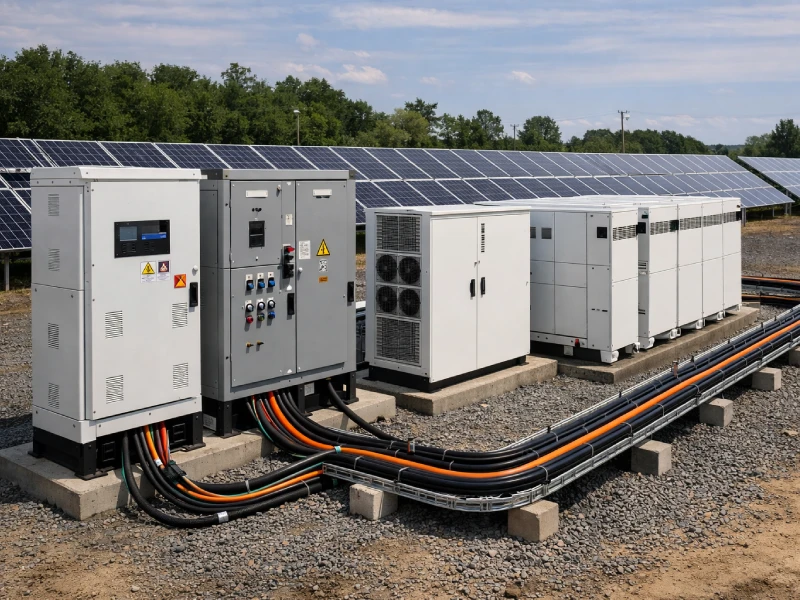
A commercial off-grid solar system is a standalone power generation and storage solution that operates independently of the utility grid. It is designed to supply continuous electricity to commercial or industrial loads using solar energy and battery storage.
Unlike grid-tied systems, off-grid systems must be carefully engineered to ensure reliability under all operating conditions, including periods of low solar generation.
Core Components of an Off-Grid Solar System
Understanding the system architecture is critical for effective design. A typical commercial off-grid solar power system includes the following components:
Solar Photovoltaic (PV) Modules
Solar panels convert sunlight into direct current (DC) electricity. The total installed capacity determines the system’s energy generation potential.
Battery Energy Storage System (BESS)
The battery storage system stores excess solar energy generated during the day and supplies power during nighttime or cloudy periods. Battery design is one of the most critical aspects of off-grid systems.
Off-Grid Inverter
The inverter converts DC electricity from the solar panels and batteries into alternating current (AC) for use by commercial equipment. It also manages system operation and load distribution.
Charge Controller
This component regulates the voltage and current flowing into the batteries, protecting them from overcharging and extending their lifespan.
Balance of System (BOS)
Includes mounting structures, cabling, protection devices, and monitoring systems that ensure safe and efficient operation.
Off-Grid vs Grid-Tied vs Hybrid Systems
It is essential to distinguish between different system configurations when designing energy solutions:
- Grid-tied systems: Depend on the utility grid and typically do not include battery storage.
- Hybrid systems: Combine grid connection with battery storage for backup and optimization.
- Off-grid systems: Fully independent, requiring precise sizing and storage capacity.
For applications where grid access is unavailable or unreliable, off-grid solar systems for commercial use provide the highest level of autonomy.
Step-by-Step: How to Design an Off-Grid Solar System for Commercial Use
Designing a commercial off-grid solar system requires a structured engineering approach. The following steps outline a proven methodology used in industrial-scale projects.
Step 1 – Load Assessment (Foundation of System Design)
Accurate load assessment is the most critical step in designing an off-grid solar system for commercial use. Any miscalculation at this stage can lead to system underperformance, increased costs, or operational failure.
Key Parameters to Analyze
- Total daily energy consumption (kWh): Sum of all electrical loads over 24 hours
- Peak demand (kW): Maximum instantaneous load
- Load profile: Distribution of energy usage throughout the day
- Load type: Inductive loads (motors) vs resistive loads
Example Load Calculation
A manufacturing facility may have the following load profile:
- Machinery: 120 kWh/day
- Lighting: 30 kWh/day
- HVAC: 50 kWh/day
- Other equipment: 20 kWh/day
Total daily consumption: 220 kWh/day
Peak load may reach 80–100 kW depending on equipment startup conditions.
Importance of Load Profiling
A detailed commercial energy consumption analysis enables:
- Accurate system sizing
- Optimized battery capacity
- Reduced capital expenditure
- Improved system efficiency
Advanced projects often use smart meters or energy management systems (EMS) to collect real-time load data over several weeks.
Step 2 – Solar Resource Evaluation
The performance of any off-grid solar power system depends heavily on local solar resources. Engineers must evaluate site-specific conditions to determine energy generation potential.
Key Factors to Consider
- Solar irradiance (kWh/m²/day)
- Seasonal variation
- Geographic location
- Shading and obstructions
Regions with high solar irradiance, such as Southeast Asia, Africa, and the Middle East, are particularly well-suited for commercial off-grid solar systems.
Data Sources for Solar Irradiance
- NASA Surface Meteorology Database
- Meteonorm
- PVsyst simulation software
For example, a location with average solar irradiance of 5.5 kWh/m²/day will generate significantly more energy than a region with 3.5 kWh/m²/day, directly impacting system size and cost.
Shading Analysis
Even partial shading can reduce system output dramatically. Tools such as drone surveys, 3D modeling, and on-site inspections are commonly used to identify shading risks.
Step 3 – System Sizing: PV Array and Battery Storage
System sizing is where engineering precision directly impacts performance and return on investment. A properly sized off-grid solar system for commercial use must balance energy generation, storage capacity, and load demand.
Solar Panel Sizing
The required PV capacity can be estimated using the formula:
PV Capacity (kW) = Daily Load (kWh) ÷ Peak Sun Hours
For example:
- Daily load: 220 kWh
- Sun hours: 5 hours
Required PV capacity ≈ 44 kW
Additional margin (typically 10–20%) is added to account for system losses.
Battery Storage Sizing
Battery sizing is more complex and depends on multiple factors:
- Days of autonomy (typically 2–5 days)
- Depth of discharge (DoD)
- Battery efficiency
- Critical load requirements
Example:
- Daily load: 220 kWh
- Autonomy: 2 days
Required storage = 440 kWh (before accounting for DoD and losses)
This highlights why battery storage for commercial solar systems often represents the largest portion of system cost.
In the next section, we will dive deeper into battery technology selection, inverter configuration, and system optimization strategies that significantly impact long-term performance and ROI.
Step 4 – Battery Selection: The Core of Commercial Off-Grid Solar Systems
In any off-grid solar system for commercial use, the battery energy storage system (BESS) is the most critical component determining reliability, lifecycle cost, and overall system performance. While solar panels generate energy, it is the battery system that ensures continuous power availability under all operating conditions.
For commercial applications, battery selection is not simply a technical decision—it is a long-term investment strategy that directly affects total cost of ownership (TCO), system scalability, and operational risk.
Lithium-Ion vs Lead-Acid Batteries: A Technical Comparison
The two most widely used battery technologies in commercial off-grid solar systems are lithium-ion and lead-acid batteries. Each has distinct advantages and limitations.
Lithium-Ion Batteries (Recommended for Commercial Applications)
- Cycle life: 4,000–8,000 cycles
- Depth of discharge (DoD): 80–95%
- Higher energy density
- Lower maintenance requirements
- Better efficiency (90–95%)
Lithium iron phosphate (LiFePO4) batteries are particularly popular due to their thermal stability and long lifespan. According to BloombergNEF (2023), lithium-ion battery costs have declined by more than 80% over the past decade, making them increasingly viable for large-scale commercial applications.
Lead-Acid Batteries (Traditional Option)
- Cycle life: 500–1,500 cycles
- Depth of discharge: 50–60%
- Lower upfront cost
- Higher maintenance requirements
- Lower efficiency (70–85%)
While lead-acid batteries may still be used in small-scale or cost-sensitive projects, they are generally not recommended for modern commercial energy storage systems due to their shorter lifespan and higher long-term cost.
Key Battery Selection Criteria for Commercial Projects
When designing a commercial off-grid solar system, decision-makers should evaluate battery solutions based on the following parameters:
- Cycle life and warranty: Determines system longevity
- Depth of discharge: Impacts usable capacity
- Scalability: Ability to expand storage as demand grows
- Safety standards: Compliance with international certifications
- Thermal management: Critical for high-temperature environments
Selecting the best battery for a commercial off-grid solar system requires balancing performance, cost, and operational reliability. In most industrial applications, lithium-based systems provide the best lifecycle value despite higher initial investment.
Battery System Architecture and Integration
Modern battery storage systems for commercial solar are typically modular and integrated with advanced battery management systems (BMS). These systems monitor:
- State of charge (SOC)
- State of health (SOH)
- Temperature and voltage levels
- Charge/discharge cycles
Proper integration with the inverter and energy management system (EMS) ensures optimized performance and prevents system failures.
Step 5 – Inverter Selection and System Configuration
The inverter acts as the central control unit of a commercial off-grid solar system. It converts DC power into usable AC electricity while managing load distribution, battery charging, and system protection.
Off-Grid Inverter Sizing
Inverter capacity must be carefully matched to the system’s peak load requirements.
- Recommended sizing: 1.2–1.5× peak load
- Accounts for surge loads and system expansion
For example, if the peak load is 100 kW, the inverter capacity should be at least 120–150 kW.
Key Features to Consider
- High conversion efficiency (>95%)
- Parallel operation capability
- Compatibility with lithium battery systems
- Integrated monitoring and control systems
System Configuration Options
Depending on project requirements, off-grid solar systems for commercial use can be configured in different ways:
- Centralized systems: Suitable for large industrial facilities
- Modular systems: Ideal for scalable deployments
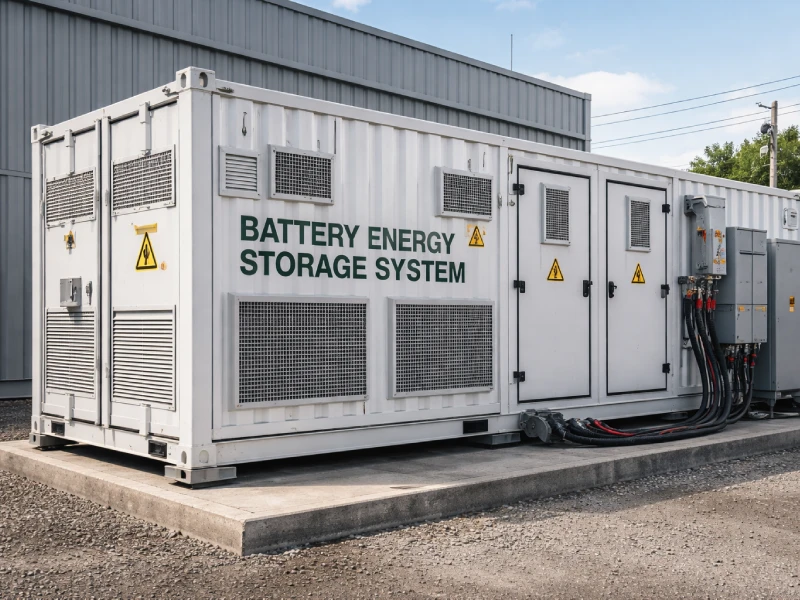
- Containerized solutions: Pre-integrated systems for rapid installation
Containerized energy storage systems are increasingly popular for mining and telecom applications due to their ease of deployment and standardized design.
Step 6 – Backup Strategy and System Redundancy
Reliability is a top priority for any commercial off-grid solar system. Designing backup strategies and redundancy mechanisms ensures uninterrupted power supply even under extreme conditions.
Diesel Generator Integration (Hybrid Approach)
In some cases, integrating a diesel generator as a backup source provides additional security, especially for mission-critical operations.
- Used during prolonged low-solar periods
- Reduces battery oversizing
- Ensures operational continuity
This hybrid approach combines the benefits of renewable energy with the reliability of conventional backup systems.
N+1 Redundancy Design
N+1 redundancy ensures that the system continues to operate even if one component fails.
- Redundant inverters
- Backup battery modules
- Multiple power distribution paths
This design is particularly important for industries such as telecommunications and data centers.
Critical Load Prioritization
Not all loads are equally important. A well-designed off-grid solar system for commercial use should prioritize critical loads during energy shortages.
- Tier 1: Essential equipment
- Tier 2: Important but non-critical loads
- Tier 3: Non-essential loads
This ensures that core operations continue even under constrained energy conditions.
Real-World Commercial Applications of Off-Grid Solar Systems
The versatility of commercial off-grid solar systems makes them suitable for a wide range of industries. Below are some of the most common applications, along with their specific challenges and solutions.
Industrial and Manufacturing Facilities
Manufacturing plants often require stable, high-capacity power for continuous operations. In regions with unreliable grids, off-grid solar systems with battery storage provide a dependable alternative.
Key benefits include:
- Reduced production downtime
- Lower energy costs over time
- Improved operational stability
Telecommunication Base Stations
Telecom infrastructure frequently operates in remote locations where grid access is limited. Off-grid systems are widely used to power:
- Cell towers
- Communication hubs
- Remote data transmission systems
These systems must be highly reliable and capable of operating autonomously for extended periods.
Agriculture and Irrigation Systems
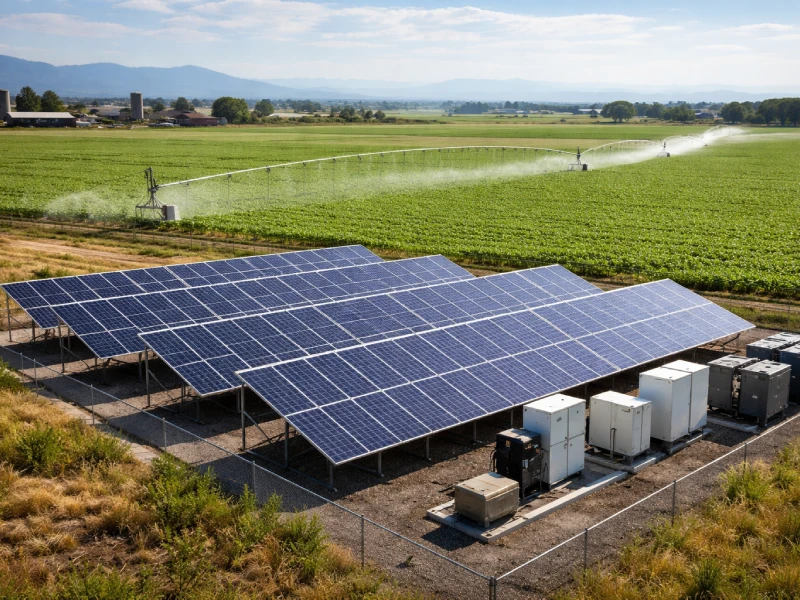
Agricultural operations benefit from off-grid solar energy systems for powering irrigation pumps, storage facilities, and processing equipment.
- Reduced fuel costs
- Improved energy access in rural areas
- Enhanced sustainability
Mining and Remote Operations
Mining sites often operate in isolated locations with high energy demands. Diesel-based systems are expensive and logistically challenging.
Replacing or supplementing diesel generators with commercial off-grid solar systems significantly reduces operating costs and environmental impact.
Cost Analysis: How Much Does a Commercial Off-Grid Solar System Cost?
Understanding the cost structure of a commercial off-grid solar system is essential for investment planning and ROI evaluation.
Key Cost Components
- Solar panels: 15–25% of total cost
- Battery storage system: 40–60% of total cost
- Inverter and control systems: 10–15%
- Installation and BOS: 10–20%
Battery storage typically represents the largest investment, which is why optimizing battery sizing and technology selection is critical.
Levelized Cost of Energy (LCOE)
LCOE is a key metric used to evaluate the cost-effectiveness of energy systems. It represents the total cost of generating electricity over the system’s lifetime divided by total energy output.
According to the International Renewable Energy Agency (IRENA, 2022), solar-plus-storage systems are increasingly competitive with diesel generators, especially in off-grid applications.
Typical ROI and Payback Period
- Payback period: 3–7 years
- System lifespan: 20–25 years
- Battery replacement cycle: 8–15 years (depending on technology)
For businesses with high energy costs or remote operations, the financial benefits of off-grid solar systems for commercial use can be substantial.
In the next section, we will explore common design mistakes, supplier selection strategies, and future trends that can further optimize system performance and maximize long-term value.
Common Design Mistakes to Avoid in Commercial Off-Grid Solar Systems
Even with advanced technologies and falling component costs, many commercial off-grid solar systems underperform due to avoidable design and engineering mistakes. These errors often lead to increased operational risk, higher lifecycle costs, and reduced system reliability.
Understanding and avoiding these pitfalls is essential when designing an off-grid solar system for commercial use, particularly for mission-critical applications.
Undersized Battery Storage Capacity
One of the most common mistakes is underestimating the required battery capacity. While reducing battery size may lower initial investment, it significantly increases the risk of:
- Power shortages during low solar generation
- Frequent deep discharge cycles
- Accelerated battery degradation
A properly designed battery storage system for commercial solar should account for:
- Seasonal variations in solar output
- Unexpected load increases
- Required autonomy days (typically 2–5 days)
Oversizing slightly is often more cost-effective than risking operational downtime.
Ignoring Peak Load and Surge Demand
Many industrial loads, such as motors and compressors, have high startup currents. Failure to account for surge demand can result in inverter overload and system instability.
Designers must ensure that:
- Inverter capacity accommodates peak load
- System can handle transient load spikes
- Load sequencing strategies are implemented
Poor System Scalability
Businesses grow, and so do their energy needs. A rigid system design without scalability can lead to costly upgrades or complete system replacement.
A scalable commercial off-grid solar system should include:
- Modular battery architecture
- Expandable inverter capacity
- Flexible mounting and wiring design
Overlooking Environmental Conditions
Environmental factors such as temperature, humidity, and dust can significantly impact system performance and lifespan.
- High temperatures reduce battery efficiency
- Dust accumulation lowers PV output
- Humidity can affect electrical components
Proper enclosure design, ventilation, and regular maintenance planning are essential.
Choosing Low-Quality Components
While cost reduction is important, selecting low-quality components can lead to:
- Frequent system failures
- Increased maintenance costs
- Reduced system lifespan
For commercial off-grid solar systems, component reliability should always take precedence over initial cost savings.
How to Choose the Right Off-Grid Solar System Supplier
Selecting the right partner is just as important as system design. A reliable supplier ensures that your off-grid solar system for commercial use is engineered, delivered, and supported to meet long-term operational requirements.
Key Evaluation Criteria
Engineering and Design Capability
A qualified supplier should provide:
- Detailed load analysis and system simulation
- Customized system design based on application
- Professional engineering documentation
Project Experience
Experience in delivering commercial off-grid solar systems across different industries is a strong indicator of capability.
- Industrial projects
- Telecom infrastructure
- Remote and off-grid applications
Product Integration Capability
An ideal partner should offer integrated solutions, including:
- Solar modules
- Battery energy storage systems
- Inverters and control systems
This ensures seamless system compatibility and optimized performance.
Certifications and Compliance
Ensure that all components meet international standards such as:
- IEC certifications
- UL standards
- CE marking
After-Sales Support and Service
Long-term support is critical for system reliability. Look for suppliers that provide:
- Remote monitoring and diagnostics
- Technical support and training
- Spare parts availability
Why Work with a Professional Energy Storage Manufacturer
Working with an experienced manufacturer provides significant advantages when deploying a commercial off-grid solar system:
- End-to-end solutions: From system design to delivery
- Customization capability: Tailored solutions for specific applications
- Advanced production technology: Ensuring consistent product quality
- Global project experience: Proven performance across markets
A strong manufacturing partner not only supplies equipment but also acts as a technical advisor, helping optimize system performance and reduce long-term risks.
Future Trends in Commercial Off-Grid Solar Solutions
The evolution of off-grid solar systems for commercial use is being driven by rapid advancements in energy storage, digitalization, and system integration.
Integration with Smart Energy Management Systems (EMS)
Modern systems increasingly incorporate EMS platforms that enable:
- Real-time monitoring and analytics
- Load optimization and forecasting
- Automated system control
These capabilities significantly enhance system efficiency and operational visibility.
AI-Based Energy Optimization
Artificial intelligence is being used to optimize energy generation, storage, and consumption. AI-driven systems can:
- Predict energy demand patterns
- Optimize battery charge/discharge cycles
- Reduce energy waste
Declining Battery Costs
Battery technology continues to evolve, with costs declining steadily. According to BloombergNEF (2023), further reductions in lithium-ion battery prices are expected, making commercial energy storage systems even more accessible.
Growth of Commercial Microgrids
Microgrids are becoming an important trend in energy infrastructure. These systems combine multiple energy sources, including solar, storage, and backup generators, to create resilient and flexible energy networks.
For businesses, microgrids represent the next step beyond traditional off-grid solar systems, offering enhanced reliability and scalability.
Conclusion: Designing a Reliable Off-Grid Solar System for Long-Term Business Success
Designing a commercial off-grid solar system requires a comprehensive approach that integrates engineering precision, financial analysis, and long-term planning.
From accurate load assessment and solar resource evaluation to battery selection and system configuration, every step plays a critical role in ensuring system performance and return on investment.
Businesses that invest in well-designed off-grid solar systems for commercial use can achieve:
- Energy independence
- Cost stability
- Operational resilience
- Sustainability goals
Partnering with an experienced supplier further enhances these benefits by ensuring that the system is optimized for specific operational requirements and future scalability.
If you are planning to deploy a commercial off-grid solar project, working with a professional team can significantly reduce risk and maximize long-term value. For tailored system design, technical consultation, or project support, you can reach out to our engineering team:
WhatsApp: +8613365923720
Email: info@solardyna.com
Design Your Commercial Off-Grid Solar System with a Trusted Partner
Looking for a reliable commercial off-grid solar system solution? Our team helps you design and deploy custom solar + battery storage systems tailored to your project — optimized for performance, scalability, and long-term ROI.
✔ Integrated solution: solar panels, battery storage, inverter systems
✔ Proven experience in industrial, telecom, and remote energy projects
Or contact our team for a project-specific system design consultation
FAQ: Commercial Off-Grid Solar System Design
1. What size off-grid solar system is required for a factory?
The required system size depends on daily energy consumption (kWh), peak load (kW), and solar irradiance. A detailed load analysis is necessary to determine the appropriate system capacity.
2. How long do batteries last in commercial solar systems?
Lithium-ion batteries typically last 8–15 years, depending on usage and operating conditions, while lead-acid batteries have a shorter lifespan of 3–5 years.
3. Is off-grid solar cheaper than diesel generators?
In many cases, yes. Although initial investment is higher, off-grid solar systems for commercial use offer lower operating costs and more predictable energy pricing over time (IRENA, 2022).
4. Can off-grid solar systems power heavy industrial equipment?
Yes, if properly designed. The system must be sized to handle peak loads and surge demands associated with industrial machinery.
5. What is the best battery for commercial off-grid solar systems?
Lithium-ion batteries, particularly LiFePO4, are generally considered the best option due to their high efficiency, long cycle life, and low maintenance requirements.
6. How many days of battery backup are recommended?
Typically, 2–5 days of autonomy is recommended, depending on application and reliability requirements.
7. Can off-grid solar systems be expanded in the future?
Yes, if designed with scalability in mind. Modular systems allow for expansion of both solar capacity and battery storage.
8. What certifications are required for commercial solar systems?
Common certifications include IEC, UL, and CE standards, which ensure safety, quality, and compliance with international regulations.
References
- BloombergNEF. (2023). Battery Price Survey 2023. Bloomberg Finance L.P.
- International Energy Agency (IEA). (2023). World Energy Outlook 2023. https://www.iea.org/
- International Renewable Energy Agency (IRENA). (2022). Renewable Power Generation Costs in 2022. https://www.irena.org/