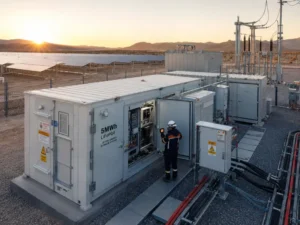
The global energy industry is entering a new stage of transformation, and understanding the latest energy storage trends has become essential for businesses involved in renewable energy deployment, industrial power management, and large-scale energy projects. In 2026, energy storage systems (ESS) are no longer viewed as simple battery backup solutions. Instead, they are becoming critical infrastructure that supports grid stability, renewable energy integration, and long-term energy optimization.
For EPC contractors, distributors, and technical decision-makers, choosing the right energy storage solution requires more than evaluating battery capacity or initial investment. Project success increasingly depends on system reliability, battery safety, intelligent energy management, supplier capability, and long-term operational performance.
This article explores the key energy storage trends shaping 2026, including advanced ESS integration, LiFePO4 battery technology, intelligent control systems, safety engineering, and supplier selection strategies. The goal is to help energy professionals identify future-ready solutions and build more reliable energy storage projects.
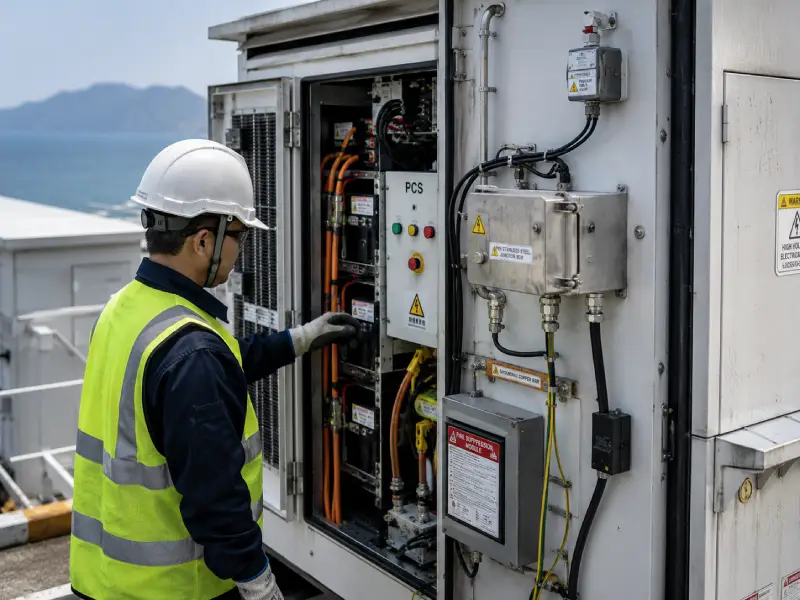
Why Energy Storage Trends Matter for ESS Decision-Makers in 2026
The role of energy storage has expanded significantly as renewable energy adoption continues to accelerate. Solar and wind power provide clean energy, but their natural variability creates challenges for electricity management. Energy storage systems help bridge this gap by capturing excess energy, improving energy availability, and supporting stable power delivery.
For commercial and industrial users, ESS solutions provide opportunities to improve energy efficiency, reduce dependency on unstable power sources, and support energy resilience. For EPC companies and system integrators, the selection of reliable storage technologies directly influences project quality, maintenance requirements, and customer satisfaction.
The most important changes in 2026 are not limited to battery chemistry. The industry is moving toward complete energy storage ecosystems that combine hardware, software, and engineering services.
From Battery Products to Complete Energy Storage Solutions
In the early stages of the energy storage market, many projects focused primarily on battery modules and capacity specifications. However, modern ESS projects require a complete system approach that includes battery cabinets, power conversion systems, energy management platforms, thermal control, safety protection, and monitoring capabilities.
This shift represents one of the most important ESS technology trends in the current market. Customers are increasingly evaluating suppliers based on their ability to deliver integrated solutions rather than individual components.
A reliable commercial energy storage system must work as a coordinated platform. The battery, inverter, control system, and monitoring software must communicate effectively to ensure stable operation under different load conditions.
For EPC contractors, this integrated approach reduces engineering complexity. Instead of managing multiple suppliers with different technical standards, project teams can work with partners who understand the complete energy storage architecture.
Energy Storage Trends 2026: Higher Capacity and More Integrated ESS Designs
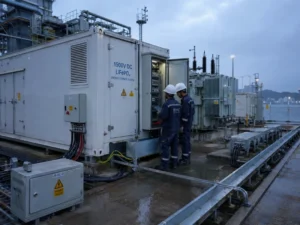
One of the most noticeable energy storage trends 2026 is the continuous development toward higher-capacity and more compact ESS solutions. As energy storage applications expand from small-scale backup systems to commercial and industrial projects, customers require systems that deliver higher performance within limited installation spaces.
The Evolution from Battery Packs to System-Level ESS Engineering
Modern ESS design is moving beyond individual battery optimization. The focus has shifted toward system-level engineering, where every component contributes to overall efficiency and reliability.
A complete ESS solution typically involves:
- Battery modules and battery management systems (BMS)
- Power conversion systems (PCS)
- Energy management systems (EMS)
- Thermal management design
- Protection and monitoring components
This approach allows energy storage projects to achieve better operational stability. Instead of simply storing electricity, advanced ESS platforms manage energy flow intelligently according to demand, grid conditions, and renewable energy availability.
For project developers, this means the evaluation criteria for suppliers are changing. A manufacturer’s engineering capability, quality management process, and customization ability are becoming as important as product specifications.
Why System Integration Capability Matters for EPC Projects
EPC companies often face challenges when integrating energy storage systems into complex energy environments. Different project locations may involve different grid requirements, climate conditions, installation limitations, and operational objectives.
A flexible ESS supplier should be able to support various project scenarios, including:
- Industrial energy storage applications
- Commercial building energy management
- Solar-plus-storage projects
- Remote power systems
- Microgrid applications
This is why future energy storage projects will increasingly depend on engineering-focused suppliers rather than simple equipment providers.
LiFePO4 Battery Energy Storage: A Key Technology Direction
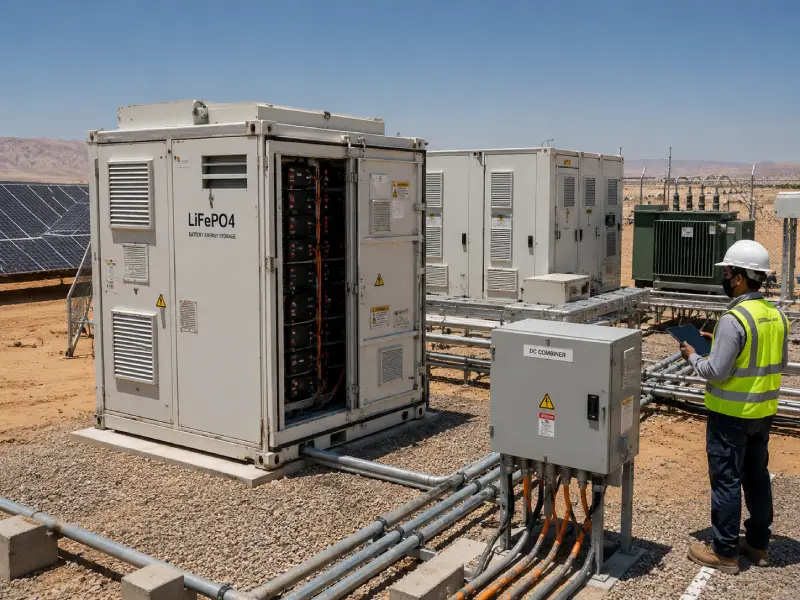
Among current battery technologies, LiFePO4 battery energy storage has become a widely adopted choice for commercial and industrial ESS applications due to its balance of safety, durability, and performance stability.
The popularity of LiFePO4 chemistry is closely connected with the practical needs of long-term energy storage projects. Unlike applications that prioritize short-term power output, ESS projects often require years of reliable operation with predictable maintenance requirements.
Why LiFePO4 Remains Important for Future Energy Storage
For businesses investing in energy infrastructure, battery selection should consider the entire project lifecycle rather than only initial cost.
Important evaluation factors include:
- Battery cycle performance
- Thermal stability
- Safety management design
- System compatibility
- Long-term service support
A well-designed LiFePO4-based ESS can provide stable performance for applications where reliability is a primary requirement.
However, battery chemistry alone does not determine system quality. The complete solution depends on how the battery integrates with the BMS, thermal management system, electrical design, and operational controls.
Engineering Tip: Evaluating ESS Performance Beyond Capacity
Expert Tip: For commercial ESS projects, battery capacity is only one part of the decision process. Project owners should evaluate the complete system design, including battery management strategy, thermal control, safety mechanisms, and supplier engineering support throughout the project lifecycle.
A supplier with strong engineering experience can help reduce installation risks and improve long-term project performance.
Smart Energy Storage Systems: The Rise of Intelligent Energy Management
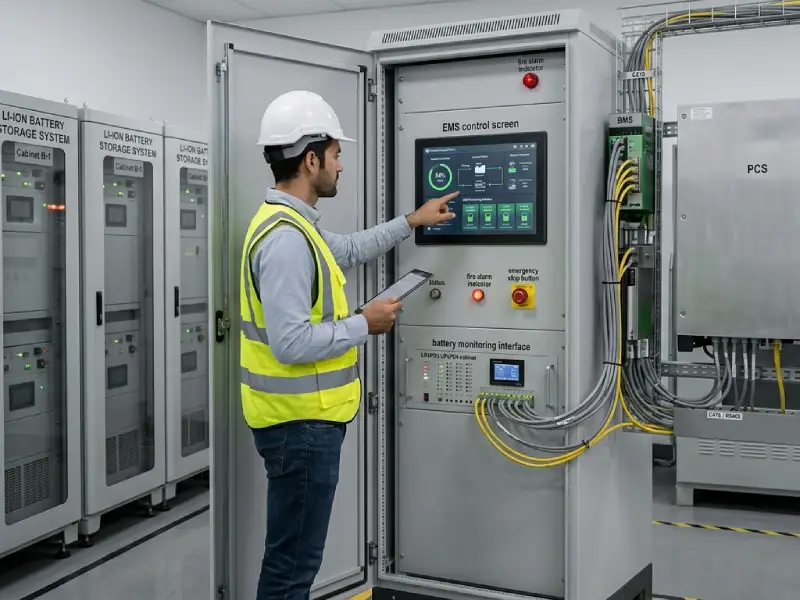
Another important direction in the future of energy storage is the development of intelligent control capabilities. Energy storage systems are becoming more connected, allowing operators to monitor performance, analyze operating conditions, and optimize energy usage.
The Growing Role of EMS and BMS Technologies
Battery management systems and energy management systems play a critical role in modern ESS operation.
The BMS focuses on battery-level protection and performance monitoring, while the EMS coordinates energy flow between generation sources, storage units, loads, and the grid.
Together, these systems help improve:
- Operational visibility
- Energy efficiency
- Maintenance planning
- System reliability
For EPC companies, intelligent monitoring reduces uncertainty after project installation. Remote diagnostics and performance tracking allow operators to identify potential issues earlier and improve maintenance efficiency.
Energy Storage Safety Trends: Why Engineering Reliability Matters More Than Ever
As energy storage projects continue to grow in scale, safety has become one of the most important considerations in modern battery energy storage system trends. For commercial and industrial applications, a reliable ESS solution must not only deliver energy capacity but also maintain stable performance under different environmental and operational conditions.
In 2026, energy storage safety is increasingly viewed as a complete engineering discipline. Battery selection, thermal management, electrical protection, enclosure design, monitoring systems, and operational strategies all influence the overall reliability of an energy storage project.
For EPC contractors and project developers, this means that evaluating an ESS supplier requires a deeper understanding of system architecture rather than simply comparing product specifications.
Thermal Management Becomes a Core ESS Design Consideration
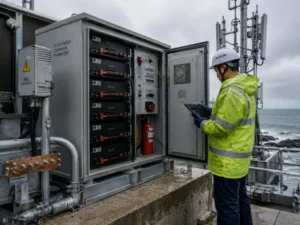
Battery performance is closely related to temperature control. During charging and discharging cycles, batteries generate heat, and effective thermal management helps maintain stable operating conditions.
A professionally designed energy storage system usually considers multiple aspects, including:
- Battery temperature monitoring
- Air or liquid cooling strategies
- Cabinet ventilation design
- Environmental protection requirements
- Real-time system monitoring
For projects installed in challenging environments, thermal management becomes even more important. High temperatures, humidity, dust, and outdoor conditions can influence system performance if the ESS design is not properly adapted.
Therefore, future energy storage solutions will focus not only on increasing capacity but also on improving environmental adaptability and operational stability.
Safety Design Requires a System-Level Approach
A common misunderstanding in energy storage projects is that battery safety depends only on battery cells. In reality, the complete ESS design determines how safely the system operates over time.
A reliable energy storage architecture should include:
- Battery protection mechanisms
- Intelligent monitoring systems
- Electrical protection components
- Emergency response design
- Preventive maintenance strategies
This system-level approach helps reduce operational risks and improves confidence for project owners and end users.
For B2B customers, choosing an ESS partner with strong engineering capabilities can significantly reduce uncertainty throughout installation, commissioning, and long-term operation.
Renewable Energy Storage Solutions: The Growth of Solar Plus Storage Applications
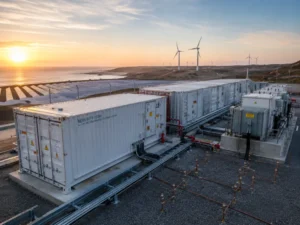
The combination of solar generation and energy storage is becoming one of the most important renewable energy storage solutions in the global market. As solar power deployment expands, the need to manage energy availability and improve electricity utilization continues to increase.
Solar systems generate electricity based on sunlight availability, which means production and consumption periods may not always match. Energy storage provides a practical solution by storing excess solar energy and making it available when demand increases.
Why Solar and Storage Integration Is Becoming a Mainstream Strategy
A solar plus storage system can help businesses improve energy flexibility by coordinating renewable generation and electricity consumption.
Common application scenarios include:
- Industrial facilities seeking energy optimization
- Commercial buildings managing electricity demand
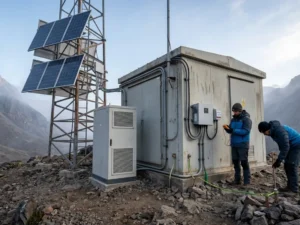
- Remote areas requiring stable power supply
- Microgrid projects improving energy independence
For EPC companies, integrated solar and storage projects require careful technical coordination. The solar generation system, battery storage system, inverter, and energy management platform must operate as one complete solution.
This creates new requirements for suppliers. Manufacturers need not only battery production capabilities but also system integration knowledge and project support experience.
Designing ESS Solutions for Different Project Requirements
Different energy storage projects have different objectives. A successful ESS design begins with understanding the specific operational requirements.
| Application Scenario | Primary Considerations |
|---|---|
| Commercial Energy Storage | Energy cost optimization, peak demand management, operational efficiency |
| Industrial Energy Storage | Power stability, continuous operation, system reliability |
| Off-Grid Energy Storage | Independent power supply, environmental adaptability, durability |
| Microgrid Applications | Energy coordination, control systems, flexible operation |
This project-based approach reflects one of the most important ESS technology trends: moving from standardized products toward customized energy solutions.
Energy Storage Supplier Selection: The New Focus of B2B Procurement
As the energy storage market becomes more competitive, supplier evaluation has become a critical step for procurement managers and technical decision-makers.
A suitable energy storage supplier should provide more than equipment. They should support engineering design, project customization, quality management, and long-term cooperation.
What EPC Companies Should Evaluate When Choosing an ESS Manufacturer
Selecting an ESS manufacturer requires a comprehensive evaluation process. Key factors include:
- Manufacturing Capability: The supplier should have reliable production processes and quality control procedures.
- Technical Expertise: The supplier should understand battery systems, electrical integration, and project requirements.
- Customization Ability: Different projects may require different capacities, configurations, and installation approaches.
- After-Sales Support: Long-term technical assistance helps maintain system performance.
For B2B buyers, supplier selection directly influences project success. A low-cost solution may create additional risks if it lacks engineering support, quality consistency, or long-term reliability.
From Product Supplier to Long-Term ESS Partner
The future of energy storage is not only about producing batteries. Successful suppliers will increasingly become technology partners who help customers design, deploy, and optimize complete energy solutions.
This partnership approach benefits EPC companies by improving project coordination and reducing communication barriers between different technical teams.
As the industry develops, customers will increasingly prefer manufacturers who can provide:
- System design support
- Application-based recommendations
- Stable supply capability
- Technical communication
- Long-term cooperation models
Future Energy Storage Trends Beyond 2026
While current ESS technologies continue to improve, the energy storage industry is also exploring next-generation solutions. Future development will focus on improving efficiency, reducing system complexity, and supporting wider renewable energy adoption.
Next-Generation Battery Technologies and Market Evolution
Emerging battery technologies, including solid-state battery concepts and alternative battery chemistries, continue to attract attention. These technologies may provide new possibilities for future energy storage applications.
However, commercial energy storage projects require proven reliability, predictable performance, and stable supply chains. Therefore, mature technologies with strong engineering foundations remain important choices for many current ESS deployments.
The most successful energy storage solutions will balance innovation with practical project requirements.
The Future Direction of ESS Development
The next generation of energy storage systems will likely combine:
- Advanced battery technology
- Intelligent energy management
- Improved safety engineering
- Flexible system integration
- Reliable global supply chains
These developments show that the future of energy storage is moving toward a complete ecosystem where hardware, software, and engineering expertise work together.
How SolarDyna Supports Future-Ready Energy Storage Projects
As the energy storage industry continues to evolve, selecting the right technology partner has become a strategic decision for EPC contractors, distributors, and commercial energy users. The latest energy storage trends show that successful projects require more than high-performance batteries. They require reliable engineering support, stable supply capability, and a complete understanding of real-world energy applications.
SolarDyna focuses on supporting customers with practical energy storage solutions designed for long-term project reliability. By combining battery technology, system integration knowledge, and application-focused engineering, SolarDyna helps customers develop ESS projects that meet different operational requirements.
For businesses planning future energy storage deployments, working with an experienced ESS partner can improve project efficiency from initial design to final operation.
Engineering-Focused ESS Solutions for Different Applications
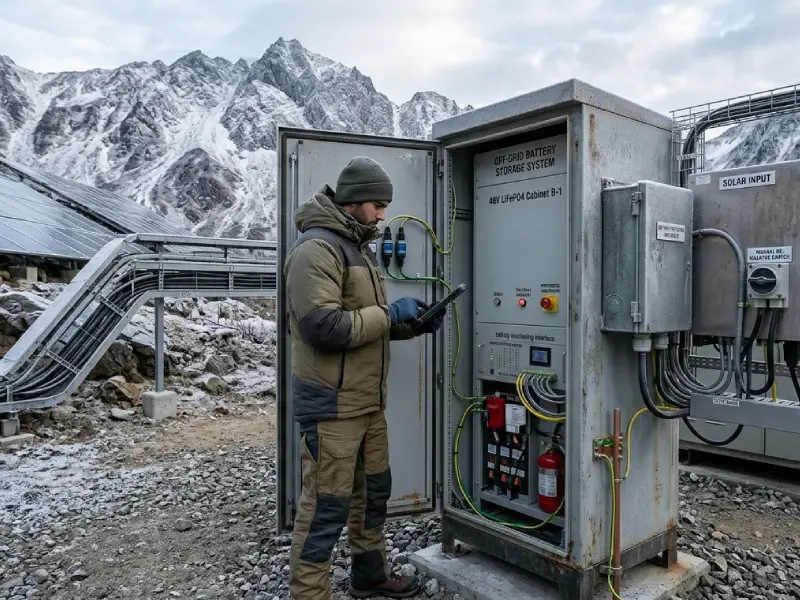
Every energy storage project has different technical requirements. A commercial building, industrial facility, remote power system, or renewable energy project may require different storage capacities, control strategies, and installation methods.
A professional ESS solution should consider:
- Energy Requirements: Understanding power demand, usage patterns, and operational goals.
- System Configuration: Selecting suitable battery capacity, inverter compatibility, and control architecture.
- Environmental Conditions: Considering temperature, humidity, installation environment, and protection requirements.
- Future Expansion: Designing systems with scalability for future energy needs.
This engineering-driven approach helps customers avoid common challenges caused by unsuitable system configurations or insufficient project planning.
Supporting EPC Contractors with Reliable ESS Deployment
For EPC companies, successful energy storage deployment depends on coordination between design, equipment selection, installation, and commissioning.
A reliable ESS supplier should help reduce complexity by providing:
- Technical communication during project planning
- Product configuration recommendations
- System compatibility guidance
- Documentation and technical support
- Long-term cooperation assistance
This type of partnership model allows EPC teams to focus on project execution while maintaining confidence in system performance.
Expert Tip: Choosing an ESS Partner for Long-Term Success
When selecting an energy storage supplier, avoid evaluating only the initial equipment cost. A successful ESS project depends on the supplier’s engineering capability, quality consistency, technical communication, and ability to support the system throughout its operating lifecycle.
Why Energy Storage Supply Chain Reliability Matters in 2026
One of the most important energy storage trends 2026 is the increasing focus on supply chain reliability. As ESS projects become larger and more complex, delays, inconsistent quality, or insufficient technical support can create significant project challenges.
For procurement managers and technical directors, supplier evaluation should include both product performance and organizational capability.
A Practical ESS Supplier Evaluation Framework
Before selecting an energy storage partner, project teams can evaluate suppliers across several areas:
| Evaluation Area | Key Questions |
|---|---|
| Technical Capability | Can the supplier provide suitable ESS configurations and engineering support? |
| Manufacturing Process | Does the supplier maintain consistent production and quality management? |
| Product Reliability | Are battery systems designed for long-term operation? |
| Project Support | Can the supplier assist during installation and commissioning? |
| Future Cooperation | Can the supplier support future expansion and new projects? |
This evaluation approach helps businesses move from short-term purchasing decisions toward long-term energy infrastructure planning.
Frequently Asked Questions About Energy Storage Trends 2026
Q1. What are the biggest energy storage trends in 2026?
The major energy storage trends in 2026 include higher-capacity ESS solutions, smarter energy management systems, improved safety engineering, renewable energy integration, and stronger focus on supplier reliability.
The industry is moving toward complete energy platforms that combine batteries, software, and intelligent control rather than standalone storage products.
Q2. Why is LiFePO4 widely used in commercial energy storage systems?
LiFePO4 batteries are widely adopted because they provide a strong balance between safety, cycle performance, and long-term stability. For commercial and industrial ESS applications, predictable operation and lifecycle performance are key factors in project planning.
However, overall system quality also depends on battery management, thermal design, electrical integration, and supplier engineering capability.
Q3. How should EPC companies choose an energy storage supplier?
EPC companies should evaluate suppliers based on technical capability, manufacturing quality, customization support, system compatibility, and long-term service capability.
The best supplier is not always the one offering the lowest initial price, but the one that can reduce project risks and support reliable operation throughout the system lifecycle.
Q4. Will future battery technologies replace current ESS solutions?
Future battery technologies may bring new opportunities, but commercial energy storage projects require mature technology, stable supply chains, and proven engineering performance.
For many current applications, reliable and well-engineered ESS solutions remain the foundation for successful renewable energy deployment.
Conclusion: Building the Future of Energy Storage with Reliable ESS Solutions
The energy storage industry is entering a new era where technology, engineering, and supply chain capability determine project success. The future of energy storage is not only about increasing battery capacity but also about improving safety, intelligence, flexibility, and long-term reliability.
The most important energy storage trends include:
- Integrated ESS system design
- Advanced LiFePO4 battery applications
- Intelligent EMS and BMS management
- Improved safety engineering
- Solar and storage integration
- Reliable supplier partnerships
For EPC contractors, distributors, and energy project developers, choosing an experienced ESS partner is a key step toward building successful long-term energy projects.
SolarDyna continues to support customers with engineering-focused energy storage solutions designed for practical applications and future energy requirements.
Build Your Next Energy Storage Project with SolarDyna
Looking for a reliable ESS partner for commercial, industrial, or renewable energy projects?
Contact SolarDyna for customized energy storage solutions and technical consultation.Request ESS Solution Proposal
Looking for a Reliable Energy Storage Solution for Your ESS Project?
Choosing the right energy storage system is essential for project reliability, lifecycle performance, and long-term ROI. SolarDyna provides LiFePO4 battery storage solutions, smart ESS integration, and customized energy storage systems for EPC contractors, distributors, and industrial projects.
✔ LiFePO4 battery systems designed for safety and long-term operation
✔ Engineering support for ESS configuration and system integration
✔ Reliable supply capability for EPC and renewable energy projects
Talk with our engineering team for a custom energy storage system design based on your application requirements